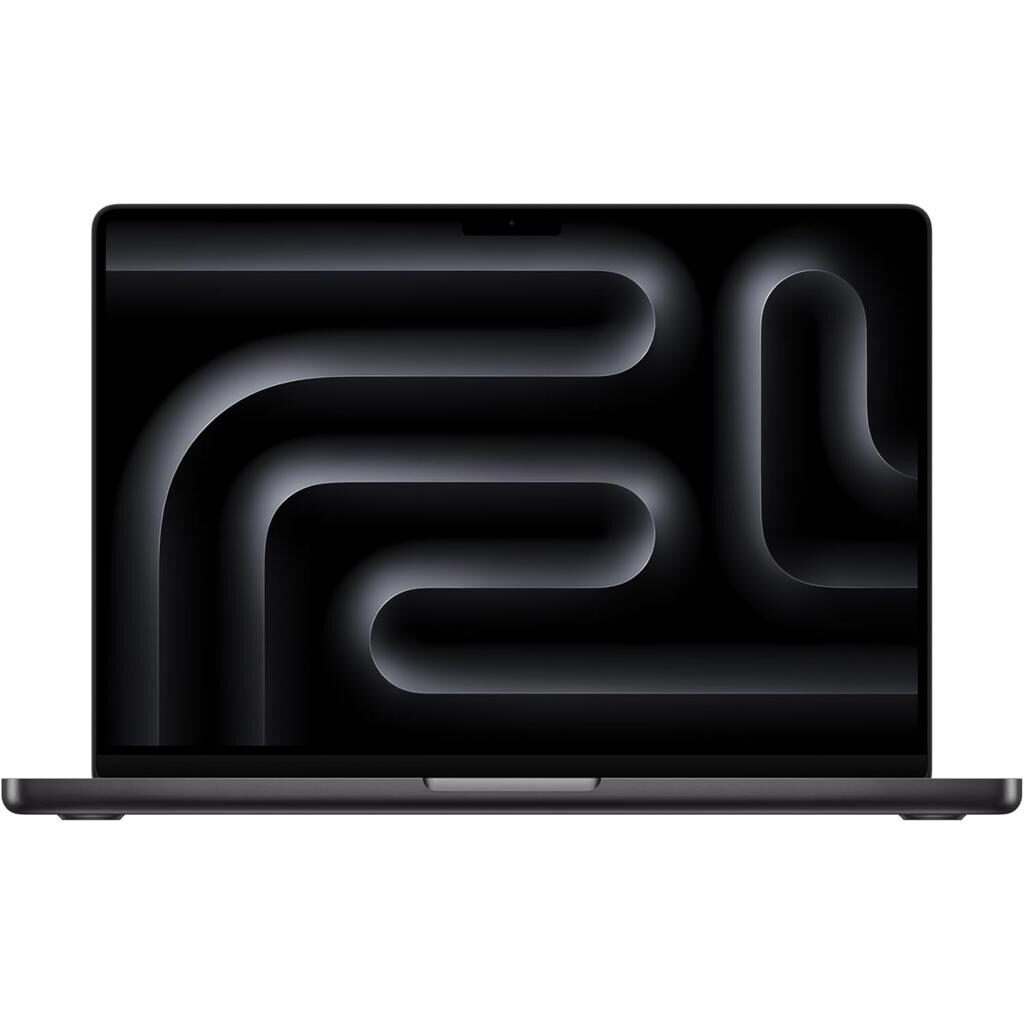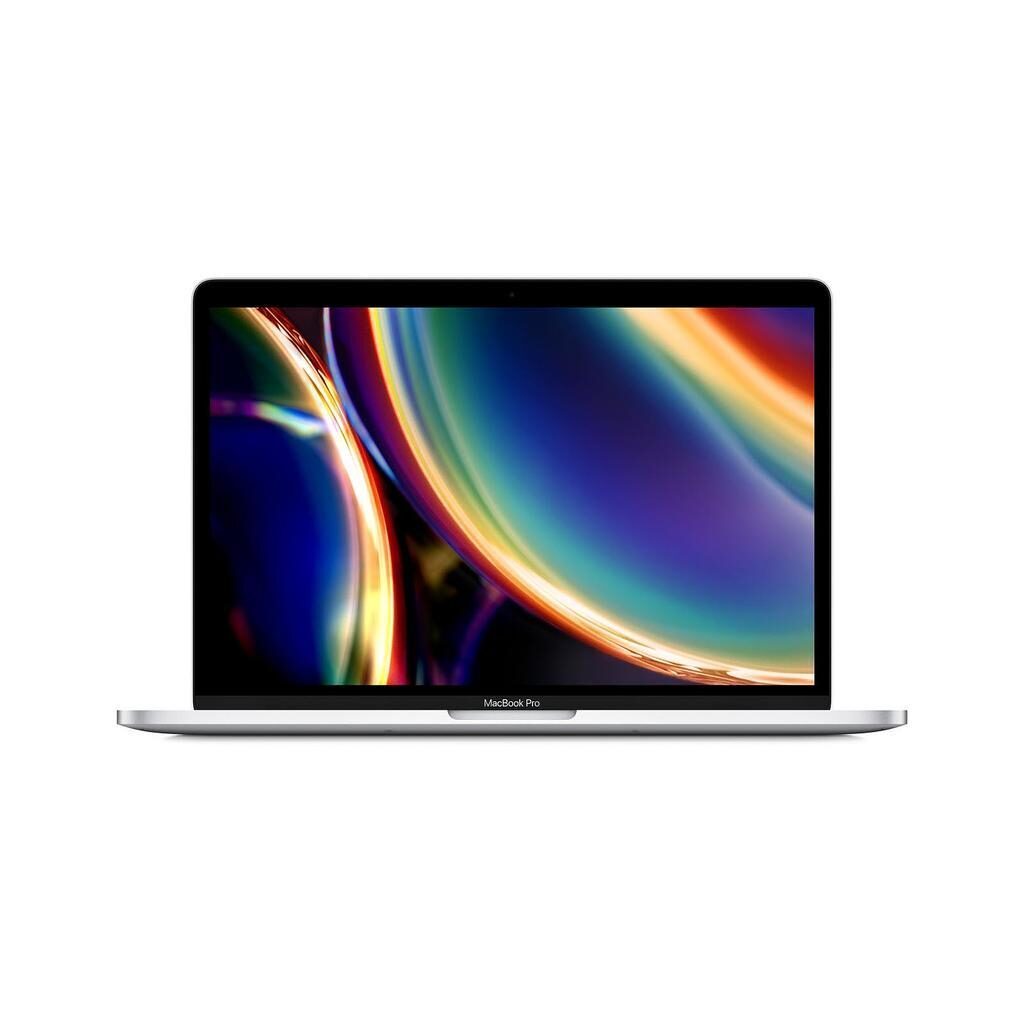
MacBook Pro (M1 series) vs MacBook Pro (M3 series)
Shop MacBook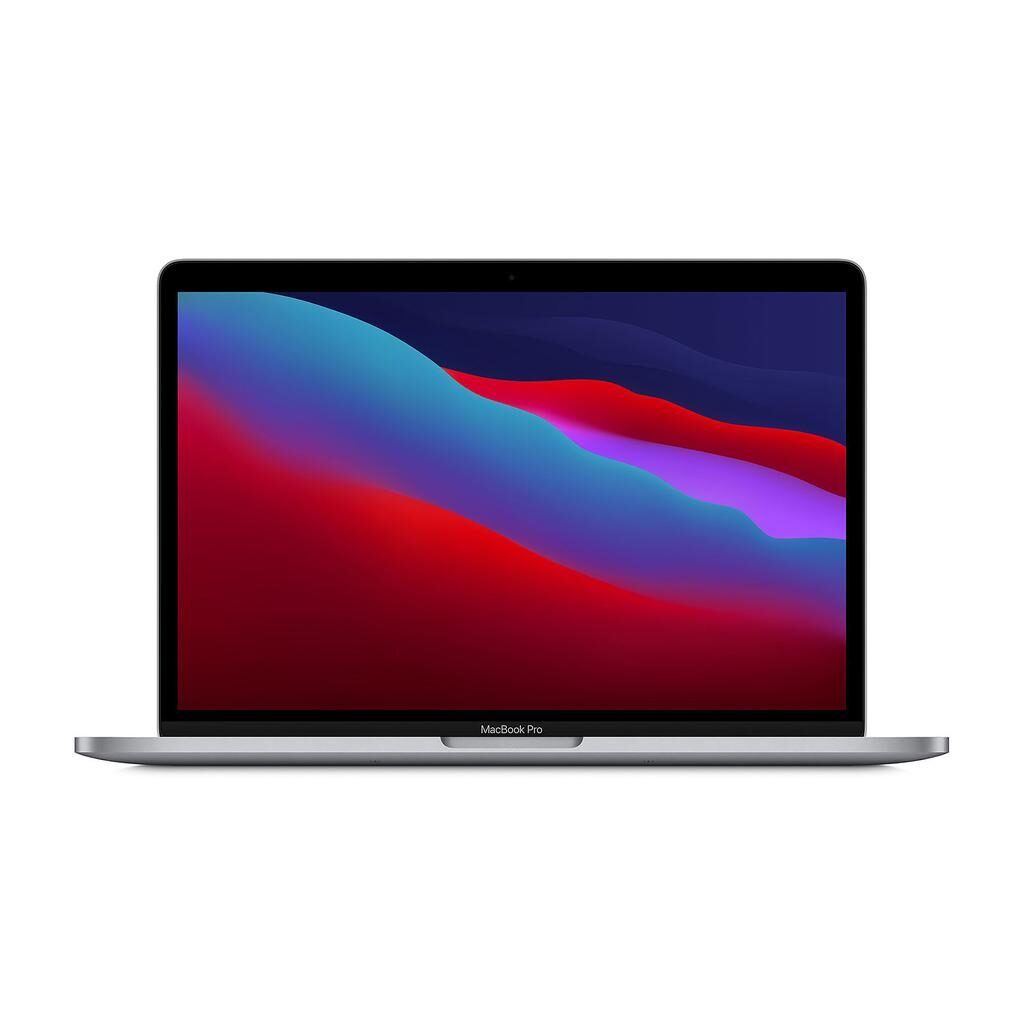
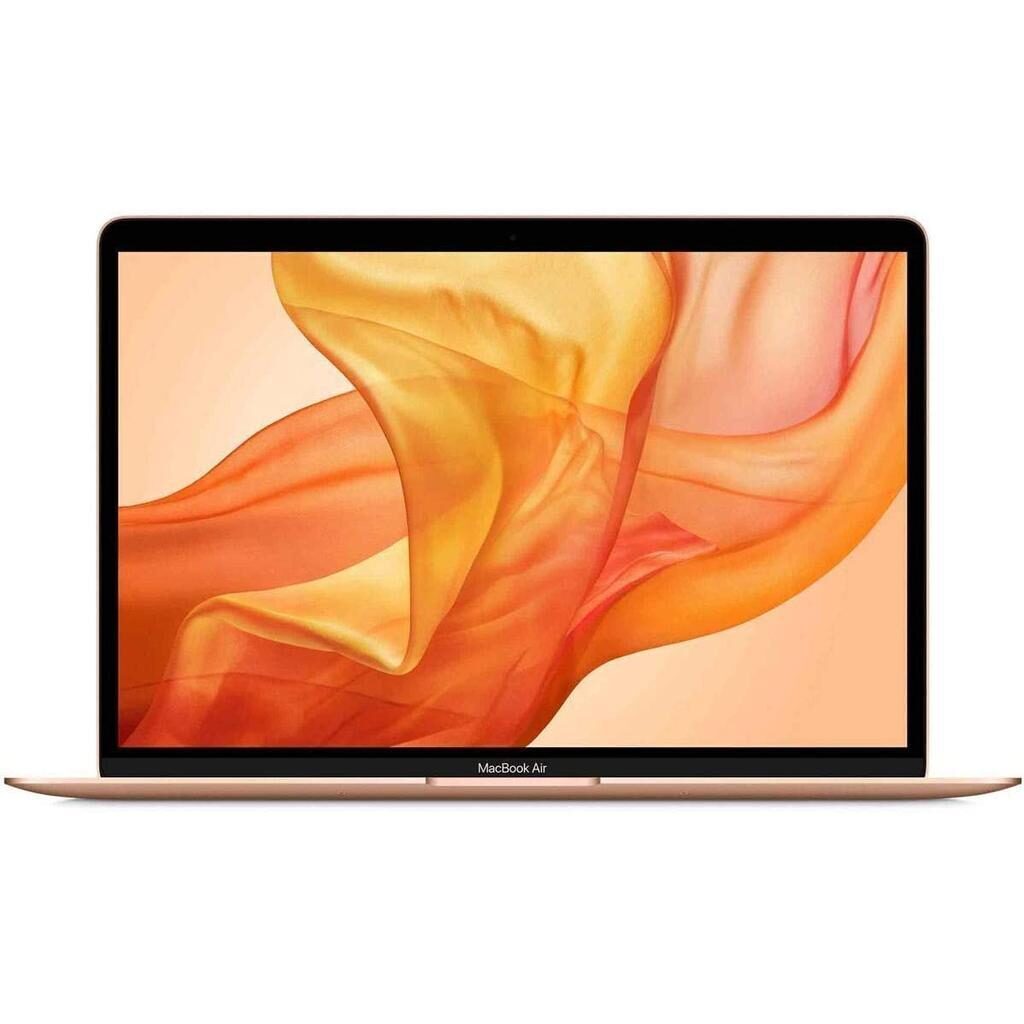
MacBook Pro (M1 series)
Starting at
£506.35£1,299.00 new
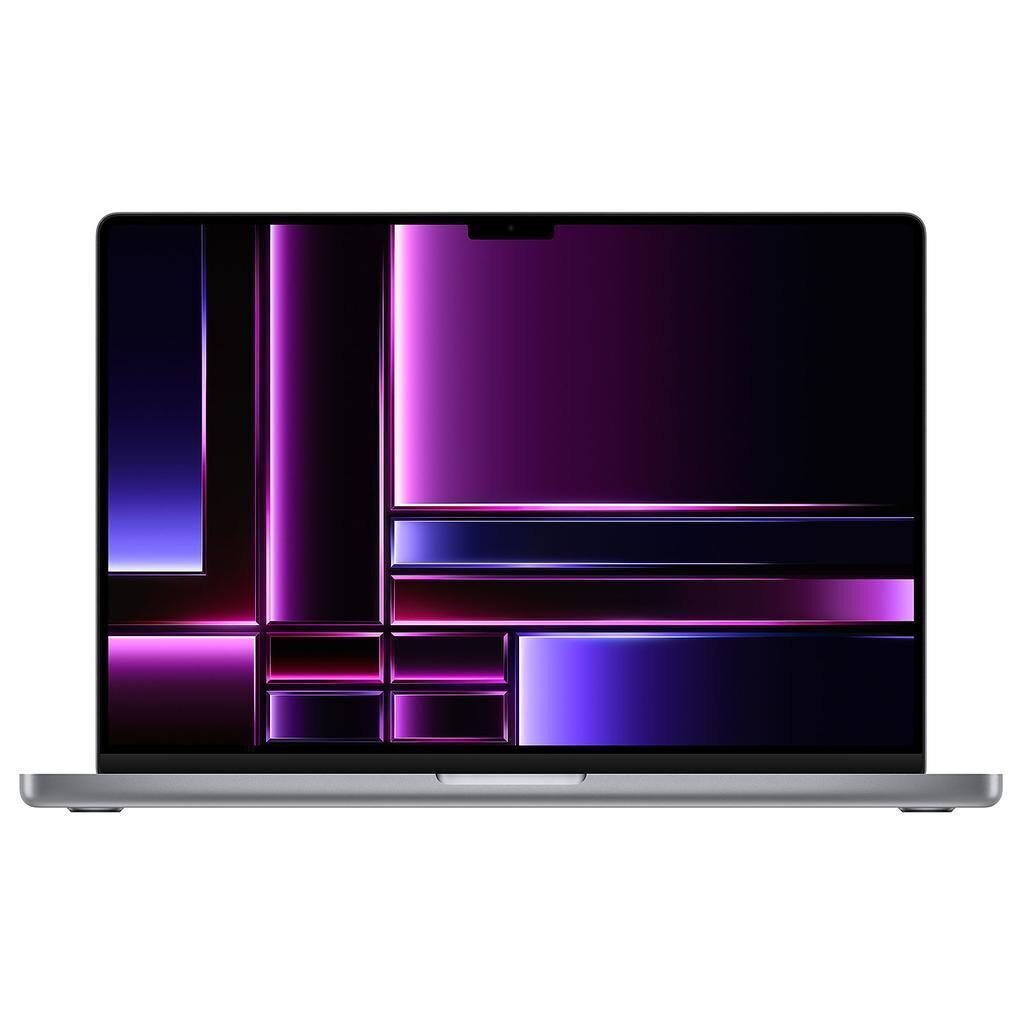
MacBook Pro (M3 series)
Starting at
£1,395.68£1,868.90 newWhat's the difference between the MacBook Pro (M1 series) and MacBook Pro (M3 series)?
MacBook Pro (M1 series) vs MacBook Pro (M3 series) comes down to the RAM, screen size and screen type. Refurbished, the MacBook Pro (M1 series) starts at £506.35, £889.33 less than the MacBook Pro (M3 series). The MacBook Pro (M3 series) is the newer model, released in 2023.
Refurbished from
RAM
Screen size
Screen type
Weight
- The MacBook Pro (M1 series) has more RAM: 16 GB vs 8 GB.
- The MacBook Pro (M3 series) has a bigger screen: 14 inch vs 13 inch.
- Screen type: Retina display on the MacBook Pro (M1 series), Liquid Retina XDR display on the MacBook Pro (M3 series).
MacBook Pro (M1 series) vs MacBook Pro (M3 series) specs
The MacBook Pro M1 series and M3 series differ in several key areas that suit different users. The M1 series offers more RAM options up to 16 GB and a wider range of storage sizes up to 4TB, making it suitable for those needing larger memory and storage for multitasking or large files. The M3 series has a more powerful 10-core GPU and a larger, brighter Liquid Retina XDR display, ideal for users prioritising graphics and screen quality. The M3 also features a better front camera, an advanced speaker system, and additional ports like HDMI and an SD card slot, which benefit creative professionals and those needing extra connectivity. Both support the same macOS version and have similar core features such as 64-bit architecture and the neural engine, but their differences align with the needs of everyday users versus those wanting enhanced audiovisual and display capabilities.
MacBook Pro (M1 series) vs MacBook Pro (M3 series) price
Colour
MacBook Pro (M1 series) vs MacBook Pro (M3 series) battery life and software updates
Durability is about how long the MacBook Pro models remain supported and their release context. Both devices support the same maximum operating system, showing parity in software longevity.
Operating System Support
Both the MacBook Pro M1 series and M3 series support macOS Tahoe, ensuring they can run the same latest operating system. This means both models are equally capable when it comes to receiving macOS updates and security patches.
Release Year
The MacBook Pro M1 series was released in 2020, while the M3 series came out in 2023. This gives context to their design and technology without implying advantage.
Maximum operating system supported
Year of release
MacBook Pro (M1 series) vs MacBook Pro (M3 series) performance
Performance influences how well each MacBook Pro handles tasks like multitasking, graphics work, and file storage. These models have differences in GPU power, RAM, and storage options that fit different user needs.
Graphics Processing
The MacBook Pro M1 series has an 8-core GPU, suitable for everyday graphics tasks and moderate creative work. The M3 series has a 10-core GPU, offering stronger graphics performance for users working with intensive visuals or demanding applications.
Memory Capacity
The M1 series comes with 16 GB of RAM, which supports keeping more apps and processes active simultaneously, useful for heavy multitaskers or professionals. The M3 series has 8 GB of RAM, which is well suited for everyday computing and most work tasks.
Storage Options
Storage for the M1 series ranges from 256 GB to 4 TB, offering flexibility for users who store large files or prefer more onboard space. The M3 series offers storage from 512 GB to 2 TB, targeting users who need ample space but with fewer maximum options.
Architecture and Storage Type
Both MacBook Pro models use 64-bit architecture and SSD storage, ensuring fast data access and compatibility with modern software.
Graphic card
Macbook architecture
Processor brand
RAM
Storage type
MacBook Pro (M1 series) vs MacBook Pro (M3 series) screen
Screen quality affects how visuals appear, which matters for creatives or those who spend long hours on their laptop. The M1 and M3 series differ in size, resolution, brightness, and display technology.
Screen Size and Resolution
The MacBook Pro M1 series has a 13 inch screen with a resolution of 2560 by 1600 pixels, providing sharp visuals in a compact size. The M3 series features a larger 14 inch screen with a higher resolution of 3024 by 1964 pixels, giving more space and detail on screen which benefits video editing or multitasking.
Display Technology
The M1 series uses a Retina display with IPS technology, which offers wide viewing angles and accurate colours. The M3 series has a Liquid Retina XDR display that supports much higher sustained brightness and peak brightness, making it better for working in bright environments and for HDR content.
Brightness Levels
The M1 series screen brightness is 400 nits, suitable for most indoor use. The M3 series supports up to 1000 nits sustained full-screen brightness and 1600 nits peak brightness, which improves visibility in bright settings and enhances HDR visuals.
True Tone Support
Both models include True Tone technology, which adjusts the display colour temperature to ambient light for more natural viewing.
Ips
Resolution
Retina
Screen brightness
Screen size
Screen type
True tone
MacBook Pro (M1 series) vs MacBook Pro (M3 series) camera
Audiovisual features impact video calls, media consumption, and creative work. The M1 and M3 series differ in camera quality and speaker setup.
Front Camera Quality
The MacBook Pro M1 series has a 720p front camera, suitable for standard video calls. The M3 series has a higher definition 1080p front camera, which provides clearer, sharper video for conferencing or streaming.
Speaker System
The M1 series features stereo speakers with high dynamic range, delivering good sound quality for general use. The M3 series offers a high-fidelity six-speaker sound system with force-cancelling woofers, designed for richer, more immersive audio, suitable for media professionals or users who value superior sound.
Front camera definition
Speakers
MacBook Pro (M1 series) vs MacBook Pro (M3 series) size and design
Additional features cover connectivity, design, and usability differences that can affect daily use and workflow.
Ports and Slots
The MacBook Pro M3 series includes an SD card slot supporting SD, SDHC, and SDXC cards, and an HDMI output, which are useful for photographers, videographers, and users needing external display options. The M1 series does not have these ports.
Charging Options
The M1 series charges via USB-C, while the M3 series offers both MagSafe 3 and USB-C charging. MagSafe 3 allows magnetic attachment which can be convenient and safer in case of accidental cable pulls.
Bluetooth and Wireless
Bluetooth 5.3 in the M3 series offers the latest improvements over Bluetooth 5.0 in the M1 series. Both support Wi-Fi 6 802.11ax, ensuring fast and reliable wireless connections.
Weight and Size
The M1 series weighs 1400 g and measures 30.41 cm wide by 21.24 cm deep, making it slightly lighter and a bit more compact than the M3 series, which weighs 1500 g and measures 31.26 cm wide by 22.12 cm deep.
Keyboard and Input
The M1 series includes a Touch Bar, which is not present in the M3 series. Both have QWERTY English keyboards and support Touch functionality.
Bluetooth version
Card slot
Charger compatibility
Depth
Display
Hdmi output
Height
Jack plug
Keyboard language type
Neural engine
Promotion
Release date
Touch
Touch bar
Usb typec thunderbolt 4 ports
Usbc port
Weight
Width
Wifi technology
MacBook Pro (M1 series) or MacBook Pro (M3 series): which should you buy?
Buy the MacBook Pro (M1 series) if
- you want to spend less: it starts at £506.35, £889.33 less than the MacBook Pro (M3 series)
- you want more RAM (16 GB vs 8 GB)
- you want a lighter build (1400 g vs 1500 g)
Buy the MacBook Pro (M3 series) if
- you want a bigger screen (14 inch vs 13 inch)
- you want the newer model (2023)
What our customers say
Customers of the MacBook Pro M1 series appreciate its reliable performance and fast operation, often highlighting the suitability of the 1TB or 2TB storage options for photo and video editing. Many mention the laptop handles multitasking smoothly and the battery life meets all-day needs. Some note light marks on the case but say it does not affect use. Overall, the M1 series appeals to users needing solid speed and ample storage for demanding everyday tasks.
For the MacBook Pro M3 series, customers praise its smooth performance and the sharp, clear screen. The 512 GB and 2TB storage options satisfy most work and media needs. Some users mention minor surface marks but find the device runs without lag and wakes quickly from sleep. A few note the speaker volume can feel low, which might matter for video watching without headphones. Battery life is described as lasting through a workday, though charging time can take longer. This model suits users who want a fast, tidy machine with strong visuals and connectivity.
Both MacBook Pro models suit users looking for dependable performance and quality screens, with the M1 series geared towards those needing more RAM and larger storage, and the M3 series fitting users prioritising display brightness, camera clarity, and expanded ports.
MacBook Pro (M1 series) vs MacBook Pro (M3 series) FAQs
MacBook Pro (M1 series) vs MacBook Pro (M3 series) comes down to the RAM, screen size and screen type. The MacBook Pro (M1 series) has more RAM: 16 GB vs 8 GB. The MacBook Pro (M3 series) has a bigger screen: 14 inch vs 13 inch.
The MacBook Pro (M1 series) is cheaper refurbished, from £506.35 compared with £1395.68 for the MacBook Pro (M3 series).
The MacBook Pro (M3 series) adds a bigger screen (14 inch vs 13 inch). Refurbished, it costs £889.33 more (from £1395.68 vs £506.35).
Refurbished, the MacBook Pro (M1 series) comes in 256GB, 512GB, 1TB, 2TB and 4TB, and the MacBook Pro (M3 series) in 512GB, 1TB and 2TB.