iPhone SE (2016) vs iPhone X
Shop iPhone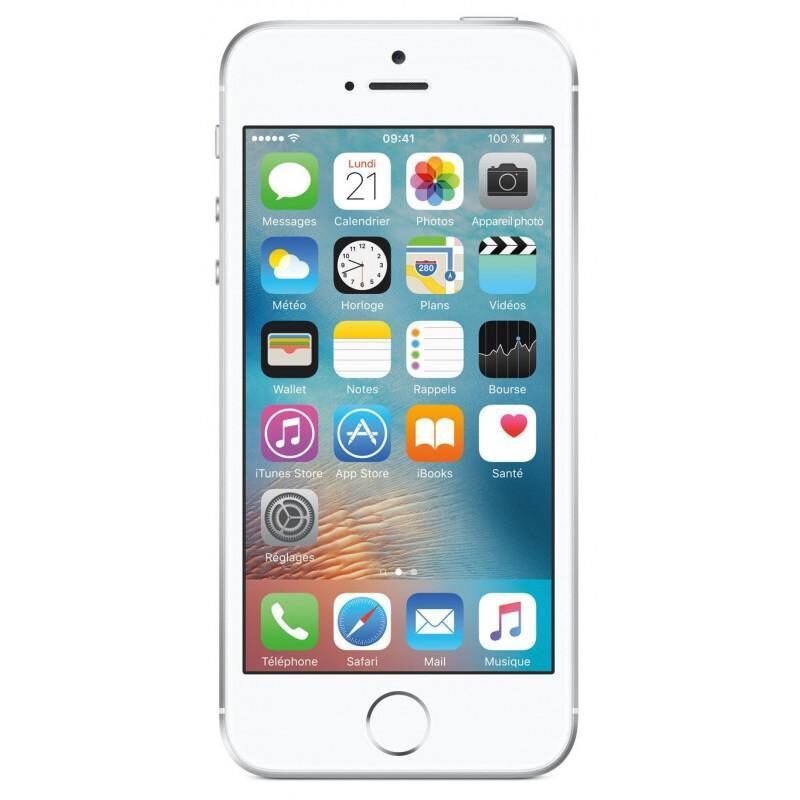
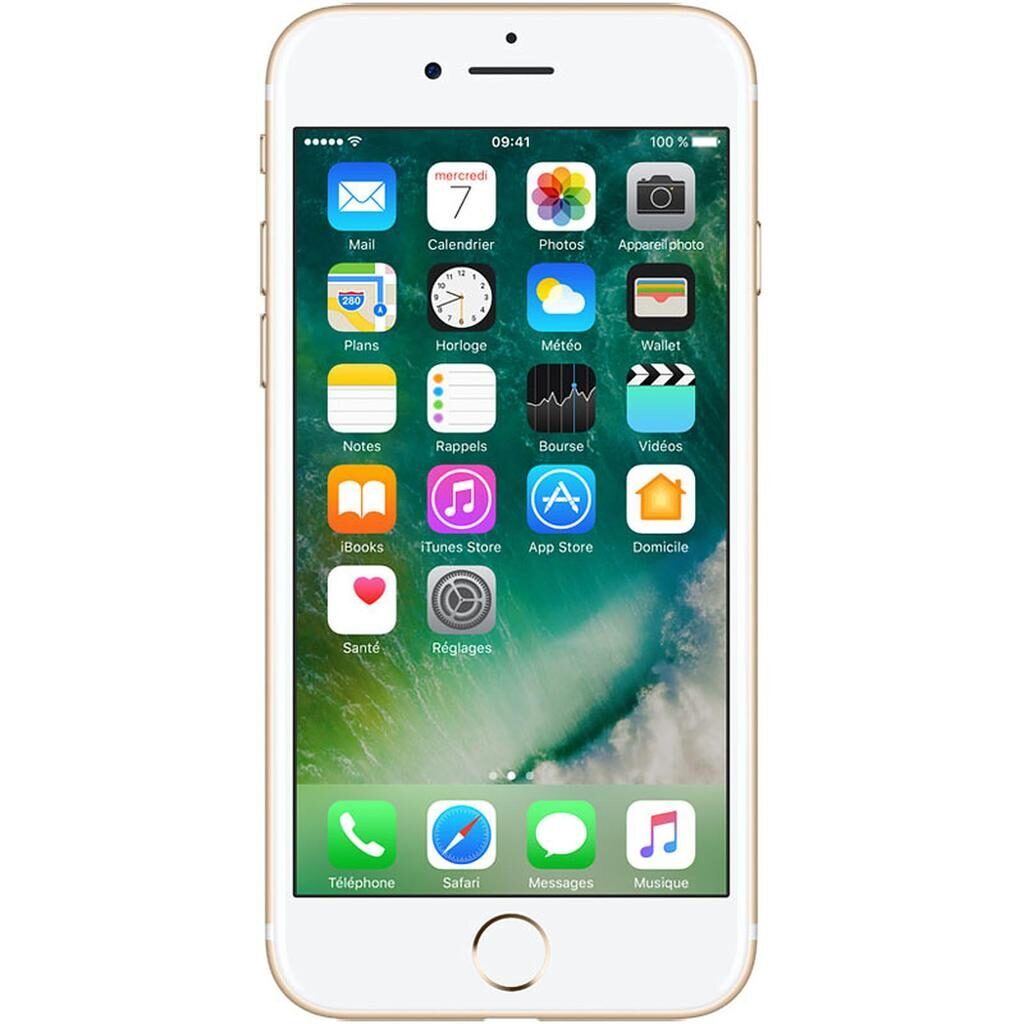
iPhone SE (2016)
Starting at
£192.40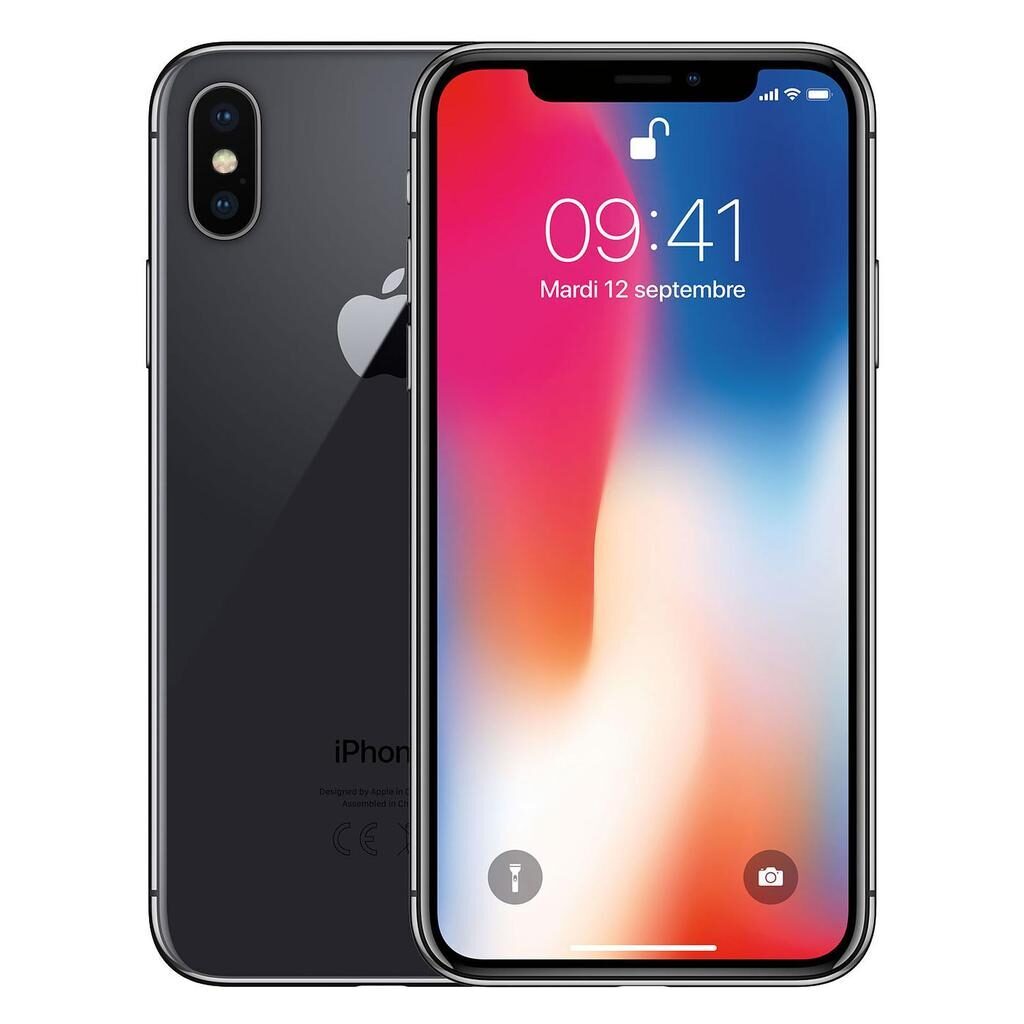
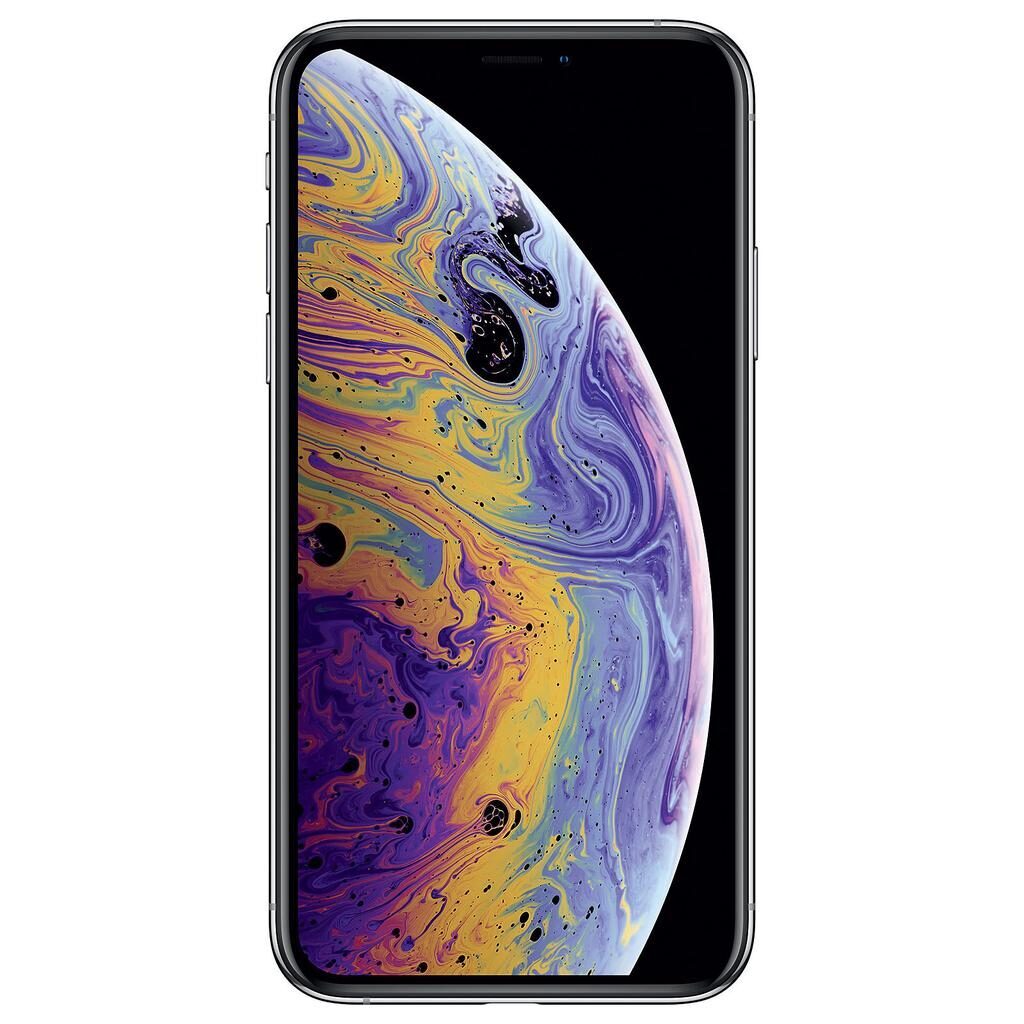
iPhone X
Starting at
£121.10£449.00 newWhat's the difference between the iPhone SE (2016) and iPhone X?
iPhone SE (2016) vs iPhone X comes down to the chipset, RAM and battery. Refurbished, the iPhone X starts at £121.10, £71.30 less than the iPhone SE (2016). The iPhone X is the newer model, released in 2017.
Refurbished from
Chipset
RAM
Battery
Screen size
Screen type
- Chipset: Apple A9 (14 nm) on the iPhone SE (2016), Apple A11 Bionic (10 nm) on the iPhone X.
- The iPhone X has more RAM: 3 GB vs 2 GB.
- The iPhone X has a bigger battery: 2716 mAh vs 1624 mAh.
iPhone SE (2016) vs iPhone X specs
The iPhone SE (2016) and iPhone X differ clearly in screen size, performance, battery, and camera setup. The iPhone SE (2016) suits buyers who want a smaller, lighter phone with a physical 3.5mm jack and a single rear camera. It offers familiar iOS performance suitable for everyday use with 64GB storage. The iPhone X appeals to those who prefer a larger, sharper OLED screen, more RAM, and a dual rear camera system for enhanced photography. It comes with options for 64GB or 256GB storage and a bigger battery capacity.
iPhone SE (2016) vs iPhone X price
iPhone SE (2016) vs iPhone X battery life and software updates
Durability covers battery capacity and software updates, which affect how long each phone lasts through the day and how current the software experience is.
Battery Capacity
The iPhone X has a larger 2716 mAh battery, which generally means it can last longer on a single charge compared to the iPhone SE (2016), which has a 1624 mAh battery. This suits users who want longer battery life between charges. The iPhone SE (2016) is better for those comfortable with shorter battery endurance or who prefer a smaller phone.
Battery
Foldable
Ip rating
Software updates
Wireless charging
Year of release
iPhone SE (2016) vs iPhone X performance
Performance depends on the chipset, RAM, and storage options, which influence speed, multitasking, and available space for apps and files.
Processor and RAM
The iPhone X features the Apple A11 Bionic chipset with 3 GB of RAM, offering smoother multitasking and better handling of demanding apps than the iPhone SE (2016), which has the Apple A9 chipset and 2 GB of RAM. Buyers wanting more responsive performance for apps or multitasking will prefer the iPhone X.
Storage Options
The iPhone SE (2016) is available with 64GB of storage, which suits users with moderate storage needs. The iPhone X offers more flexibility with 64GB and 256GB options, making it suitable for those who store many photos, videos, or apps.
Chipset
RAM
iPhone SE (2016) vs iPhone X screen
Screen quality affects how you view videos, photos, and text. The two iPhones differ in size, resolution, and screen type, which shape the visual experience.
Screen Size and Resolution
The iPhone X has a larger 5.8 inch screen with a high resolution of 1125 x 2436, providing a roomier display that shows more detail. The iPhone SE (2016) has a smaller 4 inch screen at 640 x 1136 resolution, suited for users who prefer a compact phone that fits easily in one hand.
Screen Technology
The iPhone X uses a Super Retina OLED screen, which delivers deeper blacks and more vibrant colours. The iPhone SE (2016) has an IPS LCD screen, which offers accurate colours but less contrast and brightness. Buyers who value richer visuals will lean towards the iPhone X.
Resolution
Screen size
Screen type
iPhone SE (2016) vs iPhone X camera
Audiovisual features include camera setup and front camera quality, which matter for photography, video calls, and selfies.
Camera Setup
The iPhone X has a dual rear camera system, offering more options for photography, such as better zoom or portrait effects. The iPhone SE (2016) features a single rear camera, which covers basic photo needs well but without the added features of two lenses.
Front Camera Resolution
The iPhone X has a 7 megapixel front camera, capturing more detail in selfies and video calls compared to the iPhone SE (2016), which has a 1.2 megapixel front camera. This difference suits users who value clearer front-facing photos.
Main Camera Resolution
Both phones have a 12 megapixel main camera. This means they can capture photos of similar resolution, making them capable for everyday photography.
Camera type
Front camera
Main camera
iPhone SE (2016) vs iPhone X size and design
Other differences include physical size, weight, connectors, and storage options, which shape how the phones fit in your hand and connect to accessories.
Size and Weight
The iPhone SE (2016) is smaller and lighter, measuring 123.8 mm by 58.6 mm and weighing 113 g. The iPhone X is larger and heavier at 143.6 mm by 70.9 mm and 174 g. This suits buyers choosing between a compact phone and a larger display experience.
Connectors
The iPhone SE (2016) includes both a Lightning connector and a 3.5mm headphone jack, which allows use of traditional wired headphones without an adapter. The iPhone X has only the Lightning connector, so wired headphones require an adapter or wireless connection.
Carrier and Network
Both devices are unlocked and support 4G mobile networks, giving flexibility to use with a variety of network providers.
Carrier compatibility
Connector
Depth
Height
Mobile network
SD card slot
SIM card
Weight
Width
iPhone SE (2016) or iPhone X: which should you buy?
Buy the iPhone SE (2016) if
- you want a lighter build (113 g vs 174 g)
- you want a headphone jack
Buy the iPhone X if
- you want to spend less: it starts at £121.10, £71.30 less than the iPhone SE (2016)
- you want more RAM (3 GB vs 2 GB)
- you want a bigger battery (2716 mAh vs 1624 mAh)
What our customers say
Customers of the iPhone SE (2016) appreciate its compact size and reliable battery life for everyday use. Many mention the phone runs smoothly for their needs and is good value, with some noting the battery may need replacing eventually but overall satisfaction with performance and condition. The smaller screen and physical headphone jack suit those who prefer a lighter, simpler device without extra features.
Customers of the iPhone X highlight the larger screen and storage options as strong points, enjoying the phone's appearance and performance. Some praise the camera quality and battery life for daily use. A few mention challenges with software compatibility and slower performance in some cases, but overall users find it a solid choice for a refurbished device with more advanced features than simpler models.
Together, these reviews show the iPhone SE (2016) suits buyers looking for a smaller, straightforward iPhone with good battery life, while the iPhone X fits those wanting a bigger screen and enhanced performance with more storage flexibility.
iPhone SE (2016) vs iPhone X FAQs
iPhone SE (2016) vs iPhone X comes down to the chipset, RAM and battery. Chipset: Apple A9 (14 nm) on the iPhone SE (2016), Apple A11 Bionic (10 nm) on the iPhone X. The iPhone X has more RAM: 3 GB vs 2 GB.
The iPhone X is cheaper refurbished, from £121.10 compared with £192.40 for the iPhone SE (2016).
The iPhone X has a bigger battery: 2716 mAh vs 1624 mAh.
Both have the same main camera: 12 megapixels.
Updates for the iPhone SE (2016) ended in Mar 2025. Its last version is iOS 15. Updates for the iPhone X ended in Mar 2025. Its last version is iOS 16.
The iPhone X adds more RAM (3 GB vs 2 GB), a bigger battery (2716 mAh vs 1624 mAh) and a bigger screen (5.8 inch vs 4 inch). Refurbished, it costs £71.30 less (from £121.10 vs £192.40).
Refurbished, the iPhone SE (2016) comes in 64GB, and the iPhone X in 64GB and 256GB.