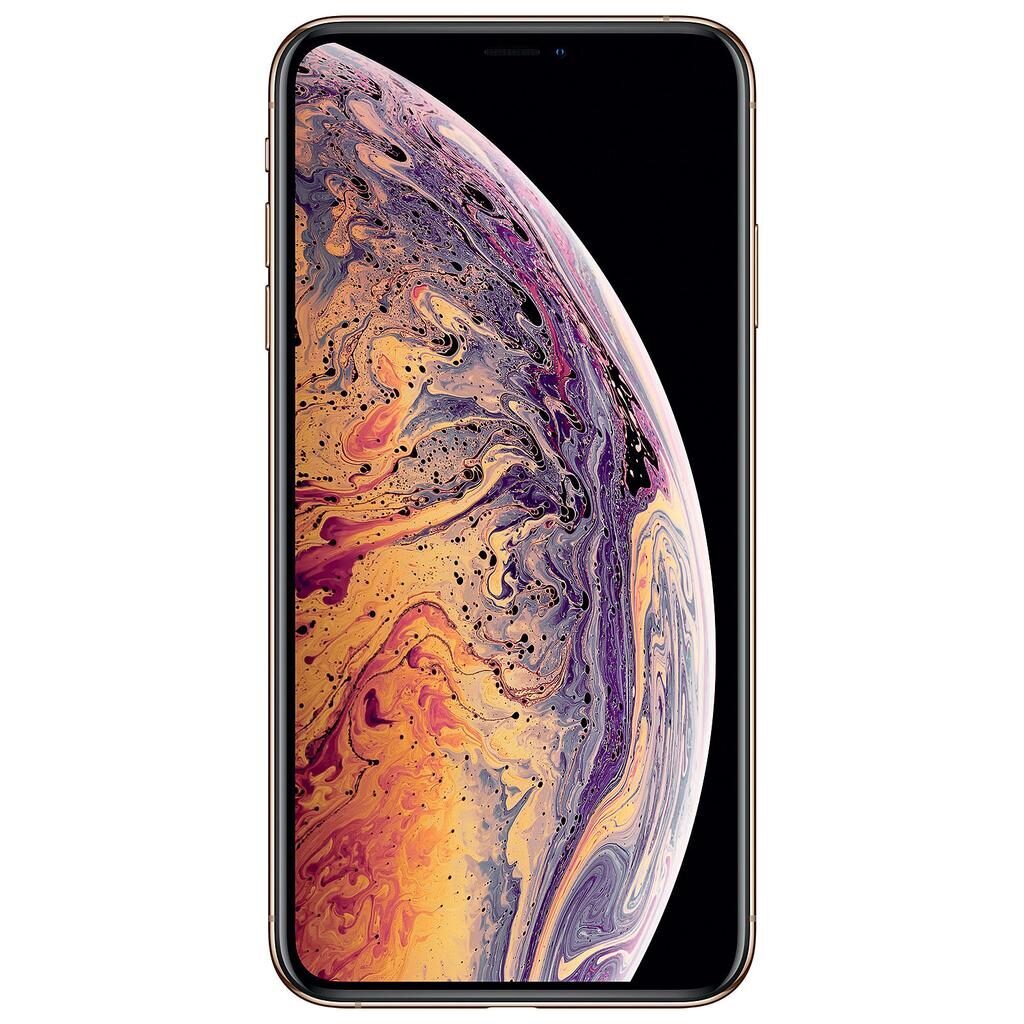
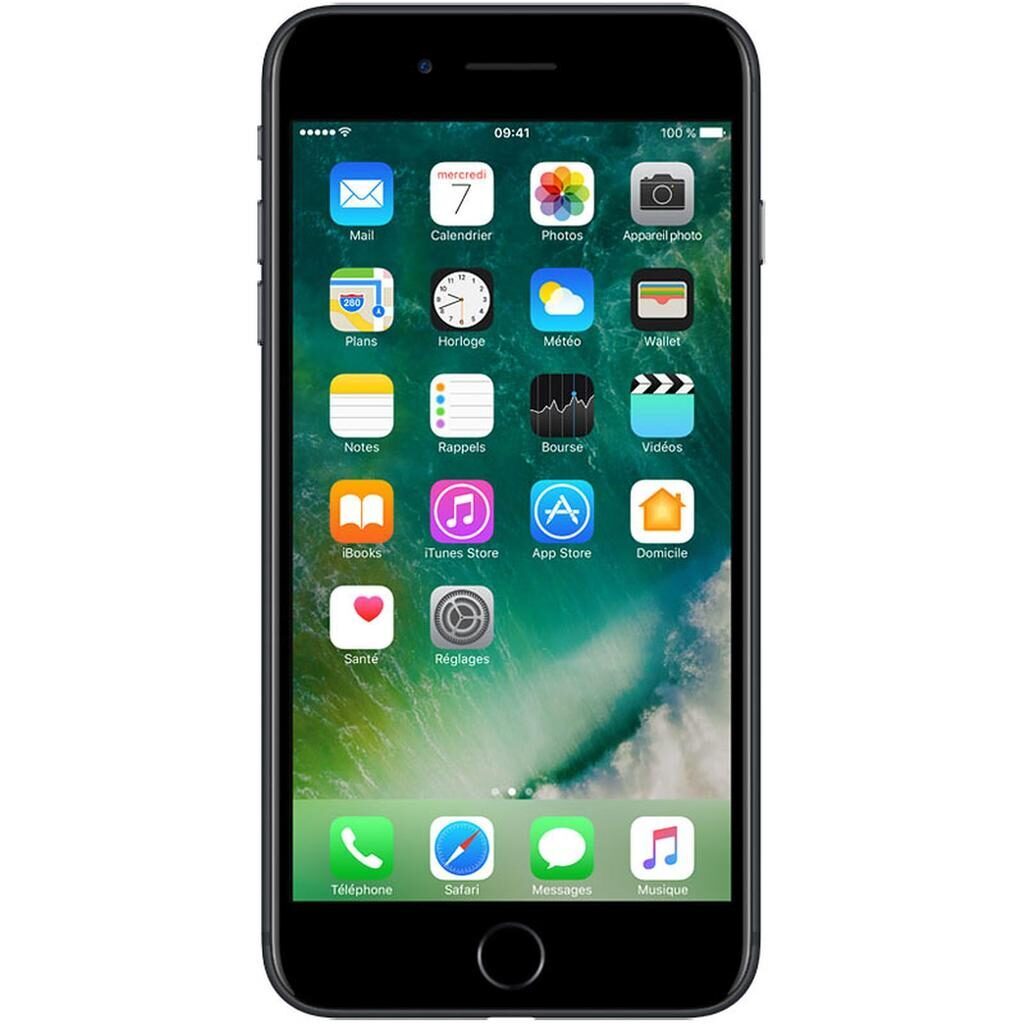
iPhone 8 Plus vs iPhone X
Shop iPhone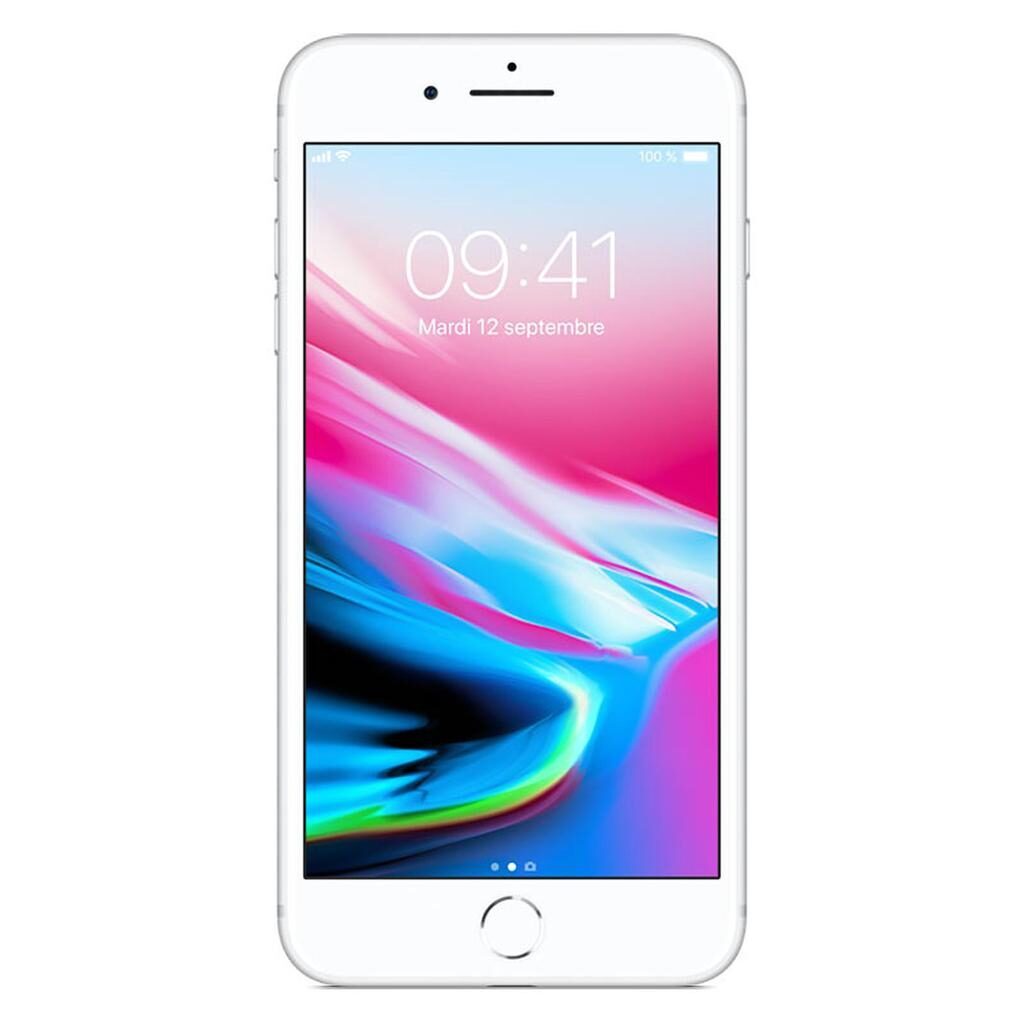
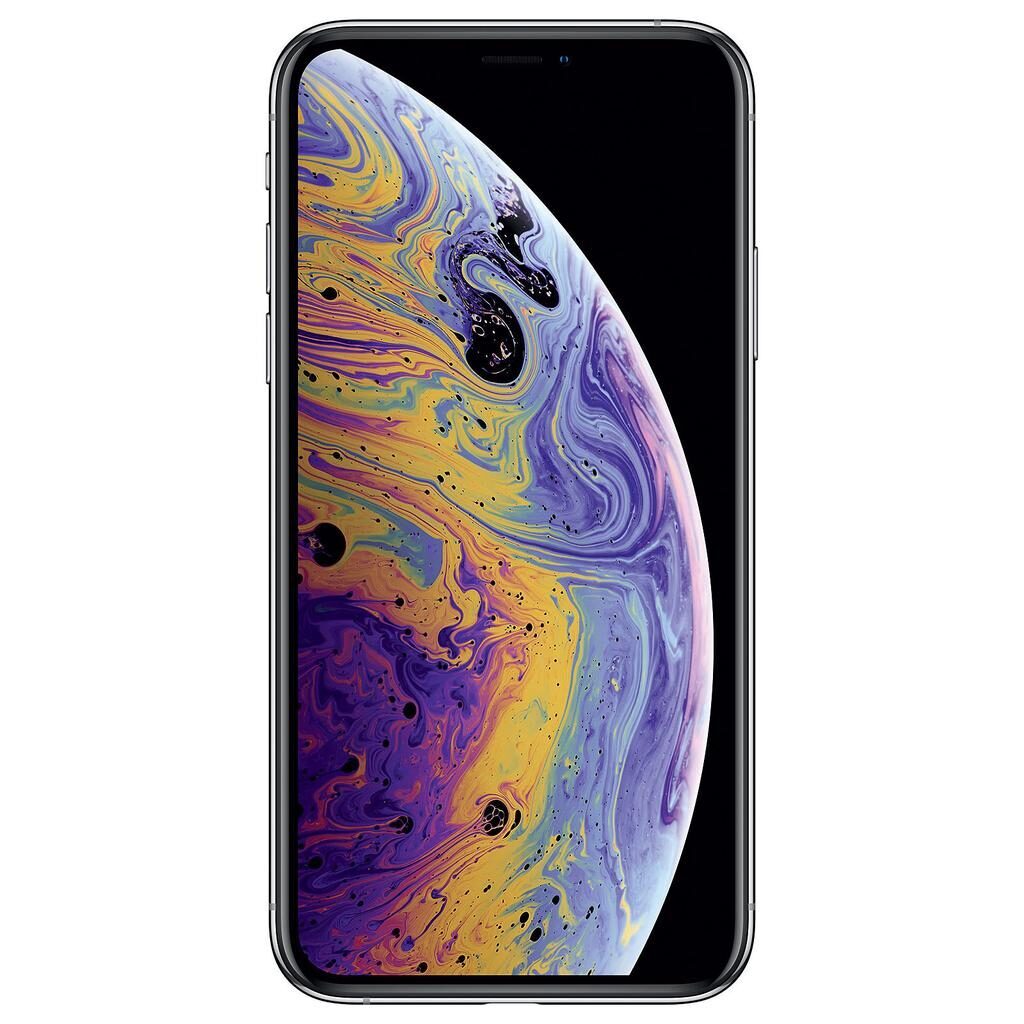
iPhone 8 Plus
Starting at
£100.56£399.00 new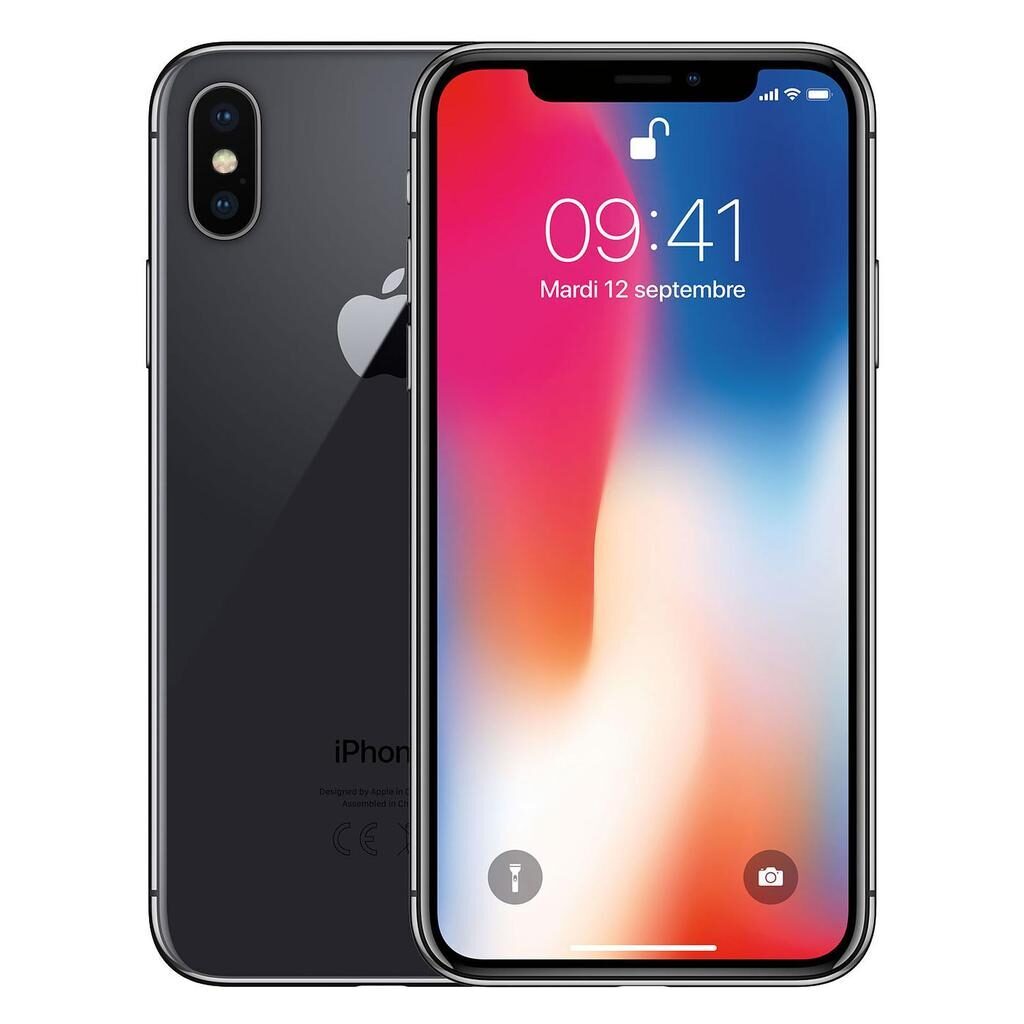
iPhone X
Starting at
£121.10£449.00 newWhat's the difference between the iPhone 8 Plus and iPhone X?
iPhone 8 Plus vs X comes down to the chipset, battery and screen size. Refurbished, the iPhone 8 Plus starts at £100.56, £20.54 less than the iPhone X.
Refurbished from
Chipset
Battery
Screen size
Screen type
Weight
- Chipset: Apple A11 Bionic on the iPhone 8 Plus, Apple A11 Bionic (10 nm) on the iPhone X.
- Battery: 2691 mAh on the iPhone 8 Plus, 2716 mAh on the iPhone X.
- The iPhone X has a bigger screen: 5.8 inch vs 5.5 inch.
iPhone 8 Plus vs iPhone X specs
The iPhone 8 Plus and iPhone X both come from 2017 and share the same Apple A11 Bionic chipset and 3 GB of RAM, making their performance quite similar. The iPhone X offers a slightly larger and higher-resolution screen with an OLED panel, which suits those who want richer colours and deeper blacks. The iPhone 8 Plus has a somewhat larger body and is heavier, while the iPhone X is more compact and lighter. Both have dual 12-megapixel cameras and 7-megapixel front cameras, making them comparable for photography. Choose the iPhone 8 Plus if you prefer a bigger phone with a traditional LCD screen, or the iPhone X if you want a more compact phone with an OLED display.
iPhone 8 Plus vs iPhone X price
Colour
iPhone 8 Plus vs iPhone X battery life and software updates
Durability covers battery capacity, software updates, and basic build features. These factors affect how long the phone lasts daily and how current the software can be.
Battery Capacity
The iPhone 8 Plus has a 2691 mAh battery, while the iPhone X has a slightly larger 2716 mAh battery. The difference is small, so daily battery life will be similar. Both batteries can provide enough power for typical use throughout a day, but individual usage patterns will affect actual endurance.
Battery
Foldable
Ip rating
Software updates
Wireless charging
Year of release
iPhone 8 Plus vs iPhone X performance
Performance depends on the chipset, memory, and storage options. Both phones use the Apple A11 Bionic chipset and have 3 GB of RAM. Storage options are the same, so performance differences will be minimal but storage size can affect how much you can keep on the phone.
Processor and RAM
Both the iPhone 8 Plus and iPhone X run on the Apple A11 Bionic chipset paired with 3 GB of RAM. This combination is capable of handling everyday tasks and running most apps smoothly. Users looking for consistent performance in this range will find either device suitable.
Storage Options
Both phones are available in 64GB and 256GB storage sizes. If you need more space for apps, photos, and media, the 256GB option is available for both. Having ample storage can improve your experience by reducing the need to constantly manage files.
Chipset
RAM
iPhone 8 Plus vs iPhone X screen
Screen quality affects how you view content and interact with the phone. The iPhone X has a slightly larger and higher-resolution screen with OLED technology, while the iPhone 8 Plus uses a traditional Retina IPS LCD. These differences influence colour, contrast, and size.
Screen Size and Resolution
The iPhone 8 Plus has a 5.5 inch screen with a resolution of 1080 x 1920 pixels. The iPhone X offers a 5.8 inch screen with a higher resolution of 1125 x 2436 pixels. The iPhone X's screen provides more pixels and a bit more space for viewing, which benefits watching videos or browsing.
Screen Type
The iPhone 8 Plus uses a Retina IPS LCD screen, which offers good brightness and accurate colours. The iPhone X features a Super Retina OLED screen, which provides deeper blacks and more vivid colours. If you prefer richer contrast and more vibrant visuals, the iPhone X screen suits you.
Resolution
Screen size
Screen type
iPhone 8 Plus vs iPhone X camera
Both phones have similar camera setups and front cameras, making their photography and video capabilities alike. This section highlights what that means for capturing images and videos.
Main and Front Cameras
Both the iPhone 8 Plus and iPhone X have dual 12-megapixel main cameras and 7-megapixel front cameras. This means both phones can take detailed photos and selfies. If camera quality is important, either device will meet everyday photography needs well.
Camera type
Front camera
Main camera
iPhone 8 Plus vs iPhone X size and design
Other factors such as size, weight, connectivity, and physical features influence comfort and use. There are clear size and weight differences between the two phones, which may affect how they feel in your hand or pocket.
Size and Weight
The iPhone 8 Plus measures 158.4 mm in height, 78.1 mm in width, and weighs 202 g. The iPhone X is smaller at 143.6 mm tall and 70.9 mm wide, weighing 174 g. If you prefer a more compact and lighter phone, the iPhone X is easier to carry and handle.
Connector and Network
Both phones use the Lightning connector and support 4G mobile networks. They come unlocked with a physical SIM card slot, making them straightforward to use with most UK carriers. This makes switching between carriers or plans easy.
Depth
The iPhone 8 Plus has a depth of 7.5 mm, while the iPhone X is slightly thicker at 7.7 mm. This difference is minor but may be noticeable in slim cases or pockets.
Carrier compatibility
Connector
Depth
Height
Mobile network
Release date
SD card slot
SIM card
Weight
Width
iPhone 8 Plus or iPhone X: which should you buy?
Buy the iPhone 8 Plus if
- you want to spend less: it starts at £100.56, £20.54 less than the iPhone X
Buy the iPhone X if
- you want a bigger screen (5.8 inch vs 5.5 inch)
- you want an OLED screen
- you want a lighter build (174 g vs 202 g)
What our customers say
Customers who chose the iPhone 8 Plus often comment on its excellent condition and good performance for everyday use. Some mention it is suitable for less tech-savvy users or children, noting the phone works well for games and basic apps. A few customers highlight that the phone no longer receives software updates, which affects app compatibility. The larger size and solid build appeal to those wanting a substantial phone. Battery life and screen condition are generally praised, though some find the setup or battery charge less than ideal.
For the iPhone X, customers appreciate its compact size and how the phone feels like new. Many find it well suited for users who want a capable phone without paying for the latest model. Reviews mention smooth performance and a high-quality screen. Some users note app compatibility issues related to iOS updates, but overall camera and speed are reported positively. The lighter weight and smaller dimensions make it comfortable to carry for everyday use.
Both phones attract buyers looking for reliable refurbished devices, with the iPhone 8 Plus suiting those who prefer a larger screen and a straightforward experience, while the iPhone X suits those who want a more compact phone with an OLED screen and a lighter feel.
iPhone 8 Plus vs iPhone X FAQs
iPhone 8 Plus vs X comes down to the chipset, battery and screen size. Chipset: Apple A11 Bionic on the iPhone 8 Plus, Apple A11 Bionic (10 nm) on the iPhone X. Battery: 2691 mAh on the iPhone 8 Plus, 2716 mAh on the iPhone X.
The iPhone 8 Plus is cheaper refurbished, from £100.56 compared with £121.10 for the iPhone X.
The iPhone 8 Plus has 2691 mAh and the iPhone X has 2716 mAh.
Both have the same main camera: 12 megapixels.
Updates for the iPhone 8 Plus ended in Mar 2025. Its last version is iOS 16. Updates for the iPhone X ended in Mar 2025. Its last version is iOS 16.
Both come in 64GB and 256GB refurbished.