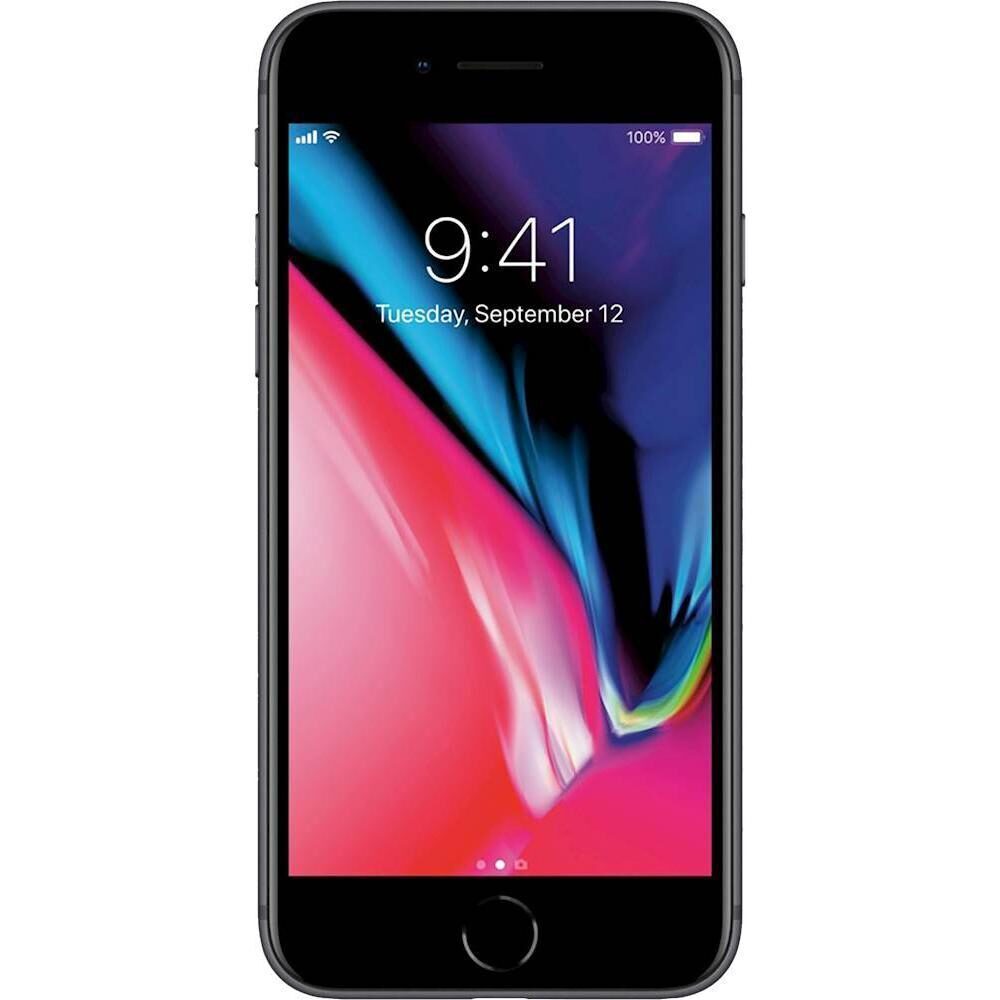
iPhone 7 vs iPhone 8 Plus
Shop iPhone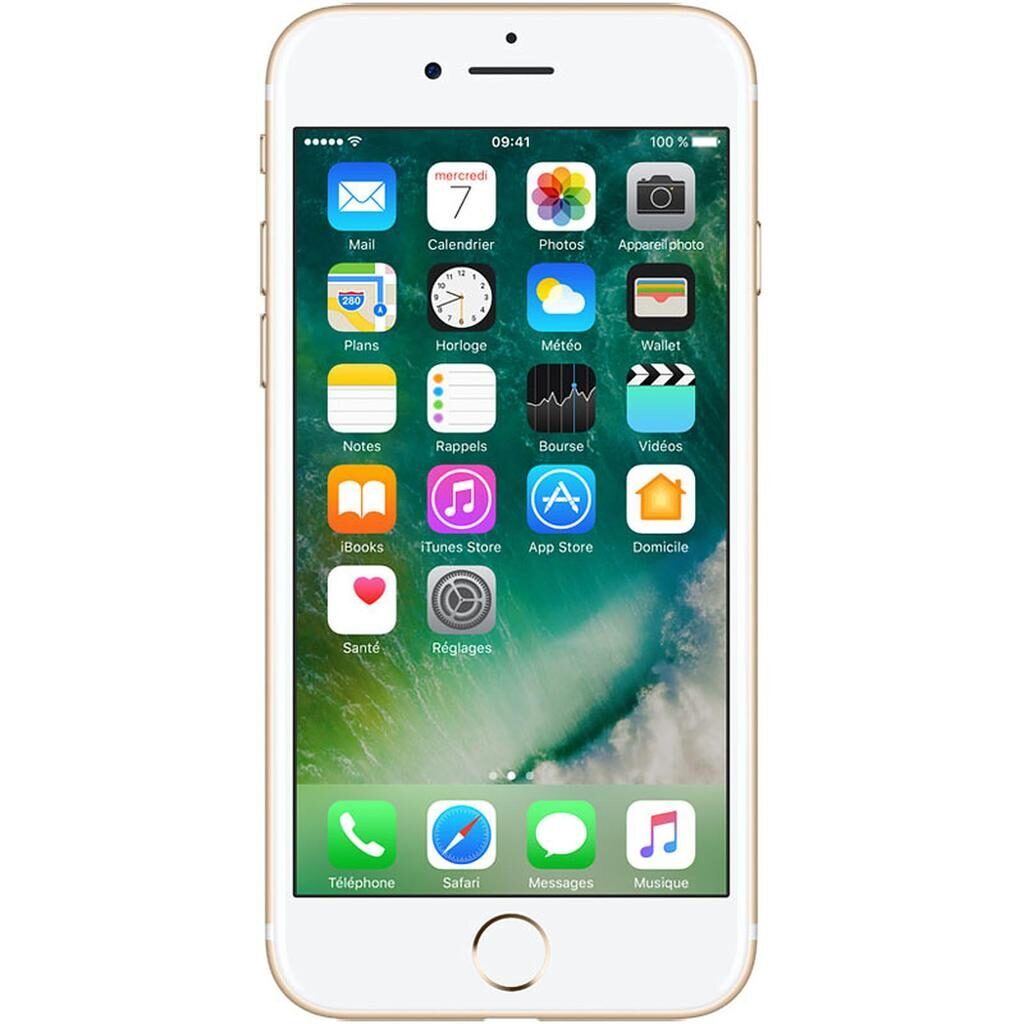
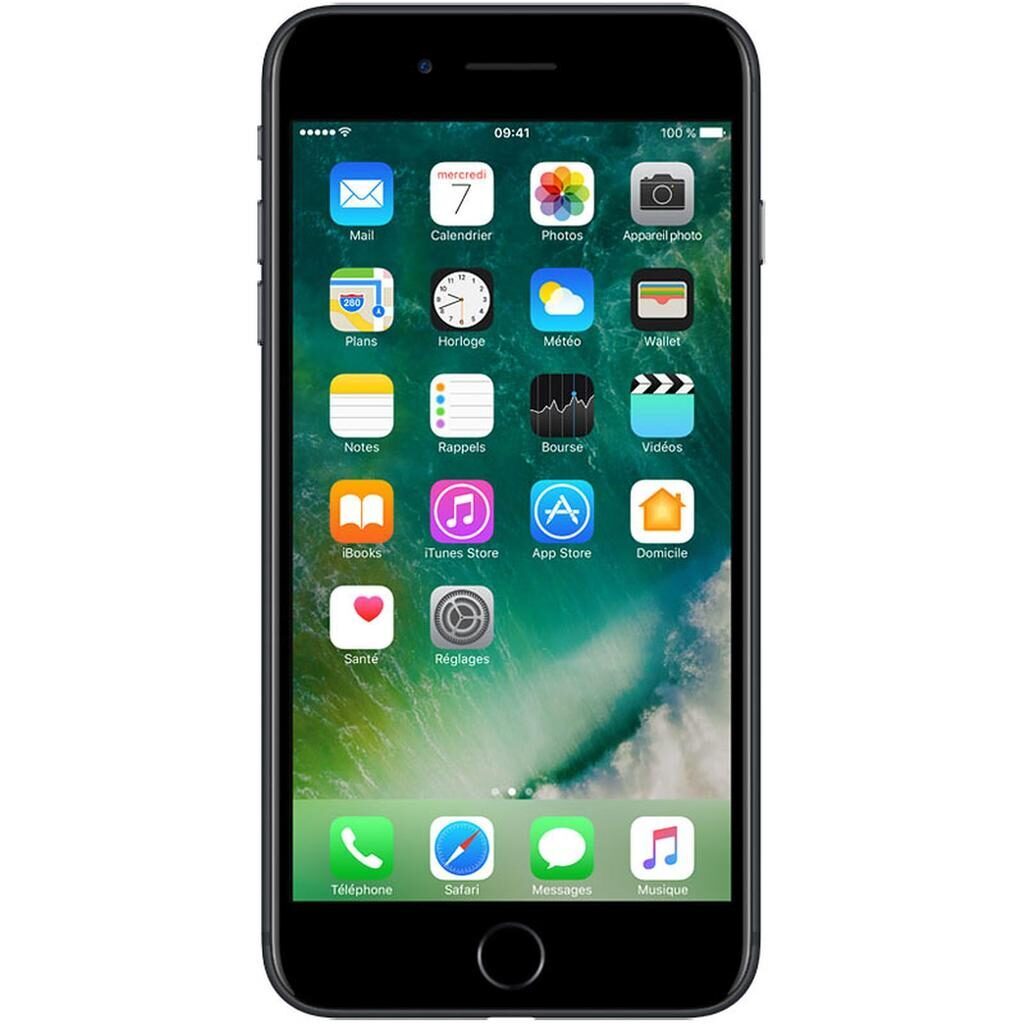
iPhone 7
Starting at
£66.24£179.00 new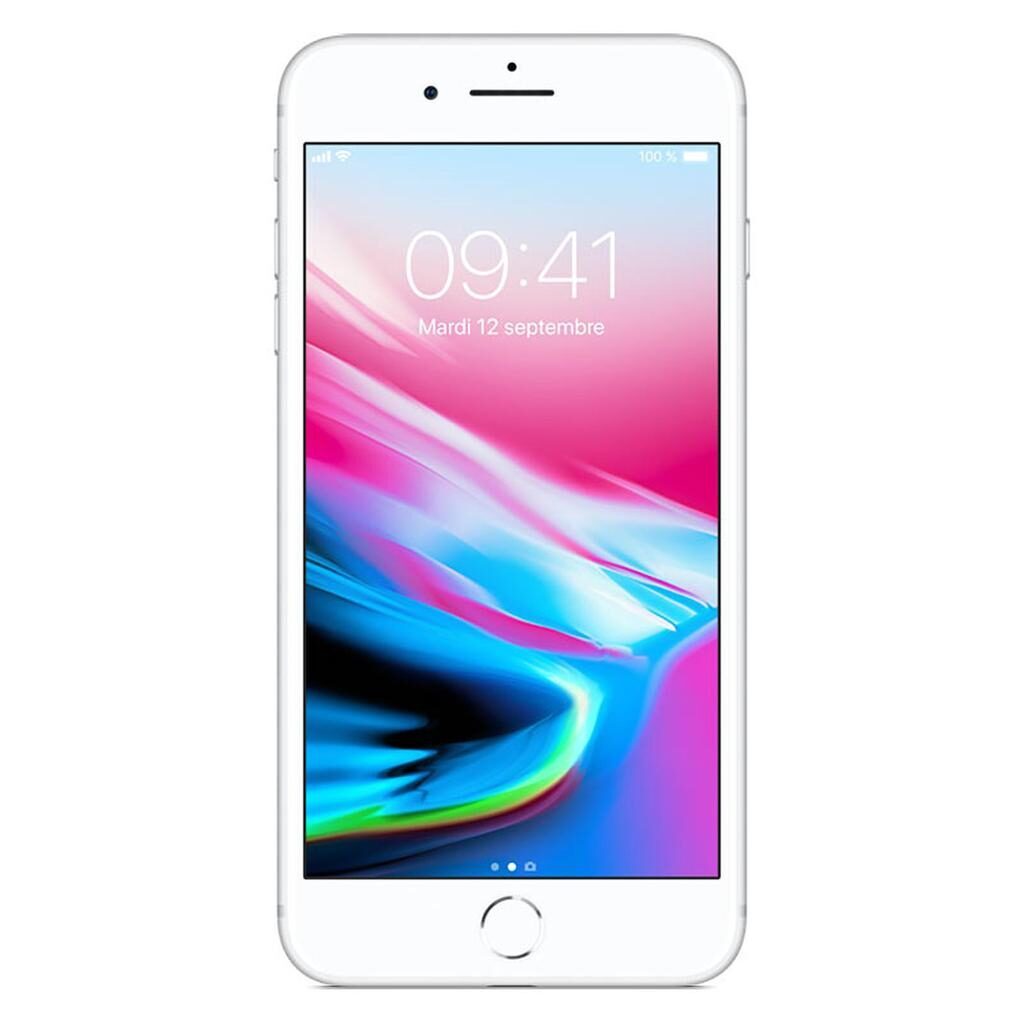
iPhone 8 Plus
Starting at
£100.56£399.00 newWhat's the difference between the iPhone 7 and iPhone 8 Plus?
iPhone 7 vs 8 Plus comes down to the chipset, RAM and battery. Refurbished, the iPhone 7 starts at £66.24, £34.32 less than the iPhone 8 Plus. The iPhone 8 Plus is the newer model, released in 2017.
Refurbished from
Chipset
RAM
Battery
Screen size
Software updates
- Chipset: Apple A10 Fusion (16 nm) on the iPhone 7, Apple A11 Bionic on the iPhone 8 Plus.
- The iPhone 8 Plus has more RAM: 3 GB vs 2 GB.
- The iPhone 8 Plus has a bigger battery: 2691 mAh vs 1960 mAh.
iPhone 7 vs iPhone 8 Plus specs
The iPhone 7 and iPhone 8 Plus differ mainly in size, screen resolution, battery capacity, performance, and storage options. The iPhone 7 is smaller and lighter with a 4.7 inch screen, making it comfortable for everyday use and easy handling. The iPhone 8 Plus offers a larger 5.5 inch Full HD display, more RAM, and a bigger battery, which suits users who want a roomier screen for video or multitasking. Choose the iPhone 7 for a compact, straightforward phone and the iPhone 8 Plus if you prefer a larger screen and more memory for apps.
iPhone 7 vs iPhone 8 Plus price
Colour
iPhone 7 vs iPhone 8 Plus battery life and software updates
Durability covers battery size and software support, important for daily use and device longevity. Battery capacity varies, affecting how long you can go between charges.
Battery Capacity
The iPhone 7 has a 1960 mAh battery which suits lighter daily use or users who prefer a smaller phone. The iPhone 8 Plus features a 2691 mAh battery, which supports longer usage between charges, making it better for heavier or extended use during the day.
Battery
Foldable
Ip rating
Software updates
Wireless charging
Year of release
iPhone 7 vs iPhone 8 Plus performance
Performance depends on processor power, memory, and storage options. These factors influence speed, multitasking, and how much data and apps you can keep on your phone.
Processor and RAM
The iPhone 7 runs on an Apple A10 Fusion chipset with 2 GB of RAM, suitable for everyday tasks and simpler app use. The iPhone 8 Plus uses an Apple A11 Bionic chipset with 3 GB of RAM, offering improved performance and smoother multitasking for users who run several apps at once.
Storage Options
The iPhone 7 is available with 32GB or 128GB of storage, fitting those who need standard space for apps and media. The iPhone 8 Plus offers 64GB and 256GB options, ideal if you want more room for photos, videos, and apps without worrying about space.
Chipset
RAM
iPhone 7 vs iPhone 8 Plus screen
Screen quality affects how you view content like videos, photos, or reading. The devices differ in screen size and resolution, impacting clarity and viewing area.
Screen Size
The iPhone 7 has a 4.7 inch screen, making it compact and easy to use with one hand. The iPhone 8 Plus has a larger 5.5 inch screen, offering more room for watching videos or browsing, which benefits users who prefer a bigger display.
Screen Resolution
The iPhone 7's resolution is 750 x 1334 pixels, matching its smaller size for clear display. The iPhone 8 Plus has a higher resolution of 1080 x 1920 pixels, delivering sharper images and more detail, especially noticeable on the larger screen.
Refresh rate
Resolution
Screen size
Screen type
iPhone 7 vs iPhone 8 Plus camera
Audiovisual features cover cameras and front-facing options, important for photos, video calls, and selfies. Both phones share the same camera megapixel counts.
Camera Megapixels
Both the iPhone 7 and iPhone 8 Plus have 7 megapixels on the front camera and 12 megapixels on the main camera. This means you can expect similar photo quality and selfie detail on either device.
Camera type
Front camera
Main camera
iPhone 7 vs iPhone 8 Plus size and design
Other practical differences include size, weight, and physical features that affect handling and portability.
Physical Dimensions
The iPhone 7 is 138.3 mm tall, 67.1 mm wide, and 7.1 mm deep, weighing 138 g, making it a lighter and smaller device for easy carrying. The iPhone 8 Plus measures 158.4 mm in height, 78.1 mm wide, and 7.5 mm deep, weighing 202 g, which suits users who are comfortable with a larger, heavier phone.
Carrier and SIM Compatibility
Both the iPhone 7 and iPhone 8 Plus are unlocked and use physical SIM cards, giving you freedom to choose your mobile network without restrictions.
Connector Type
Both phones use the Lightning connector, so your charging and accessory options will be similar for either device.
Carrier compatibility
Connector
Depth
Height
Mobile network
Release date
SD card slot
SIM card
Weight
Width
iPhone 7 or iPhone 8 Plus: which should you buy?
Buy the iPhone 7 if
- you want to spend less: it starts at £66.24, £34.32 less than the iPhone 8 Plus
- you want a lighter build (138 g vs 202 g)
Buy the iPhone 8 Plus if
- you want more RAM (3 GB vs 2 GB)
- you want a bigger battery (2691 mAh vs 1960 mAh)
- you want a bigger screen (5.5 inch vs 4.7 inch)
What our customers say
Customers appreciate the iPhone 7 for its excellent condition and ease of use. Many mention the battery life as good for daily use and the phone's compact size as convenient. Users who want a simple phone with a physical SIM card find the iPhone 7 easy to set up and reliable for calls and texts. Some customers note minor scratches on refurbished units but generally find the condition matches descriptions well. The iPhone 7 suits those who want a straightforward device without the need for the latest iOS updates.
Reviews for the iPhone 8 Plus highlight its larger screen and smooth performance for more demanding tasks such as gaming or staying connected with family. Customers value the phone's excellent condition and feel it works well despite not receiving the latest software updates. Some mention the battery life as variable and a few found unlocking issues. The iPhone 8 Plus is well suited for users who prefer a bigger display and more storage, especially for multimedia or multitasking.
Both devices attract buyers who want high-quality refurbished phones that look like new. The iPhone 7 is a good fit for those needing a smaller, simpler phone, while the iPhone 8 Plus appeals to those who want a larger screen and more memory for everyday use.
iPhone 7 vs iPhone 8 Plus FAQs
iPhone 7 vs 8 Plus comes down to the chipset, RAM and battery. Chipset: Apple A10 Fusion (16 nm) on the iPhone 7, Apple A11 Bionic on the iPhone 8 Plus. The iPhone 8 Plus has more RAM: 3 GB vs 2 GB.
The iPhone 7 is cheaper refurbished, from £66.24 compared with £100.56 for the iPhone 8 Plus.
The iPhone 8 Plus has a bigger battery: 2691 mAh vs 1960 mAh.
Both have the same main camera: 12 megapixels.
Updates for the iPhone 7 ended in Mar 2025. Its last version is iOS 15. Updates for the iPhone 8 Plus ended in Mar 2025. Its last version is iOS 16.
The iPhone 8 Plus adds more RAM (3 GB vs 2 GB), a bigger battery (2691 mAh vs 1960 mAh) and a bigger screen (5.5 inch vs 4.7 inch). Refurbished, it costs £34.32 more (from £100.56 vs £66.24).
Refurbished, the iPhone 7 comes in 32GB and 128GB, and the iPhone 8 Plus in 64GB and 256GB.