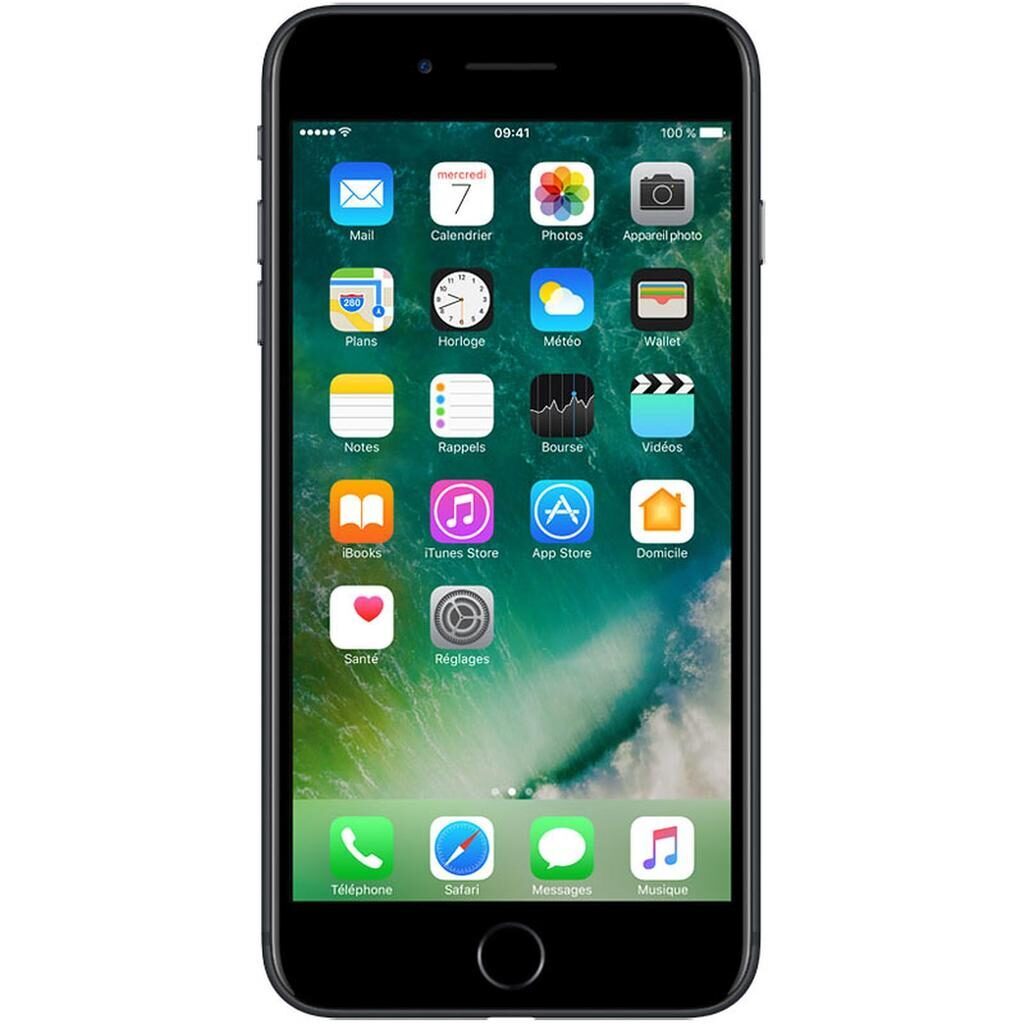
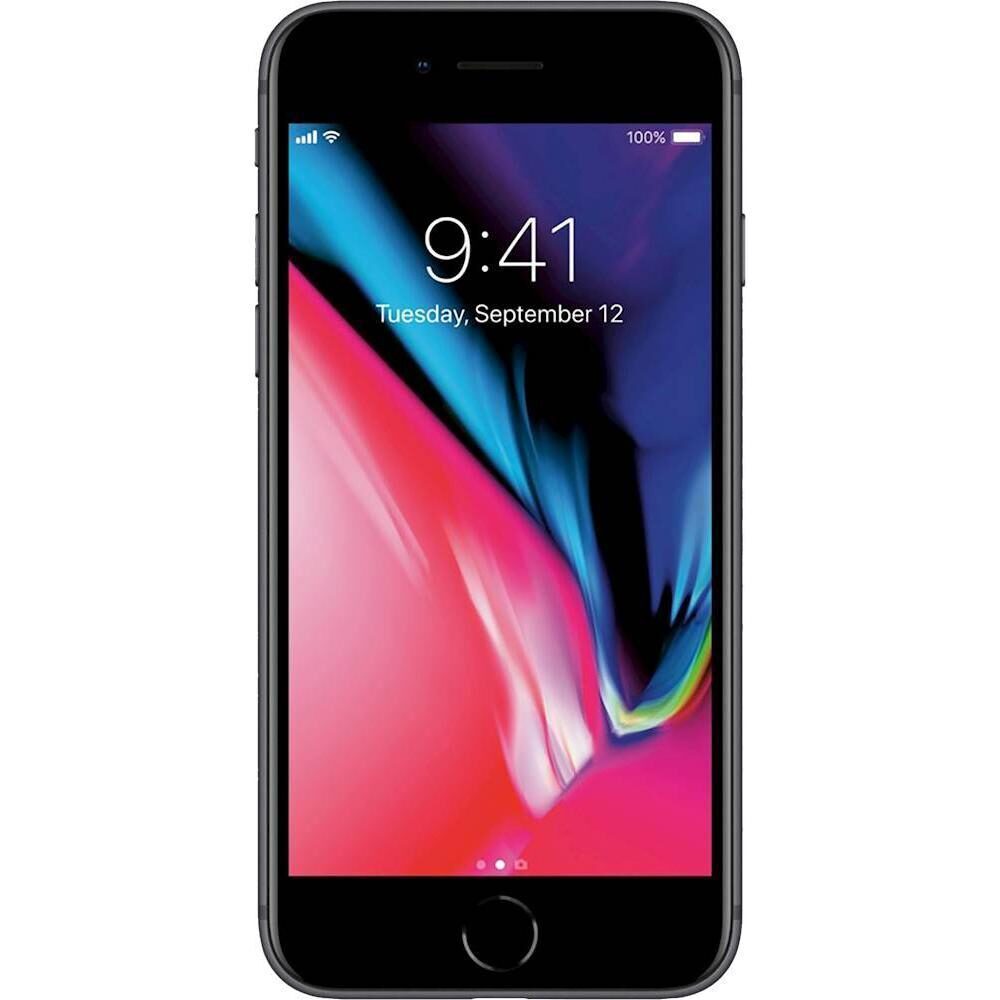
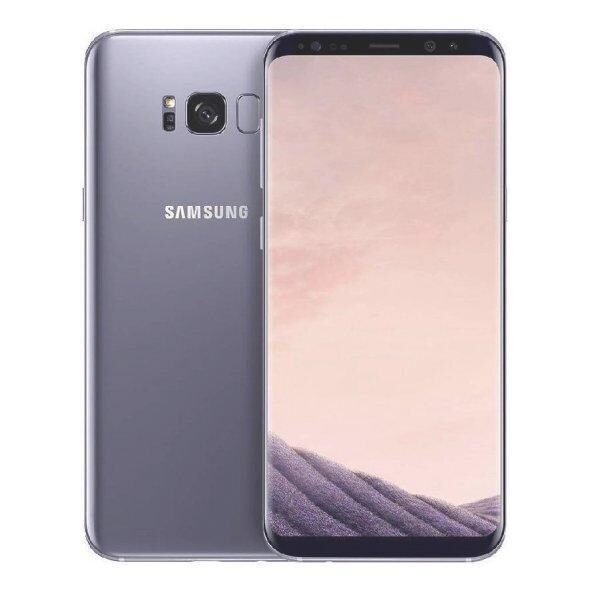
iPhone 7 vs iPhone SE (2016)
Shop iPhone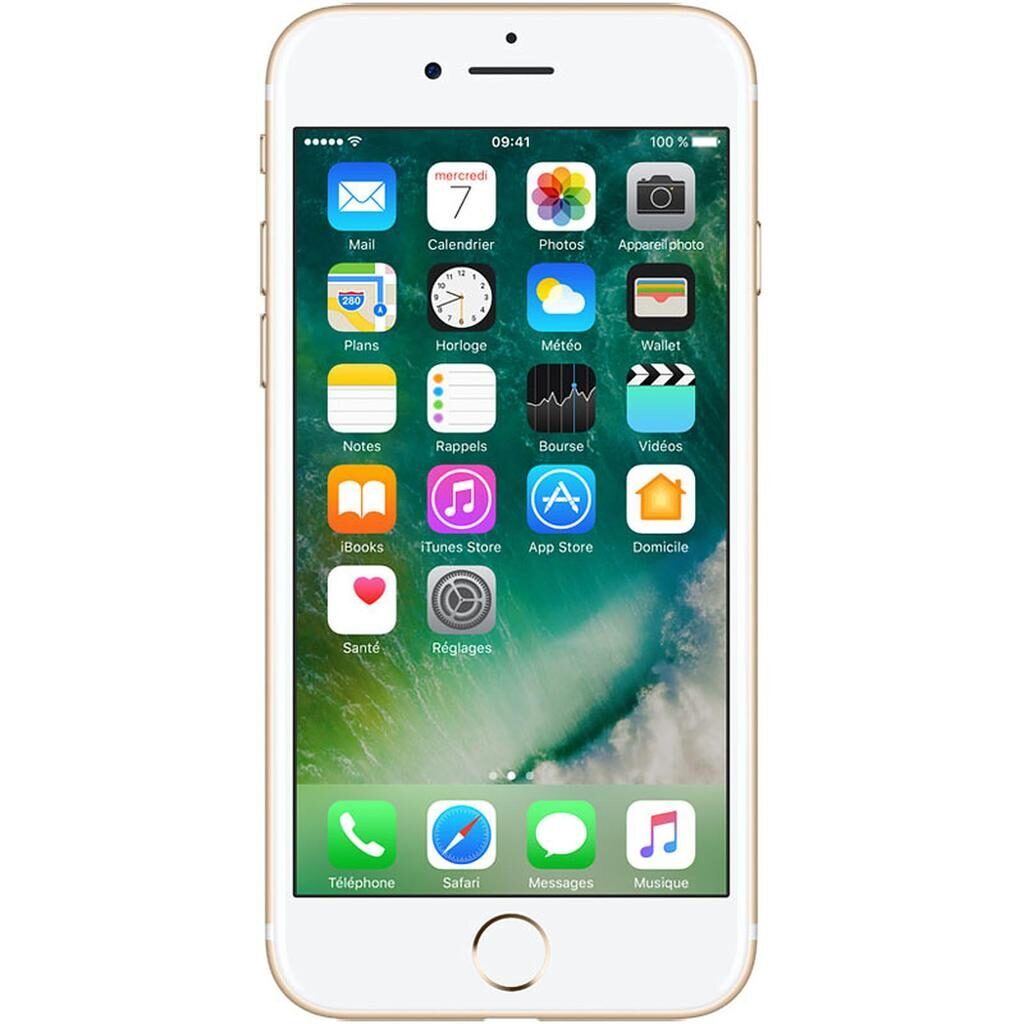
iPhone 7
Starting at
£66.24£179.00 new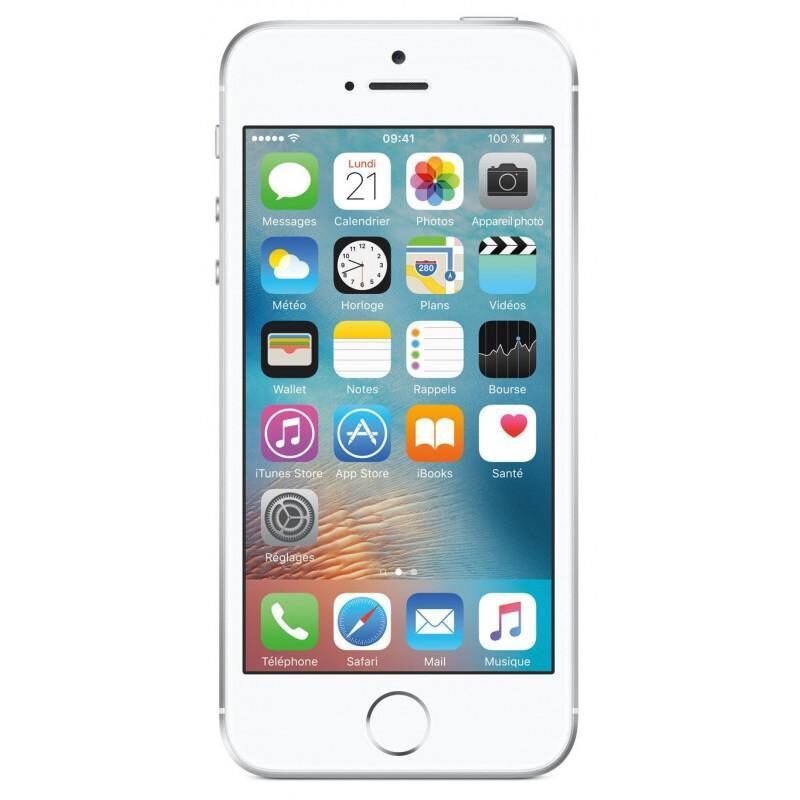
iPhone SE (2016)
Starting at
£192.40What's the difference between the iPhone 7 and iPhone SE (2016)?
iPhone 7 vs iPhone SE (2016) comes down to the chipset, battery and screen size. Refurbished, the iPhone 7 starts at £66.24, £126.16 less than the iPhone SE (2016).
Refurbished from
Chipset
Battery
Screen size
Screen type
Front camera
- Chipset: Apple A10 Fusion (16 nm) on the iPhone 7, Apple A9 (14 nm) on the iPhone SE (2016).
- The iPhone 7 has a bigger battery: 1960 mAh vs 1624 mAh.
- The iPhone 7 has a bigger screen: 4.7 inch vs 4 inch.
iPhone 7 vs iPhone SE (2016) specs
The iPhone 7 and iPhone SE (2016) both come from 2016 and share many features like iOS and physical SIM cards. The iPhone 7 offers a larger 4.7 inch screen with higher resolution and a stronger battery, making it suitable if you want a roomier display and longer battery life. The iPhone SE (2016) has a smaller 4 inch screen and a smaller battery but includes a 3.5mm headphone jack, which suits users who prefer wired headphones. Performance-wise, the iPhone 7 has a newer chipset while both have the same RAM. The front camera on the iPhone 7 is sharper, so it is better for selfies. Choose the iPhone 7 for more screen space and front camera detail, or the iPhone SE (2016) for a compact size and headphone jack.
iPhone 7 vs iPhone SE (2016) price
Colour
iPhone 7 vs iPhone SE (2016) battery life and software updates
Battery capacity and software support affect how long devices last during daily use and over time. Battery size can influence how long a device runs between charges.
Battery Capacity
The iPhone 7 has a 1960 mAh battery which means it can offer longer usage between charges, suitable for users who need more screen time or use their phone heavily during the day. The iPhone SE (2016) comes with a 1624 mAh battery, which fits those who prefer shorter usage sessions or carry a charger or power bank.
Battery
Foldable
Ip rating
Software updates
Year of release
iPhone 7 vs iPhone SE (2016) performance
Processor and memory determine how smoothly the device runs apps and handles multitasking. Storage options affect how much data and media you can keep on the phone.
Processor Power
The iPhone 7 uses the Apple A10 Fusion chipset, which is newer than the Apple A9 in the iPhone SE (2016). This difference means the iPhone 7 can handle everyday tasks and apps with slightly more efficiency, which benefits users who want a bit more speed in their phone for activities like browsing, social media, or light gaming.
RAM Size
Both phones have 2 GB of RAM. This amount keeps everyday apps running smoothly for basic use like messaging, calls, and browsing, suitable for users who do not require heavy multitasking.
Storage Options
The iPhone 7 is available with 32GB or 128GB of storage, giving users a choice between more affordable or more spacious options. The iPhone SE (2016) comes with 64GB, offering a middle ground suitable for those who want decent storage without multiple options.
Chipset
RAM
iPhone 7 vs iPhone SE (2016) screen
Screen size, resolution and type influence how much you see at once and the quality of images and text. Both devices use LCD technology but differ in size and sharpness.
Screen Size
The iPhone 7 features a 4.7 inch screen, providing a larger viewing area that suits watching videos, browsing, and reading. The iPhone SE (2016) has a 4 inch screen, which fits well in smaller hands and pockets, ideal for users who prefer a compact phone.
Resolution and Display Type
The iPhone 7 has a resolution of 750 x 1334 on a Retina IPS LCD screen, offering sharper images and text clarity. The iPhone SE (2016) has a resolution of 640 x 1136 with an IPS LCD screen, which still delivers clear visuals but with fewer pixels, suitable for everyday use where extreme detail is not essential.
Refresh rate
Resolution
Screen size
Screen type
iPhone 7 vs iPhone SE (2016) camera
Camera quality and audio connections affect how you capture photos and listen to media. Both phones have the same main camera resolution but differ in front camera and headphone options.
Front Camera Clarity
The iPhone 7 offers a 7 megapixel front camera, which captures more detail in selfies and video calls, beneficial for users who take frequent photos or use video chat. The iPhone SE (2016) has a 1.2 megapixel front camera, which suits basic selfie and video needs.
Headphone Connector
The iPhone SE (2016) includes a 3.5mm headphone jack alongside its Lightning connector, allowing you to use standard wired headphones without adapters. The iPhone 7 uses only a Lightning connector, which means you need Lightning or wireless headphones or an adapter for 3.5mm headphones.
Camera type
Front camera
Main camera
iPhone 7 vs iPhone SE (2016) size and design
Size, weight and connectivity details influence comfort and compatibility with accessories. Both phones support 4G and unlocked carriers but differ in dimensions and weight.
Dimensions and Weight
The iPhone SE (2016) is smaller and lighter, measuring 123.8 mm tall, 58.6 mm wide, 7.6 mm deep and weighing 113 g. This makes it easy to carry and use one-handed. The iPhone 7 is larger at 138.3 mm tall, 67.1 mm wide, 7.1 mm deep and weighs 138 g, fitting those who prefer a bigger device that still feels comfortable.
Carrier and SIM Compatibility
Both phones are unlocked and use physical SIM cards. This means they can work with most UK mobile networks and allow easy SIM swapping, suitable for users who want flexibility or travel.
Carrier compatibility
Connector
Depth
Height
Mobile network
SD card slot
SIM card
Weight
Width
iPhone 7 or iPhone SE (2016): which should you buy?
Buy the iPhone 7 if
- you want to spend less: it starts at £66.24, £126.16 less than the iPhone SE (2016)
- you want a bigger battery (1960 mAh vs 1624 mAh)
- you want a bigger screen (4.7 inch vs 4 inch)
Buy the iPhone SE (2016) if
- you want a lighter build (113 g vs 138 g)
- you want a headphone jack
What our customers say
Customers appreciate the iPhone 7 for its condition, battery life, and smooth performance. Many say the phone looks like new and feels quick, making it suitable for everyday use and simple tasks. Some mention the convenience of the physical SIM and a larger screen. A few note small scratches or minor issues but overall find the iPhone 7 reliable and good for basic phone needs.
The iPhone SE (2016) is popular with customers looking for a compact device. Reviews highlight good battery life and smooth performance for everyday tasks. Several customers are pleased with the phone's condition and value for money. The smaller size appeals to those who want a less bulky phone, and the included 64GB storage meets typical needs. Some users mention the size and features but say it fits their requirements well.
Overall, the iPhone 7 suits users wanting a larger screen and sharper front camera for everyday use. The iPhone SE (2016) is a good choice for those preferring a smaller, lighter phone with a headphone jack and solid performance for daily tasks.
iPhone 7 vs iPhone SE (2016) FAQs
iPhone 7 vs iPhone SE (2016) comes down to the chipset, battery and screen size. Chipset: Apple A10 Fusion (16 nm) on the iPhone 7, Apple A9 (14 nm) on the iPhone SE (2016). The iPhone 7 has a bigger battery: 1960 mAh vs 1624 mAh.
The iPhone 7 is cheaper refurbished, from £66.24 compared with £192.40 for the iPhone SE (2016).
The iPhone 7 has a bigger battery: 1960 mAh vs 1624 mAh.
Both have the same main camera: 12 megapixels.
Updates for the iPhone 7 ended in Mar 2025. Its last version is iOS 15. Updates for the iPhone SE (2016) ended in Mar 2025. Its last version is iOS 15.
Refurbished, the iPhone 7 comes in 32GB and 128GB, and the iPhone SE (2016) in 64GB.