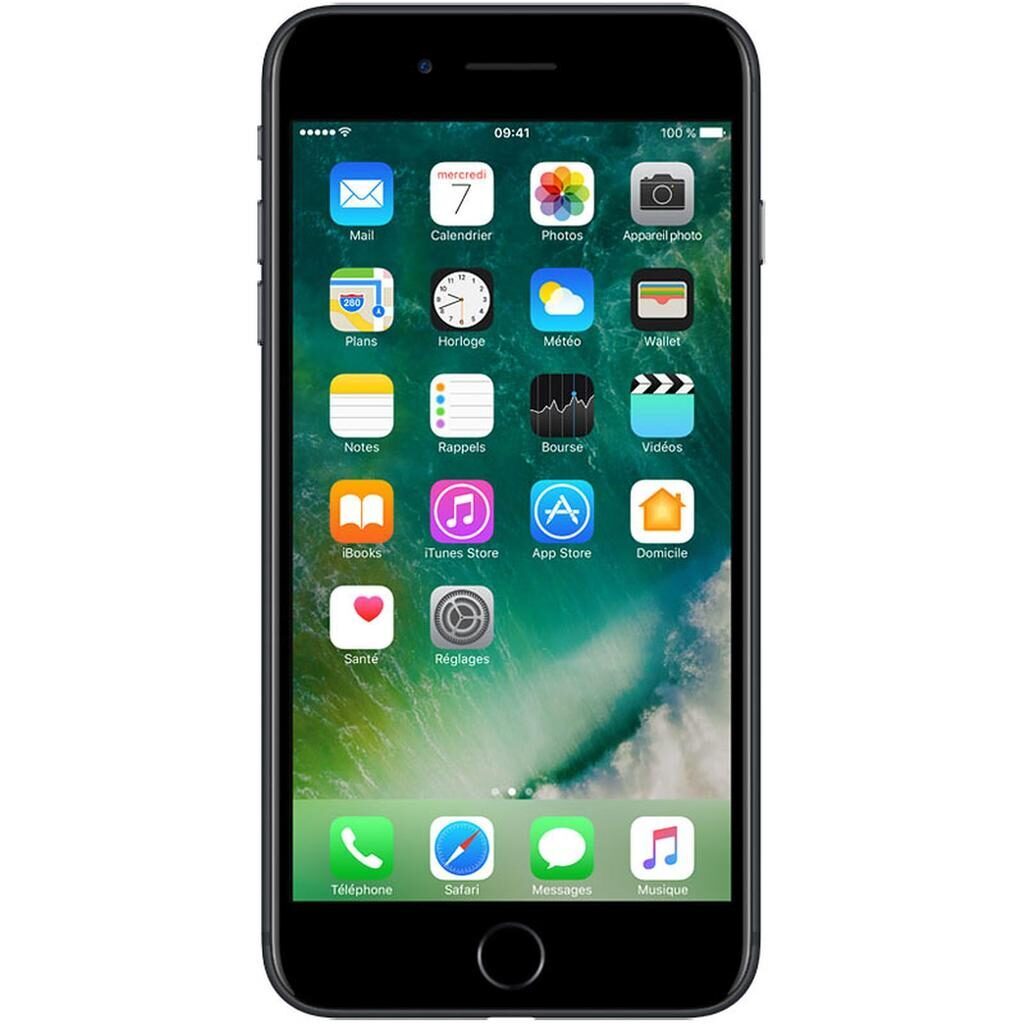
iPhone 7 vs iPhone 8
Shop iPhone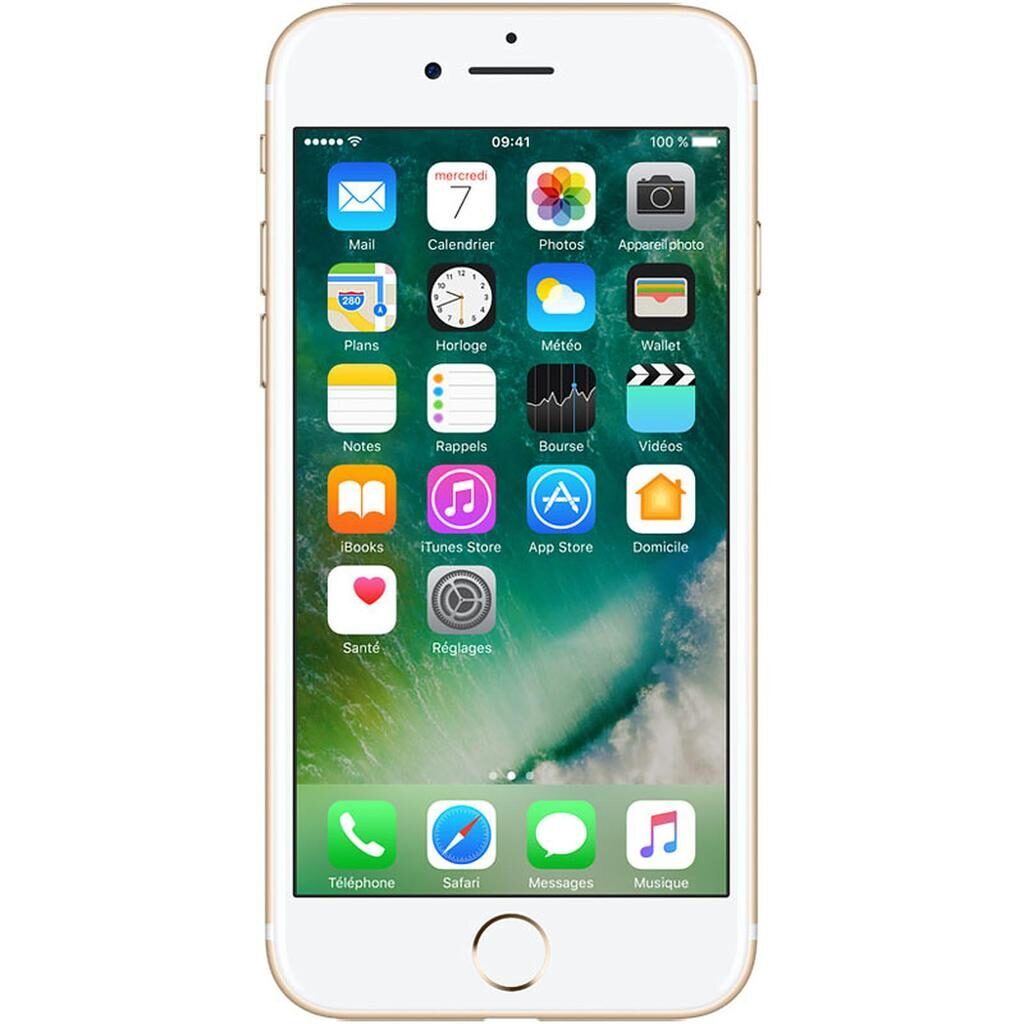
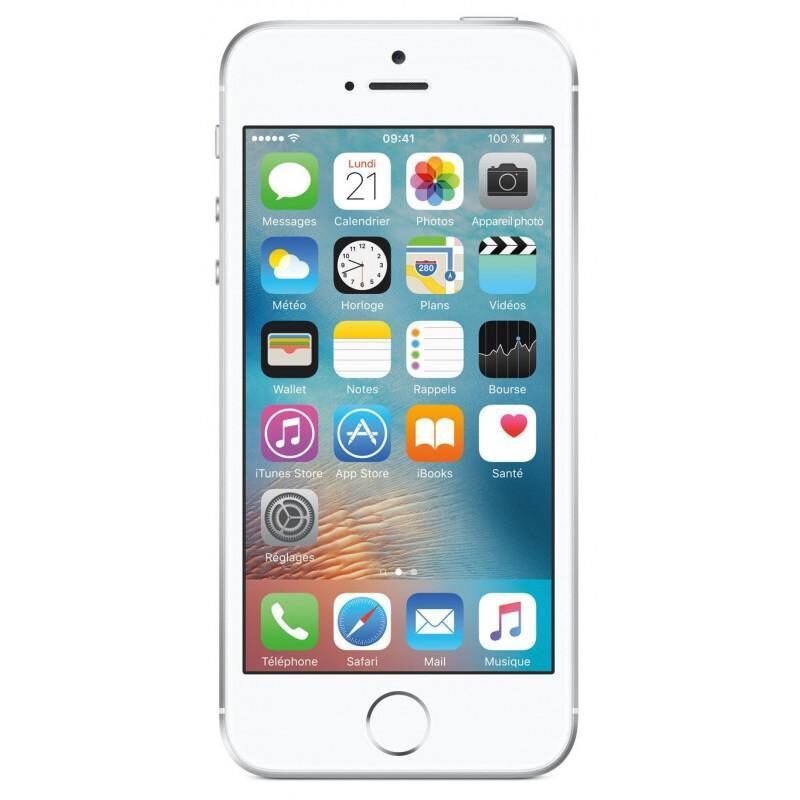
iPhone 7
Starting at
£66.24£179.00 new
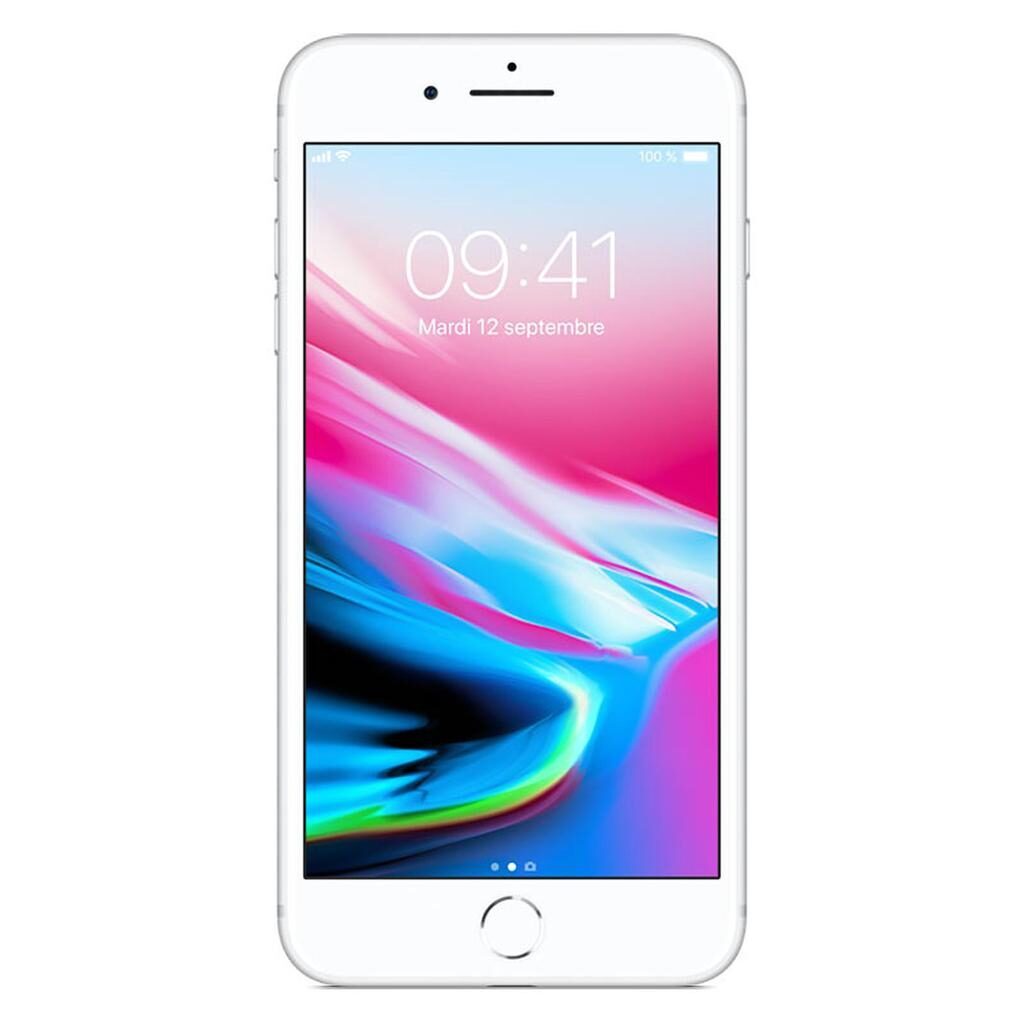
iPhone 8
Starting at
£90.00£399.00 newWhat's the difference between the iPhone 7 and iPhone 8?
iPhone 7 vs 8 comes down to the chipset, battery and software updates. Refurbished, the iPhone 7 starts at £66.24, £23.76 less than the iPhone 8. The iPhone 8 is the newer model, released in 2017.
Refurbished from
Chipset
Battery
Software updates
Weight
- Chipset: Apple A10 Fusion (16 nm) on the iPhone 7, Apple A11 Bionic on the iPhone 8.
- The iPhone 7 has a bigger battery: 1960 mAh vs 1821 mAh.
- Software updates: Ended Mar 2025, last iOS 15 on the iPhone 7, Ended Mar 2025, last iOS 16 on the iPhone 8.
iPhone 7 vs iPhone 8 specs
The iPhone 7 and iPhone 8 share many features, including screen size, resolution, cameras, and RAM, making them both solid choices for everyday use. The iPhone 8 has a newer chipset, the Apple A11 Bionic, which offers better performance for those who want smoother operation or more power for apps. Storage options on the iPhone 8 start at 64GB and go up to 256GB, providing more space for apps and media compared to the iPhone 7. The iPhone 7 offers a larger battery capacity and is lighter, which might suit users prioritising battery life or portability. Both devices are unlocked and support 4G, with physical SIM cards. Choose the iPhone 7 for a simpler, lower priced option with good battery capacity, or the iPhone 8 for improved performance and storage variety.
iPhone 7 vs iPhone 8 price
Colour
iPhone 7 vs iPhone 8 battery life and software updates
Durability covers battery capacity, software updates, and physical dimensions. These affect how long the phone lasts on a charge and how it fits in your hand or pocket.
Battery Capacity
The iPhone 7 has a battery capacity of 1960 mAh, which is higher than the iPhone 8's 1821 mAh. This means the iPhone 7 may last longer between charges, making it suitable if longer battery life is a priority for your daily use.
Physical Size And Weight
The iPhone 7 is slightly lighter at 138 g compared to the iPhone 8's 148 g. The iPhone 8 is also marginally thicker and taller by a fraction of a centimetre. These small differences might affect comfort if you prefer a lighter, slimmer phone.
Battery
Foldable
Ip rating
Software updates
Wireless charging
Year of release
iPhone 7 vs iPhone 8 performance
Performance depends on the chipset, RAM, and storage options. These influence how quickly the phone runs apps, manages multitasking, and how much data you can store.
Chipset
The iPhone 7 features the Apple A10 Fusion chipset, while the iPhone 8 has the newer Apple A11 Bionic. The iPhone 8's chipset offers more processing power, which benefits users running demanding apps or multitasking frequently.
RAM
Both devices have 2 GB of RAM, which is suitable for everyday tasks and standard app use. RAM size means both phones handle similar amounts of background activity without slowing down.
Storage Options
The iPhone 7 is available in 32GB and 128GB options, while the iPhone 8 offers 64GB, 128GB, and 256GB. If you need more space for apps, photos, or media, the iPhone 8 provides more capacity choices.
Chipset
RAM
iPhone 7 vs iPhone 8 screen
Screen quality affects how you see images, videos, and text. Both phones share the same size and resolution, so differences here are minimal.
Display Size And Resolution
Both the iPhone 7 and iPhone 8 have a 4.7 inch Retina IPS LCD screen with a resolution of 750 x 1334 pixels. This provides a sharp and clear display suitable for video, browsing, and everyday use.
Refresh rate
Resolution
Screen size
Screen type
iPhone 7 vs iPhone 8 camera
Camera and front camera quality influence your photos and video calls. Both phones offer the same megapixel counts, so image detail is comparable.
Main And Front Cameras
The iPhone 7 and iPhone 8 both have a 12 megapixel main camera and a 7 megapixel front camera. This means you can expect similar photo quality and selfie resolution from either device.
Front camera
Main camera
iPhone 7 vs iPhone 8 size and design
This section covers features like network compatibility, connectors, and physical design details that affect everyday convenience and use.
Network And SIM
Both phones support 4G mobile networks and use physical SIM cards. Both are unlocked, so you can choose your carrier freely, which suits anyone wanting flexibility in network choice.
Connector Type
Both the iPhone 7 and iPhone 8 use the Lightning connector for charging and accessories. This means your existing Lightning cables and chargers will work with either phone.
Dimensions And Weight
The iPhone 7 measures 138.3 mm in height, 67.1 mm in width, and 7.1 mm in depth, weighing 138 g. The iPhone 8 is slightly larger at 138.4 mm by 67.3 mm by 7.3 mm and weighs 148 g, which might feel a little more substantial in the hand.
Carrier compatibility
Connector
Depth
Height
Mobile network
Release date
SD card slot
SIM card
Weight
Width
iPhone 7 or iPhone 8: which should you buy?
Buy the iPhone 7 if
- you want to spend less: it starts at £66.24, £23.76 less than the iPhone 8
- you want a bigger battery (1960 mAh vs 1821 mAh)
- you want a lighter build (138 g vs 148 g)
Buy the iPhone 8 if
- you want the newer model (2017)
What our customers say
Customers say the iPhone 7 looks like new and often praise its battery life and ease of use for everyday tasks. Some find it ideal as a simple phone or backup device, with quick setup and physical SIM card convenience. The condition of refurbished units is generally good, though a few reports mention minor scratches. Most users are happy with the screen and speed, describing the phone as quick enough for daily use.
For the iPhone 8, customers appreciate the phone's nearly new condition and good battery health. The larger storage options are valued by those with many apps or photos. Many users note smooth performance and solid build quality. Some mention minor marks but say these do not affect usability. The iPhone 8 is often chosen for work or as a gift, with positive remarks on ease of data transfer and reliable operation.
Overall, the iPhone 7 suits those looking for a lighter, lower priced phone with a good battery and straightforward features. The iPhone 8 fits users who want stronger performance and more storage, with a slightly heavier but solid device.
iPhone 7 vs iPhone 8 FAQs
iPhone 7 vs 8 comes down to the chipset, battery and software updates. Chipset: Apple A10 Fusion (16 nm) on the iPhone 7, Apple A11 Bionic on the iPhone 8. The iPhone 7 has a bigger battery: 1960 mAh vs 1821 mAh.
The iPhone 7 is cheaper refurbished, from £66.24 compared with £90 for the iPhone 8.
The iPhone 7 has a bigger battery: 1960 mAh vs 1821 mAh.
Both have the same main camera: 12 megapixels.
Updates for the iPhone 7 ended in Mar 2025. Its last version is iOS 15. Updates for the iPhone 8 ended in Mar 2025. Its last version is iOS 16.
The iPhone 8 is newer, but the main specs we compare are the same. Refurbished, it costs £23.76 more (from £90 vs £66.24).
Refurbished, the iPhone 7 comes in 32GB and 128GB, and the iPhone 8 in 64GB, 128GB and 256GB.