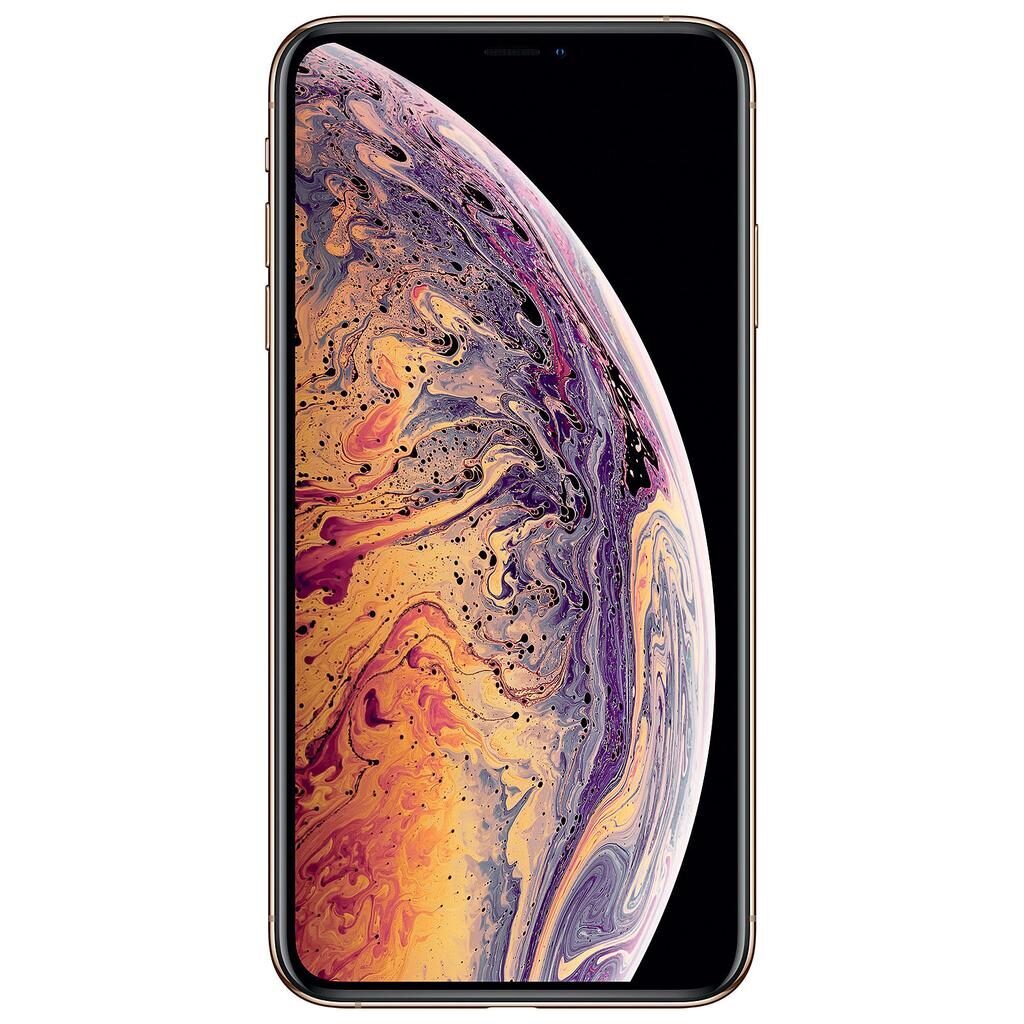
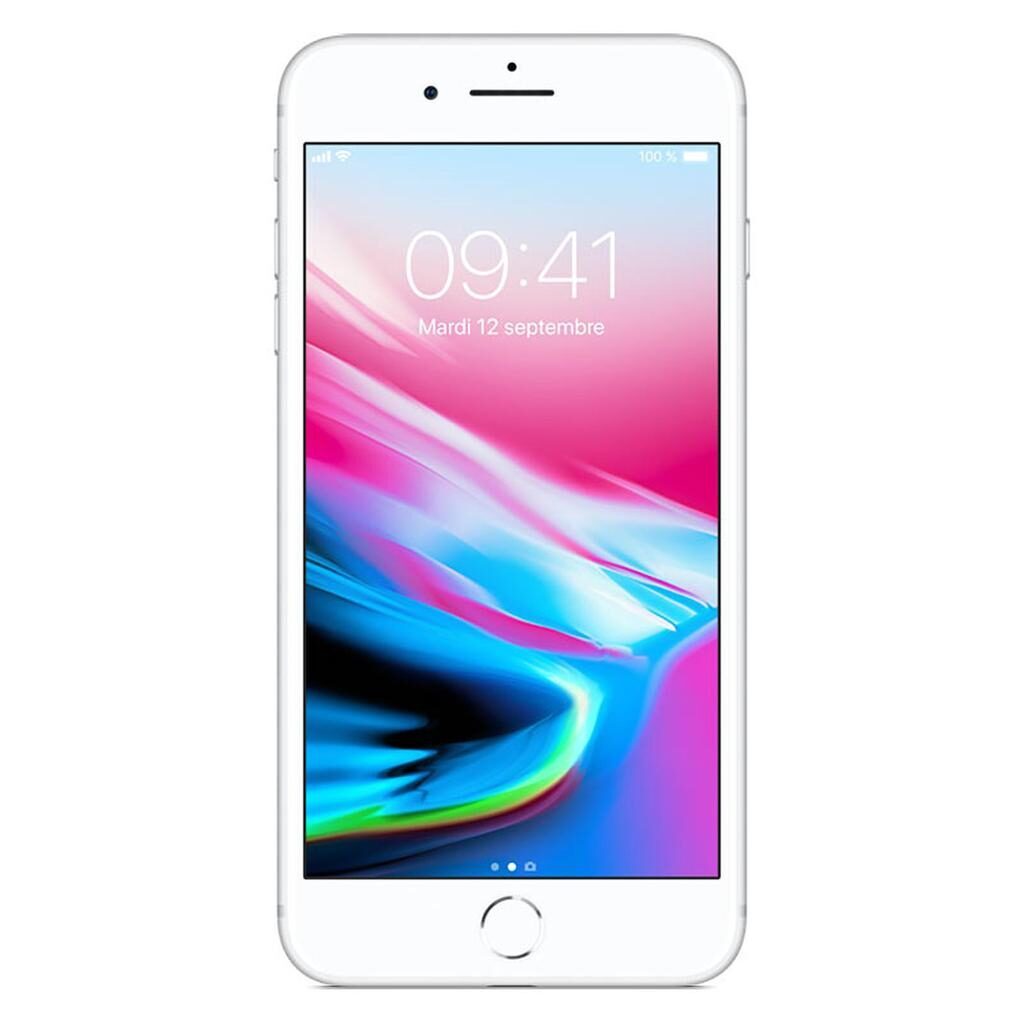
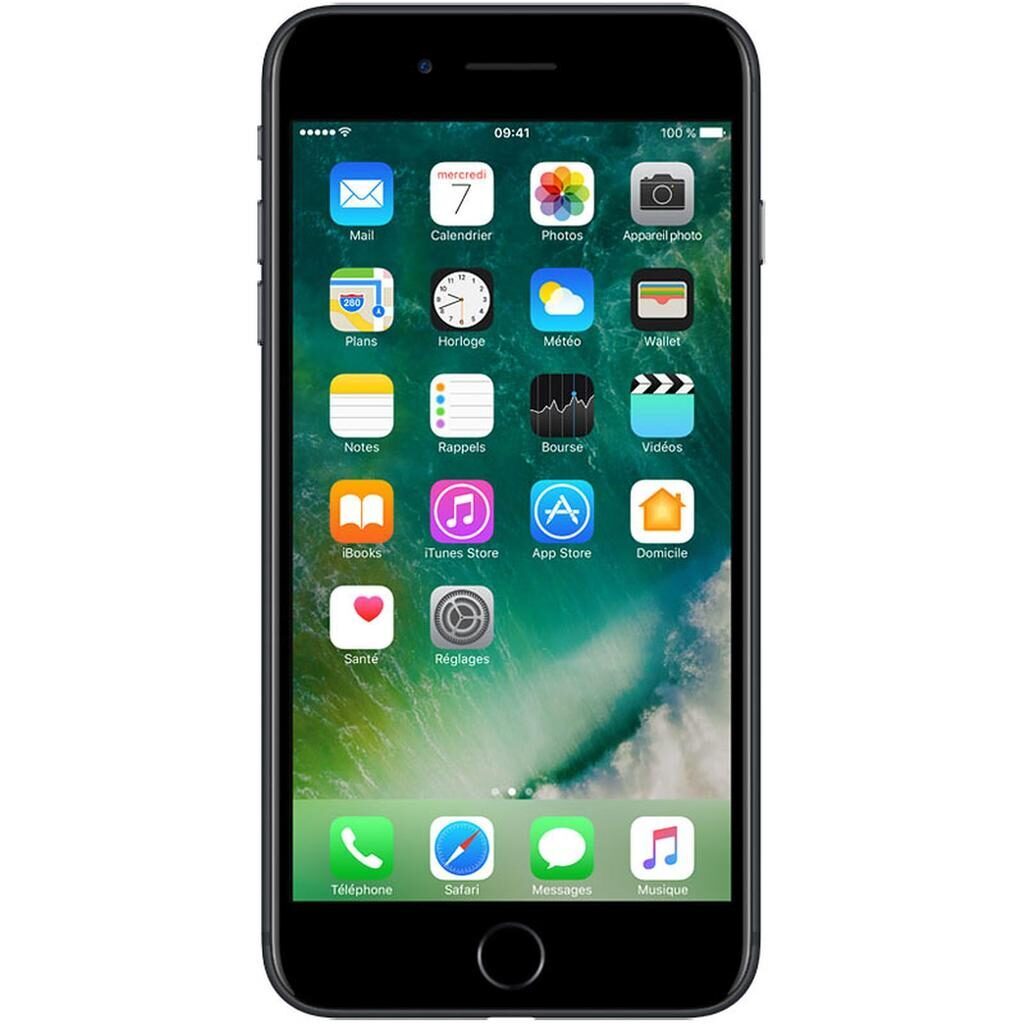
iPhone 8 vs iPhone X
Shop iPhone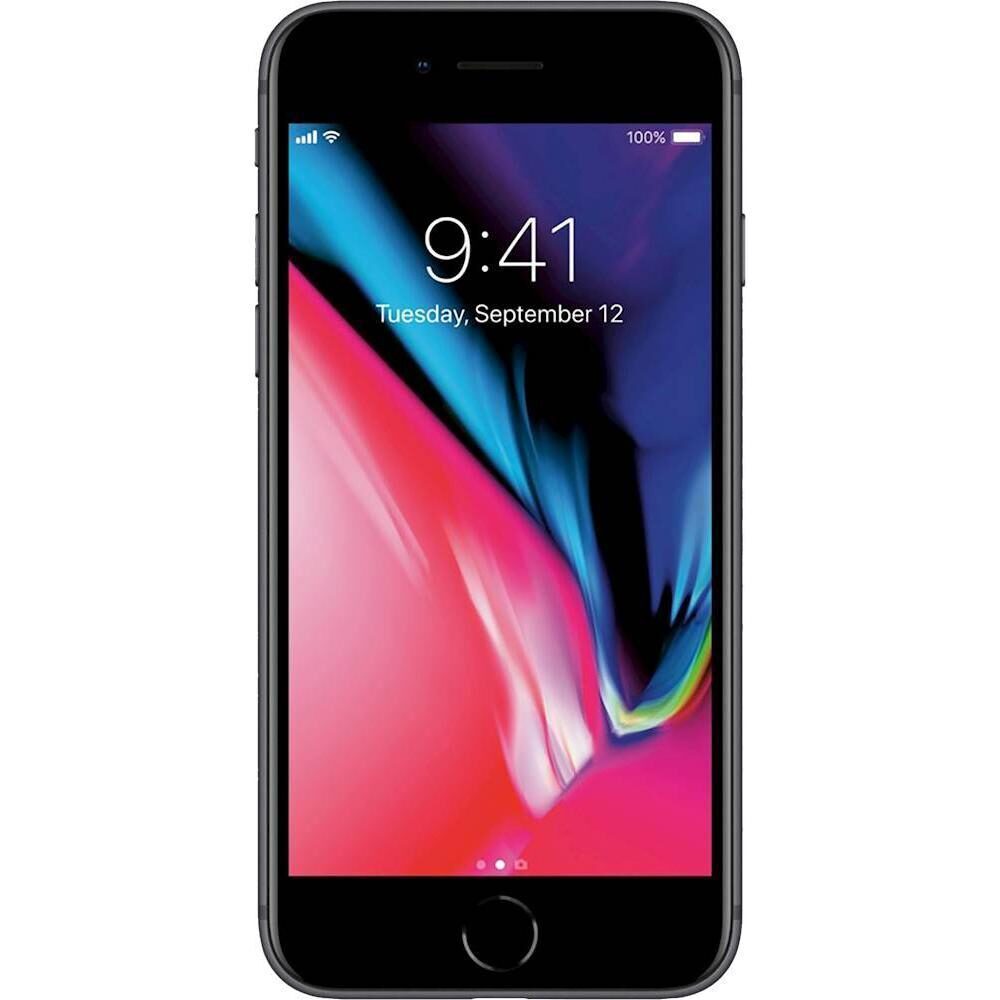
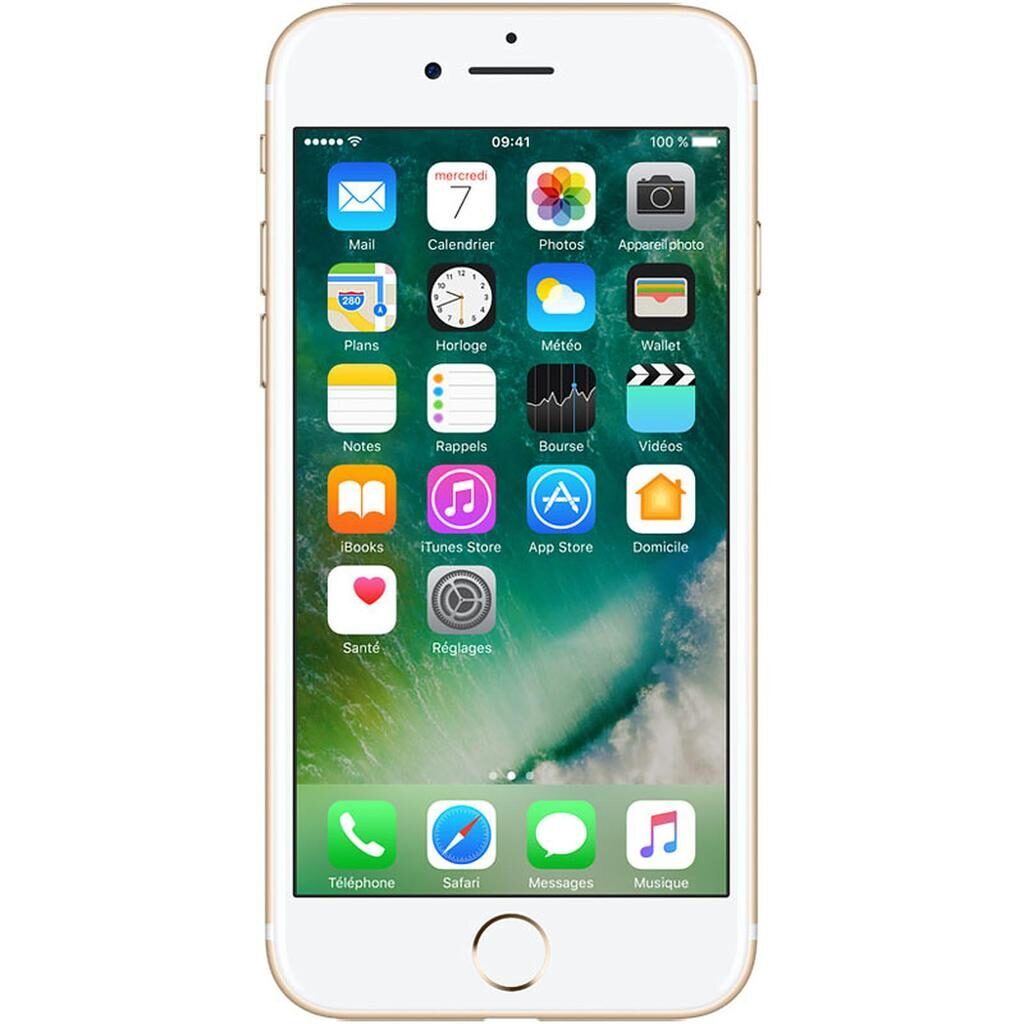
iPhone 8
Starting at
£90.00£399.00 new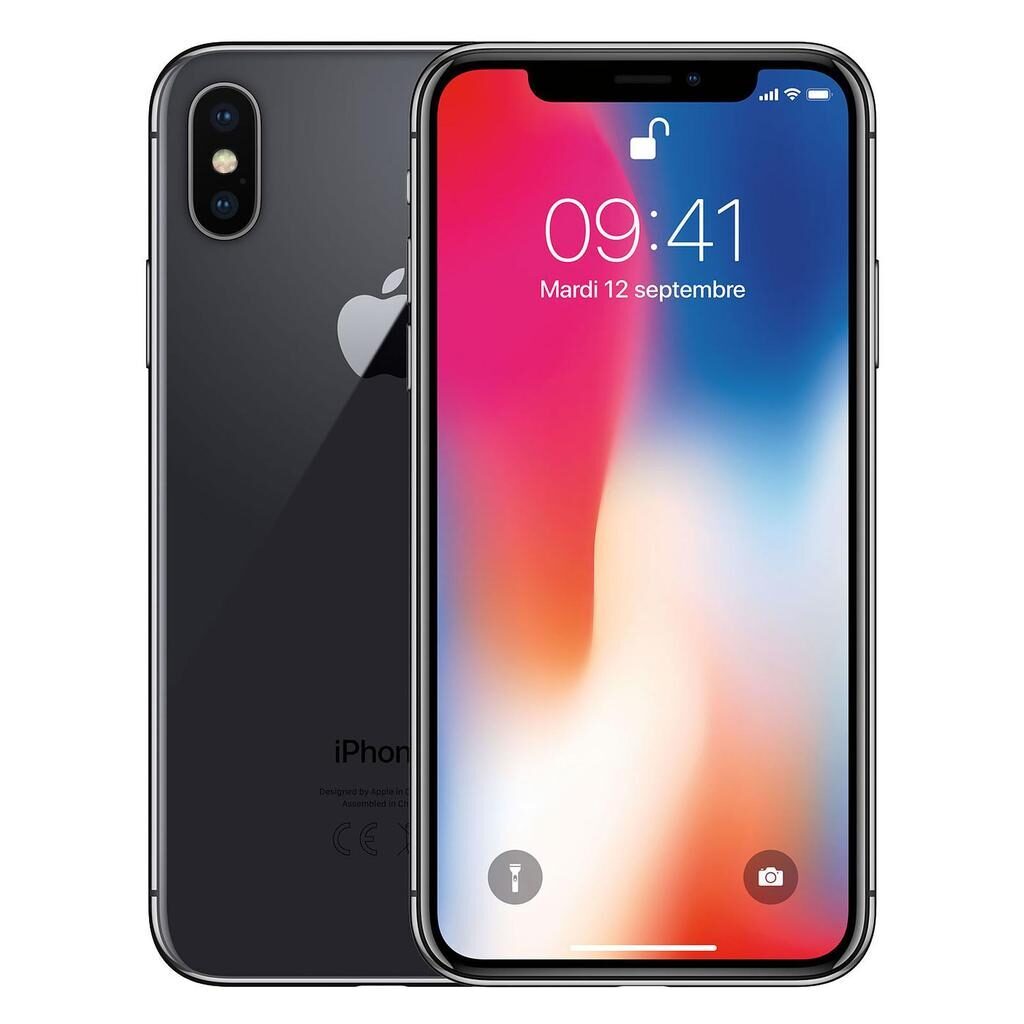
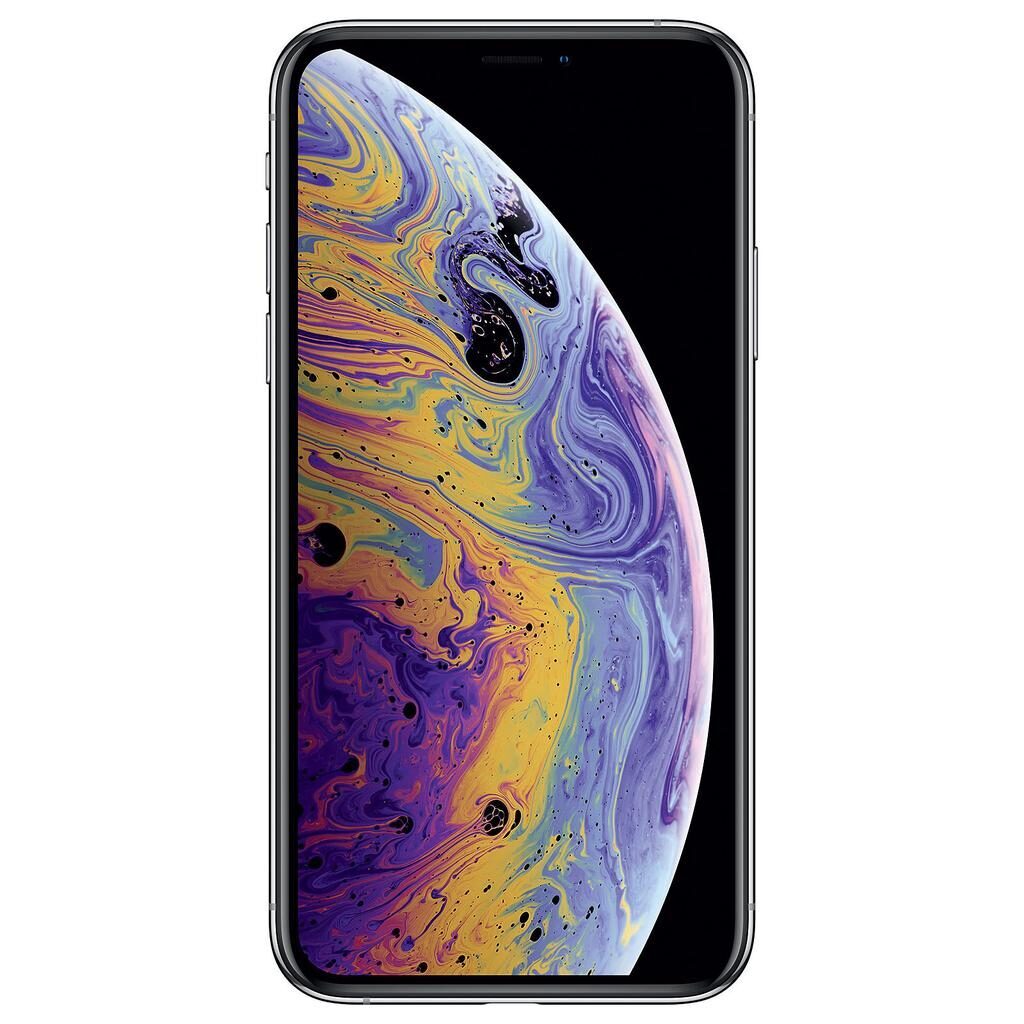
iPhone X
Starting at
£121.10£449.00 newWhat's the difference between the iPhone 8 and iPhone X?
iPhone 8 vs X comes down to the chipset, RAM and battery. Refurbished, the iPhone 8 starts at £90, £31.10 less than the iPhone X.
Refurbished from
Chipset
RAM
Battery
Screen size
Screen type
- Chipset: Apple A11 Bionic on the iPhone 8, Apple A11 Bionic (10 nm) on the iPhone X.
- The iPhone X has more RAM: 3 GB vs 2 GB.
- The iPhone X has a bigger battery: 2716 mAh vs 1821 mAh.
iPhone 8 vs iPhone X specs
The iPhone 8 and iPhone X both came out in 2017 and share the same Apple A11 Bionic chipset, but they differ in memory, screen, battery, and storage options. The iPhone X has more RAM and a larger, higher resolution OLED screen, making it well suited for users who want a more immersive display and smoother multitasking. The iPhone 8 offers a smaller LCD screen with fewer gigabytes of RAM, which works well for everyday use and those who prefer a compact device. Battery capacity is higher in the iPhone X, which benefits heavier users. Storage options vary, with the iPhone 8 available in three sizes and the iPhone X in two. Both phones are unlocked and support 4G networks.
iPhone 8 vs iPhone X price
Colour
iPhone 8 vs iPhone X battery life and software updates
Battery life and software support are important durability factors. Both phones share the same release year and operating system family, but their battery capacities differ.
Battery Capacity
The iPhone 8 has a battery capacity of 1821 mAh, which suits users with moderate daily use. The iPhone X has a larger 2716 mAh battery, better for those who need longer use between charges or use power-hungry apps.
Battery
Foldable
Ip rating
Software updates
Wireless charging
Year of release
iPhone 8 vs iPhone X performance
Both devices run on the Apple A11 Bionic chipset and use iOS, but they differ in RAM and storage options, which affect multitasking and space for apps and files.
Memory
The iPhone 8 has 2 GB of RAM, suitable for typical daily tasks and standard app use. The iPhone X offers 3 GB of RAM, which helps keep more apps running smoothly in the background and can improve performance in demanding tasks.
Storage
The iPhone 8 comes in 64GB, 128GB, and 256GB versions, giving more flexibility for choosing storage size. The iPhone X is stocked in 64GB and 256GB, which covers basic needs and plenty of space for large app collections or media.
Chipset
RAM
iPhone 8 vs iPhone X screen
Screen quality greatly influences viewing experience. The iPhone 8 and iPhone X vary in screen size, resolution, and panel technology, which affect clarity and colour richness.
Screen Size and Resolution
The iPhone 8 has a 4.7 inch screen with 750 x 1334 resolution, offering a compact display good for one-handed use and everyday activities. The iPhone X features a larger 5.8 inch screen with a higher resolution of 1125 x 2436, providing more space for videos, games, and multitasking.
Screen Type
The iPhone 8 uses a Retina IPS LCD screen, which delivers clear images with accurate colours ideal for regular use. The iPhone X's Super Retina OLED screen brings deeper blacks and more vibrant colours, suiting users who prioritise richer visuals.
Resolution
Screen size
Screen type
iPhone 8 vs iPhone X camera
Camera and front-facing camera specs are the same on both devices, meaning photo quality and selfie performance are comparable.
Camera Detail
Both the iPhone 8 and iPhone X have a 12 megapixel main camera and a 7 megapixel front camera, so users who focus on photography or video calls can expect similar levels of detail and clarity.
Camera type
Front camera
Main camera
iPhone 8 vs iPhone X size and design
Physical dimensions and connectivity options vary slightly between the two phones, affecting handling and feel.
Size and Weight
The iPhone 8 is smaller and lighter with dimensions of 138.4 mm by 67.3 mm by 7.3 mm and a weight of 148 g, suitable for users who want a compact phone. The iPhone X measures 143.6 mm by 70.9 mm by 7.7 mm and weighs 174 g, making it larger and heavier but offering more screen space.
Network and SIM
Both phones support 4G mobile networks and use a physical SIM card. They are unlocked, allowing use with any compatible network carrier.
Connector
Both devices use the Lightning connector for charging and accessories, maintaining compatibility with the same cables.
Carrier compatibility
Connector
Depth
Height
Mobile network
Release date
SD card slot
SIM card
Weight
Width
iPhone 8 or iPhone X: which should you buy?
Buy the iPhone 8 if
- you want to spend less: it starts at £90, £31.10 less than the iPhone X
- you want a lighter build (148 g vs 174 g)
Buy the iPhone X if
- you want more RAM (3 GB vs 2 GB)
- you want a bigger battery (2716 mAh vs 1821 mAh)
- you want a bigger screen (5.8 inch vs 4.7 inch)
What our customers say
Customers say the iPhone 8 looks like new and has great battery health, making it a solid choice for everyday use. Many appreciate its solid feel and smooth performance for typical apps. Some mention the battery lasts well with moderate use, though heavy users may need to charge by evening. The screen and camera meet expectations for general photography and video calls. Overall, customers find the iPhone 8 reliable and suitable for work or casual use.
Reviews for the iPhone X highlight its smooth performance and excellent screen quality. Users enjoy the larger, vibrant display and find the battery capacity supports a full day of use. The camera and front camera deliver good detail, matching the iPhone 8. Customers mention the phone looks and feels like new, with some noting minimal marks only visible on close inspection. The iPhone X suits those who want a larger screen and more RAM for multitasking.
Both devices are recommended for buyers who want dependable refurbished phones. The iPhone 8 fits those seeking a compact, straightforward experience, while the iPhone X is better for users who want a bigger, sharper screen and extra memory for apps.
iPhone 8 vs iPhone X FAQs
iPhone 8 vs X comes down to the chipset, RAM and battery. Chipset: Apple A11 Bionic on the iPhone 8, Apple A11 Bionic (10 nm) on the iPhone X. The iPhone X has more RAM: 3 GB vs 2 GB.
The iPhone 8 is cheaper refurbished, from £90 compared with £121.10 for the iPhone X.
The iPhone X has a bigger battery: 2716 mAh vs 1821 mAh.
Both have the same main camera: 12 megapixels.
Updates for the iPhone 8 ended in Mar 2025. Its last version is iOS 16. Updates for the iPhone X ended in Mar 2025. Its last version is iOS 16.
Refurbished, the iPhone 8 comes in 64GB, 128GB and 256GB, and the iPhone X in 64GB and 256GB.