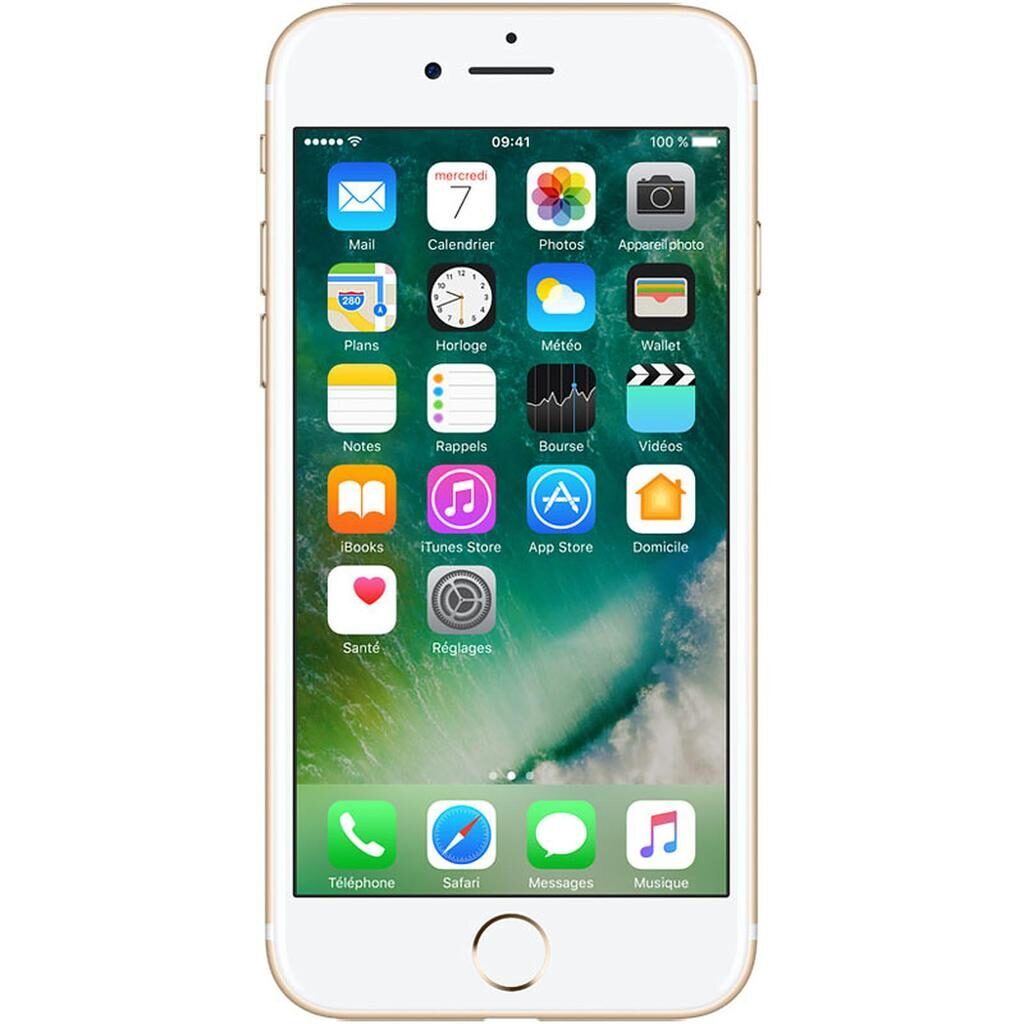
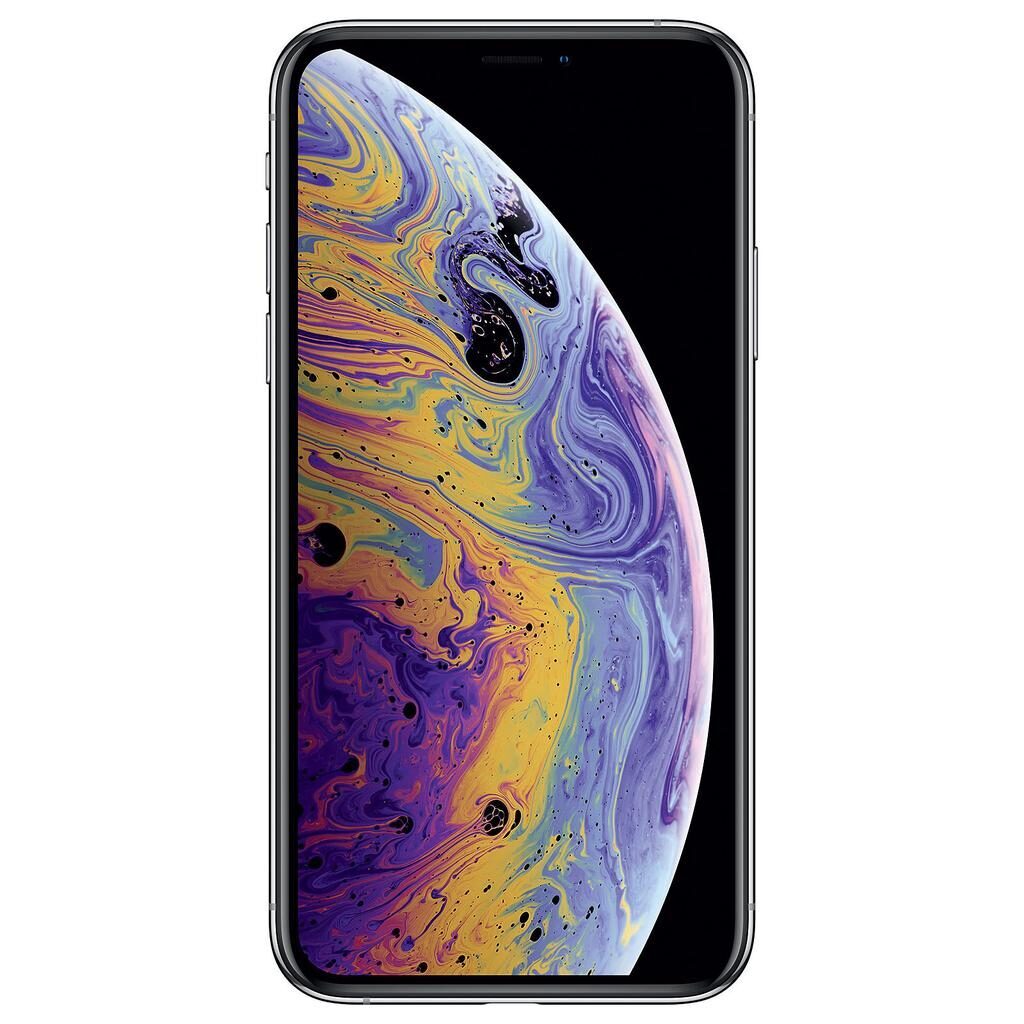
iPhone X vs iPhone XS Max
Shop iPhone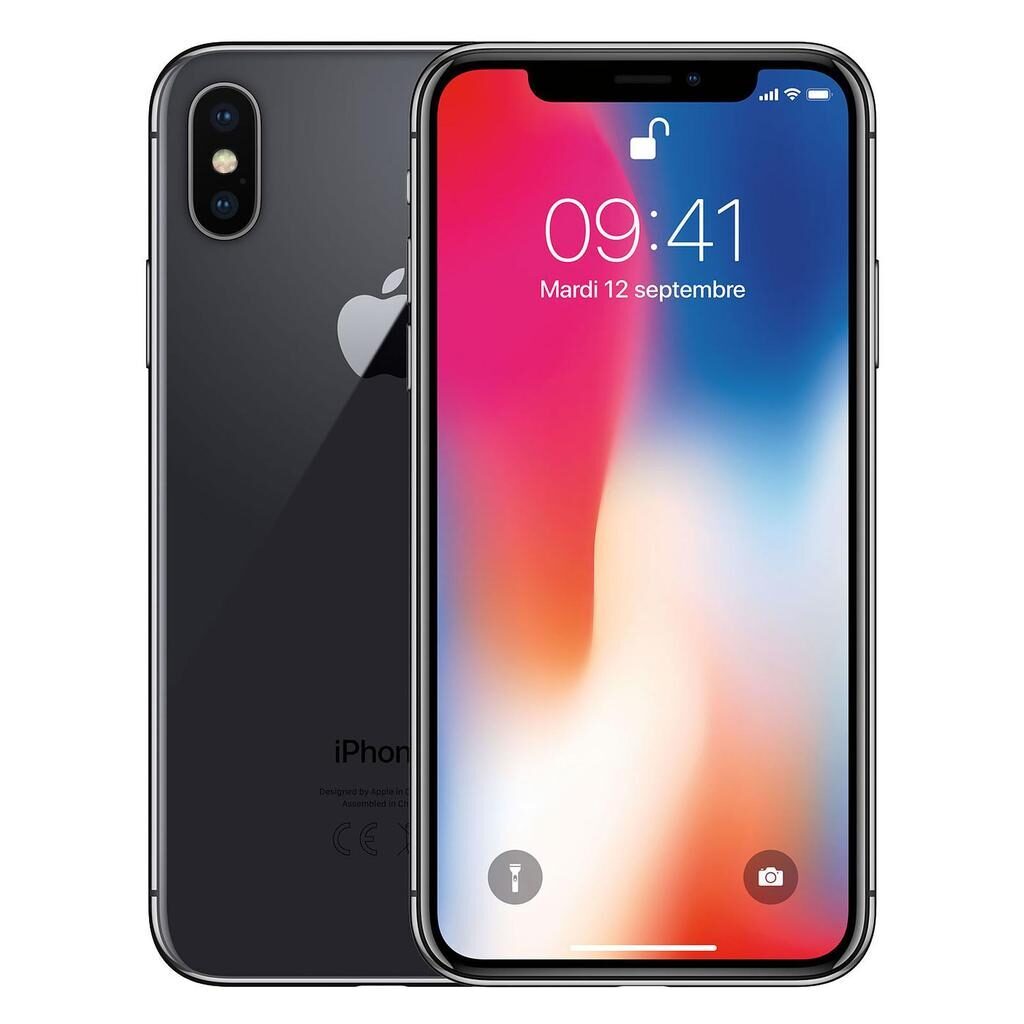
iPhone X
Starting at
£121.10£449.00 new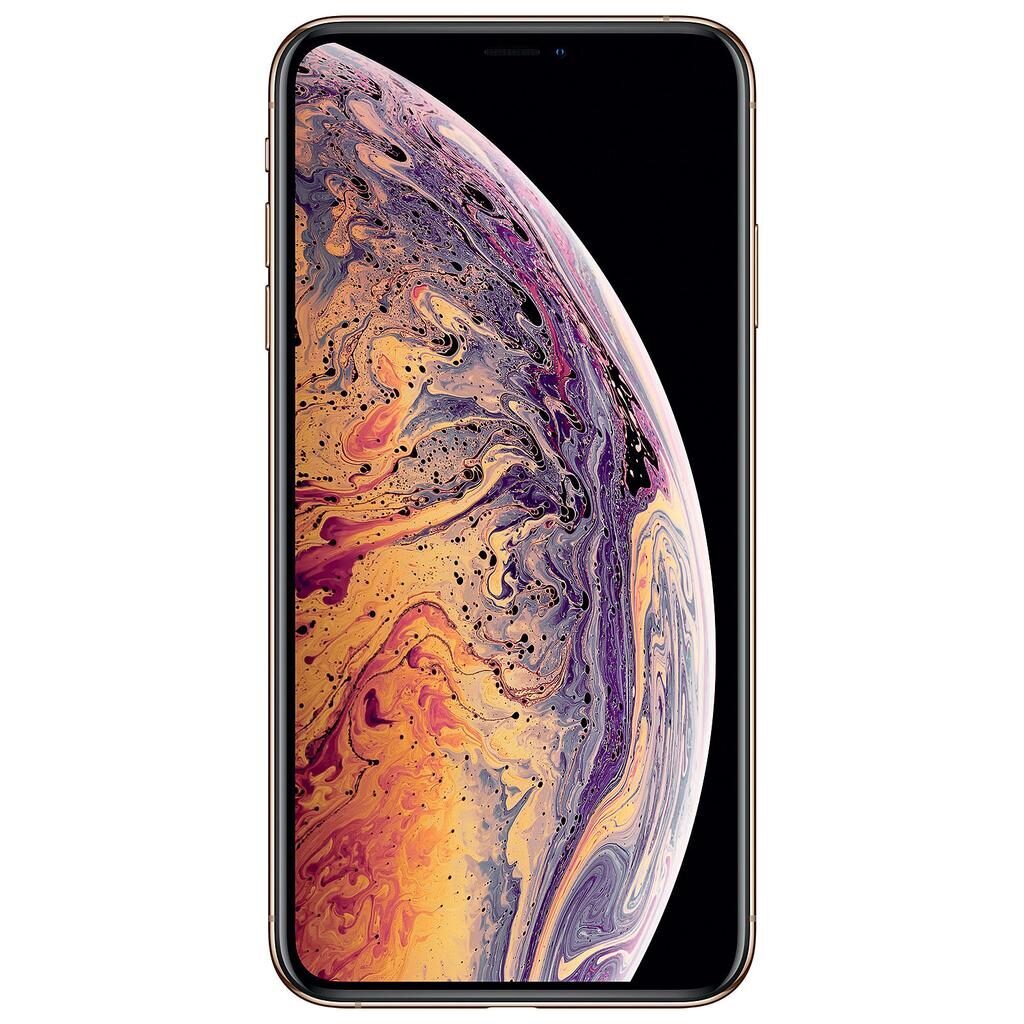
iPhone XS Max
Starting at
£168.09£459.00 newWhat's the difference between the iPhone X and iPhone XS Max?
iPhone X vs XS Max comes down to the chipset, RAM and battery. Refurbished, the iPhone X starts at £121.10, £46.99 less than the iPhone XS Max. The iPhone XS Max is the newer model, released in 2018.
Refurbished from
Chipset
RAM
Battery
Screen size
Software updates
- Chipset: Apple A11 Bionic (10 nm) on the iPhone X, Apple A12 Bionic on the iPhone XS Max.
- The iPhone XS Max has more RAM: 4 GB vs 3 GB.
- The iPhone XS Max has a bigger battery: 3174 mAh vs 2716 mAh.
iPhone X vs iPhone XS Max specs
The iPhone X and iPhone XS Max differ mainly in screen size, battery capacity, and performance memory. The iPhone XS Max offers a larger 6.5 inch screen with higher resolution, making it better suited for watching videos or multitasking. The iPhone X has a smaller 5.8 inch screen and less RAM but remains a solid choice for everyday use with a lighter, more compact design. Both phones have the same camera resolutions and use the Lightning connector, but the XS Max supports eSIM alongside a physical SIM. The iPhone X fits well if you prefer a smaller device for simpler daily tasks.
iPhone X vs iPhone XS Max price
Colour
iPhone X vs iPhone XS Max battery life and software updates
Durability covers battery size, operating system support and physical toughness. These affect how long the phone lasts between charges, how long you can update it, and its basic design features.
Battery Capacity
The iPhone XS Max has a larger 3174 mAh battery compared to the iPhone X's 2716 mAh. This means the XS Max can generally last longer between charges, which helps if you use your phone heavily for streaming or gaming. The iPhone X's battery size suits users with lighter daily use or those who prefer a smaller phone.
Battery
Foldable
Ip rating
Software updates
Wireless charging
Year of release
iPhone X vs iPhone XS Max performance
Performance relates to the processor chip, memory, and available storage sizes. These affect how smoothly apps run, multitasking, and how much data or media you can store.
Processor Chipset
The iPhone X uses the Apple A11 Bionic chipset, while the iPhone XS Max uses the Apple A12 Bionic. This means the XS Max can handle tasks with greater efficiency and power, which benefits users with demanding apps or those who want smoother performance overall.
Memory
The iPhone XS Max has 4 GB of RAM compared to 3 GB in the iPhone X. More RAM helps keep more apps active in the background and supports better multitasking, which suits users who frequently switch between apps or run memory-intensive programs.
Storage Options
Both models come with 64 GB and 256 GB storage options, but the iPhone XS Max also offers a 512 GB option. This larger capacity is useful if you store many photos, videos, or large apps and want more space without relying on cloud storage.
Chipset
RAM
iPhone X vs iPhone XS Max screen
Screen quality includes size, resolution, and type. This influences how much content you see, image sharpness, and display technology.
Screen Size
The iPhone XS Max has a much larger 6.5 inch screen compared to the iPhone X's 5.8 inch display. This extra space provides a roomier experience for watching videos, browsing, or working on documents. The iPhone X's smaller screen suits those who prefer a more compact phone easier to handle with one hand.
Resolution
The iPhone XS Max offers a higher 1242 x 2688 resolution versus 1125 x 2436 on the iPhone X. This means sharper images and finer detail, which benefits users who value crisp visuals for photos, games, or reading.
Screen Type
Both phones use Super Retina OLED screens, so they provide vibrant colours and deep blacks. This ensures a high-quality viewing experience regardless of which model you choose.
Refresh rate
Resolution
Screen size
Screen type
iPhone X vs iPhone XS Max camera
Audiovisual features include the front and main cameras, which affect photo and video quality.
Camera Resolution
Both the iPhone X and iPhone XS Max have a 7 megapixel front camera and a 12 megapixel main camera. This means photo and video quality will be similar on both phones, making either suitable for taking clear selfies and sharp pictures.
Camera type
Front camera
Main camera
iPhone X vs iPhone XS Max size and design
Miscellaneous covers other practical features like SIM options, dimensions, weight, and physical connectors that affect everyday usability.
SIM Card Options
The iPhone XS Max supports both a physical SIM and an eSIM, giving you more flexibility with mobile plans and carriers. The iPhone X uses a physical SIM only, which suits users who prefer a straightforward SIM setup.
Dimensions and Weight
The iPhone XS Max is larger and heavier, measuring 157.5 mm tall, 77.4 mm wide, and 7.7 mm deep, weighing 208 g. The iPhone X is more compact at 143.6 mm tall, 70.9 mm wide, and 7.7 mm deep, weighing 174 g. Choose the iPhone XS Max for a bigger display and don't mind the extra size. The iPhone X fits better in smaller hands or pockets.
Connector Type
Both phones use the Lightning connector, so charging and accessories are compatible across both models.
Mobile Network
Both support 4G networks, making them suitable for fast mobile internet where 4G is available.
Carrier compatibility
Connector
Depth
Height
Mobile network
Release date
SD card slot
SIM card
Weight
Width
iPhone X or iPhone XS Max: which should you buy?
Buy the iPhone X if
- you want to spend less: it starts at £121.10, £46.99 less than the iPhone XS Max
- you want a lighter build (174 g vs 208 g)
Buy the iPhone XS Max if
- you want more RAM (4 GB vs 3 GB)
- you want a bigger battery (3174 mAh vs 2716 mAh)
- you want a bigger screen (6.5 inch vs 5.8 inch)
What our customers say
Customers who chose the iPhone X often appreciate the phone's condition and reliability after refurbishment. Many mention that it feels like new and has a smooth performance for everyday use. Users like the 256 GB version for ample storage and find the battery life sufficient for their needs. Some note that the phone does not support the latest iOS version, which affects some apps, but overall the device is considered a solid choice for those who want a simpler iPhone at a lower cost.
Reviews for the iPhone XS Max highlight its good condition and larger screen, which many users enjoy for media and general use. Battery life is generally rated well, although a few customers mention shorter battery duration in some cases. The phone's design and screen quality receive positive remarks, and the extra storage option is seen as a benefit. Some users note minor issues like setup time or specific features, but most are satisfied with performance and value.
Overall, the iPhone X suits customers who prefer a smaller, lighter phone for everyday tasks without the need for the latest software updates. The iPhone XS Max appeals to those who want a larger display, more memory, and longer software support for a richer experience.
iPhone X vs iPhone XS Max FAQs
iPhone X vs XS Max comes down to the chipset, RAM and battery. Chipset: Apple A11 Bionic (10 nm) on the iPhone X, Apple A12 Bionic on the iPhone XS Max. The iPhone XS Max has more RAM: 4 GB vs 3 GB.
The iPhone X is cheaper refurbished, from £121.10 compared with £168.09 for the iPhone XS Max.
The iPhone XS Max has a bigger battery: 3174 mAh vs 2716 mAh.
Both have the same main camera: 12 megapixels.
Updates for the iPhone X ended in Mar 2025. Its last version is iOS 16. Updates for the iPhone XS Max ended in Apr 2026. Its last version is iOS 18.
The iPhone XS Max adds more RAM (4 GB vs 3 GB), a bigger battery (3174 mAh vs 2716 mAh) and a bigger screen (6.5 inch vs 5.8 inch). Refurbished, it costs £46.99 more (from £168.09 vs £121.10).
Refurbished, the iPhone X comes in 64GB and 256GB, and the iPhone XS Max in 64GB, 256GB and 512GB.