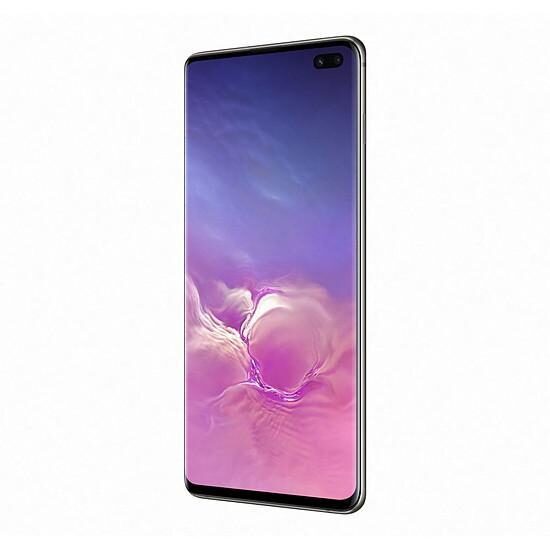
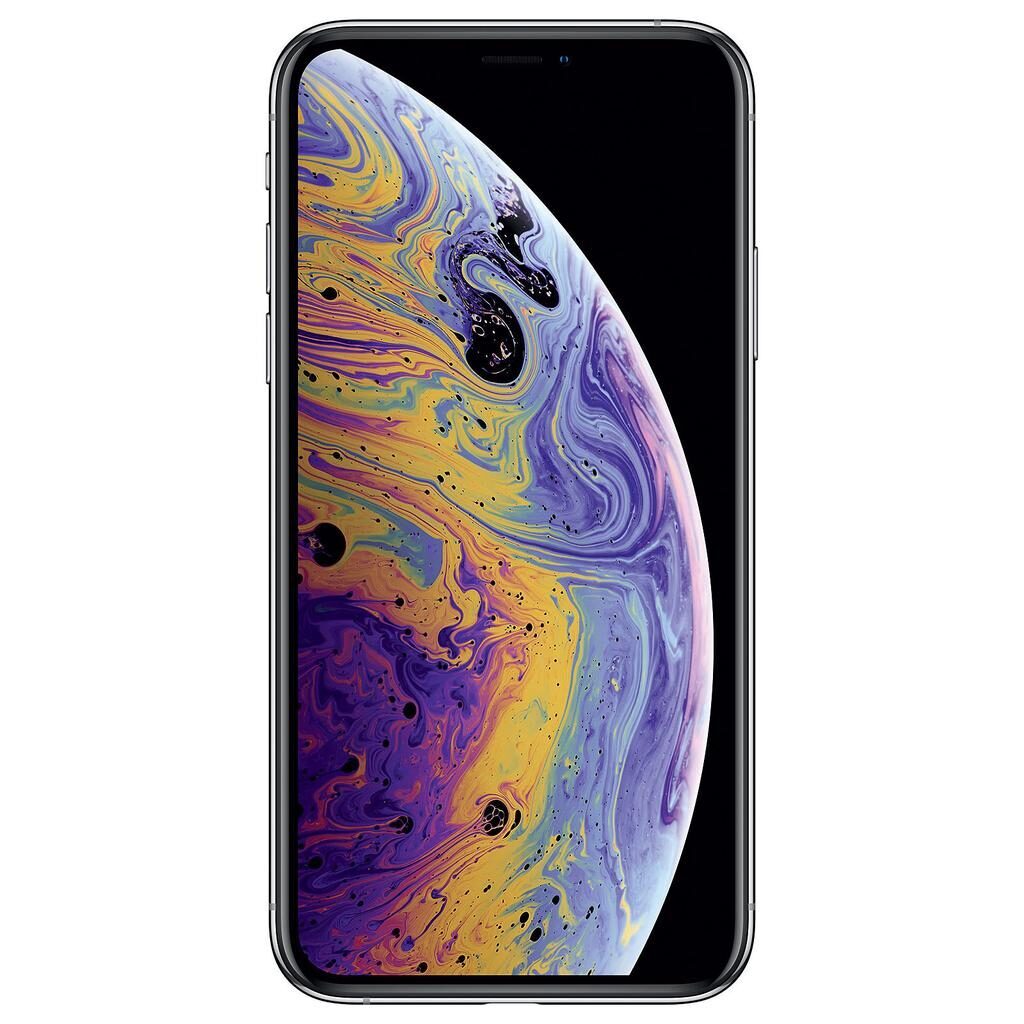
Galaxy S9 vs iPhone X
Shop Samsung Galaxy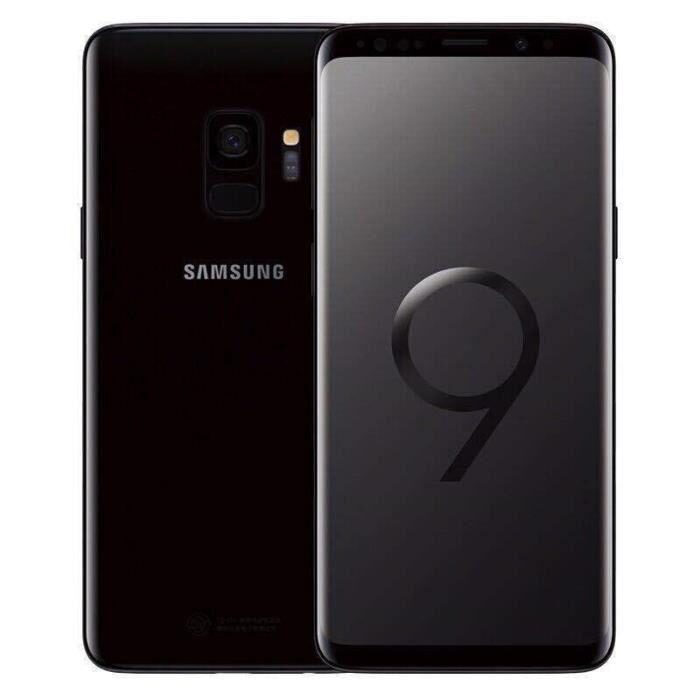
Galaxy S9
Starting at
£116.50£449.00 new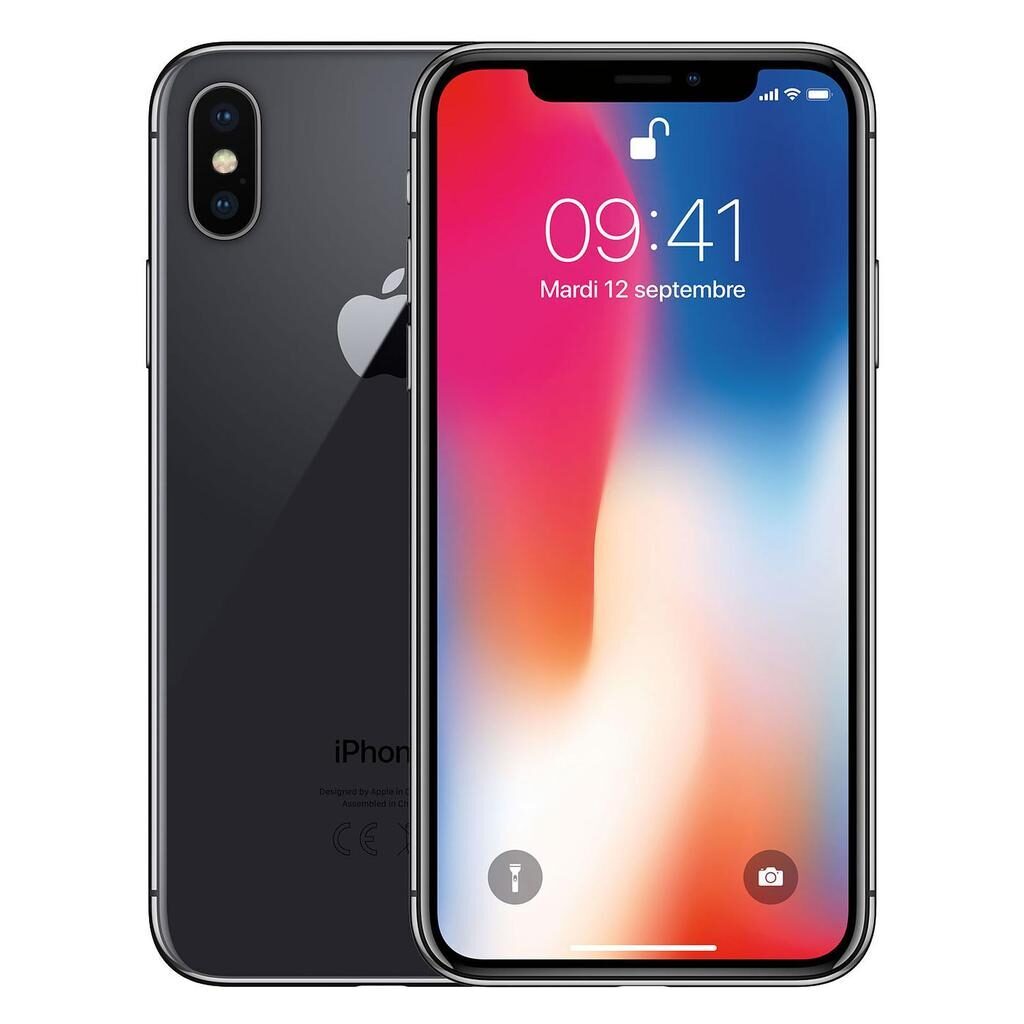
iPhone X
Starting at
£121.10£449.00 newWhat's the difference between the Galaxy S9 and iPhone X?
Galaxy S9 vs iPhone X comes down to the RAM, battery and screen type. Refurbished, the Galaxy S9 starts at £116.50, £4.60 less than the iPhone X. The Galaxy S9 is the newer model, released in 2018.
Refurbished from
RAM
Battery
Screen type
Front camera
Software updates
- The Galaxy S9 has more RAM: 4 GB vs 3 GB.
- The Galaxy S9 has a bigger battery: 3000 mAh vs 2716 mAh.
- Screen type: Super AMOLED on the Galaxy S9, Super Retina OLED on the iPhone X.
Galaxy S9 vs iPhone X specs
The Galaxy S9 and iPhone X offer similar screen sizes but differ in several ways that suit different users. The Galaxy S9 has a higher screen resolution and a larger battery, which benefits those who prioritise screen sharpness and longer battery life. The iPhone X features a dual main camera setup, appealing to users who want more versatile photography. Storage options also vary, with the Galaxy S9 available in 64GB and 128GB, and the iPhone X offering 64GB and 256GB for those needing more space. The Galaxy S9 supports expandable storage via microSDXC, which is useful if you want to add more memory later. Audio connectivity differs as well, with the Galaxy S9 including both USB-C and a 3.5mm headphone jack, fitting those who prefer wired headphones without adapters.
Galaxy S9 vs iPhone X price
Colour
Galaxy S9 vs iPhone X battery life and software updates
Durability includes battery capacity, operating system, and update support. Battery size and operating system differ, affecting daily use and app environment.
Battery Capacity
The Galaxy S9 has a 3000 mAh battery, which is larger than the iPhone X's 2716 mAh. This means the Galaxy S9 may last longer on a single charge for typical daily use, which is helpful if you use your phone heavily or want less frequent charging.
Operating System
The Galaxy S9 runs on Android while the iPhone X uses iOS. Your choice may depend on which app ecosystem and interface you prefer, as this affects how you interact with apps, updates, and device features.
Battery
Foldable
Ip rating
Software updates
Wireless charging
Year of release
Galaxy S9 vs iPhone X performance
Chipset
RAM
Galaxy S9 vs iPhone X screen
Screen quality covers resolution, size, and display technology. Both phones have the same screen size but vary in resolution and screen type, which influence clarity and colour experience.
Resolution and Clarity
The Galaxy S9 has a higher screen resolution at 1440 x 2960 compared to the iPhone X's 1125 x 2436. This means the Galaxy S9 offers a sharper display, which may benefit those who watch high-definition videos or want very crisp text and images.
Screen Technology
The Galaxy S9 uses Super AMOLED technology, while the iPhone X features Super Retina OLED. Both provide vibrant colours and deep blacks, but the naming highlights different branding approaches. Both screens are bright and suitable for media viewing.
Resolution
Screen size
Screen type
Galaxy S9 vs iPhone X camera
Audiovisual features include camera setups and front camera resolution. These affect how you capture photos and video calls.
Main Camera Setup
The iPhone X has a double main camera, providing more options for photography such as depth effects or zoom. The Galaxy S9 has a single main camera, which still captures 12 megapixels but with fewer lens options.
Front Camera Resolution
The Galaxy S9's front camera is 8 megapixels, slightly higher than the iPhone X's 7 megapixels. This benefits users who take many selfies or use video calling frequently, offering a little more detail.
Main Camera Megapixels
Both phones have 12 megapixels in their main cameras, ensuring a similar level of detail in photos taken under typical conditions.
Camera type
Front camera
Main camera
Galaxy S9 vs iPhone X size and design
Miscellaneous features cover connectivity, physical size, storage options, and other hardware details that affect daily convenience and compatibility.
Storage Options
The Galaxy S9 is available in 64GB and 128GB, while the iPhone X offers 64GB and 256GB. If you need more storage for apps, photos, or media without adding an SD card, the iPhone X's larger capacity option is suitable.
Expandable Storage
The Galaxy S9 supports microSDXC cards, allowing you to increase storage with a memory card. This suits users who want flexibility to add more space later without buying a higher storage model.
Audio and Charging Ports
The Galaxy S9 includes both USB-C and a 3.5mm headphone jack, which is convenient for users with wired headphones. The iPhone X uses a Lightning connector, so it requires compatible accessories or adapters for wired audio.
Size and Weight
The Galaxy S9 is slightly taller and narrower at 147.7 mm height, 68.7 mm width, and 163 g weight, compared to the iPhone X's 143.6 mm height, 70.9 mm width, and 174 g weight. Those who prefer a phone that feels a bit lighter and narrower may prefer the Galaxy S9.
Carrier compatibility
Connector
Depth
Height
Mobile network
Release date
SD card slot
SIM card
Weight
Width
Galaxy S9 or iPhone X: which should you buy?
Buy the Galaxy S9 if
- you want to spend less: it starts at £116.50, £4.60 less than the iPhone X
- you want more RAM (4 GB vs 3 GB)
- you want a bigger battery (3000 mAh vs 2716 mAh)
What our customers say
Customers who bought the Galaxy S9 often mention it looks and works like new, with many praising its condition even when purchased in fair or below excellent grades. Several note the smooth performance and good storage capacity, with some pointing out the need for a quick battery top-up by evening, which fits users comfortable with charging daily. The inclusion of a headphone jack is appreciated by those who use wired headphones. Overall, Galaxy S9 buyers find it a reliable, versatile phone for everyday use.
iPhone X customers highlight how the phone feels like new and runs smoothly, with particular satisfaction around the larger 256GB storage option for those needing extra space. The dual main camera appeals to users interested in photography versatility. Some mention minor marks but are pleased with the overall condition. The Lightning connector is noted, which suits those familiar with Apple's ecosystem. Buyers appreciate the iPhone X for its smooth iOS experience and storage capacity.
Both phones suit different needs: the Galaxy S9 fits users wanting a sharper display, longer battery, and expandable storage with familiar Android software. The iPhone X appeals to those who prefer iOS, want a dual camera setup, and larger fixed storage. Each has strengths that make it a good choice for everyday use.
Galaxy S9 vs iPhone X FAQs
Galaxy S9 vs iPhone X comes down to the RAM, battery and screen type. The Galaxy S9 has more RAM: 4 GB vs 3 GB. The Galaxy S9 has a bigger battery: 3000 mAh vs 2716 mAh.
The Galaxy S9 is cheaper refurbished, from £116.50 compared with £121.10 for the iPhone X.
The Galaxy S9 has a bigger battery: 3000 mAh vs 2716 mAh.
Both have the same main camera: 12 megapixels.
Updates for the Galaxy S9 ended in Apr 2022. Updates for the iPhone X ended in Mar 2025. Its last version is iOS 16.
Refurbished, the Galaxy S9 comes in 64GB and 128GB, and the iPhone X in 64GB and 256GB.