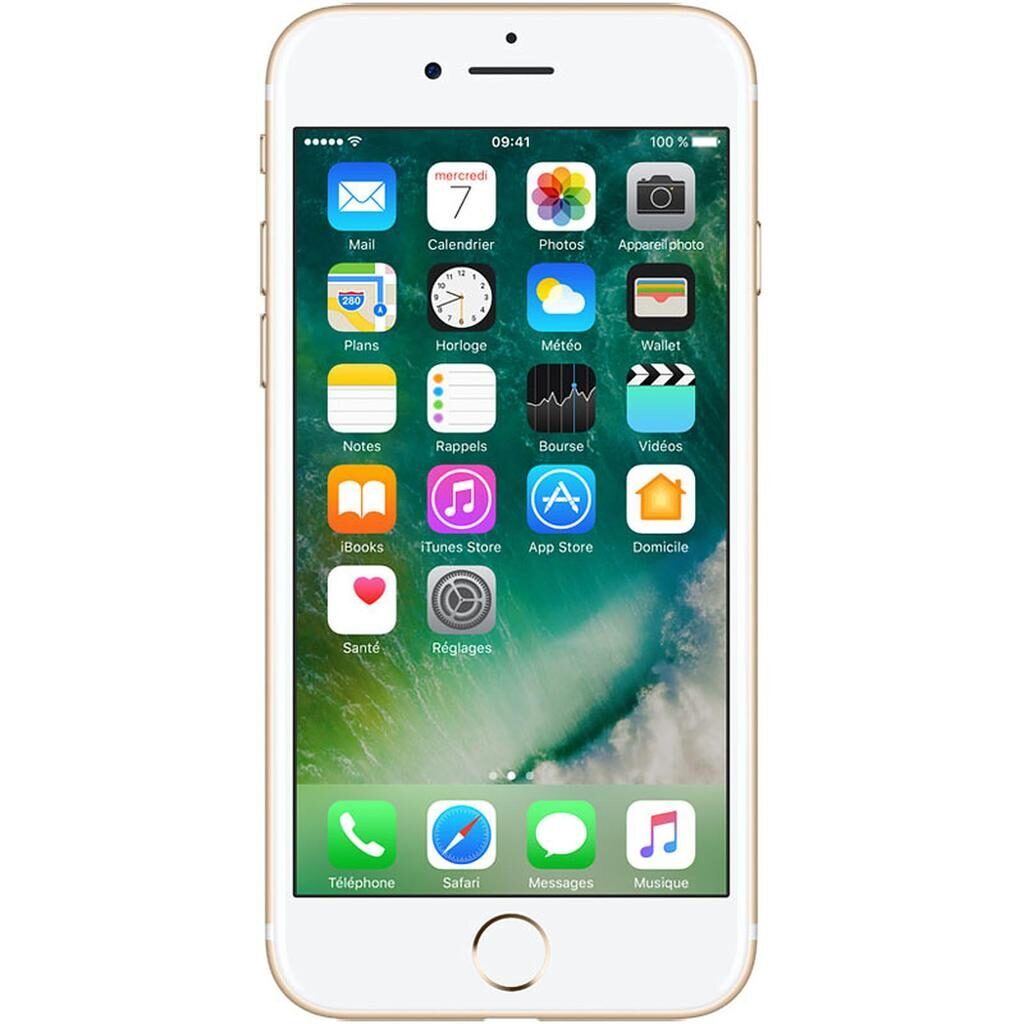
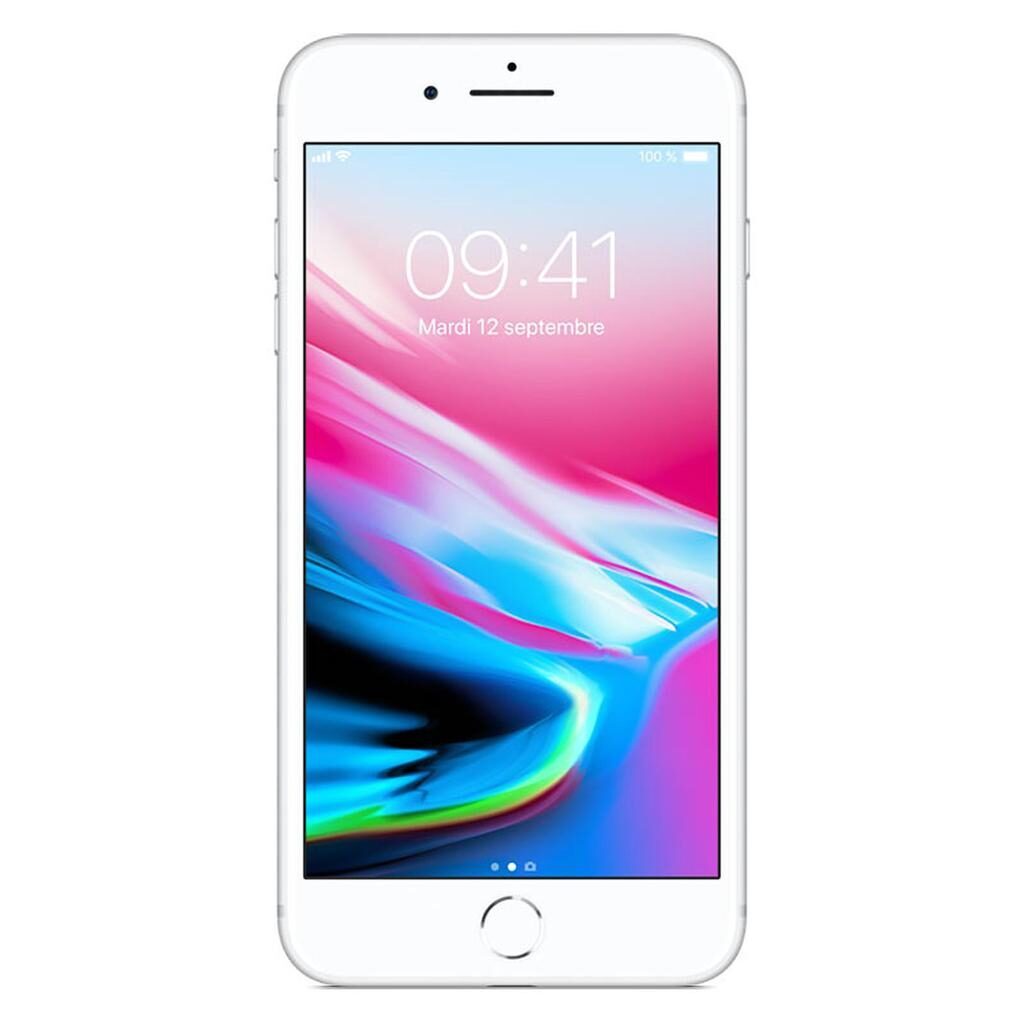
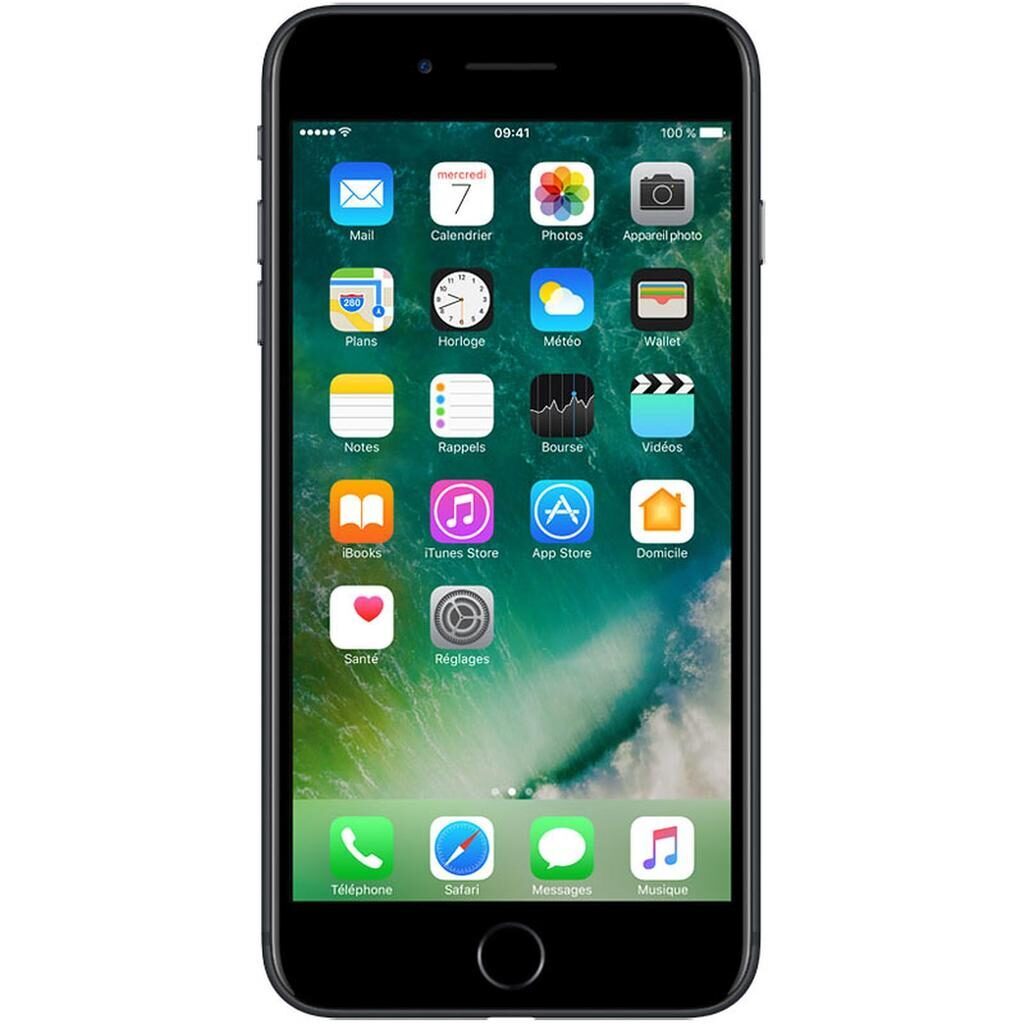
iPhone 6S vs iPhone SE (2016)
Shop iPhone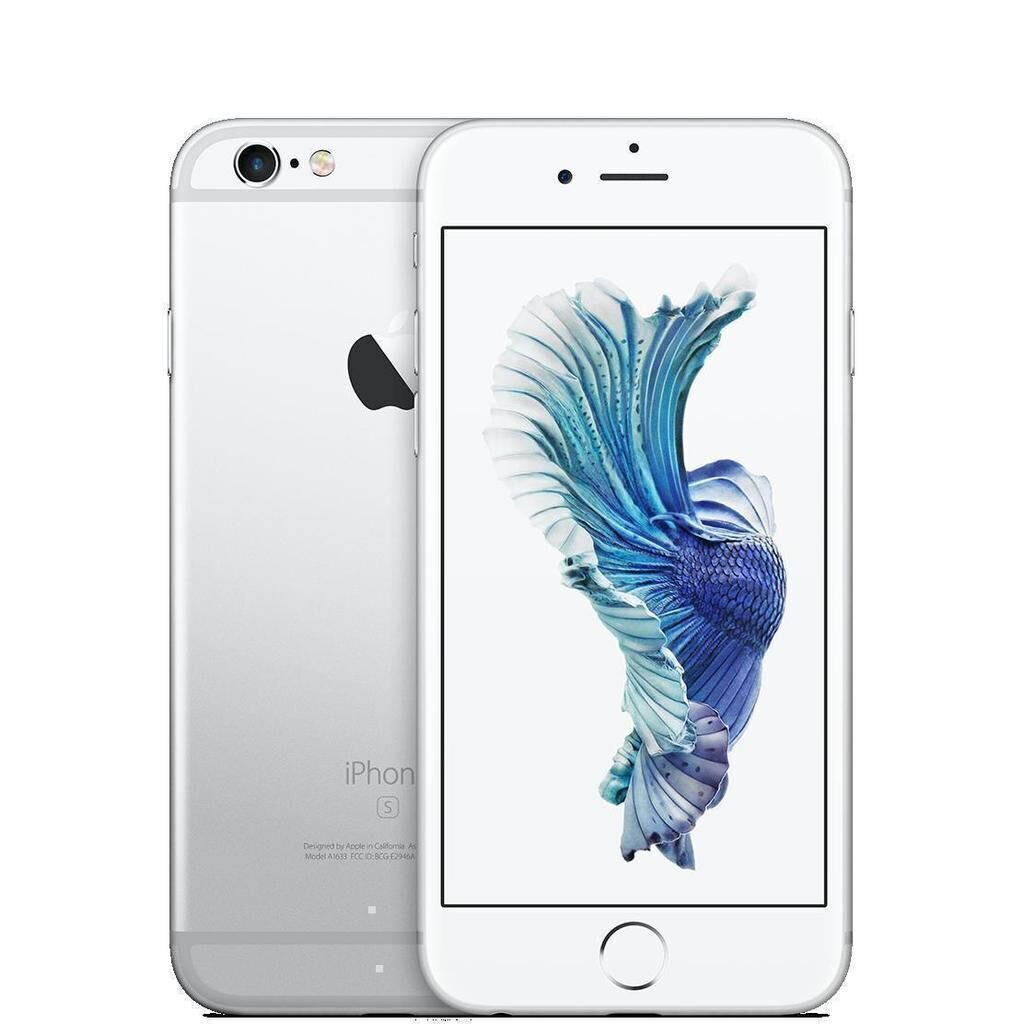
iPhone 6S
Starting at
£32.09£149.00 new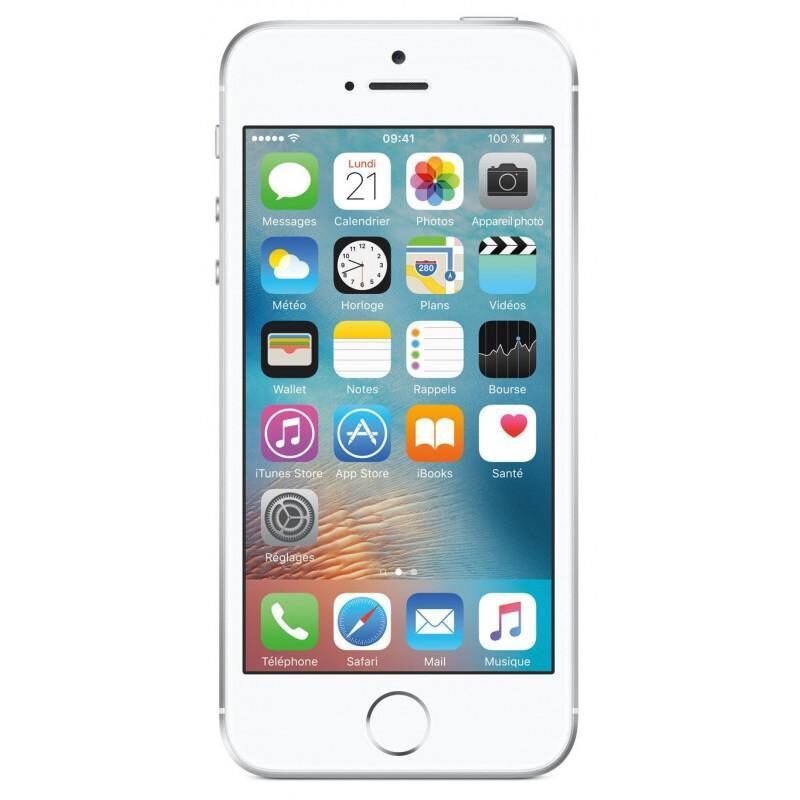
iPhone SE (2016)
Starting at
£192.40What's the difference between the iPhone 6S and iPhone SE (2016)?
iPhone 6S vs iPhone SE (2016) comes down to the chipset, battery and screen size. Refurbished, the iPhone 6S starts at £32.09, £160.31 less than the iPhone SE (2016). The iPhone SE (2016) is the newer model, released in 2016.
Refurbished from
Chipset
Battery
Screen size
Front camera
Weight
- Chipset: Apple A9 APL0898 on the iPhone 6S, Apple A9 (14 nm) on the iPhone SE (2016).
- The iPhone 6S has a bigger battery: 1715 mAh vs 1624 mAh.
- The iPhone 6S has a bigger screen: 4.7 inch vs 4 inch.
iPhone 6S vs iPhone SE (2016) specs
The iPhone 6S and iPhone SE (2016) share many core features like the Apple A9 chipset and 2 GB of RAM, making both capable for everyday tasks. The iPhone 6S offers a larger 4.7 inch screen with higher resolution and a stronger front camera, suiting users who prefer more screen space and better selfies. The iPhone SE (2016) is smaller and lighter with a 4 inch screen, ideal if you want a compact phone that fits easily in one hand. Storage options differ, with the SE stocked at 64GB and the 6S available in smaller sizes, which may influence your choice based on how much space you need.
iPhone 6S vs iPhone SE (2016) price
Colour
iPhone 6S vs iPhone SE (2016) battery life and software updates
Durability covers battery capacity, software support, and physical design aspects that affect long-term use. Battery sizes differ slightly, which impacts how long each device lasts between charges.
Battery Capacity
The iPhone 6S has a 1715 mAh battery, a bit larger than the 1624 mAh battery in the iPhone SE (2016). This means the 6S may last slightly longer on a full charge, which benefits users who rely on their phone throughout the day without frequent charging.
Software Updates
Both run iOS, so users will have access to similar software experiences within the supported version but should not expect new features or security enhancements beyond that.
Battery
Foldable
Software updates
Year of release
iPhone 6S vs iPhone SE (2016) performance
Performance depends on the chipset, RAM, and storage options you choose. Both phones use the Apple A9 chipset and have 2 GB of RAM, ensuring similar speed for everyday apps and tasks. Storage sizes stocked differ, which affects how much data and apps you can keep.
Chipset and RAM
Both the iPhone 6S and the iPhone SE (2016) use the Apple A9 chipset and have 2 GB of RAM. This combination suits users who want smooth performance for common apps, browsing, and media without advanced multitasking needs.
Storage Options
The iPhone 6S is stocked in 16GB, 32GB, and 64GB capacities, offering flexibility for different storage needs. The iPhone SE (2016) is available only in 64GB, which suits buyers wanting more space for apps, photos, and media without managing storage closely.
Chipset
RAM
iPhone 6S vs iPhone SE (2016) screen
Screen quality affects how you view content, with resolution, size, and type all playing roles. Both phones have IPS LCD screens, but they differ in size and resolution, which changes the viewing experience.
Screen Size
The iPhone 6S has a 4.7 inch screen, larger than the 4 inch screen of the iPhone SE (2016). A bigger screen suits users who watch videos or prefer more room for reading and typing. The smaller screen of the SE is easier to use one-handed and fits better in pockets.
Resolution
With a resolution of 750 x 1334, the iPhone 6S offers a sharper and more detailed display compared to the 640 x 1136 resolution of the iPhone SE (2016). This results in clearer text and images, which benefits those who value screen clarity.
Resolution
Screen size
Screen type
iPhone 6S vs iPhone SE (2016) camera
Camera quality is key to capturing photos and video calls. Both devices have 12 megapixel main cameras, but their front cameras differ, which affects selfie and video call quality.
Front Camera
The iPhone 6S features a 5 megapixel front camera, ideal for clearer selfies and video calls. The iPhone SE (2016) has a 1.2 megapixel front camera, which suits basic video calling and selfies but with less detail.
Main Camera
Both phones have a 12 megapixel main camera, making them comparable for everyday photography. This suits users who want good quality photos without needing multiple lenses or advanced camera features.
Camera type
Front camera
Main camera
iPhone 6S vs iPhone SE (2016) size and design
Other features include physical size, weight, and connectivity that affect everyday handling and compatibility. Both phones are unlocked and support 4G networks with physical SIM cards and standard Lightning connectors alongside 3.5mm headphone jacks.
Size and Weight
The iPhone SE (2016) is smaller and lighter, measuring 123.8 mm by 58.6 mm and weighing 113 g. The iPhone 6S is larger and heavier at 138.3 mm by 67.1 mm and 143 g. The SE suits users who want a compact, easy-to-handle phone, while the 6S offers a larger device that may feel more substantial.
Connectivity and SIM
Both phones use a physical SIM card and support 4G mobile networks. They share the same connector setup with Lightning and a 3.5mm headphone jack, making them compatible with a wide range of accessories and wired headphones.
Dimensions
The iPhone 6S is thinner at 7.1 mm compared to the iPhone SE (2016) at 7.6 mm. This subtle difference may be noticeable when holding the phone or fitting it into cases and pockets.
Carrier compatibility
Connector
Depth
Height
Mobile network
Release date
SD card slot
SIM card
Weight
Width
iPhone 6S or iPhone SE (2016): which should you buy?
Buy the iPhone 6S if
- you want to spend less: it starts at £32.09, £160.31 less than the iPhone SE (2016)
- you want a bigger battery (1715 mAh vs 1624 mAh)
- you want a bigger screen (4.7 inch vs 4 inch)
Buy the iPhone SE (2016) if
- you want a lighter build (113 g vs 143 g)
- you want the newer model (2016)
What our customers say
Customers appreciate the iPhone 6S for its excellent condition and quality that feels close to new. Many mention it suits users needing a straightforward, reliable smartphone with a good screen size and camera. Some note the battery may not be perfect but still lasts for daily use. The phone's size and performance work well for a broad range of users including those looking for a simple upgrade or a gift. The camera and screen quality are praised and it is often described as good value for the price.
For the iPhone SE (2016), customers highlight its compact size and lighter weight as key benefits. It is described as suitable for users wanting a smaller phone that fits comfortably in one hand or pocket. The 64GB storage option is appreciated for providing ample space. Some users find the front camera basic and mention the battery might need attention over time but overall the phone meets everyday needs well. It is praised as a sensible choice for those who want a phone without too many extras.
Overall, the iPhone 6S suits those who prefer a larger screen, better front camera, and a variety of storage options, while the iPhone SE (2016) is a strong pick for buyers wanting a smaller, lighter device with solid performance and 64GB storage.
iPhone 6S vs iPhone SE (2016) FAQs
iPhone 6S vs iPhone SE (2016) comes down to the chipset, battery and screen size. Chipset: Apple A9 APL0898 on the iPhone 6S, Apple A9 (14 nm) on the iPhone SE (2016). The iPhone 6S has a bigger battery: 1715 mAh vs 1624 mAh.
The iPhone 6S is cheaper refurbished, from £32.09 compared with £192.40 for the iPhone SE (2016).
The iPhone 6S has a bigger battery: 1715 mAh vs 1624 mAh.
Both have the same main camera: 12 megapixels.
Updates for the iPhone 6S ended in Mar 2025. Its last version is iOS 15. Updates for the iPhone SE (2016) ended in Mar 2025. Its last version is iOS 15.
The iPhone SE (2016) adds a lighter build (113 g vs 143 g). Refurbished, it costs £160.31 more (from £192.40 vs £32.09).
Refurbished, the iPhone 6S comes in 16GB, 32GB and 64GB, and the iPhone SE (2016) in 64GB.