iPhone 8 Plus vs iPhone SE (2016)
Shop iPhone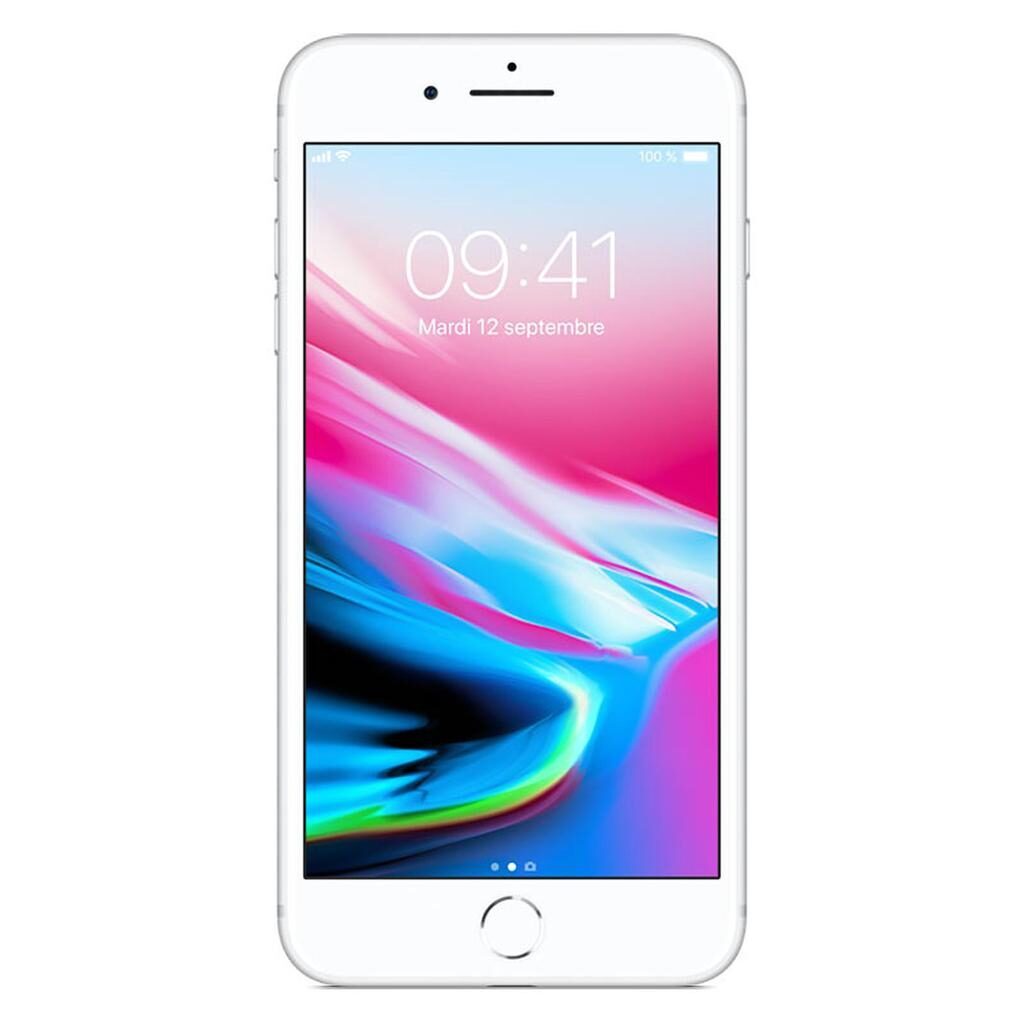
iPhone 8 Plus
Starting at
£100.56£399.00 new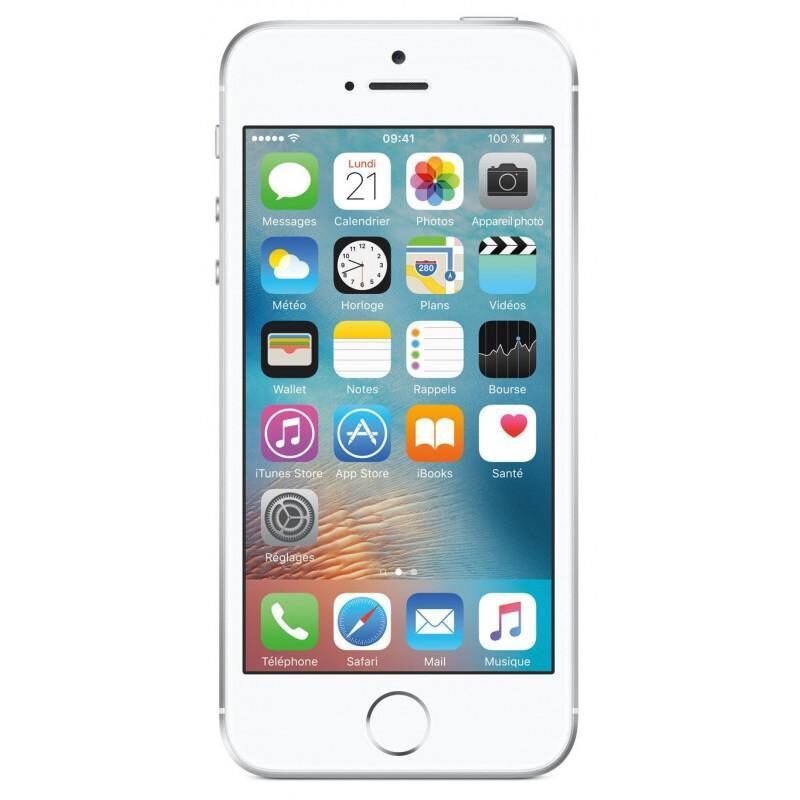
iPhone SE (2016)
Starting at
£192.40What's the difference between the iPhone 8 Plus and iPhone SE (2016)?
iPhone 8 Plus vs iPhone SE (2016) comes down to the chipset, RAM and battery. Refurbished, the iPhone 8 Plus starts at £100.56, £91.84 less than the iPhone SE (2016). The iPhone 8 Plus is the newer model, released in 2017.
Refurbished from
Chipset
RAM
Battery
Screen size
Screen type
- Chipset: Apple A11 Bionic on the iPhone 8 Plus, Apple A9 (14 nm) on the iPhone SE (2016).
- The iPhone 8 Plus has more RAM: 3 GB vs 2 GB.
- The iPhone 8 Plus has a bigger battery: 2691 mAh vs 1624 mAh.
iPhone 8 Plus vs iPhone SE (2016) specs
The iPhone 8 Plus and iPhone SE (2016) differ in screen size, performance, battery capacity, and camera setup. The iPhone 8 Plus offers a larger 5.5 inch screen with higher resolution, more RAM, and a newer chipset, making it suitable for users who want a roomier display and smoother multitasking. It also has a bigger battery and a dual main camera. The iPhone SE (2016) has a smaller 4 inch screen and simpler camera setup but includes a headphone jack, which may suit those who prefer wired audio. Buyers should consider whether they want a larger screen and more power or a compact device with features for everyday use.
iPhone 8 Plus vs iPhone SE (2016) price
Colour
iPhone 8 Plus vs iPhone SE (2016) battery life and software updates
Battery capacity and software updates influence how long each device can stay in use comfortably.
Battery Capacity
The iPhone 8 Plus has a 2691 mAh battery, which offers longer use between charges compared to the iPhone SE (2016) with its 1624 mAh battery. This makes the 8 Plus a better choice if you need more screen time without frequent charging.
Battery
Foldable
Ip rating
Software updates
Wireless charging
Year of release
iPhone 8 Plus vs iPhone SE (2016) performance
Processor and memory affect how well a phone handles apps and multitasking. Storage options also differ, which matters for those storing many files or apps.
Chipset and RAM
The iPhone 8 Plus uses the Apple A11 Bionic chipset and has 3 GB of RAM, which generally supports smoother performance and better multitasking than the iPhone SE (2016) with its Apple A9 (14 nm) chipset and 2 GB of RAM. This makes the 8 Plus suited to users running multiple apps or games.
Storage Options
The iPhone 8 Plus is available in 64GB and 256GB versions, offering more space for apps, photos, and media. The iPhone SE (2016) is stocked with 64GB, suitable for everyday use with moderate storage needs.
Chipset
RAM
iPhone 8 Plus vs iPhone SE (2016) screen
Screen size and resolution determine how much you see and how sharp images look. The screen type also affects colour and viewing angles.
Screen Size
The iPhone 8 Plus features a 5.5 inch screen, providing a larger display area ideal for watching videos or browsing. The iPhone SE (2016) has a 4 inch screen which suits users who prefer a compact phone that is easy to hold and pocket.
Resolution and Screen Type
The iPhone 8 Plus has a full HD resolution of 1080 x 1920 pixels with Retina IPS LCD technology, delivering sharper and more detailed images. The iPhone SE (2016) offers a 640 x 1136 pixel resolution with IPS LCD. This difference means the 8 Plus provides a clearer and more vibrant viewing experience.
Resolution
Screen size
Screen type
iPhone 8 Plus vs iPhone SE (2016) camera
Camera and front camera quality vary, affecting how well each phone captures photos and video calls. The number of cameras also changes photo options.
Main Camera Setup
The iPhone 8 Plus has a double main camera setup with two 12 megapixel cameras, which allows for features like depth effects and zoom. The iPhone SE (2016) has a single 12 megapixel camera, suited to straightforward photography.
Front Camera
The iPhone 8 Plus features a 7 megapixel front camera, providing clearer and more detailed selfies and video calls compared to the iPhone SE (2016) with its 1.2 megapixel front camera.
Camera type
Front camera
Main camera
iPhone 8 Plus vs iPhone SE (2016) size and design
Other practical differences include device size, weight, connectors, and network compatibility. These affect portability and accessory options.
Size and Weight
The iPhone 8 Plus measures 158.4 mm in height, 78.1 mm in width, and weighs 202 g, making it a larger and heavier device. The iPhone SE (2016) is smaller at 123.8 mm tall, 58.6 mm wide, and much lighter at 113 g, fitting more easily in pockets and one-handed use.
Connector Types
Both devices use Lightning connectors for charging and data. The iPhone SE (2016) also includes a 3.5mm headphone jack, convenient if you want to use wired headphones without an adapter.
Carrier and Network
Both phones come unlocked and support 4G networks, giving flexibility to use them with various carriers and good mobile data speeds.
Carrier compatibility
Connector
Depth
Height
Mobile network
Release date
SD card slot
SIM card
Weight
Width
iPhone 8 Plus or iPhone SE (2016): which should you buy?
Buy the iPhone 8 Plus if
- you want to spend less: it starts at £100.56, £91.84 less than the iPhone SE (2016)
- you want more RAM (3 GB vs 2 GB)
- you want a bigger battery (2691 mAh vs 1624 mAh)
Buy the iPhone SE (2016) if
- you want a lighter build (113 g vs 202 g)
- you want a headphone jack
What our customers say
Customers who bought the iPhone 8 Plus often mention that the phone looks and works like new, with excellent condition screens and good battery life. Some note that the phone does not receive the latest iOS updates, which can affect running certain apps. The larger screen and camera quality are appreciated by users, including those buying it for children or elderly relatives. Some customers found battery life less strong over time, but overall the phone meets expectations for daily use.
Owners of the iPhone SE (2016) frequently comment on its value for money and solid battery life, especially considering its price. The smaller size suits those who want a compact phone that is easy to handle. Some users mention minor scratches or the battery needing replacement eventually. The phone is described as working well for everyday needs and running smoothly after updates. The inclusion of a headphone jack is liked by some buyers.
In summary, the iPhone 8 Plus is favoured by those seeking a larger screen and more memory for multitasking, while the iPhone SE (2016) suits users wanting a smaller, lighter device for smartphone use with good battery life.
iPhone 8 Plus vs iPhone SE (2016) FAQs
iPhone 8 Plus vs iPhone SE (2016) comes down to the chipset, RAM and battery. Chipset: Apple A11 Bionic on the iPhone 8 Plus, Apple A9 (14 nm) on the iPhone SE (2016). The iPhone 8 Plus has more RAM: 3 GB vs 2 GB.
The iPhone 8 Plus is cheaper refurbished, from £100.56 compared with £192.40 for the iPhone SE (2016).
The iPhone 8 Plus has a bigger battery: 2691 mAh vs 1624 mAh.
Both have the same main camera: 12 megapixels.
Updates for the iPhone 8 Plus ended in Mar 2025. Its last version is iOS 16. Updates for the iPhone SE (2016) ended in Mar 2025. Its last version is iOS 15.
The iPhone 8 Plus adds more RAM (3 GB vs 2 GB), a bigger battery (2691 mAh vs 1624 mAh) and a bigger screen (5.5 inch vs 4 inch). Refurbished, it costs £91.84 less (from £100.56 vs £192.40).
Refurbished, the iPhone 8 Plus comes in 64GB and 256GB, and the iPhone SE (2016) in 64GB.