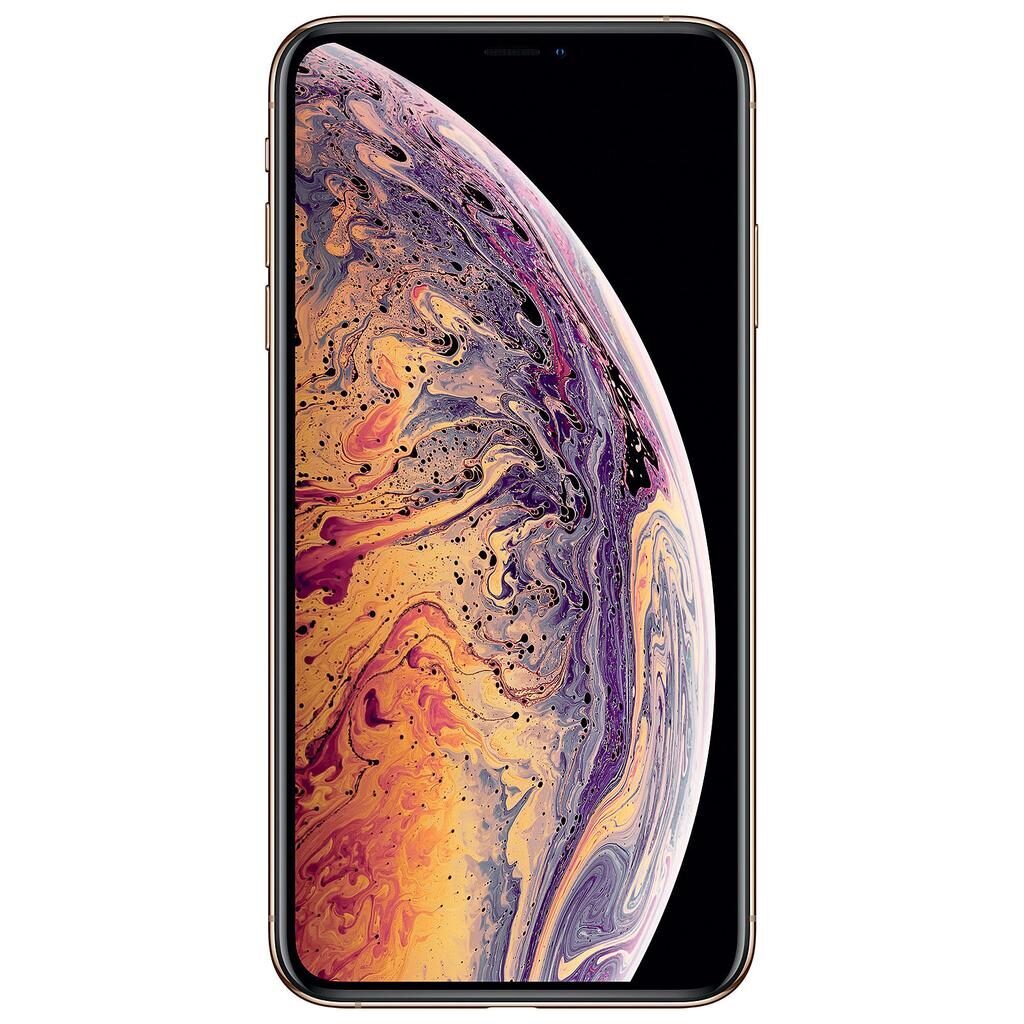
iPhone 16e vs iPhone X
Shop iPhone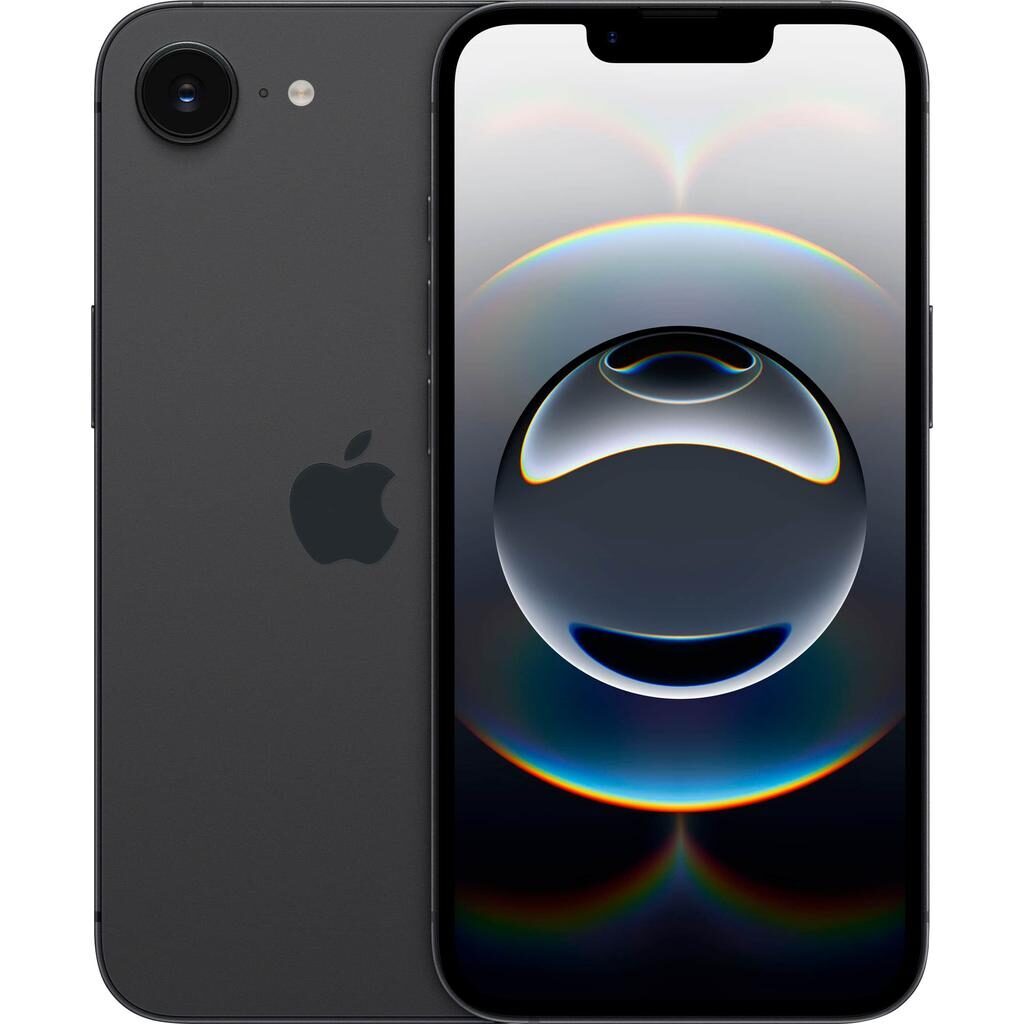
iPhone 16e
Starting at
£478.75£599.00 new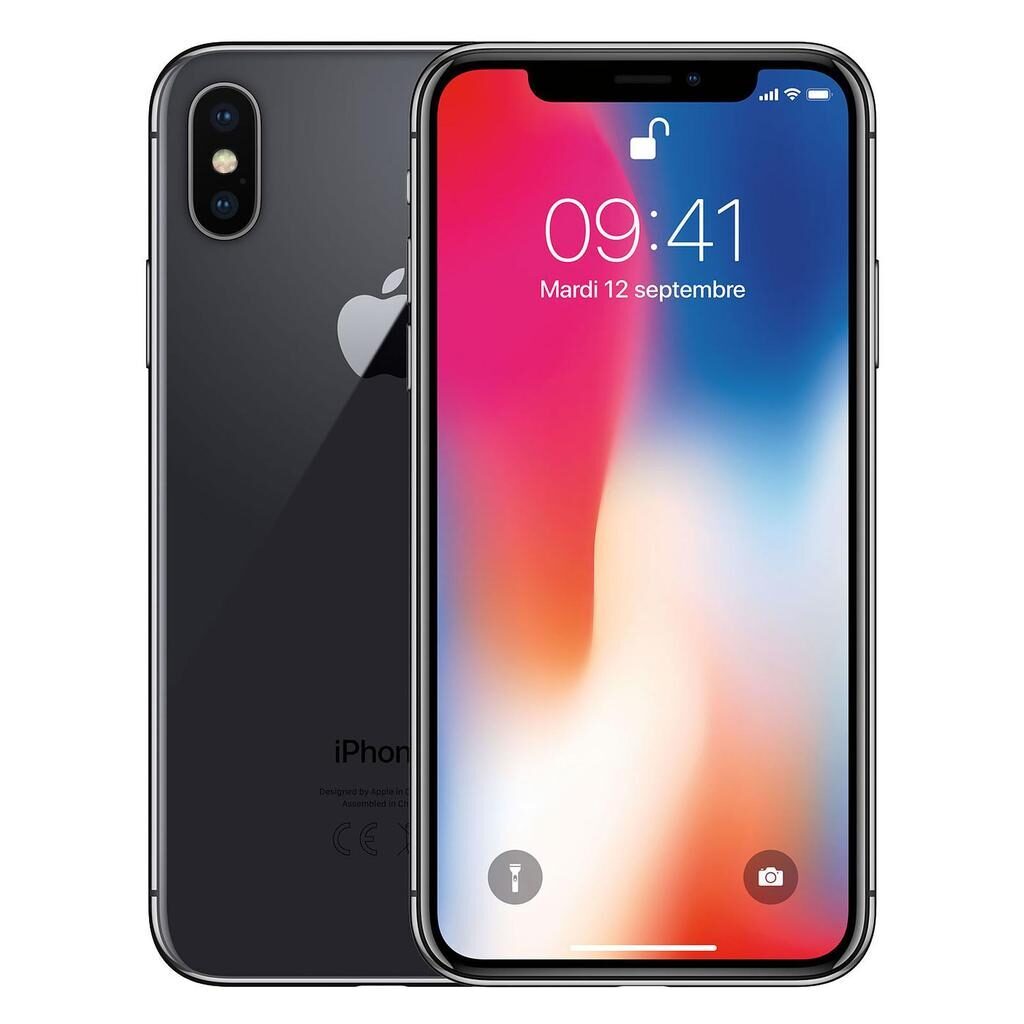
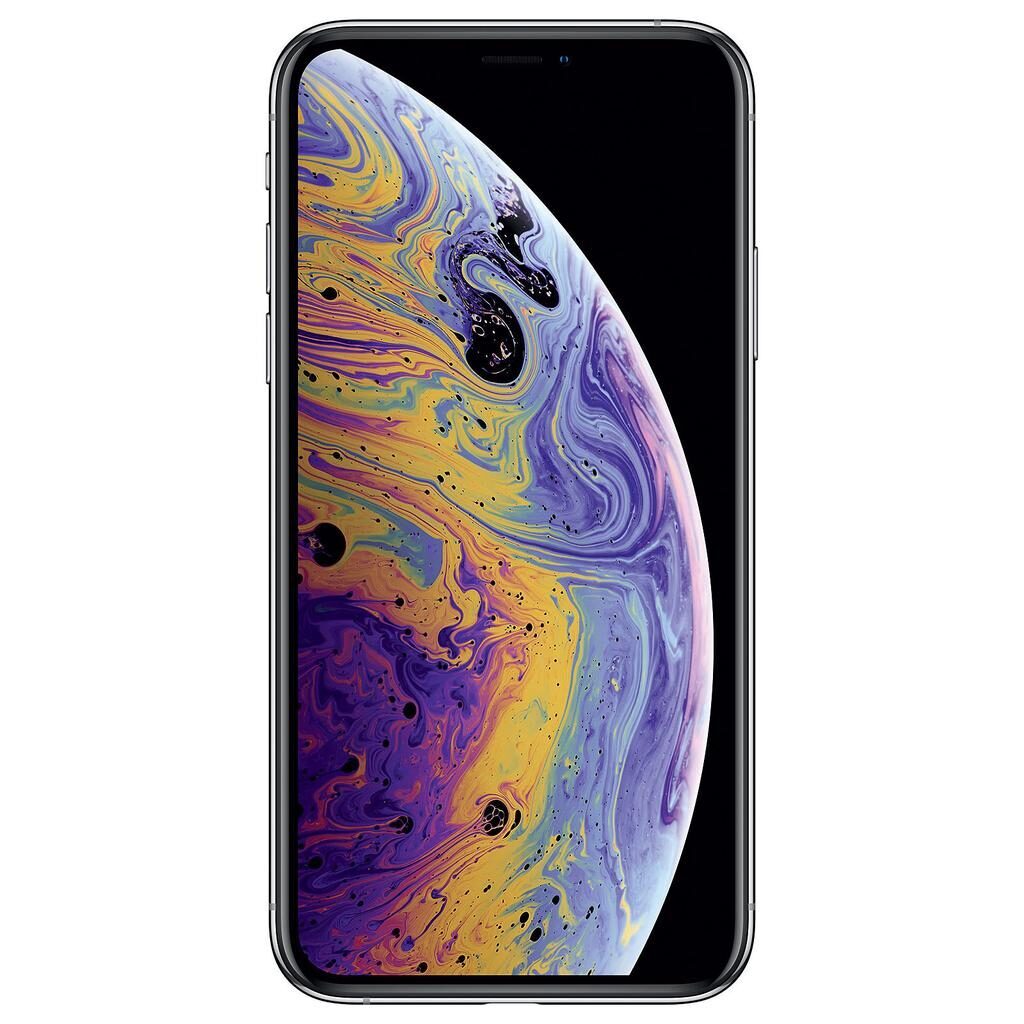
iPhone X
Starting at
£121.10£449.00 newWhat's the difference between the iPhone 16e and iPhone X?
iPhone 16e vs X comes down to the chipset, RAM and battery. Refurbished, the iPhone X starts at £121.10, £357.65 less than the iPhone 16e. The iPhone 16e is the newer model, released in 2025.
Refurbished from
Chipset
RAM
Battery
Screen size
Screen type
- Chipset: Apple A18 (3 nm) on the iPhone 16e, Apple A11 Bionic (10 nm) on the iPhone X.
- The iPhone 16e has more RAM: 8 GB vs 3 GB.
- The iPhone 16e has a bigger battery: 4005 mAh vs 2716 mAh.
iPhone 16e vs iPhone X specs
The iPhone 16e and the iPhone X offer two different experiences suited to different users. The iPhone 16e has a larger screen and higher resolution for more comfortable viewing and sharper images. It features a newer chipset with more RAM, which helps keep apps running smoothly and supports larger storage options. Its battery capacity is noticeably bigger, benefiting those who use their phone heavily throughout the day. The iPhone 16e supports 5G and includes eSIM alongside a physical SIM, making it versatile for network connections. The iPhone X has a slightly smaller, higher pixel density screen and uses the Lightning connector. It supports 4G and only a physical SIM. Both run iOS and are unlocked, so choice depends on your priorities around screen size, performance, battery life, and network features.
iPhone 16e vs iPhone X price
Colour
iPhone 16e vs iPhone X battery life and software updates
Battery capacity and operating system are key durability factors here. The iPhone 16e and iPhone X both run iOS, but their batteries differ in size, which affects how long they last between charges.
Battery Capacity
The iPhone 16e has a 4005 mAh battery, which means it can provide longer usage before needing a recharge. This suits users who spend a lot of time on their phone or who prefer fewer charging interruptions. The iPhone X has a 2716 mAh battery, which fits well for everyday use or lighter phone activity.
Operating System
Both devices run iOS, ensuring a familiar and consistent software experience. This means apps and core features work similarly on each device, so your choice here depends more on hardware preferences.
Battery
Foldable
Ip rating
Software updates
Wireless charging
Year of release
iPhone 16e vs iPhone X performance
Performance differences come down to processing power, memory, and storage options. These affect how smoothly apps run and how much data you can store.
Processor and RAM
The iPhone 16e features the Apple A18 chip built on 3 nm technology and 8 GB of RAM. This combination supports smooth multitasking and faster app performance. The iPhone X has the Apple A11 Bionic chip with 3 GB of RAM, which suits general everyday use but with fewer apps open at once.
Storage Options
The iPhone 16e offers a range of storage from 128GB up to 512GB, supporting users who need more space for apps, photos, and files. The iPhone X provides 64GB and 256GB options, suitable for users with moderate storage needs.
Chipset
RAM
iPhone 16e vs iPhone X screen
Screen size and resolution affect how much you see and the clarity of images. Both devices use OLED technology, but the iPhone 16e offers improvements in size and pixel count.
Screen Size
The iPhone 16e has a 6.1 inch screen, offering more room for watching videos, gaming, and browsing. The iPhone X has a 5.8 inch screen, which is more compact and easier to handle for those who prefer smaller phones.
Resolution and Screen Type
The iPhone 16e has a resolution of 2532x1170 with Super Retina XDR OLED, providing sharp and bright visuals for detailed images and text. The iPhone X has a resolution of 1125x2436 with Super Retina OLED, delivering clear and vibrant display quality in a taller aspect ratio.
Resolution
Screen size
Screen type
iPhone 16e vs iPhone X camera
Camera type
Front camera
Main camera
iPhone 16e vs iPhone X size and design
Network compatibility, connectors, and physical dimensions influence everyday usability and connectivity. These differences may affect how you use your phone with carriers and accessories.
Mobile Network and SIM
The iPhone 16e supports 5G networks and includes both a physical SIM and eSIM, giving more flexibility with network providers and dual SIM use. The iPhone X supports 4G and only has a physical SIM, fitting users with standard network needs.
Connector Type
The iPhone 16e uses a USB-C connector, which is common for many modern devices and accessories. The iPhone X uses the Lightning connector, which works with existing Apple cables and chargers.
Size and Weight
The iPhone 16e measures 146.7 mm tall, 71.5 mm wide, and 7.8 mm deep, weighing 167 g. The iPhone X is slightly taller at 143.6 mm, wider at 70.9 mm, and deeper at 7.7 mm, weighing 174 g. The iPhone 16e offers a slightly lighter and more compact form.
Carrier compatibility
Connector
Depth
Height
Mobile network
Release date
SD card slot
SIM card
Weight
Width
iPhone 16e or iPhone X: which should you buy?
Buy the iPhone 16e if
- you want more RAM (8 GB vs 3 GB)
- you want a bigger battery (4005 mAh vs 2716 mAh)
- you want a bigger screen (6.1 inch vs 5.8 inch)
Buy the iPhone X if
- you want to spend less: it starts at £121.10, £357.65 less than the iPhone 16e
What our customers say
Customers say the iPhone 16e looks and works like new, with many noting its excellent battery life and smooth performance. Several users appreciate the ease of eSIM activation and the larger screen size. The device suits those upgrading from earlier models or wanting more storage and faster performance. Some mention a smooth data transfer experience, though a few found transferring from Android or specific apps tricky. Overall, the iPhone 16e is praised for its condition, battery health, and value.
For the iPhone X, customers often highlight that the phone looks and feels like new. It is recommended for those who want a reliable device for everyday use, especially at a lower price point. The screen and battery are well received, though some users mention app compatibility issues with newer software updates. The physical SIM suits users with simple network needs. The compact size and smooth operation are appreciated by many.
The iPhone 16e suits buyers who want a larger screen, longer battery life, faster performance, and 5G connectivity. The iPhone X fits those looking for a smaller device with solid performance for everyday tasks and 4G networks.
iPhone 16e vs iPhone X FAQs
iPhone 16e vs X comes down to the chipset, RAM and battery. Chipset: Apple A18 (3 nm) on the iPhone 16e, Apple A11 Bionic (10 nm) on the iPhone X. The iPhone 16e has more RAM: 8 GB vs 3 GB.
The iPhone X is cheaper refurbished, from £121.10 compared with £478.75 for the iPhone 16e.
The iPhone 16e has a bigger battery: 4005 mAh vs 2716 mAh.
The iPhone 16e has a higher-resolution main camera: 48 megapixels vs 12 megapixels.
The iPhone 16e is still supported and can run iOS 27. Updates for the iPhone X ended in Mar 2025. Its last version is iOS 16.
The iPhone 16e adds more RAM (8 GB vs 3 GB), a bigger battery (4005 mAh vs 2716 mAh) and a bigger screen (6.1 inch vs 5.8 inch). Refurbished, it costs £357.65 more (from £478.75 vs £121.10).
Refurbished, the iPhone 16e comes in 128GB, 256GB and 512GB, and the iPhone X in 64GB and 256GB.