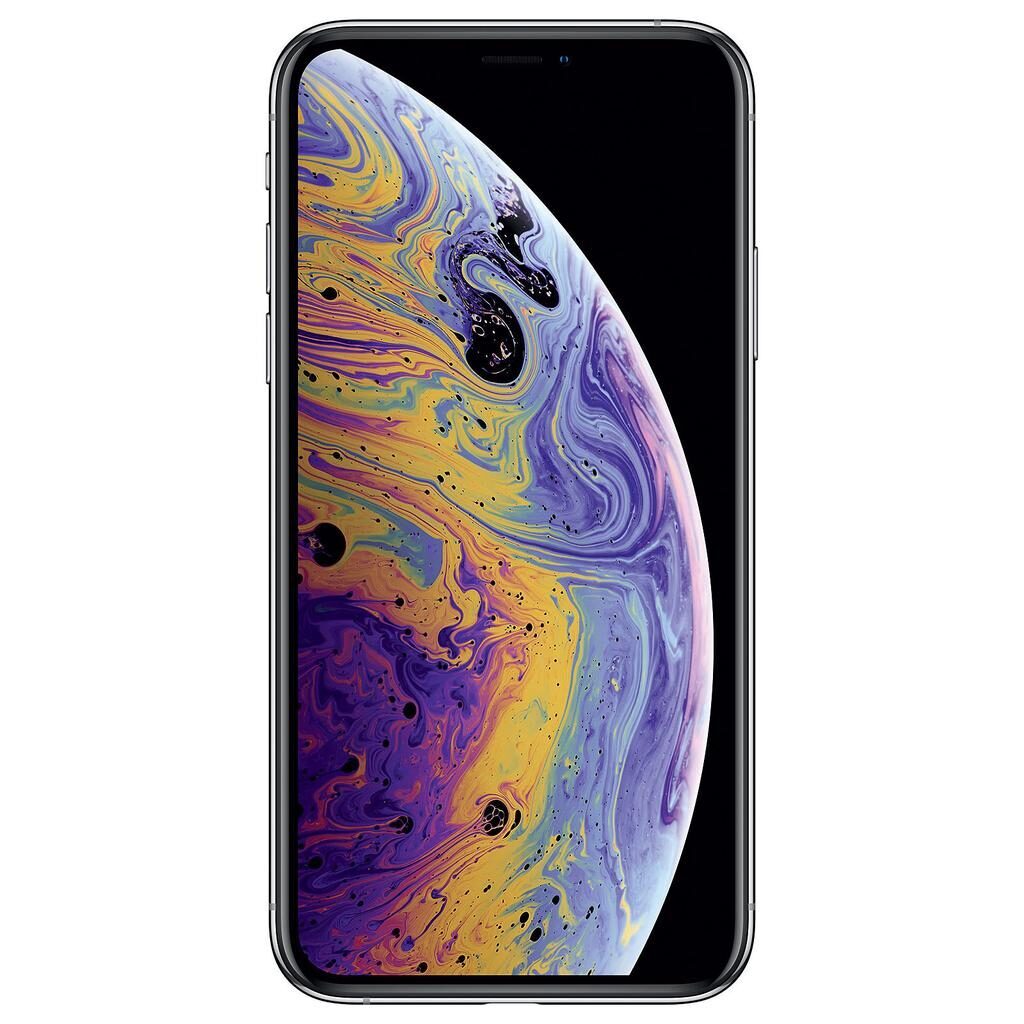
Google Pixel 4 vs iPhone X
Shop Google Pixel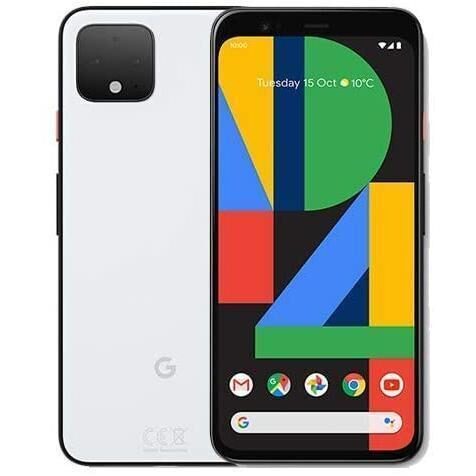
Google Pixel 4
Starting at
£131.91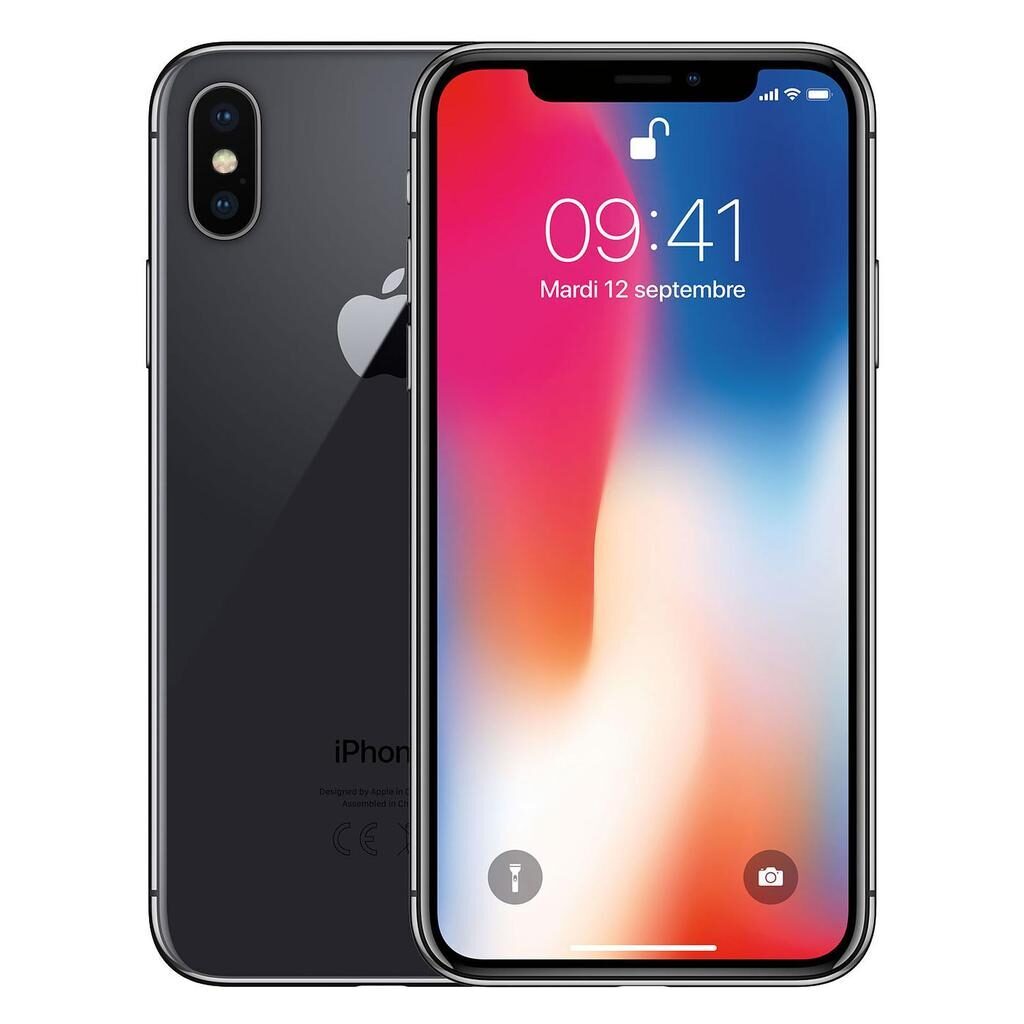
iPhone X
Starting at
£121.10£449.00 newWhat's the difference between the Google Pixel 4 and iPhone X?
Google Pixel 4 vs iPhone X comes down to the chipset, RAM and battery. Refurbished, the iPhone X starts at £121.10, £10.81 less than the Google Pixel 4. The Google Pixel 4 is the newer model, released in 2019.
Refurbished from
Chipset
RAM
Battery
Screen size
Screen type
- Chipset: Qualcomm SM8150 Snapdragon 855 (7 nm) on the Google Pixel 4, Apple A11 Bionic (10 nm) on the iPhone X.
- The Google Pixel 4 has more RAM: 6 GB vs 3 GB.
- The Google Pixel 4 has a bigger battery: 2800 mAh vs 2716 mAh.
Google Pixel 4 vs iPhone X specs
The Google Pixel 4 and iPhone X differ in several key ways that may influence your choice. The Pixel 4 offers more RAM and a slightly larger battery, which helps with multitasking and battery life for everyday Android use. The iPhone X features a slightly higher screen resolution and a larger storage option up to 256GB, suiting those needing more space for photos and apps. Both phones have similar camera megapixels and support 4G networks. Pixel 4 uses USB-C and has dual SIM support with eSIM, while iPhone X uses the Lightning connector and has a single physical SIM. Choose Pixel 4 if you prefer Android with more memory or dual SIM flexibility. Choose iPhone X if you want iOS and more storage options.
Google Pixel 4 vs iPhone X price
Colour
- WhiteSold out
- BlackSold out
Storage
- 64GBSold out
- 128GBSold out
Google Pixel 4 vs iPhone X battery life and software updates
These factors affect how long the phone runs between charges and what software experience you get.
Battery Capacity
The Google Pixel 4 has a 2800 mAh battery, slightly larger than the iPhone X's 2716 mAh. This difference may give the Pixel 4 a small advantage in battery life for users who often use their phone throughout the day without frequent charging.
Operating System
The Pixel 4 runs on Android while the iPhone X uses iOS. Your choice depends on which ecosystem you prefer, as each offers a different interface and app experience.
Battery
Foldable
Ip rating
Software updates
Wireless charging
Year of release
Google Pixel 4 vs iPhone X performance
Performance depends on the chipset, RAM, and storage options. These affect how smoothly the phone runs apps and handles multitasking.
RAM Size
The Pixel 4 has 6 GB of RAM, double the iPhone X's 3 GB. More RAM helps keep more apps running smoothly in the background, which benefits users who multitask or use memory-intensive apps.
Chipset
The Pixel 4 uses the Qualcomm SM8150 Snapdragon 855 chipset built on 7 nm technology, while the iPhone X has the Apple A11 Bionic chipset on 10 nm. Both chipsets support everyday tasks and apps well, with differences mostly relevant to specific Android or iOS software optimisations.
Storage Options
The Pixel 4 is available in 64GB and 128GB variants, while the iPhone X offers 64GB and 256GB. The iPhone X 256GB model suits those who store large amounts of photos, videos, or apps directly on their device.
Chipset
RAM
Google Pixel 4 vs iPhone X screen
Screen quality involves resolution, size, and type. These influence how sharp images look and how much space you have for viewing content.
Screen Size
The Pixel 4 has a 5.7 inch screen, slightly smaller than the iPhone X's 5.8 inch display. The difference is small but could matter if you want a bit more room for video or reading.
Resolution
The iPhone X has a higher resolution at 1125 x 2436 compared to the Pixel 4's 1080 x 2280. This means the iPhone X screen can show slightly sharper images and text, benefiting users watching high-resolution content or reading fine details.
Screen Type
The Pixel 4 uses a P-OLED screen, while the iPhone X has a Super Retina OLED. Both technologies provide vibrant colours and deep blacks, making both phones well suited for media consumption.
Refresh rate
Resolution
Screen size
Screen type
Google Pixel 4 vs iPhone X camera
Audiovisual features include camera resolution and front camera quality, important if you take photos or video call frequently.
Main Camera Megapixels
The Pixel 4 has a 12.2 megapixel main camera, very close to the iPhone X's 12 megapixels. Both cameras capture detailed photos, making either phone suitable for everyday photography.
Front Camera Megapixels
The Pixel 4 features an 8 megapixel front camera, compared to the iPhone X's 7 megapixels. This suggests the Pixel 4 may capture slightly more detail in selfies and video calls.
Camera type
Front camera
Main camera
Google Pixel 4 vs iPhone X size and design
Other differences involve connectors, SIM options, size, and weight. These affect convenience, compatibility, and comfort in use.
Connector Type
The Pixel 4 uses a USB-C connector, which is common for many modern devices. The iPhone X uses the Lightning connector, which is specific to Apple accessories and chargers.
SIM Card Options
The Pixel 4 supports one physical SIM plus an eSIM, offering more flexibility for managing two phone numbers or plans. The iPhone X supports a single physical SIM.
Size and Weight
The Pixel 4 measures 147.1 mm in height, 68.8 mm in width, and 8.2 mm in depth, weighing 162 g. The iPhone X is slightly shorter at 143.6 mm, wider at 70.9 mm, less deep at 7.7 mm, and heavier at 174 g. Pixel 4 may feel a bit lighter and more compact in hand.
Carrier Compatibility
Both phones are compatible with a wide range of UK carriers and support 4G networks.
Carrier compatibility
Connector
Depth
Height
Mobile network
SD card slot
SIM card
Weight
Width
Google Pixel 4 or iPhone X: which should you buy?
Buy the Google Pixel 4 if
- you want more RAM (6 GB vs 3 GB)
- you want a bigger battery (2800 mAh vs 2716 mAh)
- you want a higher-resolution front camera (8 megapixels vs 7 megapixels)
Buy the iPhone X if
- you want to spend less: it starts at £121.10, £10.81 less than the Google Pixel 4
What our customers say
Customers who own the Google Pixel 4 often praise its condition and battery life, noting the phone looks like new and performs well for everyday use. Some users appreciate that the phone handles what they want without hassle. However, a few customers have experienced issues with battery health and screen problems like dead pixels and face lock failures. These experiences suggest the Pixel 4 suits buyers comfortable with its features and who do not mind occasional technical quirks.
iPhone X customers generally report satisfaction with the phone's appearance and smooth operation. Many say it looks and feels like new, with good battery life and enough storage, especially the 256GB model. The iPhone X is popular for those wanting an iOS device without paying full price for a new model. Some users mention challenges with app compatibility and slower performance, but overall it suits those who value the Apple ecosystem and reliable everyday performance.
Both phones attract buyers looking for refurbished devices that balance condition with good functionality. Choose the Pixel 4 if you prefer Android with more memory and dual SIM options. Choose the iPhone X if you want iOS, higher storage, and a slightly sharper display.
Google Pixel 4 vs iPhone X FAQs
Google Pixel 4 vs iPhone X comes down to the chipset, RAM and battery. Chipset: Qualcomm SM8150 Snapdragon 855 (7 nm) on the Google Pixel 4, Apple A11 Bionic (10 nm) on the iPhone X. The Google Pixel 4 has more RAM: 6 GB vs 3 GB.
The iPhone X is cheaper refurbished, from £121.10 compared with £131.91 for the Google Pixel 4.
The Google Pixel 4 has a bigger battery: 2800 mAh vs 2716 mAh.
The Google Pixel 4 has 12.2 megapixels and the iPhone X has 12 megapixels.
Updates for the Google Pixel 4 ended in Oct 2022. Its last version is Android 13. Updates for the iPhone X ended in Mar 2025. Its last version is iOS 16.
Refurbished, the Google Pixel 4 comes in 64GB and 128GB, and the iPhone X in 64GB and 256GB.