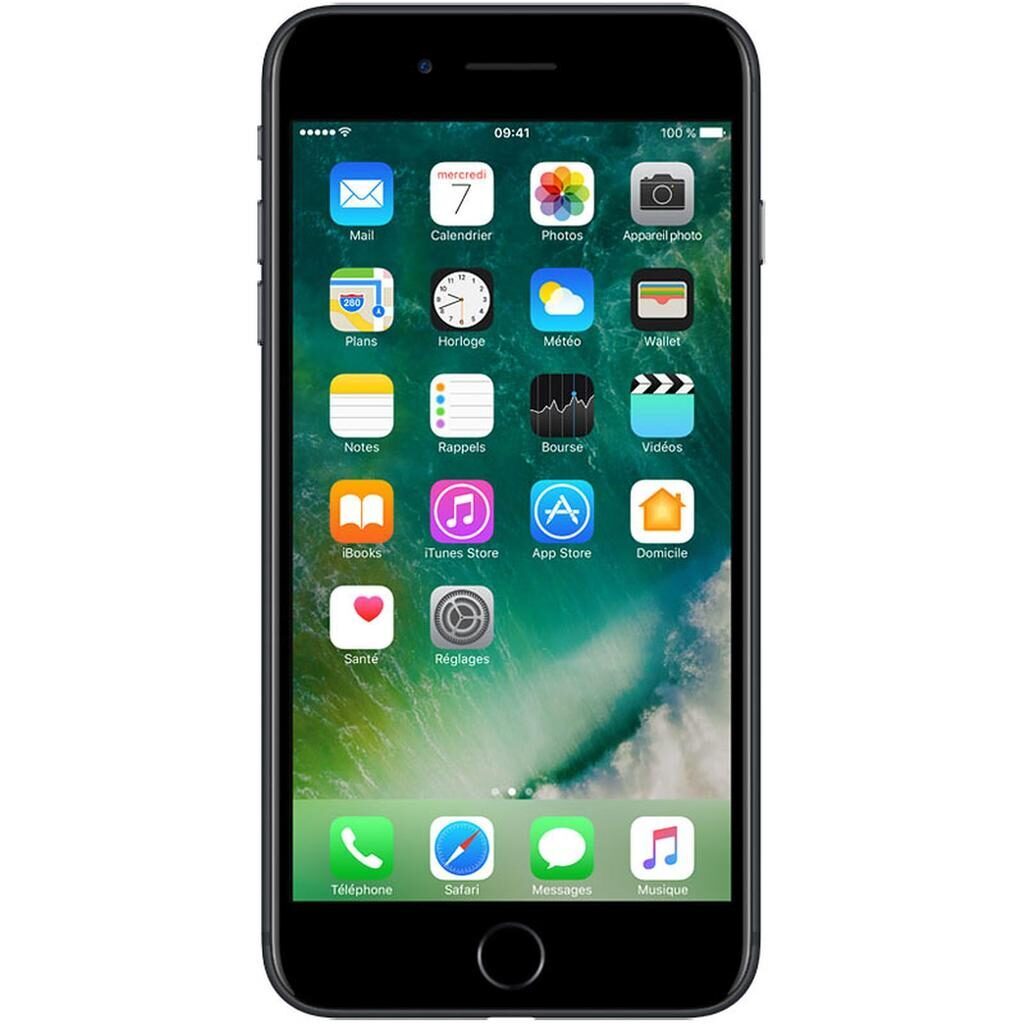
iPhone 6S vs iPhone 8 Plus
Shop iPhone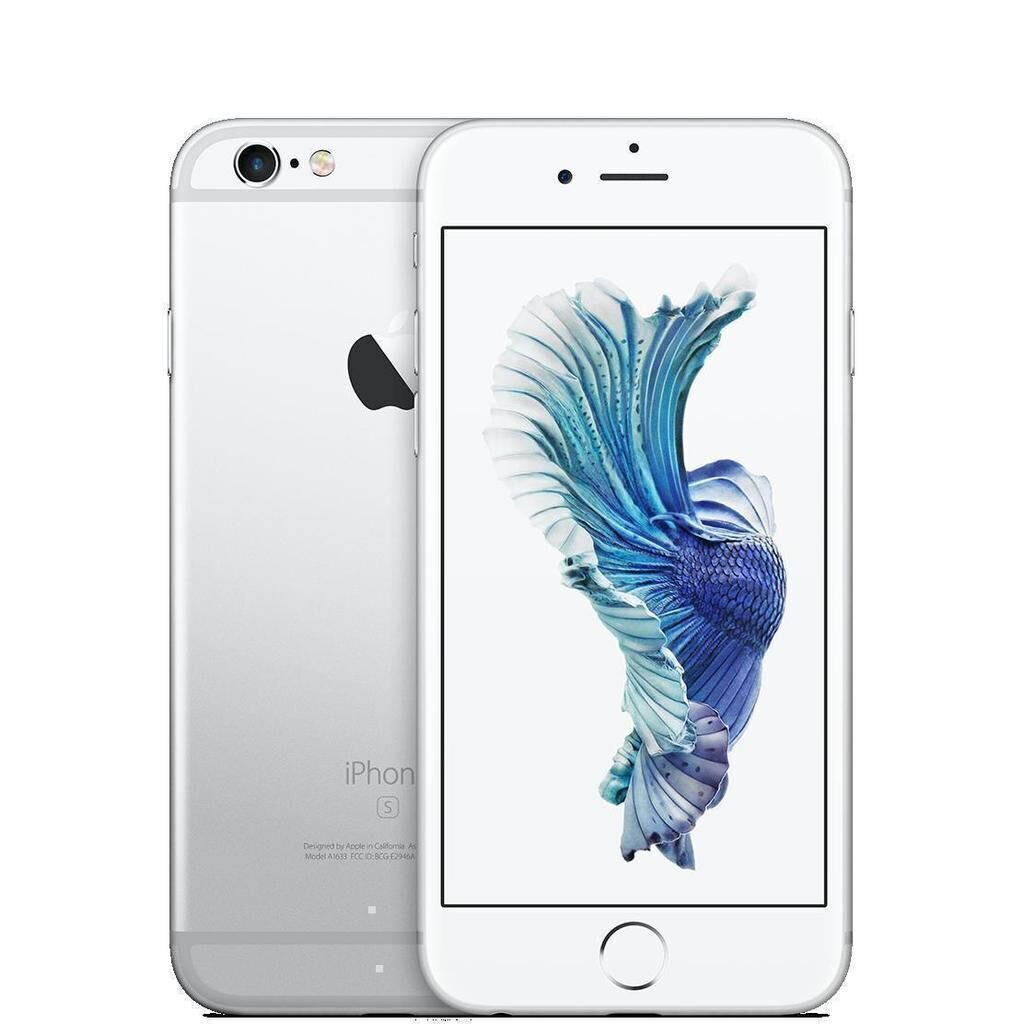
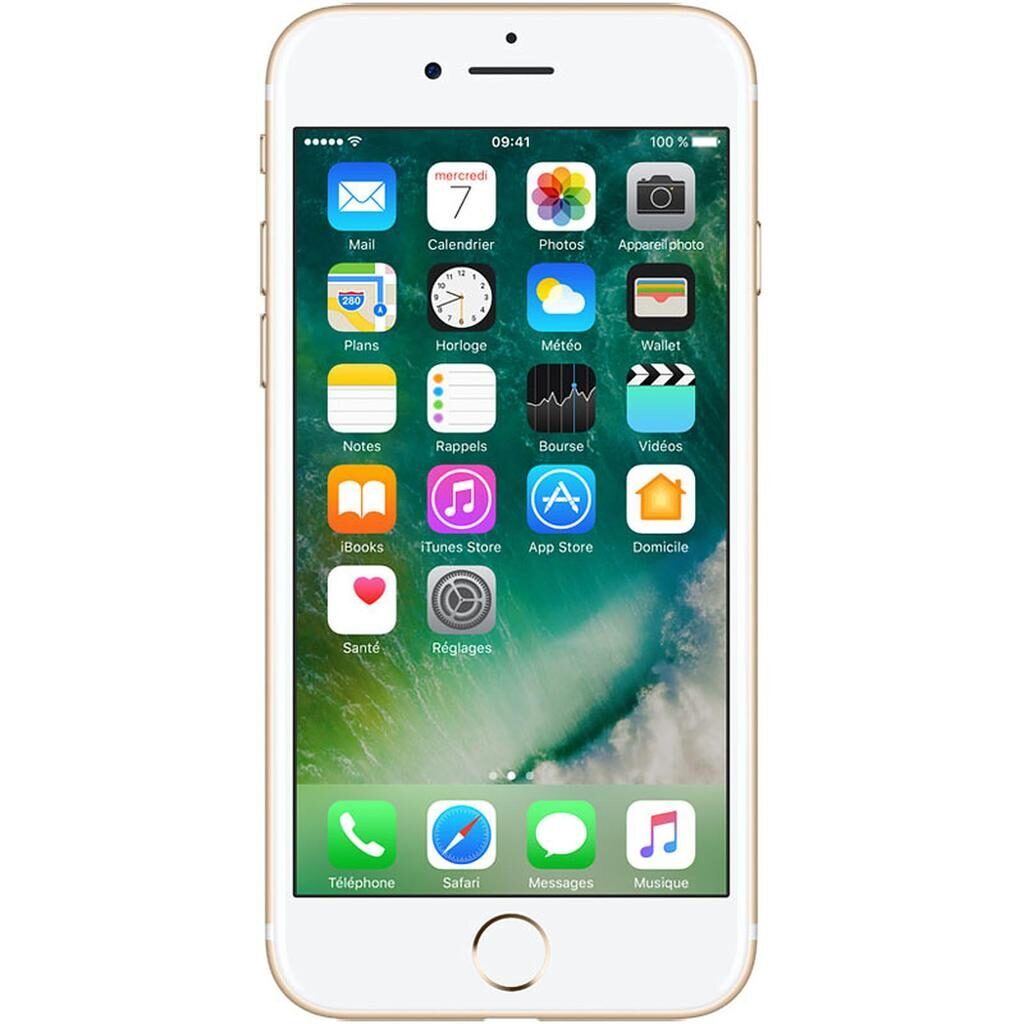
iPhone 6S
Starting at
£32.09£149.00 new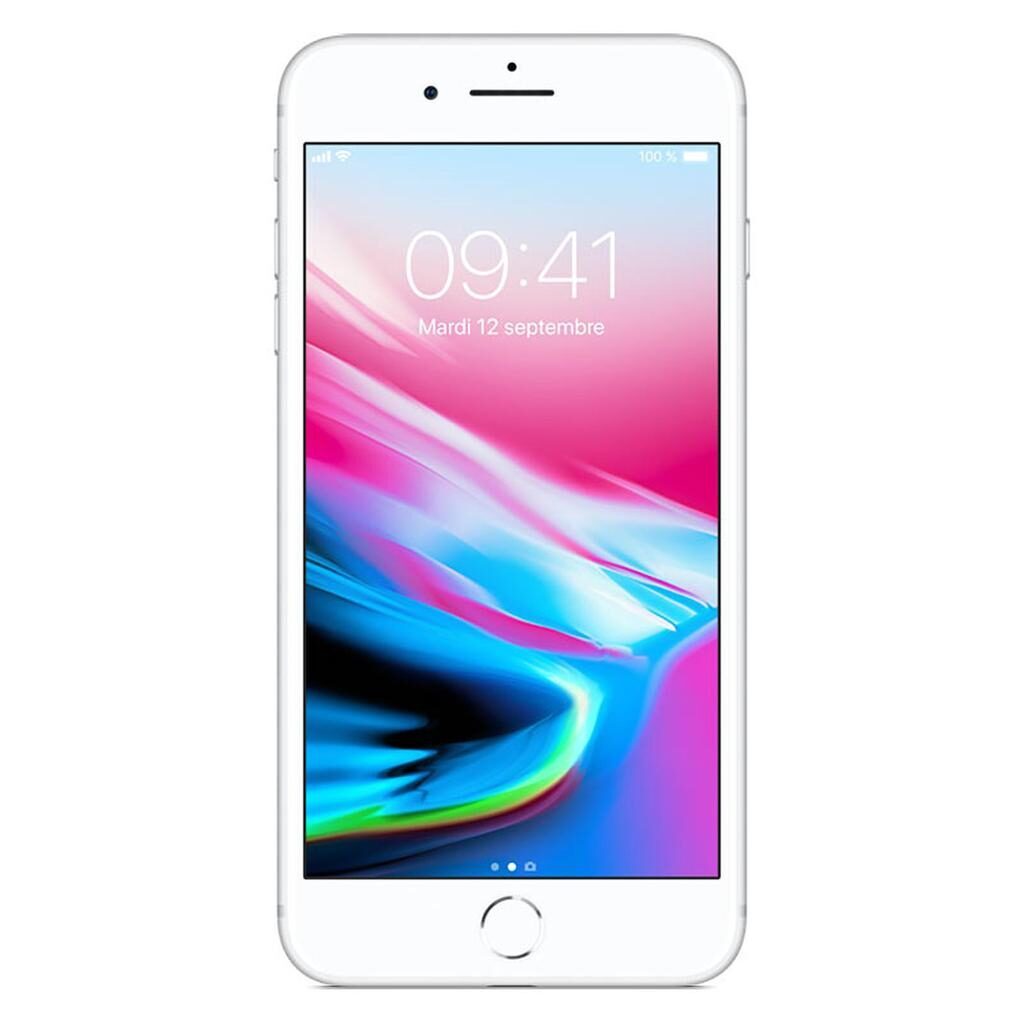
iPhone 8 Plus
Starting at
£100.56£399.00 newWhat's the difference between the iPhone 6S and iPhone 8 Plus?
iPhone 6S vs 8 Plus comes down to the chipset, RAM and battery. Refurbished, the iPhone 6S starts at £32.09, £68.47 less than the iPhone 8 Plus. The iPhone 8 Plus is the newer model, released in 2017.
Refurbished from
Chipset
RAM
Battery
Screen size
Screen type
- Chipset: Apple A9 APL0898 on the iPhone 6S, Apple A11 Bionic on the iPhone 8 Plus.
- The iPhone 8 Plus has more RAM: 3 GB vs 2 GB.
- The iPhone 8 Plus has a bigger battery: 2691 mAh vs 1715 mAh.
iPhone 6S vs iPhone 8 Plus specs
The iPhone 6S and iPhone 8 Plus differ in size, performance, and camera setup. The iPhone 6S is smaller and lighter, making it easier to handle for those who prefer a compact phone. The iPhone 8 Plus has a larger screen and a bigger battery, suited for longer use and more immersive viewing. Performance-wise, the iPhone 8 Plus offers more RAM and a newer chipset, which helps with multitasking and running apps smoothly. Photographers will appreciate the dual-camera system on the iPhone 8 Plus, while the iPhone 6S offers a simpler single camera. Storage options also vary, with the iPhone 8 Plus available in higher capacities. Your choice depends on whether you want a smaller device for everyday use or a larger phone with more features for multimedia and photography.
iPhone 6S vs iPhone 8 Plus price
Colour
iPhone 6S vs iPhone 8 Plus battery life and software updates
Durability covers battery capacity, operating system support, and physical design. These factors influence how long you can use the phone daily and the overall feel of the device.
Battery Capacity
The iPhone 6S has a 1715 mAh battery, which suits users with lighter daily use or those who prefer charging during the day. The iPhone 8 Plus offers a larger 2691 mAh battery, making it better for longer periods away from a charger, especially if you use your phone heavily for media or apps.
Battery
Foldable
Ip rating
Software updates
Wireless charging
Year of release
iPhone 6S vs iPhone 8 Plus performance
Performance depends on the chipset, RAM, and storage options. These determine how smoothly the phone runs apps, manages multitasking, and stores your data.
Chipset and RAM
The iPhone 6S uses the Apple A9 chipset with 2 GB of RAM, which is sufficient for everyday tasks and lighter app use. The iPhone 8 Plus has the Apple A11 Bionic chipset with 3 GB of RAM, providing smoother multitasking and better handling of more demanding apps or games.
Storage Options
The iPhone 6S is available in 16GB, 32GB, and 64GB variants, making it suitable for users with basic storage needs. The iPhone 8 Plus starts at 64GB and goes up to 256GB, ideal for those who want to store more photos, videos, and apps without frequently managing space.
Chipset
RAM
iPhone 6S vs iPhone 8 Plus screen
Screen quality affects how content looks and how much space you have for viewing. Differences in size, resolution, and technology shape your experience watching videos, browsing, or reading.
Screen Size and Resolution
The iPhone 6S features a 4.7 inch screen with a 750 x 1334 resolution, suited for users who prefer a smaller, easy-to-handle phone. The iPhone 8 Plus has a larger 5.5 inch screen with 1080 x 1920 resolution, offering more room and sharper images, which benefits watching videos or multitasking.
Screen Type
The iPhone 6S uses an IPS LCD screen, while the iPhone 8 Plus has a Retina IPS LCD. The Retina screen provides improved clarity and colour accuracy, making the iPhone 8 Plus better for viewing photos and videos with enhanced detail.
Resolution
Screen size
Screen type
iPhone 6S vs iPhone 8 Plus camera
Audiovisual features include cameras and front cameras, which affect how you capture photos and video calls.
Camera Setup
The iPhone 6S has a single 12 megapixel main camera, suitable for everyday photography. The iPhone 8 Plus offers a dual 12 megapixel camera system, which can provide more versatile photography options like better portrait shots.
Front Camera
The iPhone 6S has a 5 megapixel front camera, which works well for standard selfies and video calls. The iPhone 8 Plus features a 7 megapixel front camera, capturing more detail and potentially better quality for video chats and selfies.
Camera type
Front camera
Main camera
iPhone 6S vs iPhone 8 Plus size and design
Other differences include physical dimensions, connectors, and network compatibility, which influence comfort, accessory use, and ease of connection.
Size and Weight
The iPhone 6S measures 138.3 mm in height, 67.1 mm in width, and weighs 143 g, making it compact and lightweight for easy handling. The iPhone 8 Plus is larger at 158.4 mm tall, 78.1 mm wide, and weighs 202 g, offering a bigger display but a heavier feel that suits those who prefer larger phones.
Connector Types
The iPhone 6S includes both a Lightning connector and a 3.5mm headphone jack, which is convenient for using traditional headphones without an adapter. The iPhone 8 Plus has only a Lightning connector, so headphones must connect via Lightning or Bluetooth.
Network and SIM
Both models are unlocked and support 4G mobile networks with physical SIM cards, making them suitable for use with a variety of UK networks and straightforward SIM management.
Carrier compatibility
Connector
Depth
Height
Mobile network
Release date
SD card slot
SIM card
Weight
Width
iPhone 6S or iPhone 8 Plus: which should you buy?
Buy the iPhone 6S if
- you want to spend less: it starts at £32.09, £68.47 less than the iPhone 8 Plus
- you want a lighter build (143 g vs 202 g)
- you want a headphone jack
Buy the iPhone 8 Plus if
- you want more RAM (3 GB vs 2 GB)
- you want a bigger battery (2691 mAh vs 1715 mAh)
- you want a bigger screen (5.5 inch vs 4.7 inch)
What our customers say
Customers say the iPhone 6S looks like new and comes in excellent condition. Many find it lightweight and easy to handle, suitable for those switching from older or smaller devices. Battery health varies, with some users noting good all-day performance and others mentioning it needs attention. The screen and camera meet everyday needs well, and the device is appreciated as a reliable smartphone for simple use. Buyers often recommend it for its balance of quality and price.
Reviews for the iPhone 8 Plus highlight excellent condition and good build quality. The larger screen is popular for family use and gaming, while the dual cameras and higher front camera resolution please those who enjoy photography and video calls. Some users report setup challenges or battery life concerns, but many find it well suited for multimedia and staying connected. The bigger size and weight suit those who want a more substantial phone for watching videos or using apps.
Overall, the iPhone 6S is a good choice if you prefer a smaller, lighter device for everyday use with standard features. The iPhone 8 Plus fits users who want a larger display, better camera options, and extra storage for multimedia activities.
iPhone 6S vs iPhone 8 Plus FAQs
iPhone 6S vs 8 Plus comes down to the chipset, RAM and battery. Chipset: Apple A9 APL0898 on the iPhone 6S, Apple A11 Bionic on the iPhone 8 Plus. The iPhone 8 Plus has more RAM: 3 GB vs 2 GB.
The iPhone 6S is cheaper refurbished, from £32.09 compared with £100.56 for the iPhone 8 Plus.
The iPhone 8 Plus has a bigger battery: 2691 mAh vs 1715 mAh.
Both have the same main camera: 12 megapixels.
Updates for the iPhone 6S ended in Mar 2025. Its last version is iOS 15. Updates for the iPhone 8 Plus ended in Mar 2025. Its last version is iOS 16.
The iPhone 8 Plus adds more RAM (3 GB vs 2 GB), a bigger battery (2691 mAh vs 1715 mAh) and a bigger screen (5.5 inch vs 4.7 inch). Refurbished, it costs £68.47 more (from £100.56 vs £32.09).
Refurbished, the iPhone 6S comes in 16GB, 32GB and 64GB, and the iPhone 8 Plus in 64GB and 256GB.