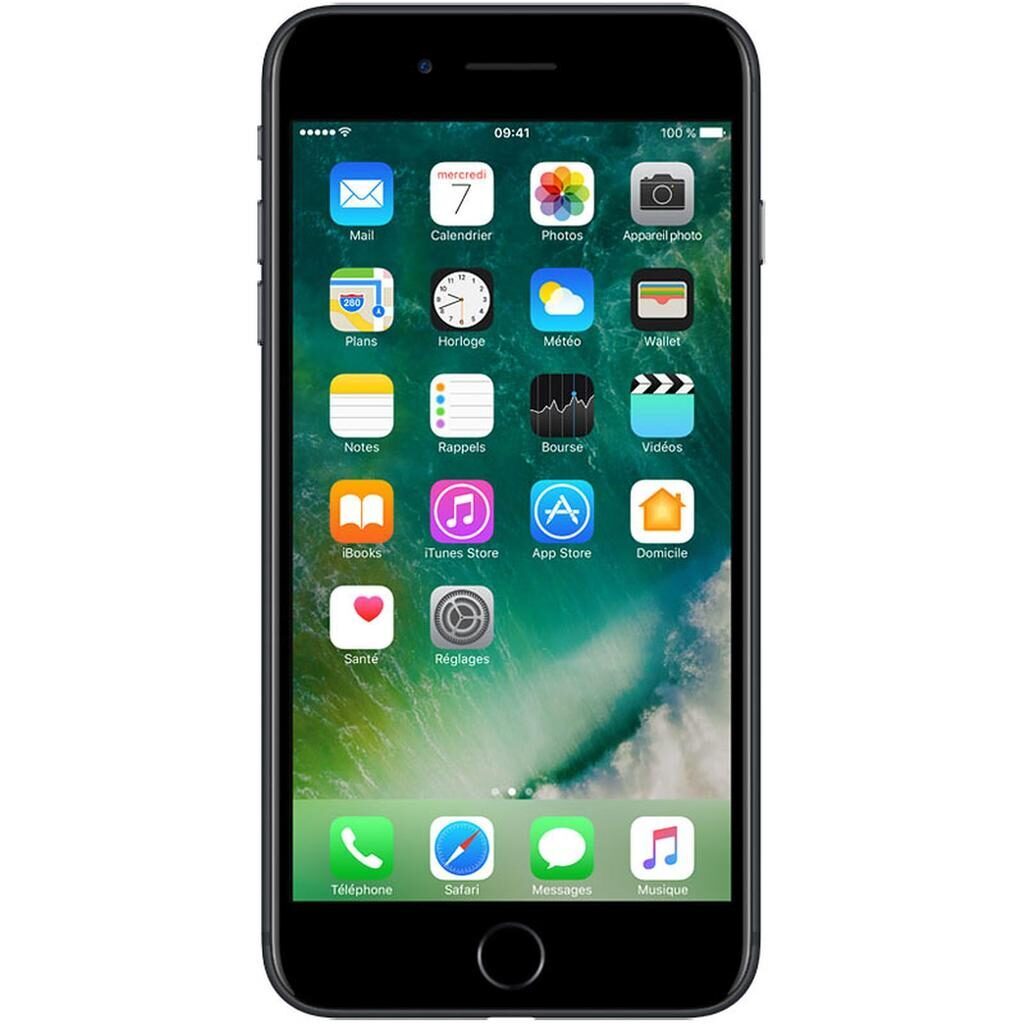
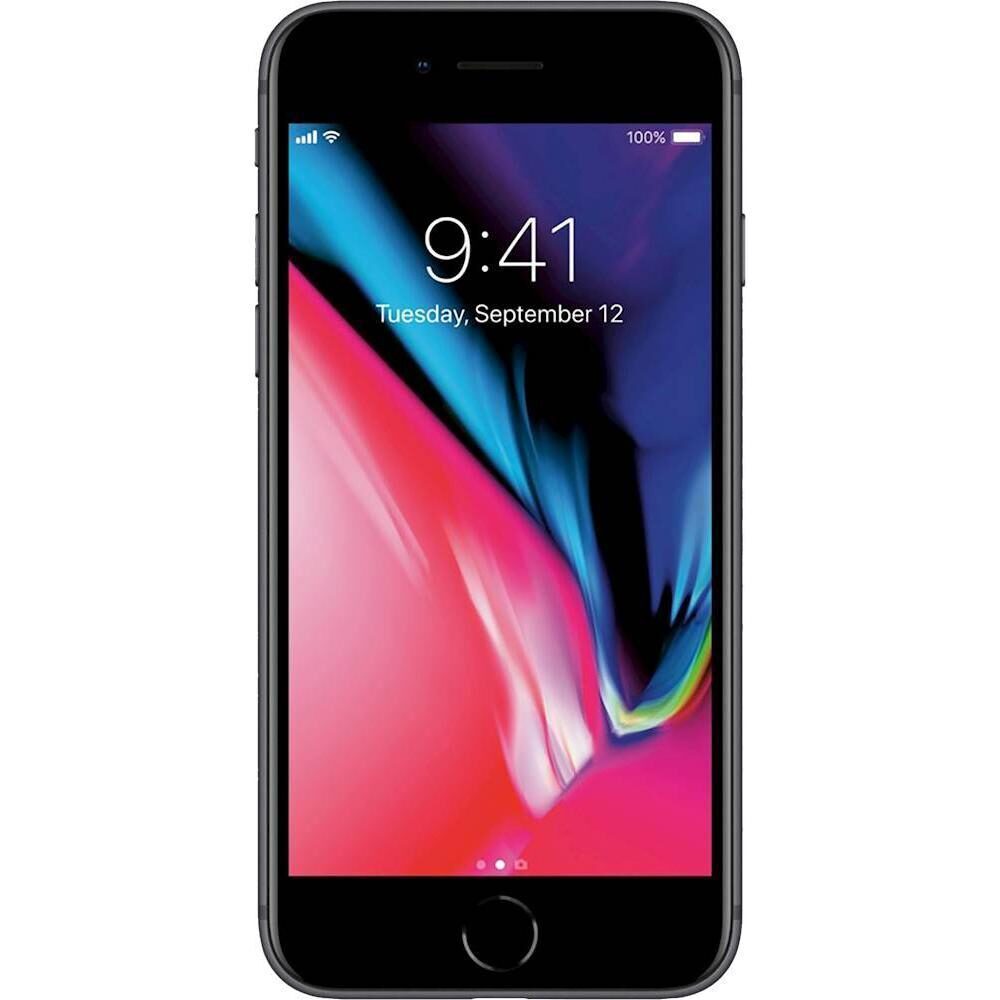
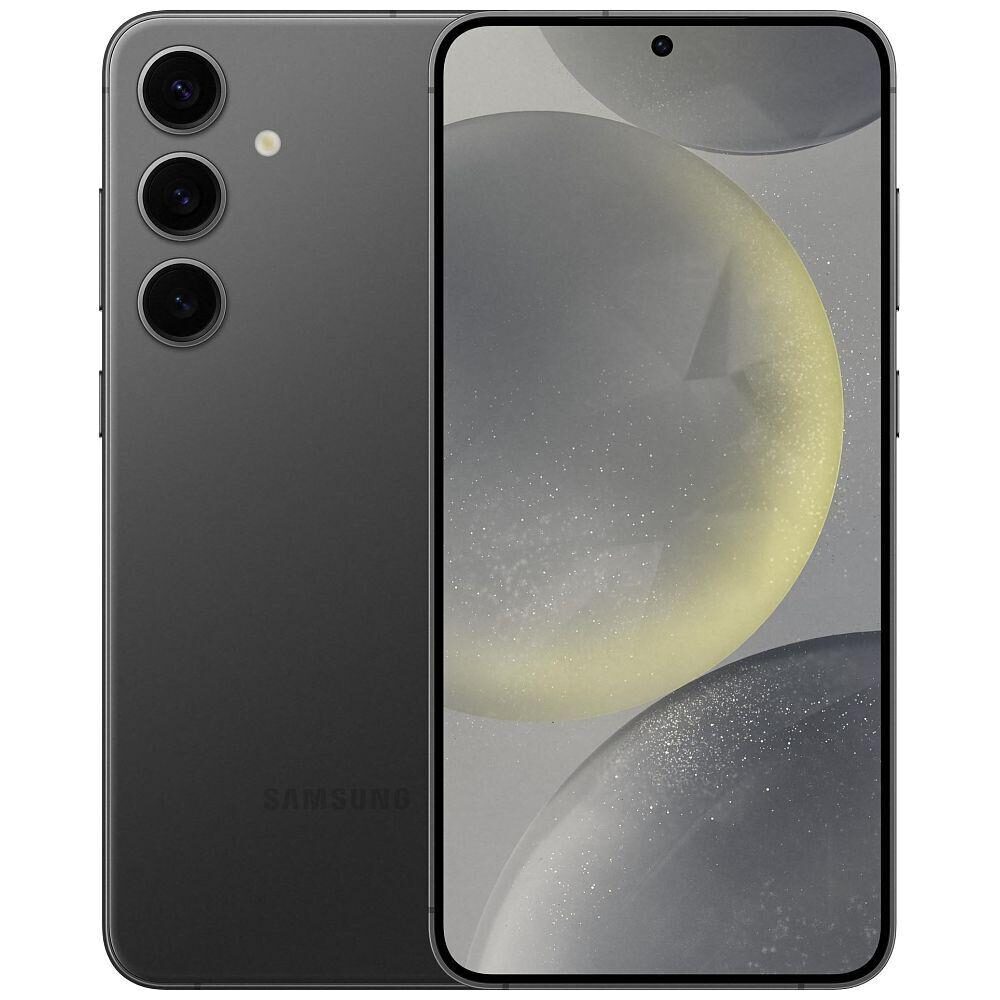
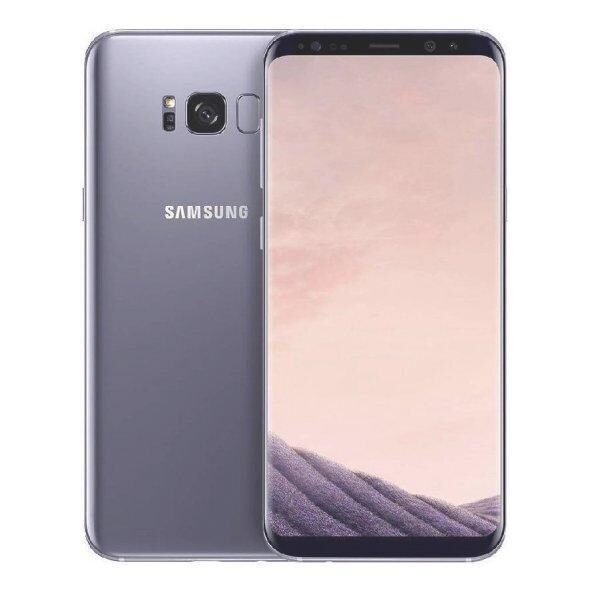
iPhone 16e vs iPhone SE (2016)
Shop iPhone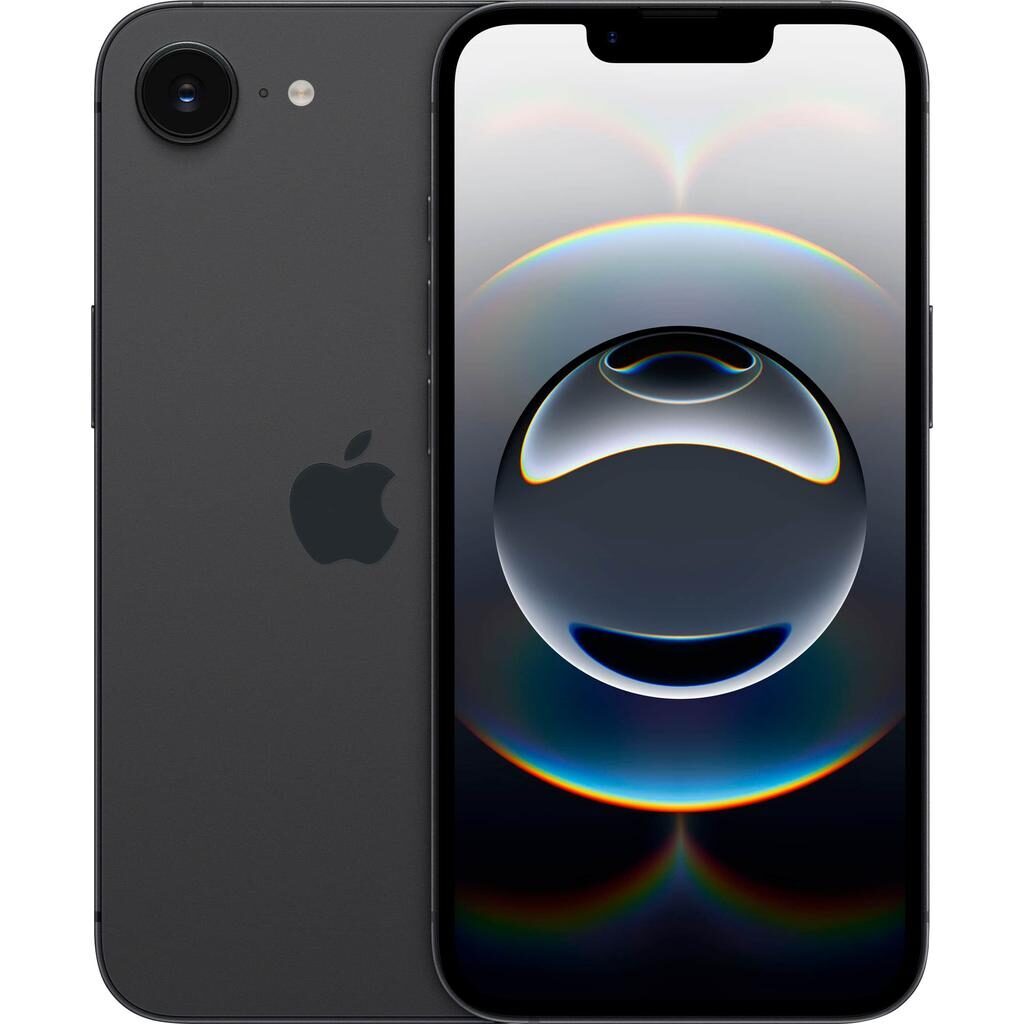
iPhone 16e
Starting at
£478.75£599.00 new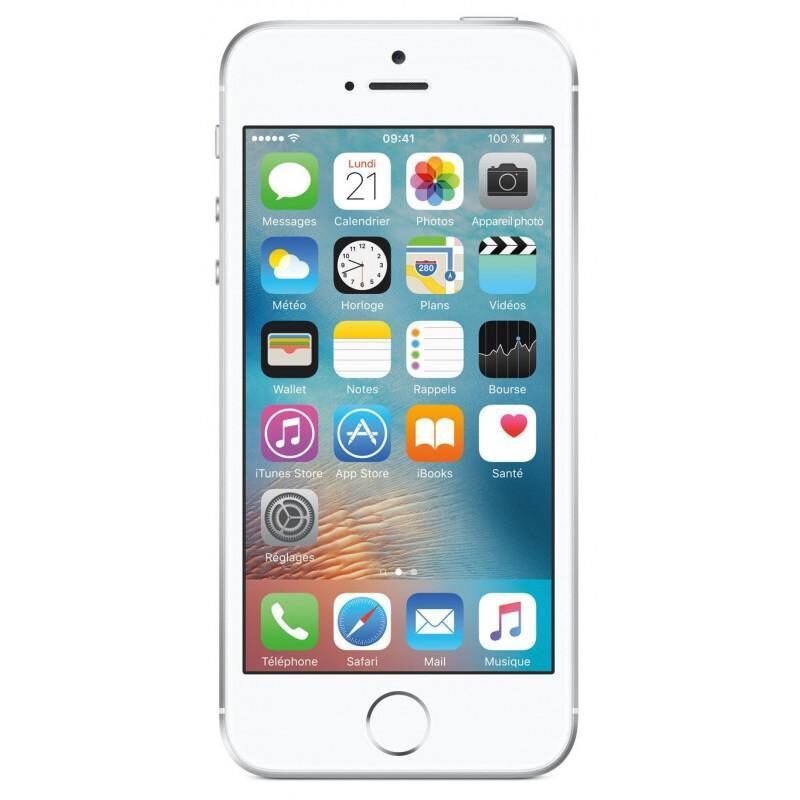
iPhone SE (2016)
Starting at
£192.40What's the difference between the iPhone 16e and iPhone SE (2016)?
iPhone 16e vs iPhone SE (2016) comes down to the chipset, RAM and battery. Refurbished, the iPhone SE (2016) starts at £192.40, £286.35 less than the iPhone 16e. The iPhone 16e is the newer model, released in 2025.
Refurbished from
Chipset
RAM
Battery
Screen size
Screen type
- Chipset: Apple A18 (3 nm) on the iPhone 16e, Apple A9 (14 nm) on the iPhone SE (2016).
- The iPhone 16e has more RAM: 8 GB vs 2 GB.
- The iPhone 16e has a bigger battery: 4005 mAh vs 1624 mAh.
iPhone 16e vs iPhone SE (2016) specs
The iPhone 16e and iPhone SE (2016) serve different needs based on their specifications. The iPhone 16e is suited for users who want a larger, higher-resolution OLED screen and more memory for keeping apps open. It offers a much bigger battery capacity and supports 5G connectivity, making it suitable for longer daily use and faster mobile networks. The iPhone SE (2016) fits those who prefer a smaller device with a lower resolution screen and simpler performance, ideal for everyday use or those who want a compact phone. The 16e uses USB-C and supports eSIM alongside a physical SIM, while the SE offers Lightning and a headphone jack with just a physical SIM. Storage options also differ with the 16e available in larger capacities.
iPhone 16e vs iPhone SE (2016) price
iPhone 16e vs iPhone SE (2016) battery life and software updates
Durability varies mainly in battery capacity and operating system, which affect how long each device can last through the day and their general usability.
Battery Capacity
The iPhone 16e has a 4005 mAh battery, which is significantly larger than the iPhone SE (2016) battery at 1624 mAh. This means the 16e is designed for longer usage without recharging, suiting users who use their phones extensively through the day. The SE offers a smaller battery better suited to lighter daily use or shorter screen time.
Operating System
Both devices run iOS, ensuring a familiar interface and access to Apple's app ecosystem. This means software support and app availability are consistent across both phones, focusing the durability difference mainly on battery capacity.
Battery
Foldable
Ip rating
Software updates
Wireless charging
Year of release
iPhone 16e vs iPhone SE (2016) performance
Performance differences focus on the chipset, RAM, and storage options, which influence speed, multitasking, and how much data or apps you can keep on the phone.
Chipset and RAM
The iPhone 16e features the Apple A18 chipset built on a 3 nm process with 8 GB of RAM, providing smoother handling of multiple apps and more demanding tasks. The iPhone SE (2016) runs on the Apple A9 chipset with 2 GB of RAM, suitable for everyday activities and simpler app use. Users who keep many apps open or use resource-intensive apps will find the 16e more responsive.
Storage Options
The iPhone 16e offers 128GB, 256GB, and 512GB storage choices, accommodating users with large photo libraries, apps, or media collections. The iPhone SE (2016) comes with 64GB storage, which suits those with lighter storage needs or who use cloud services more.
Chipset
RAM
iPhone 16e vs iPhone SE (2016) screen
Screen quality affects viewing experience for videos, photos, and general use. Differences in size, resolution, and screen technology create distinct experiences on these two devices.
Screen Size and Resolution
The iPhone 16e has a 6.1 inch screen with a resolution of 2532x1170 pixels, offering a much larger and sharper display. This suits users who watch videos, play games, or browse with detailed visuals. The iPhone SE (2016) has a smaller 4 inch screen and a resolution of 640x1136 pixels, which is more compact and fits users who prefer a phone that is easier to hold and pocket.
Screen Type
The iPhone 16e uses a Super Retina XDR OLED screen, which provides richer colours and deeper blacks, improving contrast and brightness for a more vibrant viewing experience. The iPhone SE (2016) uses an IPS LCD screen, which delivers accurate colours but with less contrast and brightness compared to OLED. This suits users who want a simple clear display without the higher brightness or contrast of OLED.
Resolution
Screen size
Screen type
iPhone 16e vs iPhone SE (2016) camera
Camera type
Front camera
Main camera
iPhone 16e vs iPhone SE (2016) size and design
Various features such as network compatibility, connectors, physical dimensions, and SIM options differ and influence how each phone fits into daily use and setups.
Network and SIM Options
The iPhone 16e supports 5G networks, providing access to faster mobile data where available. It also supports both a physical SIM and eSIM, offering flexible options for managing multiple numbers or plans. The iPhone SE (2016) supports 4G and uses only a physical SIM, suitable for users with simpler network needs.
Connectors
The iPhone 16e uses a USB-C connector, which is common for modern devices and enables fast charging and data transfer with compatible cables. The iPhone SE (2016) has a Lightning connector plus a 3.5mm headphone jack, allowing use of wired headphones without an adapter.
Size and Weight
The iPhone 16e measures 146.7 mm in height, 71.5 mm in width, and 7.8 mm in depth, weighing 167 g. It is larger and heavier, fitting users comfortable with a bigger phone. The iPhone SE (2016) is smaller at 123.8 mm height, 58.6 mm width, and 7.6 mm depth, weighing 113 g, which suits those wanting a compact and lighter phone.
Carrier compatibility
Connector
Depth
Height
Mobile network
Release date
SD card slot
SIM card
Weight
Width
iPhone 16e or iPhone SE (2016): which should you buy?
Buy the iPhone 16e if
- you want more RAM (8 GB vs 2 GB)
- you want a bigger battery (4005 mAh vs 1624 mAh)
- you want a bigger screen (6.1 inch vs 4 inch)
Buy the iPhone SE (2016) if
- you want to spend less: it starts at £192.40, £286.35 less than the iPhone 16e
- you want a lighter build (113 g vs 167 g)
- you want a headphone jack
What our customers say
Customers say the iPhone 16e looks and works like new, with many reporting excellent battery life and smooth performance. Several buyers upgraded from previous models and praise the speed, screen quality, and camera improvements. The ease of using eSIM and the USB-C connector are also noted. Some mention data transfer required manual effort, but overall the device meets expectations for a premium refurbished phone. The condition is often described as excellent, with batteries showing minimal cycles.
Users of the iPhone SE (2016) appreciate its value and compact size, with customers saying it works well for everyday needs. Many find the battery life solid for their use and the phone runs smoothly for its design. The smaller screen and simpler performance suit those looking for a straightforward device, and the included headphone jack is convenient. Some customers highlight surface scratches but say the phone functions as expected.
The iPhone 16e fits users wanting a larger, sharper screen and faster performance for multitasking and media. The iPhone SE (2016) is suited to buyers who prioritise a smaller phone with features for daily use or a lower price point.
iPhone 16e vs iPhone SE (2016) FAQs
iPhone 16e vs iPhone SE (2016) comes down to the chipset, RAM and battery. Chipset: Apple A18 (3 nm) on the iPhone 16e, Apple A9 (14 nm) on the iPhone SE (2016). The iPhone 16e has more RAM: 8 GB vs 2 GB.
The iPhone SE (2016) is cheaper refurbished, from £192.40 compared with £478.75 for the iPhone 16e.
The iPhone 16e has a bigger battery: 4005 mAh vs 1624 mAh.
The iPhone 16e has a higher-resolution main camera: 48 megapixels vs 12 megapixels.
The iPhone 16e is still supported and can run iOS 27. Updates for the iPhone SE (2016) ended in Mar 2025. Its last version is iOS 15.
The iPhone 16e adds more RAM (8 GB vs 2 GB), a bigger battery (4005 mAh vs 1624 mAh) and a bigger screen (6.1 inch vs 4 inch). Refurbished, it costs £286.35 more (from £478.75 vs £192.40).
Refurbished, the iPhone 16e comes in 128GB, 256GB and 512GB, and the iPhone SE (2016) in 64GB.