iPhone 15 Plus vs iPhone X
Shop iPhone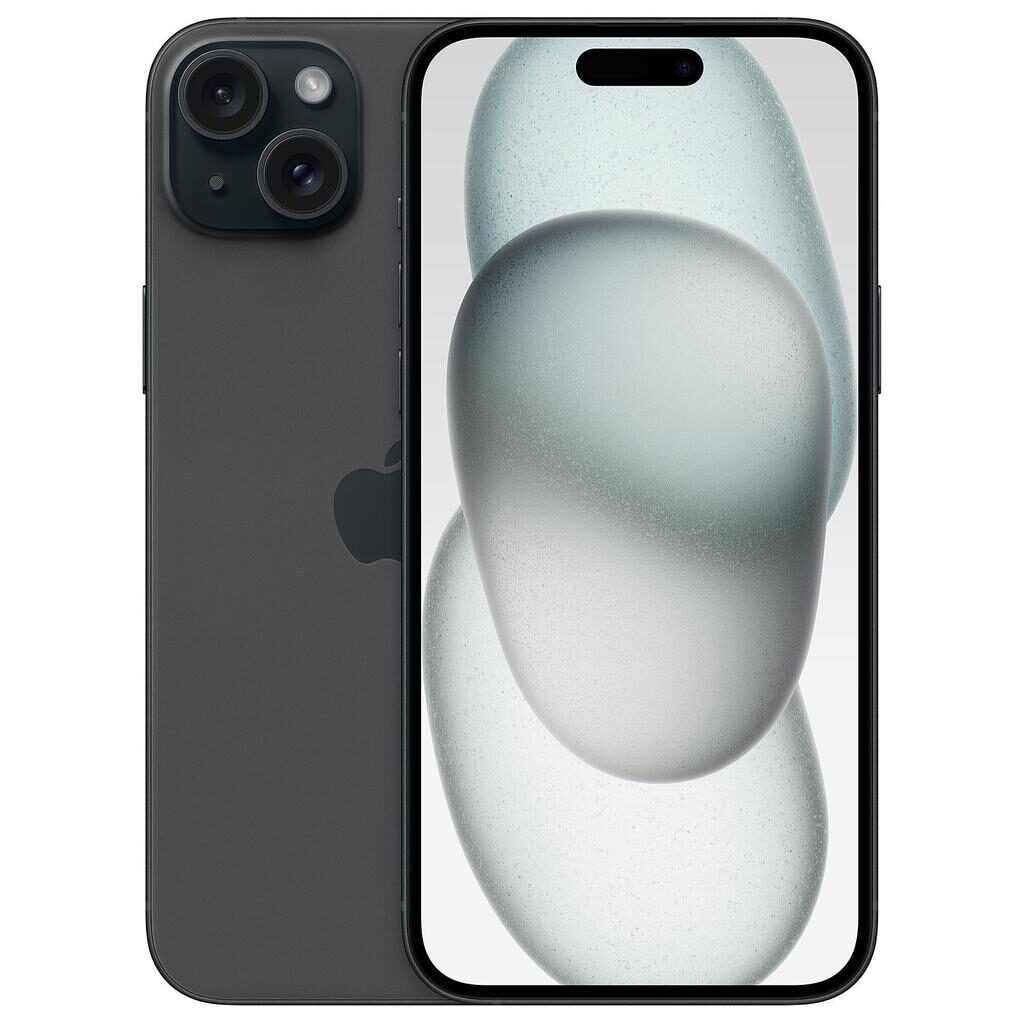
iPhone 15 Plus
Starting at
£439.65£799.00 new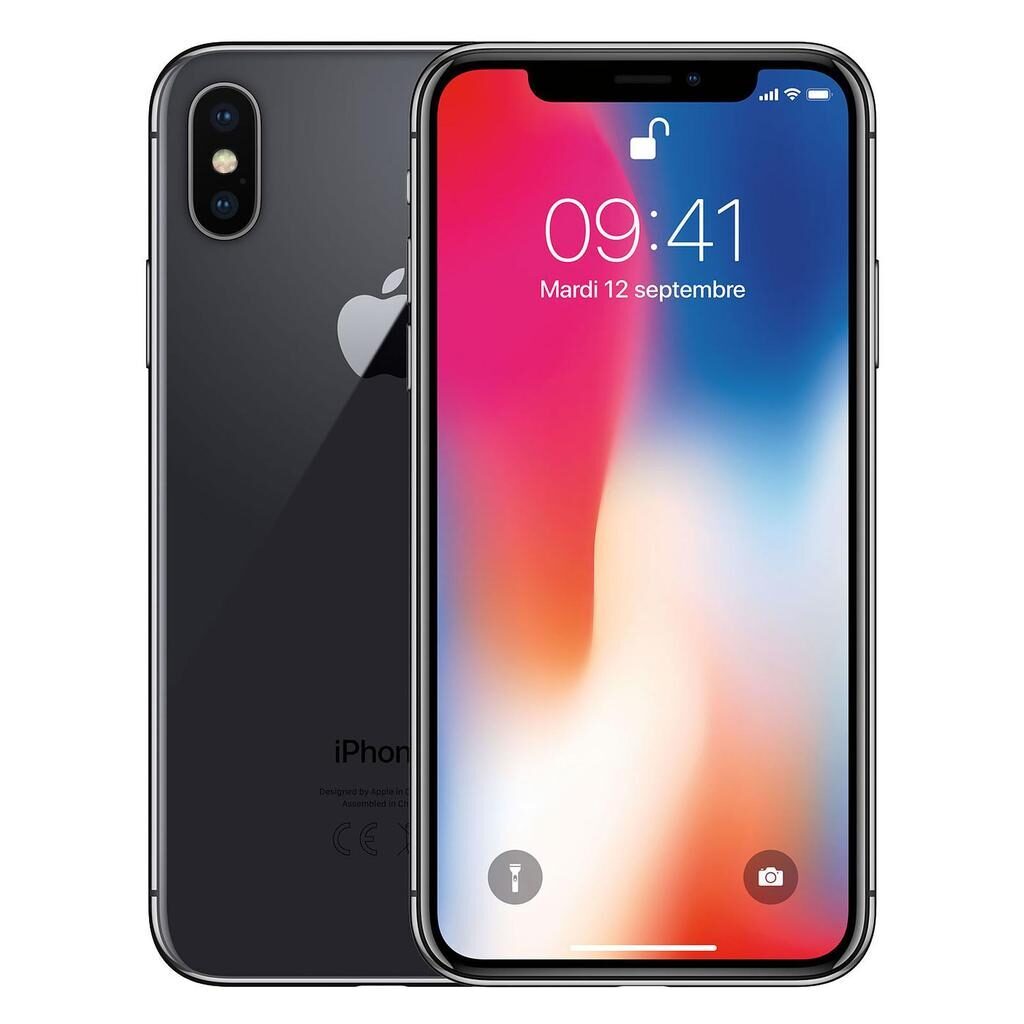
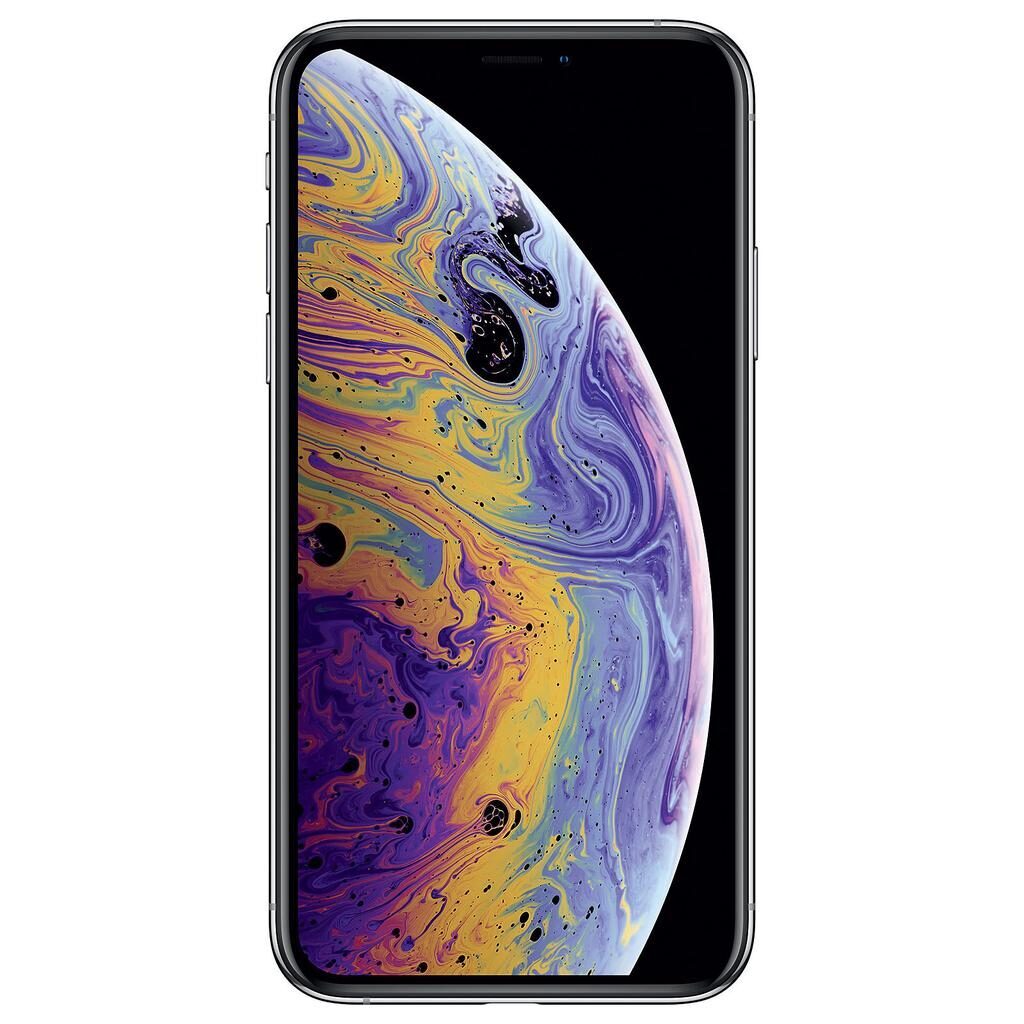
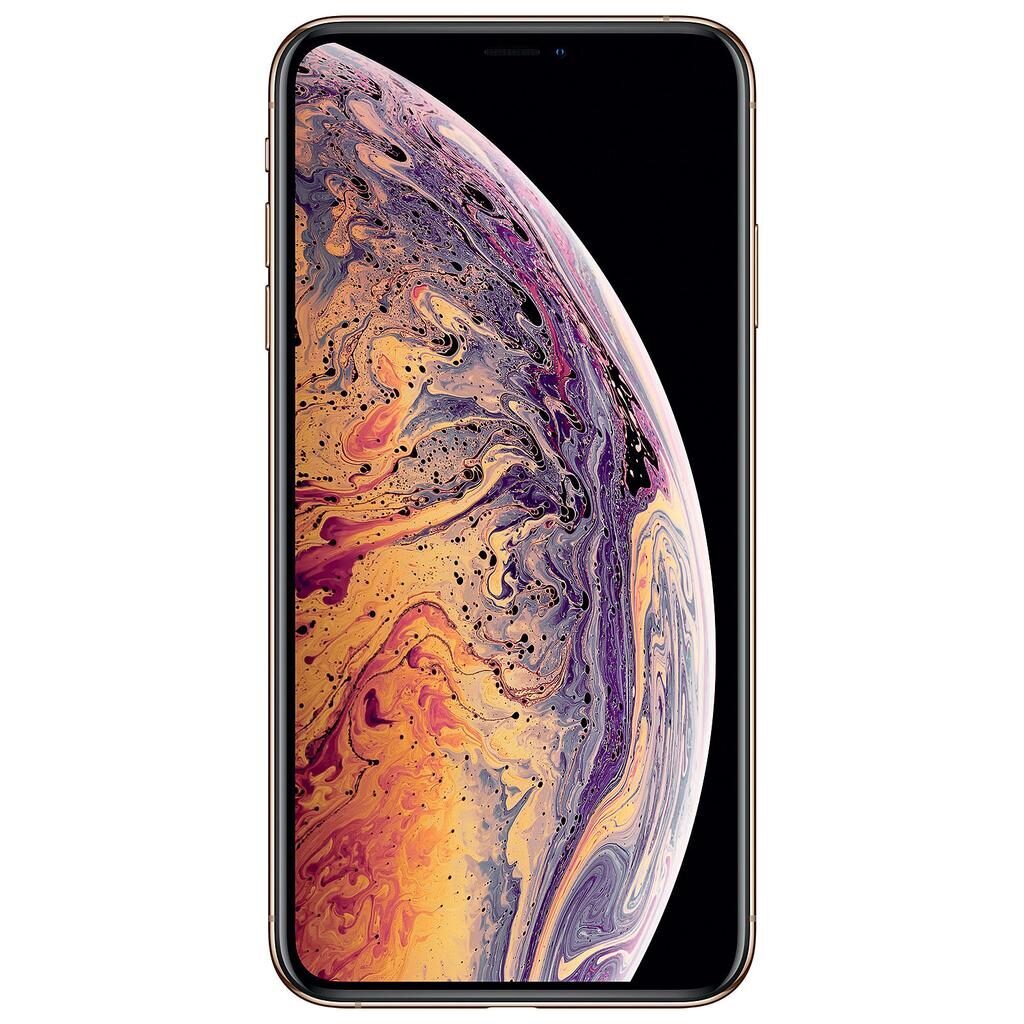
iPhone X
Starting at
£121.10£449.00 newWhat's the difference between the iPhone 15 Plus and iPhone X?
iPhone 15 Plus vs X comes down to the chipset, RAM and battery. Refurbished, the iPhone X starts at £121.10, £318.55 less than the iPhone 15 Plus. The iPhone 15 Plus is the newer model, released in 2023.
Refurbished from
Chipset
RAM
Battery
Screen size
Screen type
- Chipset: Apple A16 Bionic on the iPhone 15 Plus, Apple A11 Bionic (10 nm) on the iPhone X.
- The iPhone 15 Plus has more RAM: 6 GB vs 3 GB.
- The iPhone 15 Plus has a bigger battery: 4383 mAh vs 2716 mAh.
iPhone 15 Plus vs iPhone X specs
The iPhone 15 Plus and iPhone X offer different experiences suited to different users. The iPhone 15 Plus has a larger and higher resolution screen, more RAM, a stronger battery, and cameras with higher megapixel counts, making it suitable for those who want more from their device in terms of performance, photography, and media viewing. It also supports 5G and uses USB-C for charging. The iPhone X has a smaller screen and lower RAM but comes in lower storage options and supports 4G, making it a good fit for everyday use or those who prefer a more compact phone.
iPhone 15 Plus vs iPhone X price
Colour
iPhone 15 Plus vs iPhone X battery life and software updates
Battery life and software updates matter for daily use and long-term support. These two devices differ notably in battery capacity and software compatibility.
Battery Capacity
The iPhone 15 Plus has a 4383 mAh battery, which suits users who need their phone to last through longer days or heavy use. The iPhone X has a 2716 mAh battery, which fits users with lighter daily use or those who charge more often.
Battery
Foldable
Ip rating
Software updates
Wireless charging
Year of release
iPhone 15 Plus vs iPhone X performance
Performance affects how well the phone handles apps, multitasking, and responsiveness. The two devices offer different chipsets, RAM, and storage options.
Chipset Technology
The iPhone 15 Plus uses the Apple A16 Bionic chipset built on a 4 nm process, providing faster performance and efficiency for demanding apps and tasks. The iPhone X has the Apple A11 Bionic chipset with a 10 nm process, which suits everyday use and standard apps.
Memory Capacity
With 6 GB of RAM, the iPhone 15 Plus can keep more apps open and support smoother multitasking. The iPhone X has 3 GB of RAM, suitable for everyday tasks and less intensive app use.
Storage Options
The iPhone 15 Plus is stocked in 128GB, 256GB, and 512GB variants, which suits users who need more space for apps, media, and files. The iPhone X comes in 64GB and 256GB options, fitting users with moderate storage needs.
Chipset
RAM
iPhone 15 Plus vs iPhone X screen
Screen size and resolution impact how you view content like videos, photos, and reading. The screen type also affects display quality.
Screen Size and Resolution
The iPhone 15 Plus has a 6.7 inch screen with a resolution of 1290 x 2796, offering more room for video, gaming, and multitasking. The iPhone X has a 5.8 inch screen at 1125 x 2436 resolution, which suits users who prefer a smaller, more compact display.
Screen Technology
The iPhone 15 Plus uses a Super Retina XDR OLED screen, which provides enhanced brightness and contrast, benefiting users who watch lots of media or use their phone outdoors. The iPhone X features a Super Retina OLED screen, delivering vivid colours and good contrast for everyday viewing.
Refresh rate
Resolution
Screen size
Screen type
iPhone 15 Plus vs iPhone X camera
Camera quality and front camera resolution influence photo and video capture, as well as video calling experiences.
Main Camera Detail
The iPhone 15 Plus has a 48 megapixel main camera, which captures more detail for photos and videos, ideal for users who prioritise photography. The iPhone X has a 12 megapixel main camera, suitable for everyday photo needs.
Front Camera Resolution
With a 12 megapixel front camera, the iPhone 15 Plus offers sharper selfies and clearer video calls. The iPhone X has a 7 megapixel front camera, which meets standard requirements for video chats and casual selfies.
Camera type
Front camera
Main camera
iPhone 15 Plus vs iPhone X size and design
Other features like connectivity, size, and SIM options affect how you use the phone day to day and on the move.
Network Compatibility
The iPhone 15 Plus supports 5G networks, suitable for users wanting faster mobile data speeds where available. The iPhone X supports 4G, which works well in areas without 5G coverage or for those with standard data needs.
Connector Type
The iPhone 15 Plus uses a USB-C connector, which suits users with modern accessories and faster charging options. The iPhone X uses the Lightning connector, common in many accessories from its release period.
SIM Card Options
The iPhone 15 Plus supports both a physical SIM and eSIM, offering flexibility for using multiple carriers or plans. The iPhone X supports a physical SIM only.
Physical Size and Weight
The iPhone 15 Plus measures 160.9 mm in height, 77.8 mm in width, and 7.8 mm in depth, weighing 201 g, making it a larger and heavier phone for users who prefer a bigger device. The iPhone X is smaller at 143.6 mm height, 70.9 mm width, and 7.7 mm depth, weighing 174 g, fitting users who want a more compact and lighter phone.
Carrier compatibility
Connector
Depth
Height
Mobile network
Release date
SD card slot
SIM card
Weight
Width
iPhone 15 Plus or iPhone X: which should you buy?
Buy the iPhone 15 Plus if
- you want more RAM (6 GB vs 3 GB)
- you want a bigger battery (4383 mAh vs 2716 mAh)
- you want a bigger screen (6.7 inch vs 5.8 inch)
Buy the iPhone X if
- you want to spend less: it starts at £121.10, £318.55 less than the iPhone 15 Plus
- you want a lighter build (174 g vs 201 g)
What our customers say
Customers of the iPhone 15 Plus appreciate its condition and performance. Many note the phone looks like new and runs smoothly, with good battery life and quick charging. The larger screen and camera improvements stand out for those who use their phone for photos and media. Some customers mention the phone is bigger and heavier but find the increased screen size helpful for viewing. The switch to USB-C and 5G compatibility are also welcomed by users. Overall, customers are happy with the phone's quality and usability.
For the iPhone X, customers value the phone's condition and reliability for everyday use. Many find it looks and feels like new, with good battery life for typical daily tasks. The device suits those who want a compact phone or lower priced option. Some customers note the phone is smooth in operation for standard apps. There are also mentions of the phone handling basic needs well for younger users or those with simpler requirements.
In summary, the iPhone 15 Plus is well suited to users who want a larger screen, stronger performance, and better cameras, while the iPhone X fits those who prefer a smaller phone focused on essential functions and moderate storage.
iPhone 15 Plus vs iPhone X FAQs
iPhone 15 Plus vs X comes down to the chipset, RAM and battery. Chipset: Apple A16 Bionic on the iPhone 15 Plus, Apple A11 Bionic (10 nm) on the iPhone X. The iPhone 15 Plus has more RAM: 6 GB vs 3 GB.
The iPhone X is cheaper refurbished, from £121.10 compared with £439.65 for the iPhone 15 Plus.
The iPhone 15 Plus has a bigger battery: 4383 mAh vs 2716 mAh.
The iPhone 15 Plus has a higher-resolution main camera: 48 megapixels vs 12 megapixels.
The iPhone 15 Plus is still supported and can run iOS 27. Updates for the iPhone X ended in Mar 2025. Its last version is iOS 16.
The iPhone 15 Plus adds more RAM (6 GB vs 3 GB), a bigger battery (4383 mAh vs 2716 mAh) and a bigger screen (6.7 inch vs 5.8 inch). Refurbished, it costs £318.55 more (from £439.65 vs £121.10).
Refurbished, the iPhone 15 Plus comes in 128GB, 256GB and 512GB, and the iPhone X in 64GB and 256GB.