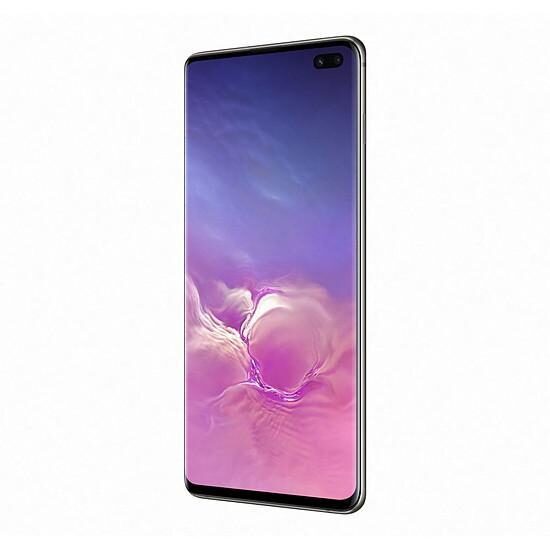
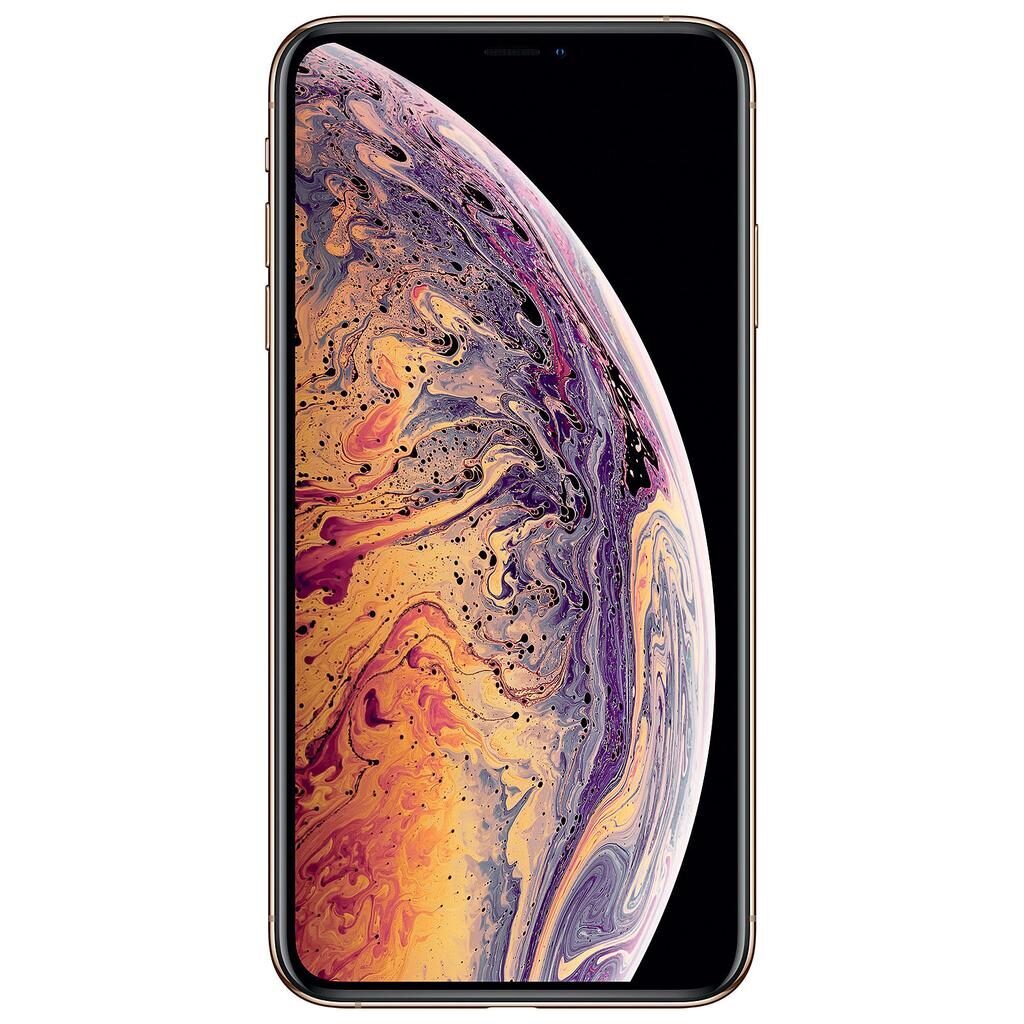
iPhone 11 Pro vs iPhone X
Shop iPhone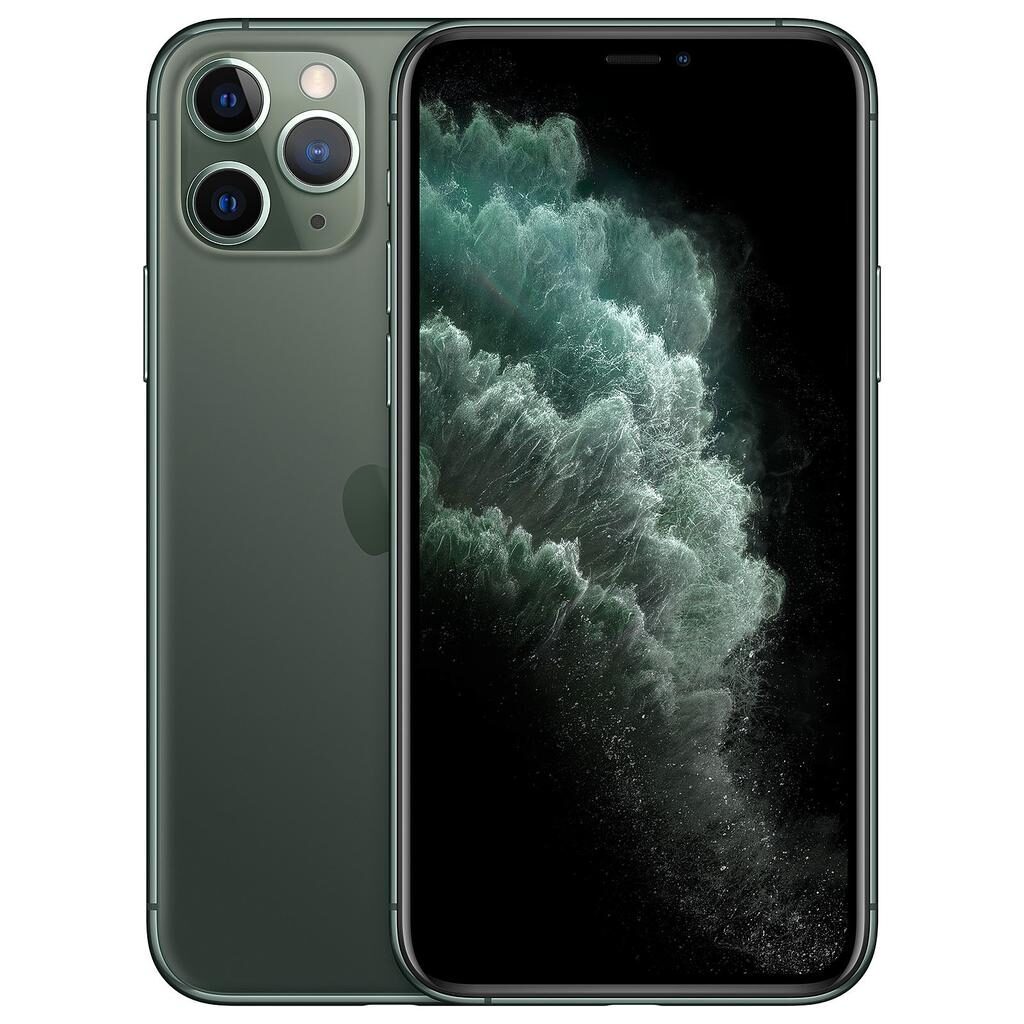
iPhone 11 Pro
Starting at
£199.73£639.00 new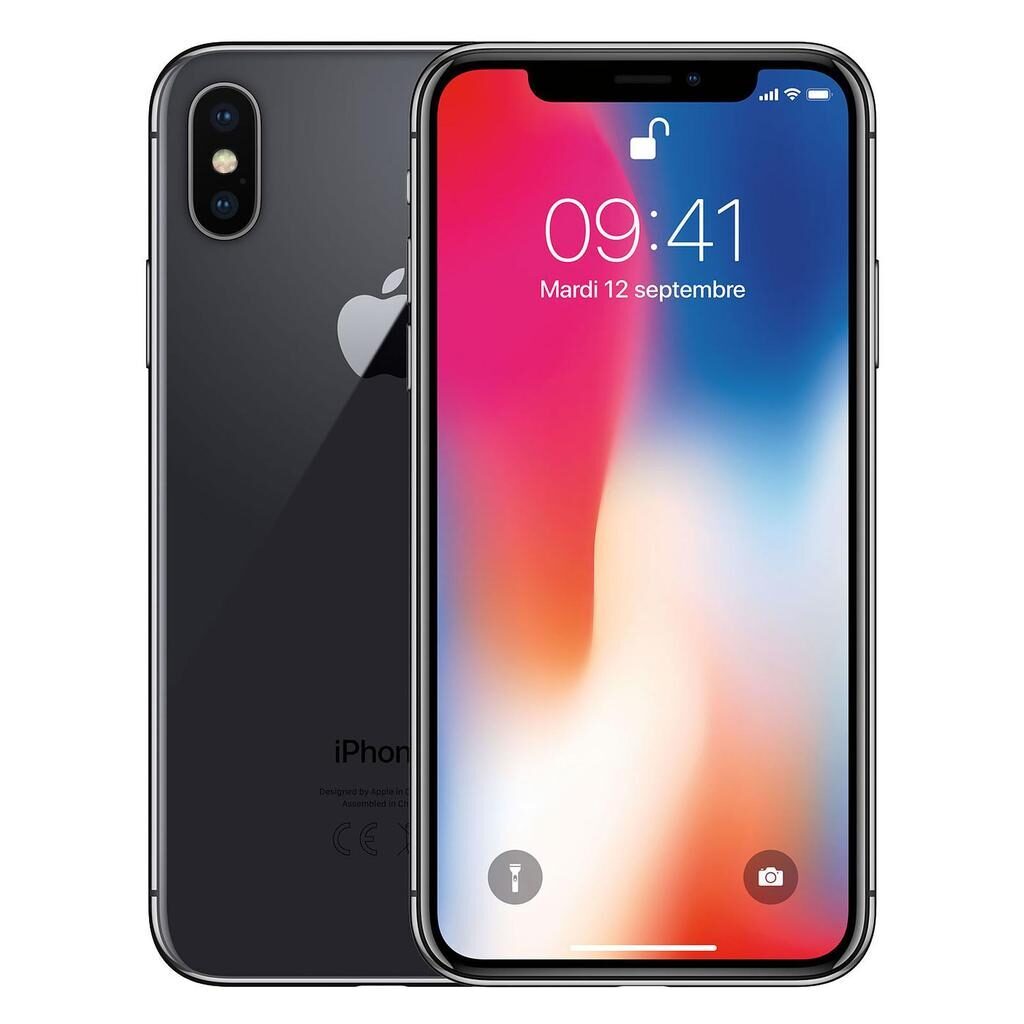
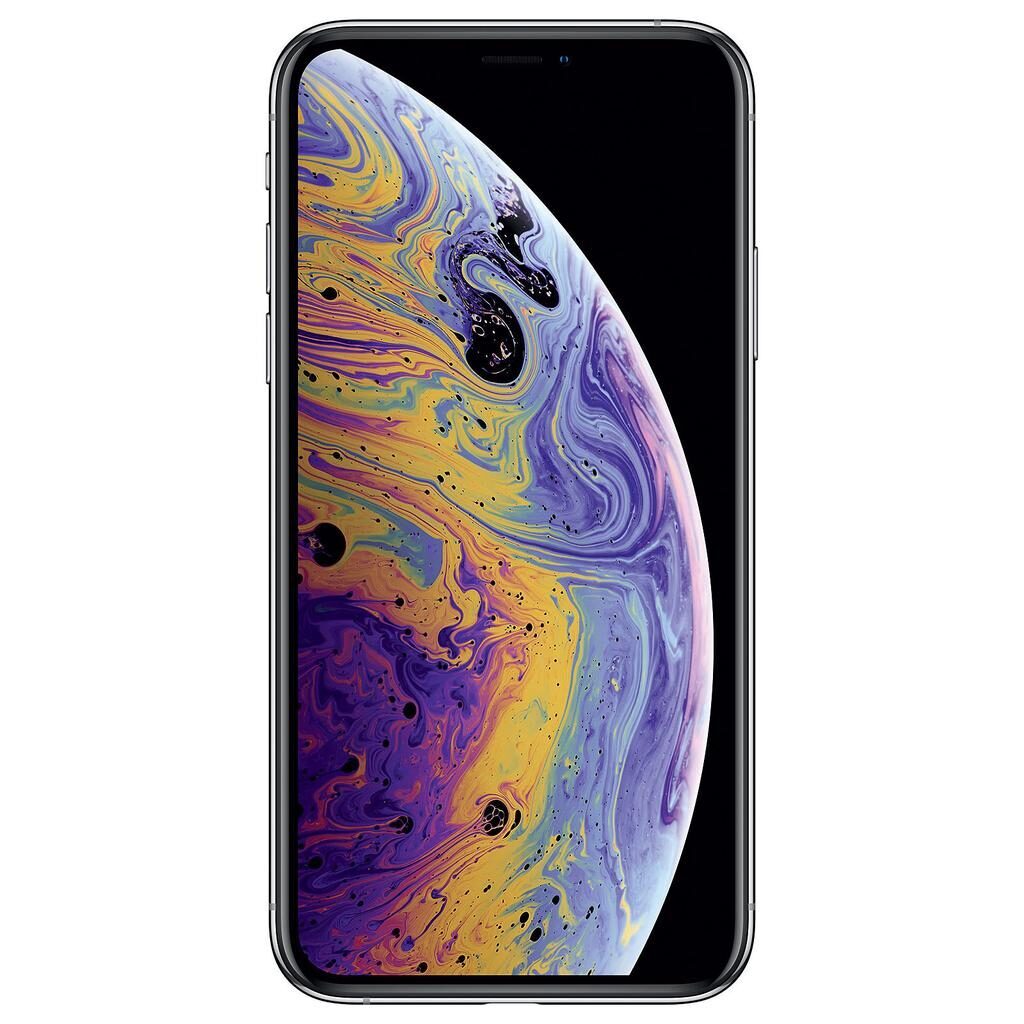
iPhone X
Starting at
£121.10£449.00 newWhat's the difference between the iPhone 11 Pro and iPhone X?
iPhone 11 Pro vs X comes down to the chipset, RAM and screen type. Refurbished, the iPhone X starts at £121.10, £78.63 less than the iPhone 11 Pro. The iPhone 11 Pro is the newer model, released in 2019.
Refurbished from
Chipset
RAM
Screen type
Front camera
Software updates
- Chipset: Apple A13 Bionic (7 nm+) on the iPhone 11 Pro, Apple A11 Bionic (10 nm) on the iPhone X.
- The iPhone 11 Pro has more RAM: 4 GB vs 3 GB.
- Screen type: Super Retina XDR OLED on the iPhone 11 Pro, Super Retina OLED on the iPhone X.
iPhone 11 Pro vs iPhone X specs
The iPhone 11 Pro and iPhone X share many features like screen size and resolution. Its triple main camera and sharper front camera provide more photographic options. The iPhone X offers solid performance and features that fit everyday use, especially for those who prefer a lighter device. Storage options differ slightly, with the iPhone 11 Pro available up to 512GB and the iPhone X up to 256GB. The choice depends on your preference for newer features and multitasking or straightforward use and lower storage capacity needs.
iPhone 11 Pro vs iPhone X price
Colour
iPhone 11 Pro vs iPhone X battery life and software updates
Durability covers software support and device longevity. Both run iOS.
Software Updates
This suits users who want ongoing improvements and longer support.
Battery
Foldable
Ip rating
Software updates
Wireless charging
Year of release
iPhone 11 Pro vs iPhone X performance
Performance affects how well the devices handle apps and tasks. The iPhone 11 Pro has a newer chipset and more RAM, supporting more demanding use and multitasking. Storage capacities also differ.
Chipset and Speed
The iPhone 11 Pro uses the Apple A13 Bionic chipset built on 7 nm+ technology, offering efficiency and power suited to users running intensive apps or games. The iPhone X has the Apple A11 Bionic chipset on 10 nm, suitable for everyday use but with less processing power.
Memory Capacity
With 4 GB of RAM, the iPhone 11 Pro can keep more apps active in the background, which benefits multitasking and smoother switching between tasks. The iPhone X has 3 GB of RAM, which handles regular app use well but may manage fewer apps simultaneously.
Storage Options
The iPhone 11 Pro comes in 64GB, 256GB, and 512GB, offering more space for apps, media, and files, ideal for users with larger storage needs. The iPhone X is available with 64GB and 256GB, which suits those with lighter storage requirements.
Chipset
RAM
iPhone 11 Pro vs iPhone X screen
Screen quality affects viewing experience. Both devices share the same resolution and screen size but use slightly different OLED technologies, influencing brightness and contrast.
Screen Type
The iPhone 11 Pro features a Super Retina XDR OLED screen, designed for higher brightness and better contrast, which benefits viewing in bright environments and watching HDR content. The iPhone X uses Super Retina OLED, which still delivers vibrant colours and sharpness but with less advanced display technology.
Refresh rate
Resolution
Screen size
Screen type
iPhone 11 Pro vs iPhone X camera
The audiovisual section covers cameras and front-facing camera resolution, important for photography and video calls. The iPhone 11 Pro offers more camera options and a higher resolution front camera.
Main Camera Setup
The iPhone 11 Pro has a triple main camera system, allowing for more versatile photography with options like ultra-wide and telephoto lenses. This suits users who want more creative control and variety in their photos. The iPhone X has a dual camera setup, good for standard photography needs.
Front Camera Resolution
With a 12 megapixel front camera, the iPhone 11 Pro captures sharper and more detailed selfies and video calls. The iPhone X's 7 megapixel front camera suits everyday video calls and selfies but with less detail.
Main Camera Resolution
Both phones have a 12 megapixel main camera, meaning image resolution is the same for their primary photos. The difference lies in the number of cameras and lens options, not pixel count.
Camera type
Front camera
Main camera
iPhone 11 Pro vs iPhone X size and design
Miscellaneous features include network compatibility, SIM options, physical dimensions, and weight. These details influence daily handling, connectivity, and convenience.
SIM Card Types
The iPhone 11 Pro supports both a physical SIM and an eSIM, allowing more flexibility with carriers or dual plans. The iPhone X supports only a physical SIM, which suits users who prefer a single SIM card setup.
Device Size and Weight
The iPhone 11 Pro measures 144 mm in height, 71.4 mm in width, and 8.1 mm in depth, weighing 188 g. The iPhone X is slightly taller at 143.6 mm, a bit wider at 70.9 mm, and 7.7 mm deep, weighing 174 g. The iPhone X's lighter weight may suit those preferring a lighter device, while the iPhone 11 Pro offers a slightly more compact height.
Carrier compatibility
Connector
Depth
Height
Mobile network
Release date
SD card slot
SIM card
Weight
Width
iPhone 11 Pro or iPhone X: which should you buy?
Buy the iPhone 11 Pro if
- you want more RAM (4 GB vs 3 GB)
- you want a higher-resolution front camera (12 megapixels vs 7 megapixels)
- you want longer software support (supported, up to iOS 27 vs ended Mar 2025, last iOS 16)
Buy the iPhone X if
- you want to spend less: it starts at £121.10, £78.63 less than the iPhone 11 Pro
- you want a lighter build (174 g vs 188 g)
What our customers say
Customers who chose the iPhone 11 Pro often highlight satisfaction with its condition, screen quality, and performance. Many find it feels almost new with healthy battery life and appreciate the smooth operation for everyday use and photography. Some mention the device handles multitasking well and the camera quality meets or exceeds expectations. A few note occasional issues but overall customers recommend this model for those wanting a reliable and capable iPhone.
Users of the iPhone X appreciate its solid performance and good condition, often describing it as looking and working like new. The device suits everyday use, with enough storage for photos and apps. Some mention the phone runs smoothly and the battery life is good for typical daily tasks. This model appeals to those seeking a simpler iPhone experience with dependable features and a lighter weight.
The iPhone 11 Pro fits users wanting more camera options, higher RAM for multitasking, and the latest iOS updates, while the iPhone X suits those preferring straightforward use with solid performance and a lighter device.
iPhone 11 Pro vs iPhone X FAQs
iPhone 11 Pro vs X comes down to the chipset, RAM and screen type. Chipset: Apple A13 Bionic (7 nm+) on the iPhone 11 Pro, Apple A11 Bionic (10 nm) on the iPhone X. The iPhone 11 Pro has more RAM: 4 GB vs 3 GB.
The iPhone X is cheaper refurbished, from £121.10 compared with £199.73 for the iPhone 11 Pro.
Both have the same main camera: 12 megapixels.
The iPhone 11 Pro is still supported and can run iOS 27. Updates for the iPhone X ended in Mar 2025. Its last version is iOS 16.
The iPhone 11 Pro adds more RAM (4 GB vs 3 GB), a higher-resolution front camera (12 megapixels vs 7 megapixels) and longer software support (supported, up to iOS 27 vs ended Mar 2025, last iOS 16). Refurbished, it costs £78.63 more (from £199.73 vs £121.10).
Refurbished, the iPhone 11 Pro comes in 64GB, 256GB and 512GB, and the iPhone X in 64GB and 256GB.