Huawei P20 Pro vs iPhone SE (2016)
Shop Android Smartphones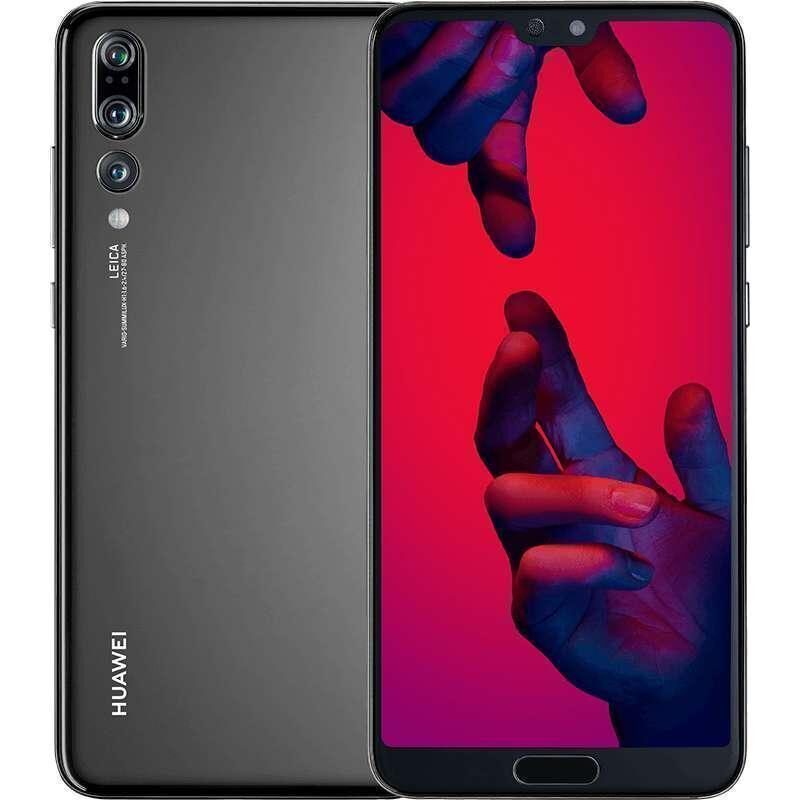
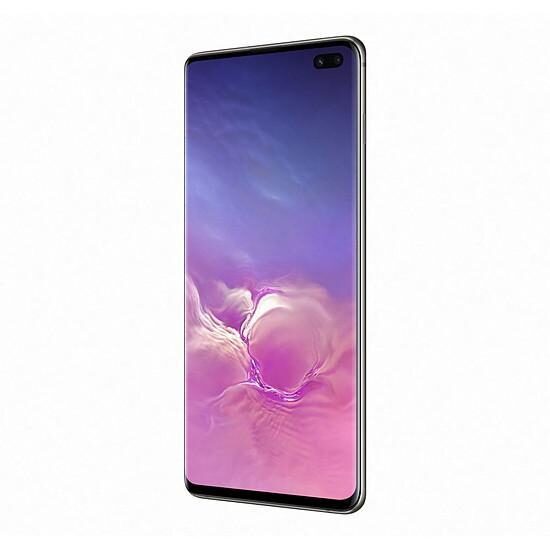
Huawei P20 Pro
Starting at
£119.00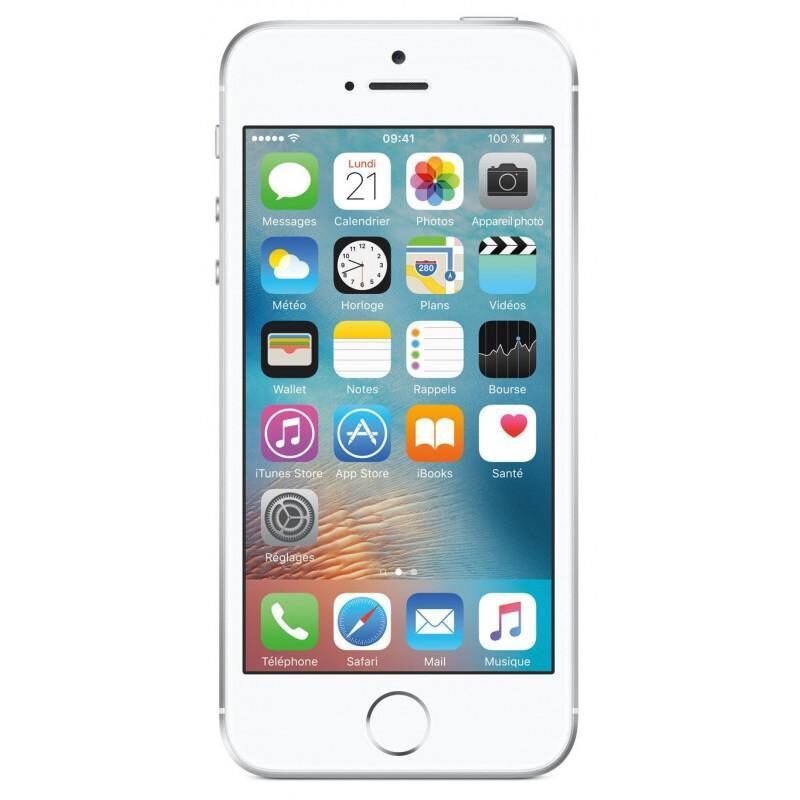
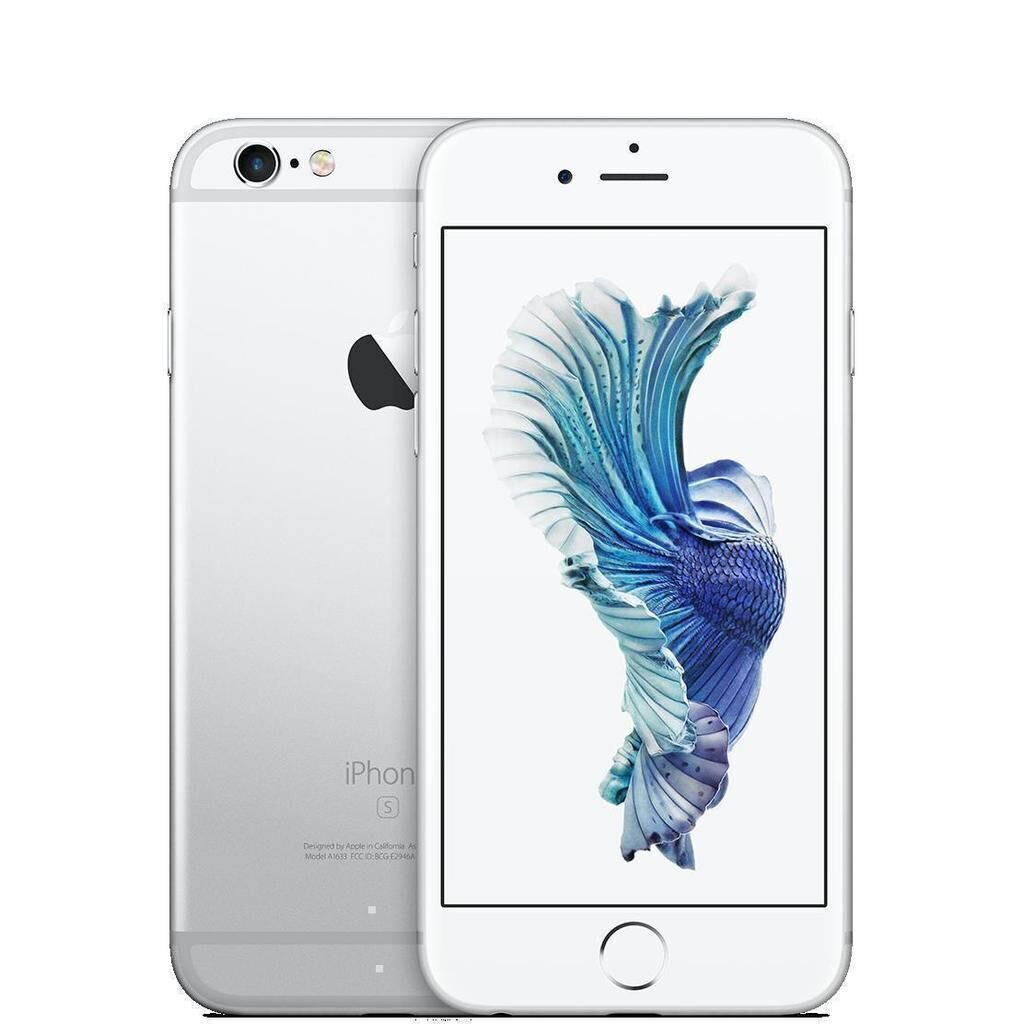
iPhone SE (2016)
Starting at
£192.40What's the difference between the Huawei P20 Pro and iPhone SE (2016)?
Huawei P20 Pro vs iPhone SE (2016) comes down to the chipset, RAM and battery. Refurbished, the Huawei P20 Pro starts at £119, £73.40 less than the iPhone SE (2016). The Huawei P20 Pro is the newer model, released in 2018.
Refurbished from
Chipset
RAM
Battery
Screen size
Screen type
- Chipset: Kirin 970 (10 nm) on the Huawei P20 Pro, Apple A9 (14 nm) on the iPhone SE (2016).
- The Huawei P20 Pro has more RAM: 6 GB vs 2 GB.
- The Huawei P20 Pro has a bigger battery: 4000 mAh vs 1624 mAh.
Huawei P20 Pro vs iPhone SE (2016) specs
The Huawei P20 Pro and the iPhone SE (2016) differ in several key areas that suit different needs. The Huawei P20 Pro offers a larger screen, more RAM, a bigger battery, and a more advanced camera setup, making it well suited for users who want more from their device in terms of multimedia and multitasking. The iPhone SE (2016) has a smaller screen and simpler specifications that fit well for everyday use or those preferring a compact phone with iOS.
Huawei P20 Pro vs iPhone SE (2016) price
Colour
- BlackSold out
- BlueSold out
Storage
- 64GBSold out
- 128GBSold out
Huawei P20 Pro vs iPhone SE (2016) battery life and software updates
Durability covers battery capacity, software updates, and operating systems. The two phones show clear differences here that affect daily use and longevity.
Battery Capacity
The Huawei P20 Pro has a 4000 mAh battery, which means it can generally support longer use between charges. The iPhone SE (2016) has a 1624 mAh battery, making it more suitable for lighter daily tasks or users who charge more frequently.
Operating System
Huawei P20 Pro runs Android, offering a different app environment and customization compared to the iPhone SE (2016), which runs iOS. Your choice depends on which operating system you prefer for your apps and daily use.
Software Updates
This means both devices will not have access to the newest features or security patches offered by their manufacturers.
Battery
Foldable
Software updates
Year of release
Huawei P20 Pro vs iPhone SE (2016) performance
Performance depends on chipset power, RAM, and storage options, which influence speed, multitasking, and capacity for apps and files.
Processor and RAM
Huawei P20 Pro uses a Kirin 970 chipset and has 6 GB of RAM, which supports smoother multitasking and heavier apps. The iPhone SE (2016) has an Apple A9 chipset with 2 GB RAM, which works well for everyday tasks but is simpler for multiple apps at once.
Storage Options
Huawei P20 Pro is available in 64GB and 128GB variants, offering more room for apps, photos, and files. The iPhone SE (2016) comes with 64GB storage, suitable for users with moderate storage needs or those who use cloud services.
Chipset
RAM
Huawei P20 Pro vs iPhone SE (2016) screen
Screen quality influences how you view content, interact with apps, and enjoy media. Both size and resolution play important roles.
Screen Size and Resolution
The Huawei P20 Pro has a 6.1 inch screen with 1080 x 2240 resolution, making it better for watching videos, browsing, and gaming with more detail and space. The iPhone SE (2016) has a 4 inch screen with 640 x 1136 resolution, which suits those who prefer a compact phone for simpler viewing.
Screen Type
Huawei P20 Pro uses an OLED screen, which generally offers richer colours and deeper blacks. The iPhone SE (2016) has an IPS LCD screen, which provides consistent colours and brightness suitable for everyday use.
Resolution
Screen size
Screen type
Huawei P20 Pro vs iPhone SE (2016) camera
Audiovisual features focus on camera capabilities and front-facing camera quality, important for photography and video calls.
Main Camera Setup
Huawei P20 Pro has a triple main camera system with a 40 megapixel primary sensor, allowing for high detail and versatile photography. The iPhone SE (2016) has a single 12 megapixel camera, which covers photo needs well.
Front Camera
Huawei P20 Pro offers a 24 megapixel front camera, ideal for detailed selfies and video chats. The iPhone SE (2016) has a 1.2 megapixel front camera, which is suited to video calling.
Camera type
Front camera
Main camera
Huawei P20 Pro vs iPhone SE (2016) size and design
Other practical differences include connectors, physical size, weight, and network compatibility, which affect daily handling and connectivity.
Connector Types
Huawei P20 Pro has a USB-C connector, which is common for many modern devices. The iPhone SE (2016) uses a Lightning connector and also includes a 3.5mm headphone jack, offering flexibility for wired earphones without an adapter.
Size and Weight
Huawei P20 Pro measures 155 mm in height, 73.9 mm in width, and weighs 180 g, fitting users comfortable with larger phones. The iPhone SE (2016) is smaller and lighter at 123.8 mm height, 58.6 mm width, and 113 g weight, suited for those who want a compact device that fits easily in one hand.
Network and SIM
Both phones are unlocked and support 4G with physical SIM cards, giving freedom to choose or change networks as you wish.
Carrier compatibility
Connector
Depth
Height
Mobile network
SD card slot
SIM card
Weight
Width
Huawei P20 Pro or iPhone SE (2016): which should you buy?
Buy the Huawei P20 Pro if
- you want to spend less: it starts at £119, £73.40 less than the iPhone SE (2016)
- you want more RAM (6 GB vs 2 GB)
- you want a bigger battery (4000 mAh vs 1624 mAh)
Buy the iPhone SE (2016) if
- you want a lighter build (113 g vs 180 g)
- you want a headphone jack
What our customers say
Customers of the Huawei P20 Pro often praise its large battery life and camera capabilities, noting it looks like new and performs well for multimedia use. Some mention it can get warm or encounter bugs, but most find it a good value for the price and appreciate the phone's features. Many buyers have previous experience with the model and are happy with its performance and appearance.
The iPhone SE (2016) is popular with users who want a smaller, simpler phone with reliable battery life and smooth everyday performance. Customers appreciate its easy handling and clean condition. It suits those who prefer iOS and need a straightforward device for calls, messaging, and basic apps. Battery life is solid for normal use, though some suggest a power bank for extended use.
Overall, the Huawei P20 Pro suits users looking for a larger screen, more memory, and advanced cameras, while the iPhone SE (2016) fits those who want a compact, easy-to-use iOS phone for everyday needs.
Huawei P20 Pro vs iPhone SE (2016) FAQs
Huawei P20 Pro vs iPhone SE (2016) comes down to the chipset, RAM and battery. Chipset: Kirin 970 (10 nm) on the Huawei P20 Pro, Apple A9 (14 nm) on the iPhone SE (2016). The Huawei P20 Pro has more RAM: 6 GB vs 2 GB.
The Huawei P20 Pro is cheaper refurbished, from £119 compared with £192.40 for the iPhone SE (2016).
The Huawei P20 Pro has a bigger battery: 4000 mAh vs 1624 mAh.
The Huawei P20 Pro has a higher-resolution main camera: 40 megapixels vs 12 megapixels.
We don't have published update dates for the Huawei P20 Pro. Updates for the iPhone SE (2016) ended in Mar 2025. Its last version is iOS 15.
Refurbished, the Huawei P20 Pro comes in 64GB and 128GB, and the iPhone SE (2016) in 64GB.