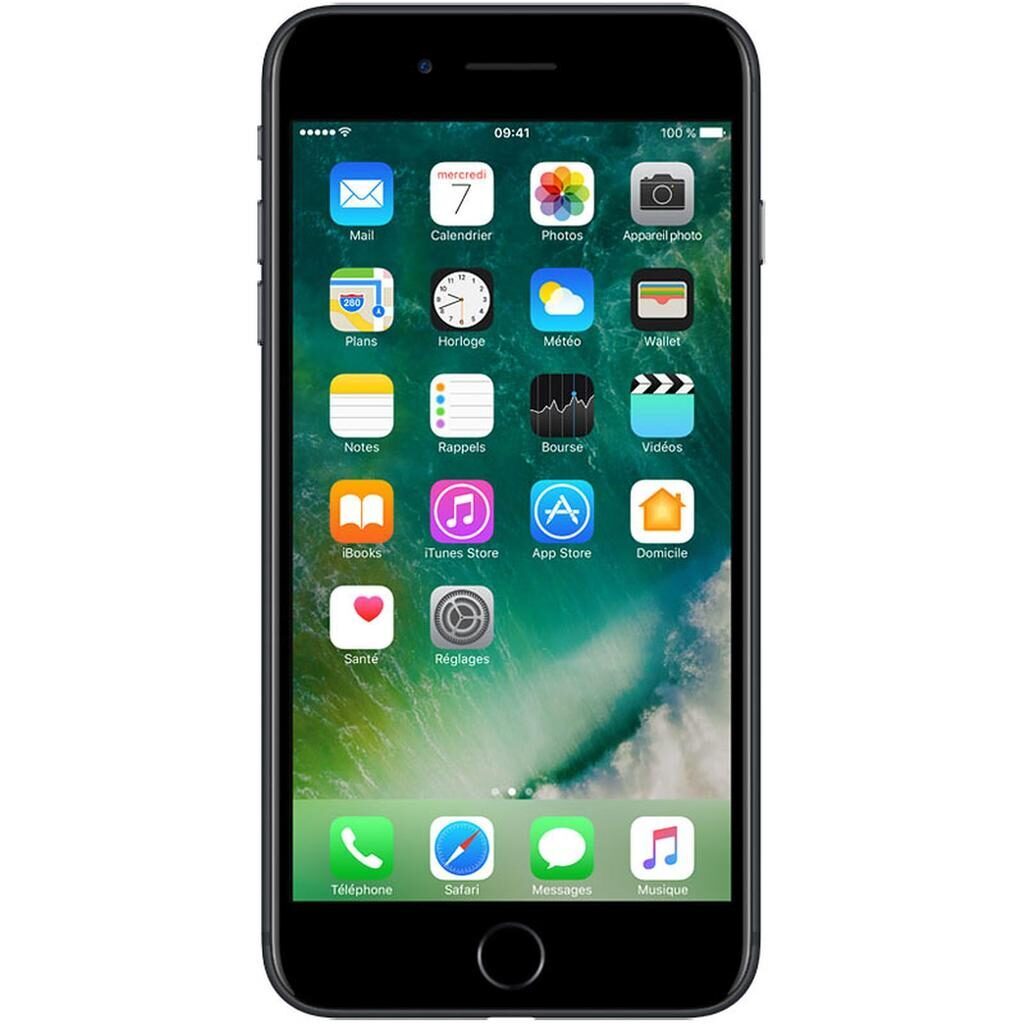
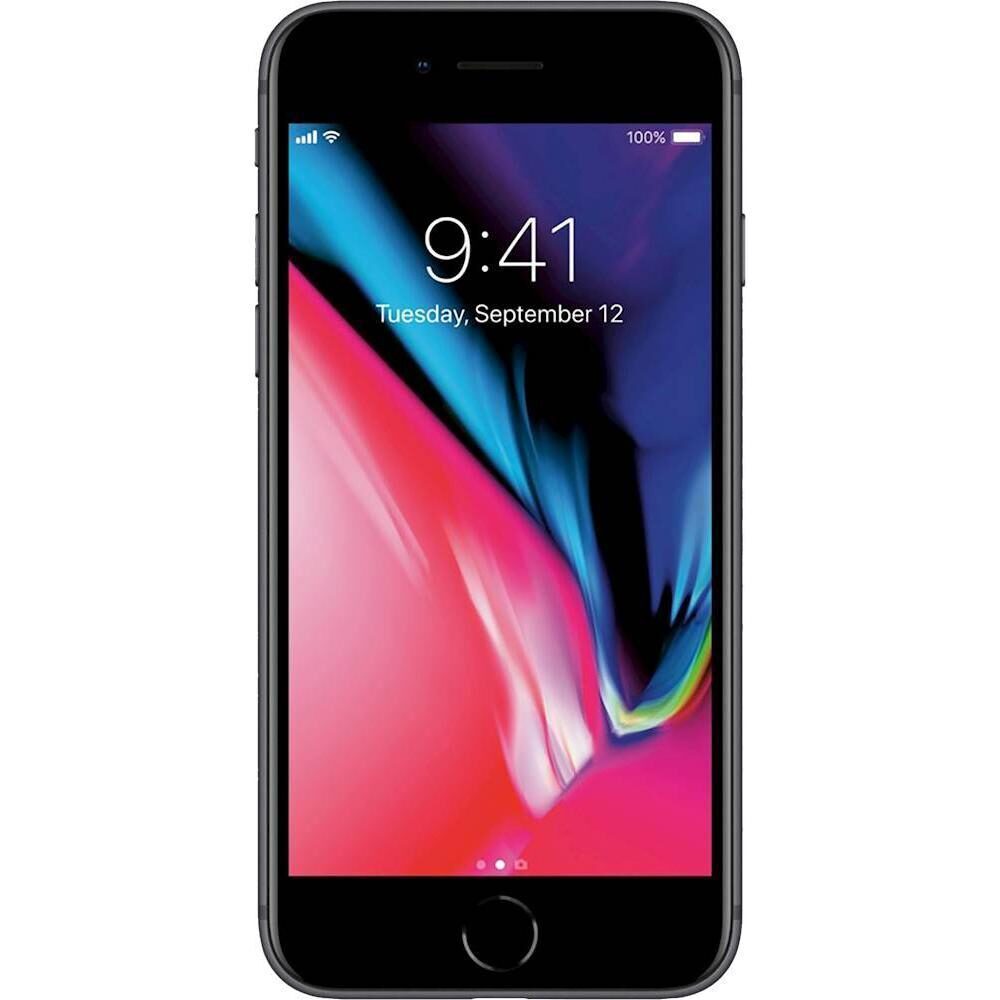
Galaxy S7 vs iPhone SE (2016)
Shop Samsung Galaxy
Galaxy S7
Starting at
£78.66£489.00 new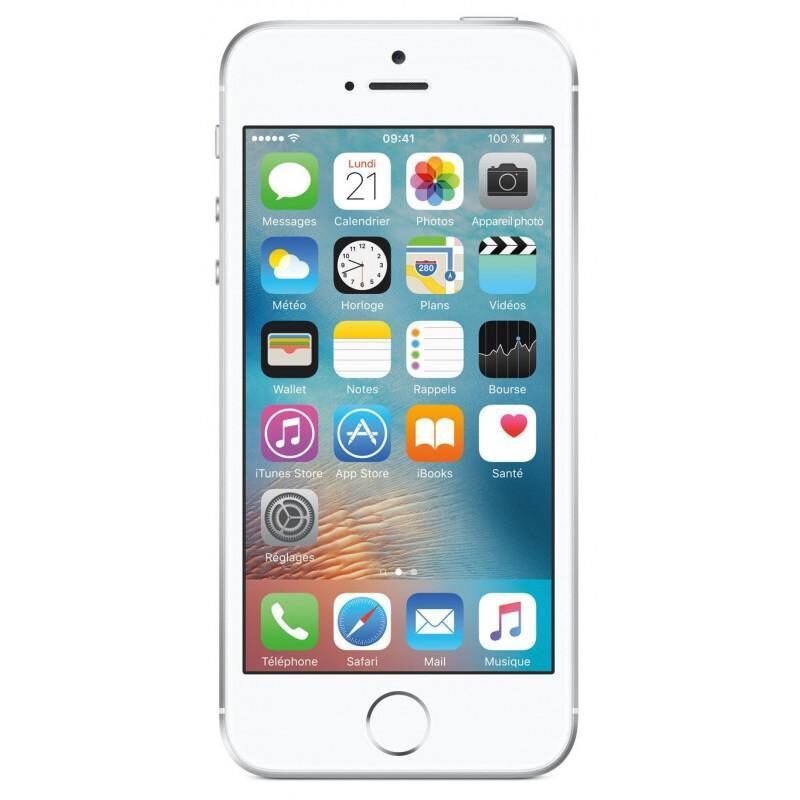
iPhone SE (2016)
Starting at
£192.40What's the difference between the Galaxy S7 and iPhone SE (2016)?
Galaxy S7 vs iPhone SE (2016) comes down to the chipset, RAM and battery. Refurbished, the Galaxy S7 starts at £78.66, £113.74 less than the iPhone SE (2016).
Refurbished from
Chipset
RAM
Battery
Screen size
Screen type
- Chipset: Snapdragon 820 MSM8996 (14 nm), Exynos 8 Octa 8890 on the Galaxy S7, Apple A9 (14 nm) on the iPhone SE (2016).
- The Galaxy S7 has more RAM: 4 GB vs 2 GB.
- The Galaxy S7 has a bigger battery: 3000 mAh vs 1624 mAh.
Galaxy S7 vs iPhone SE (2016) specs
The Galaxy S7 and iPhone SE (2016) both come from 2016 but offer different strengths suited to different users. The Galaxy S7 features a larger, higher resolution Super AMOLED screen and more RAM, making it better for media and multitasking. It supports dual SIM cards and expandable storage with a microSDXC slot, providing flexibility for those who need more space or use multiple numbers. The iPhone SE (2016) has a smaller IPS LCD screen and less RAM but offers a higher base storage option. It runs iOS and might appeal to users who prefer a compact phone with a familiar interface and solid performance for everyday tasks. Your choice depends on whether you prioritise screen size and storage options or a smaller device with iOS.
Galaxy S7 vs iPhone SE (2016) price
Colour
Galaxy S7 vs iPhone SE (2016) battery life and software updates
Durability covers software updates and operating systems, which influence how each phone stays current and how you interact with it daily.
Operating System
The Galaxy S7 runs Android, offering a wide range of app compatibility and customisation options. The iPhone SE (2016) runs iOS, known for its user-friendly interface and integration with other Apple devices. Your choice here depends on which ecosystem you prefer and how you use your phone.
Software Updates
This means both devices operate on older versions of their respective systems. If keeping up with the newest features matters to you, this is something to consider.
Battery
Foldable
Ip rating
Software updates
Wireless charging
Year of release
Galaxy S7 vs iPhone SE (2016) performance
Performance includes the chipset, RAM, and storage options, all of which affect speed, multitasking, and how much you can store on your phone.
Processing Power
The Galaxy S7 uses either the Snapdragon 820 MSM8996 or the Exynos 8 Octa 8890 chipset, while the iPhone SE (2016) uses the Apple A9. Both are 14 nm chipsets from 2016, so performance may feel similar in many everyday tasks.
Memory and Multitasking
With 4 GB of RAM, the Galaxy S7 is suited to users who keep multiple apps open or run more demanding applications. The iPhone SE (2016) has 2 GB of RAM, which fits users who prioritise simpler, everyday use over heavy multitasking.
Storage Capacity
The iPhone SE (2016) offers 64 GB of storage in stock options, which is a good amount for apps, photos, and media. The Galaxy S7 comes with 32 GB but allows storage expansion using a microSDXC card, giving you the option to add more space if needed.
Chipset
RAM
Galaxy S7 vs iPhone SE (2016) screen
Screen quality affects how you view videos, photos, and apps. Size, resolution, and screen technology all shape the experience.
Screen Size and Resolution
The Galaxy S7 has a 5.1 inch screen with a resolution of 1440 x 2560, making it suited for watching high-definition videos and browsing with more detail. The iPhone SE (2016) has a smaller 4 inch screen with a resolution of 640 x 1136, ideal for those who want a compact device that fits easily in one hand.
Screen Technology
The Galaxy S7 uses Super AMOLED technology, which offers vibrant colours and deep blacks, enhancing media and gaming experiences. The iPhone SE (2016) uses IPS LCD, which gives more natural colour reproduction and good visibility in various lighting conditions.
Resolution
Screen size
Screen type
Galaxy S7 vs iPhone SE (2016) camera
Camera quality influences your photos and video calls. Front and main camera specifications show what each device can capture.
Front Camera
The Galaxy S7 features a 5 megapixel front camera, better suited for clearer selfies and video calls. The iPhone SE (2016) has a 1.2 megapixel front camera, which works well for basic video chats and selfies but captures less detail.
Main Camera
Both devices have a 12 megapixel main camera, so they can take photos with similar levels of detail. This makes either phone suitable for everyday photography.
Camera type
Front camera
Main camera
Galaxy S7 vs iPhone SE (2016) size and design
Other features affect everyday convenience and device handling, such as size, weight, SIM options, and storage flexibility.
Size and Weight
The Galaxy S7 is larger at 142.4 mm tall, 69.6 mm wide, and weighs 152 g. The iPhone SE (2016) is smaller and lighter at 123.8 mm tall, 58.6 mm wide, and 113 g, making it easier to carry and use with one hand.
SIM and Network
The Galaxy S7 supports dual physical SIM cards, which is helpful if you use separate numbers for work and personal calls or travel often. The iPhone SE (2016) supports a single physical SIM card. Both devices work on 4G networks.
Expandable Storage
The Galaxy S7 supports microSDXC cards, allowing you to increase storage beyond the built-in 32 GB. This suits users who store lots of media or files. The iPhone SE (2016) does not support expandable storage but offers 64 GB internal storage.
Carrier compatibility
Connector
Depth
Height
Mobile network
Release date
SD card slot
SIM card
Weight
Width
Galaxy S7 or iPhone SE (2016): which should you buy?
Buy the Galaxy S7 if
- you want to spend less: it starts at £78.66, £113.74 less than the iPhone SE (2016)
- you want more RAM (4 GB vs 2 GB)
- you want a bigger battery (3000 mAh vs 1624 mAh)
Buy the iPhone SE (2016) if
- you want a lighter build (113 g vs 152 g)
What our customers say
Customers who bought the Galaxy S7 generally find the phone well priced and in good condition, appreciating its quality for the cost. Some mention challenges with the battery life, noting it can drain quickly even with minimal use. A few users find setting up the phone tricky due to missing manuals or different app layouts. There are mixed reports about specific hardware issues like screen switches.
Buyers of the iPhone SE (2016) highlight its compact size and smooth operation for everyday use. Many are pleased with the battery life and performance for the phone's price. Users appreciate the clean condition and note that while the phone is simpler, it meets their needs well. Some mention the small screen size, especially for those expecting larger phones. The included storage and iOS interface appeal to those looking for a straightforward, reliable device.
The Galaxy S7 is suited to users who want a larger, more flexible phone with options for storage and dual SIM cards, while the iPhone SE (2016) fits those who prefer a smaller, lighter device running iOS with solid performance for everyday tasks.
Galaxy S7 vs iPhone SE (2016) FAQs
Galaxy S7 vs iPhone SE (2016) comes down to the chipset, RAM and battery. Chipset: Snapdragon 820 MSM8996 (14 nm), Exynos 8 Octa 8890 on the Galaxy S7, Apple A9 (14 nm) on the iPhone SE (2016). The Galaxy S7 has more RAM: 4 GB vs 2 GB.
The Galaxy S7 is cheaper refurbished, from £78.66 compared with £192.40 for the iPhone SE (2016).
The Galaxy S7 has a bigger battery: 3000 mAh vs 1624 mAh.
Both have the same main camera: 12 megapixels.
Updates for the Galaxy S7 ended in Jun 2019. Updates for the iPhone SE (2016) ended in Mar 2025. Its last version is iOS 15.
Refurbished, the Galaxy S7 comes in 32GB, and the iPhone SE (2016) in 64GB.