Xiaomi Poco X5 vs Xiaomi Redmi Note 13 Pro
Shop Android Smartphones
Xiaomi Poco X5
Starting at
£232.00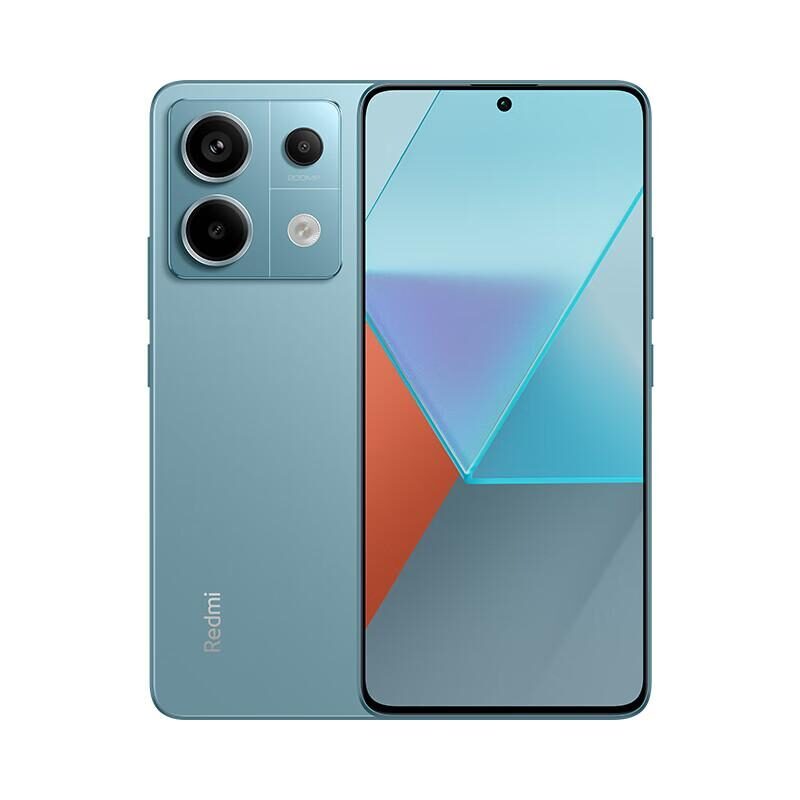
Xiaomi Redmi Note 13 Pro
Starting at
£262.00What's the difference between the Xiaomi Poco X5 and Xiaomi Redmi Note 13 Pro?
Xiaomi Poco X5 vs Redmi Note 13 Pro comes down to the chipset, RAM and battery. Refurbished, the Xiaomi Poco X5 starts at £232, £30 less than the Xiaomi Redmi Note 13 Pro.
Refurbished from
Chipset
RAM
Battery
Screen type
Main camera
- Chipset: Qualcomm SM6375 Snapdragon 695 5G (6 nm) on the Xiaomi Poco X5, Qualcomm SM7435-AB Snapdragon 7s Gen 2 (4 nm) on the Xiaomi Redmi Note 13 Pro.
- The Xiaomi Redmi Note 13 Pro has more RAM: 12 GB vs 6 GB.
- Battery: 5000 mAh on the Xiaomi Poco X5, 5100 mAh on the Xiaomi Redmi Note 13 Pro.
Xiaomi Poco X5 vs Xiaomi Redmi Note 13 Pro specs
The Xiaomi Poco X5 and Xiaomi Redmi Note 13 Pro both offer strong performances for 2023 Android phones with 5G support and similar screen sizes. The Redmi Note 13 Pro suits users who want a higher resolution screen, more RAM, and a more powerful chipset for demanding tasks. It also has a notably higher megapixel main camera and a larger storage option. The Poco X5 fits those who prefer a phone with microSDXC card support for expandable storage and a slightly lighter device. Both have triple cameras and 120 Hz refresh rates, making them good for general use and media consumption.
Xiaomi Poco X5 vs Xiaomi Redmi Note 13 Pro price
Colour
- BlackSold out
- BlackSold out
- BlueSold out
Storage
- 128GBSold out
- 256GBSold out
Xiaomi Poco X5 vs Xiaomi Redmi Note 13 Pro battery life and software updates
Durability includes battery capacity, software updates, and basic design features that affect daily use and longevity.
Battery Capacity
The Xiaomi Poco X5 has a 5000 mAh battery, which suits most users for daily use. The Xiaomi Redmi Note 13 Pro offers a slightly larger 5100 mAh battery, which may provide a bit more endurance between charges, useful for heavier phone users or longer days away from a charger.
Battery
Foldable
Year of release
Xiaomi Poco X5 vs Xiaomi Redmi Note 13 Pro performance
Performance covers the chipset, RAM, and storage options, which affect speed, multitasking, and app capacity. Both phones offer good performance for 2023, but the Redmi Note 13 Pro has specifications more tuned for demanding users.
Processor Power
The Xiaomi Redmi Note 13 Pro uses a Qualcomm SM7435-AB Snapdragon 7s Gen 2 built on 4 nm technology, providing efficient and strong performance for gaming, multitasking, and demanding apps. The Poco X5 uses a Qualcomm SM6375 Snapdragon 695 5G with 6 nm technology, which suits everyday use and general app performance well.
RAM Size
With 12 GB of RAM, the Redmi Note 13 Pro keeps many apps open and running smoothly, ideal for heavy multitasking or memory-intensive tasks. The Poco X5 has 6 GB of RAM, which supports everyday apps and moderate multitasking comfortably.
Storage Capacity
The Redmi Note 13 Pro comes with 256 GB of built-in storage, giving you plenty of room for apps, photos, and files. The Poco X5 offers 128 GB in the version stocked, which still fits regular users but suits those who prefer expandable storage via microSDXC cards.
Chipset
RAM
Xiaomi Poco X5 vs Xiaomi Redmi Note 13 Pro screen
Screen quality affects your viewing experience for videos, games, and daily use. Both phones have the same screen size and refresh rate but differ in resolution and screen type.
Resolution and Detail
The Redmi Note 13 Pro's screen has a higher resolution of 1220 x 2712 pixels, which delivers a sharper and more detailed display, making it better for watching high-definition video or reading fine text. The Poco X5 has a 1080 x 2400 resolution, which still offers clear and vibrant visuals suitable for everyday use.
Screen Type
The Poco X5 features a Super AMOLED screen, known for vivid colours and good contrast. The Redmi Note 13 Pro has an AMOLED screen, which also provides rich colours and deep blacks, creating an excellent viewing experience on both devices.
Refresh rate
Resolution
Screen size
Screen type
Xiaomi Poco X5 vs Xiaomi Redmi Note 13 Pro camera
Audiovisual features focus on camera quality, important for photography and video calls. Both devices have triple rear cameras and front cameras with different megapixel counts affecting image detail.
Main Camera Resolution
The Redmi Note 13 Pro boasts a 200 megapixel main camera, ideal for capturing highly detailed and sharp photos, suitable for photography enthusiasts or those who value photo quality. The Poco X5 has a 48 megapixel main camera, which takes good quality pictures for everyday photography needs.
Front Camera Quality
The Redmi Note 13 Pro includes a 16 megapixel front camera, which is well suited for clearer selfies and video calls. The Poco X5 has a 13 megapixel front camera, which still performs well for regular video chats and selfies.
Camera type
Front camera
Main camera
Xiaomi Poco X5 vs Xiaomi Redmi Note 13 Pro size and design
Miscellaneous features include size, weight, connectivity, and storage expandability. These details affect comfort, convenience, and compatibility with accessories.
Storage Expandability
The Xiaomi Poco X5 supports microSDXC cards, allowing you to add extra storage as needed, which benefits users who like to carry many files or media without relying solely on built-in storage. The Redmi Note 13 Pro does not have a microSD slot.
Device Dimensions and Weight
The Poco X5 measures 165.9 mm in height, 76.2 mm in width, and 8 mm in depth, weighing 181 g, making it slightly lighter and marginally slimmer. The Redmi Note 13 Pro measures 161.2 mm in height, 74.3 mm in width, and 8 mm in depth, weighing 187 g, offering a similar but a little larger feel in hand.
SIM and Network
Both phones support dual physical SIM cards and 5G connectivity, giving you flexibility with carriers and fast mobile internet.
Connector Type
Each device uses a USB-C connector for charging and data transfer, standard for modern smartphones.
Carrier compatibility
Connector
Depth
Height
Mobile network
SD card slot
SIM card
Weight
Width
Xiaomi Poco X5 or Xiaomi Redmi Note 13 Pro: which should you buy?
Buy the Xiaomi Poco X5 if
- you want to spend less: it starts at £232, £30 less than the Xiaomi Redmi Note 13 Pro
- you want a lighter build (181 g vs 187 g)
- you want a memory card slot
Buy the Xiaomi Redmi Note 13 Pro if
- you want more RAM (12 GB vs 6 GB)
- you want a higher-resolution main camera (200 megapixels vs 48 megapixels)
- you want a higher-resolution front camera (16 megapixels vs 13 megapixels)
Xiaomi Poco X5 vs Xiaomi Redmi Note 13 Pro FAQs
Xiaomi Poco X5 vs Redmi Note 13 Pro comes down to the chipset, RAM and battery. Chipset: Qualcomm SM6375 Snapdragon 695 5G (6 nm) on the Xiaomi Poco X5, Qualcomm SM7435-AB Snapdragon 7s Gen 2 (4 nm) on the Xiaomi Redmi Note 13 Pro. The Xiaomi Redmi Note 13 Pro has more RAM: 12 GB vs 6 GB.
The Xiaomi Poco X5 is cheaper refurbished, from £232 compared with £262 for the Xiaomi Redmi Note 13 Pro.
The Xiaomi Poco X5 has 5000 mAh and the Xiaomi Redmi Note 13 Pro has 5100 mAh.
The Xiaomi Redmi Note 13 Pro has a higher-resolution main camera: 200 megapixels vs 48 megapixels.
Refurbished, the Xiaomi Poco X5 comes in 128GB, and the Xiaomi Redmi Note 13 Pro in 256GB.