Galaxy Z Fold5 vs Xiaomi Redmi Note 13 Pro
Shop Samsung Galaxy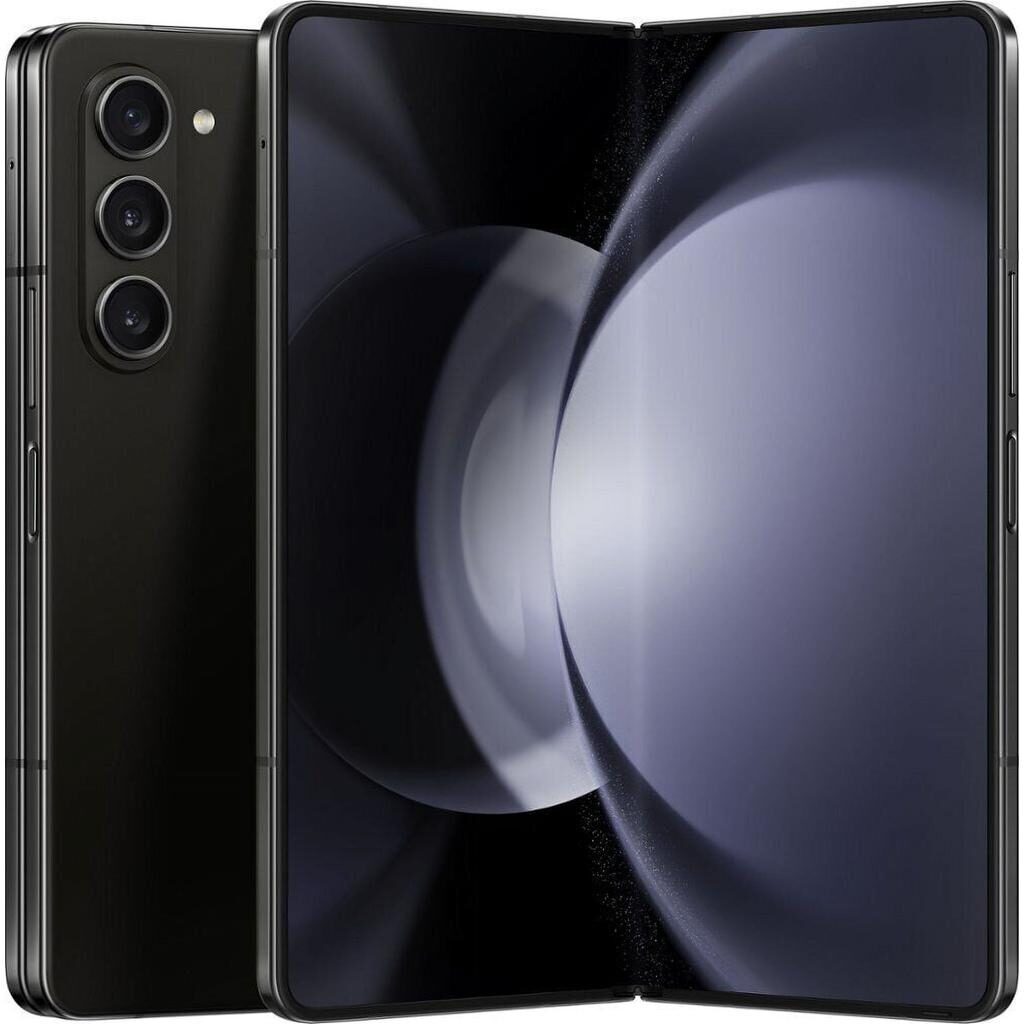
Galaxy Z Fold5
Starting at
£402.00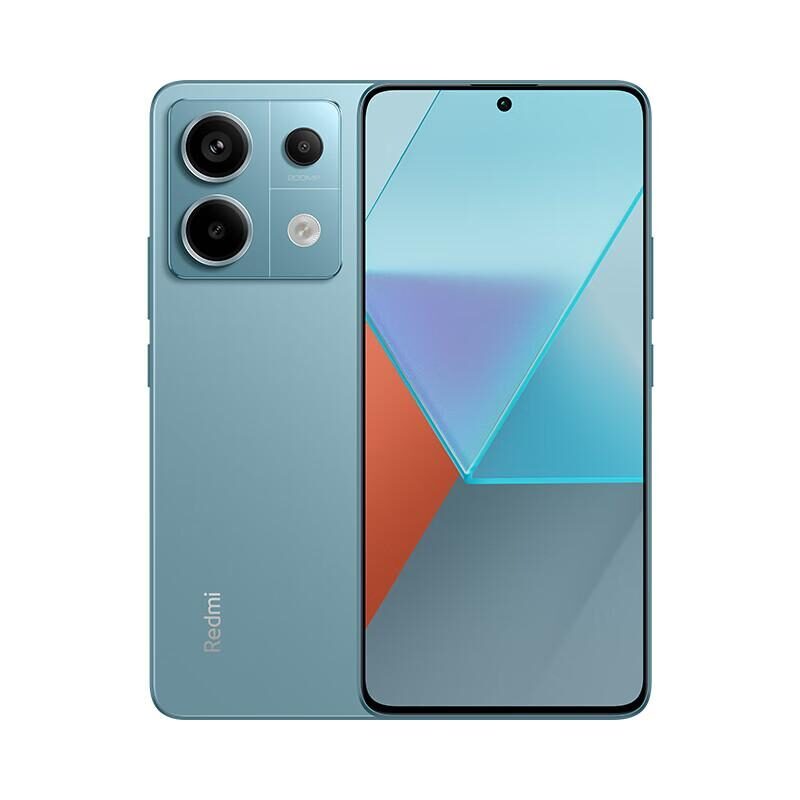
Xiaomi Redmi Note 13 Pro
Starting at
£262.00What's the difference between the Galaxy Z Fold5 and Xiaomi Redmi Note 13 Pro?
Galaxy Z Fold5 vs Xiaomi Redmi Note 13 Pro comes down to the chipset, battery and screen size. Refurbished, the Xiaomi Redmi Note 13 Pro starts at £262, £140 less than the Galaxy Z Fold5.
Refurbished from
Chipset
Battery
Screen size
Screen type
Main camera
- Chipset: Qualcomm SM8550-AC Snapdragon 8 Gen 2 (4 nm) on the Galaxy Z Fold5, Qualcomm SM7435-AB Snapdragon 7s Gen 2 (4 nm) on the Xiaomi Redmi Note 13 Pro.
- The Xiaomi Redmi Note 13 Pro has a bigger battery: 5100 mAh vs 4400 mAh.
- The Galaxy Z Fold5 has a bigger screen: 7.6 inch vs 6.67 inch.
Galaxy Z Fold5 vs Xiaomi Redmi Note 13 Pro specs
The Galaxy Z Fold5 and Xiaomi Redmi Note 13 Pro are two distinct smartphones suited to different needs. The Galaxy Z Fold5 offers a large foldable screen ideal for those who want a spacious display for multitasking and media. It has a flagship Snapdragon 8 Gen 2 chipset and comes with up to 1TB of storage, making it suitable for power users. The Xiaomi Redmi Note 13 Pro has a higher battery capacity and a very high-resolution 200 megapixel main camera, fitting users who prioritise photography and longer battery life. Both run Android and support 5G, but their design and hardware focus cater to contrasting uses and preferences.
Galaxy Z Fold5 vs Xiaomi Redmi Note 13 Pro price
Colour
- BlackSold out
- BlueSold out
- BeigeSold out
- GreySold out
- BlackSold out
- BlueSold out
Storage
- 256GBSold out
- 512GBSold out
- 1TBSold out
- 256GBSold out
Galaxy Z Fold5 vs Xiaomi Redmi Note 13 Pro battery life and software updates
Durability covers battery capacity, software updates, and design features like foldability. These influence daily use in terms of battery life, device longevity, and form factor.
Battery Capacity
The Xiaomi Redmi Note 13 Pro has a 5100 mAh battery, which offers more capacity for longer use between charges. This suits users who need extended battery life for all-day use. The Galaxy Z Fold5 has a 4400 mAh battery, which is smaller but still supports typical daily use. Battery life will vary with screen usage and performance demands.
Foldable Design
The Galaxy Z Fold5 features a foldable screen, allowing it to open up to a larger 7.6 inch display. This design is ideal for users who want a device that can switch between a compact phone and a tablet-like experience. The Xiaomi Redmi Note 13 Pro does not have a foldable screen, focusing instead on a traditional smartphone form.
Software Updates
This keeps both phones current with Android features and protections.
Battery
Foldable
Software updates
Year of release
Galaxy Z Fold5 vs Xiaomi Redmi Note 13 Pro performance
Performance depends on the chipset, RAM, and storage options. These factors affect speed, multitasking, and how much data or media you can keep on your device.
Chipset Power
The Galaxy Z Fold5 uses the Qualcomm SM8550-AC Snapdragon 8 Gen 2 chipset, a top-tier 4 nm processor designed for high performance. This suits users who want the fastest processing for demanding apps and multitasking. The Xiaomi Redmi Note 13 Pro runs on the Qualcomm SM7435-AB Snapdragon 7s Gen 2 chipset, also built on 4 nm technology but positioned for everyday use and efficiency.
Memory and Storage
Both phones come with 12 GB of RAM, which keeps apps running smoothly and supports multitasking. Storage options differ: the Galaxy Z Fold5 is available with 256GB, 512GB, or 1TB, allowing users to choose plenty of space for apps, files, and media. The Xiaomi Redmi Note 13 Pro is stocked with 256GB, which is enough for many users but offers less room for extensive storage needs.
Chipset
RAM
Galaxy Z Fold5 vs Xiaomi Redmi Note 13 Pro screen
Screen quality includes size, resolution, refresh rate, and panel type. These affect how content looks and feels during use, from watching videos to reading text or gaming.
Screen Size and Type
The Galaxy Z Fold5 has a large 7.6 inch foldable Dynamic AMOLED 2X screen, offering a spacious and vibrant display suitable for multitasking, media viewing, and productivity. The Xiaomi Redmi Note 13 Pro has a 6.67 inch AMOLED screen, which is smaller but still sharp and bright for everyday use.
Resolution and Refresh Rate
The Redmi Note 13 Pro provides a higher vertical resolution of 2712 pixels compared to the Fold5's 2176 pixels, giving it a taller display in a more standard form. The Fold5's resolution is wider with 1812 pixels, matching its foldable format. Both screens refresh at 120 Hz, ensuring smooth scrolling and animations for a fluid experience.
Refresh rate
Resolution
Screen size
Screen type
Galaxy Z Fold5 vs Xiaomi Redmi Note 13 Pro camera
Audiovisual features focus on camera capabilities and front-facing sensors, important for photography, video calls, and selfies.
Main Camera Detail
The Xiaomi Redmi Note 13 Pro offers a 200 megapixel main camera, which captures very detailed photos, suitable for users who prioritise high-resolution photography. The Galaxy Z Fold5 has a 50 megapixel main camera, which still provides quality images but with fewer pixels.
Front Camera
The Redmi Note 13 Pro features a 16 megapixel front camera, offering a higher resolution for selfies and video calls. The Galaxy Z Fold5 has a 4 megapixel front camera, which is sufficient for video chats and basic selfies but with less detail.
Camera type
Front camera
Main camera
Galaxy Z Fold5 vs Xiaomi Redmi Note 13 Pro size and design
Miscellaneous factors include device dimensions, SIM options, connectivity, and weight, all of which influence comfort, compatibility, and everyday handling.
Physical Dimensions and Weight
The Galaxy Z Fold5 measures 154.9 mm in height, 67.1 mm in width, and 13.4 mm in depth, weighing 253 g. Its foldable form is thicker and heavier, which suits users willing to carry a larger device for a bigger screen. The Xiaomi Redmi Note 13 Pro is 161.2 mm tall, 74.3 mm wide, and 8 mm deep, weighing 187 g, making it lighter and slimmer for easy one-handed use.
SIM Card Options
The Galaxy Z Fold5 supports a physical SIM plus eSIM, providing flexibility for users who want to use one physical SIM and a digital SIM profile. The Xiaomi Redmi Note 13 Pro has dual physical SIM slots, which suits those who prefer to use two physical SIM cards without eSIM technology.
Connectivity and Expandability
Both devices support 5G for fast mobile network speeds and come unlocked for use on any compatible network. Both use USB-C connectors and do not have SD card slots, so storage expansion with memory cards is not possible.
Carrier compatibility
Connector
Depth
Height
Mobile network
SD card slot
SIM card
Weight
Width
Galaxy Z Fold5 or Xiaomi Redmi Note 13 Pro: which should you buy?
Buy the Galaxy Z Fold5 if
- you want a bigger screen (7.6 inch vs 6.67 inch)
Buy the Xiaomi Redmi Note 13 Pro if
- you want to spend less: it starts at £262, £140 less than the Galaxy Z Fold5
- you want a bigger battery (5100 mAh vs 4400 mAh)
- you want a higher-resolution main camera (200 megapixels vs 50 megapixels)
Galaxy Z Fold5 vs Xiaomi Redmi Note 13 Pro FAQs
Galaxy Z Fold5 vs Xiaomi Redmi Note 13 Pro comes down to the chipset, battery and screen size. Chipset: Qualcomm SM8550-AC Snapdragon 8 Gen 2 (4 nm) on the Galaxy Z Fold5, Qualcomm SM7435-AB Snapdragon 7s Gen 2 (4 nm) on the Xiaomi Redmi Note 13 Pro. The Xiaomi Redmi Note 13 Pro has a bigger battery: 5100 mAh vs 4400 mAh.
The Xiaomi Redmi Note 13 Pro is cheaper refurbished, from £262 compared with £402 for the Galaxy Z Fold5.
The Xiaomi Redmi Note 13 Pro has a bigger battery: 5100 mAh vs 4400 mAh.
The Xiaomi Redmi Note 13 Pro has a higher-resolution main camera: 200 megapixels vs 50 megapixels.
The Galaxy Z Fold5 gets updates until Aug 2028. We don't have published update dates for the Xiaomi Redmi Note 13 Pro.
Refurbished, the Galaxy Z Fold5 comes in 256GB, 512GB and 1TB, and the Xiaomi Redmi Note 13 Pro in 256GB.