Google Pixel 8 vs Xiaomi Redmi Note 13 Pro
Shop Google Pixel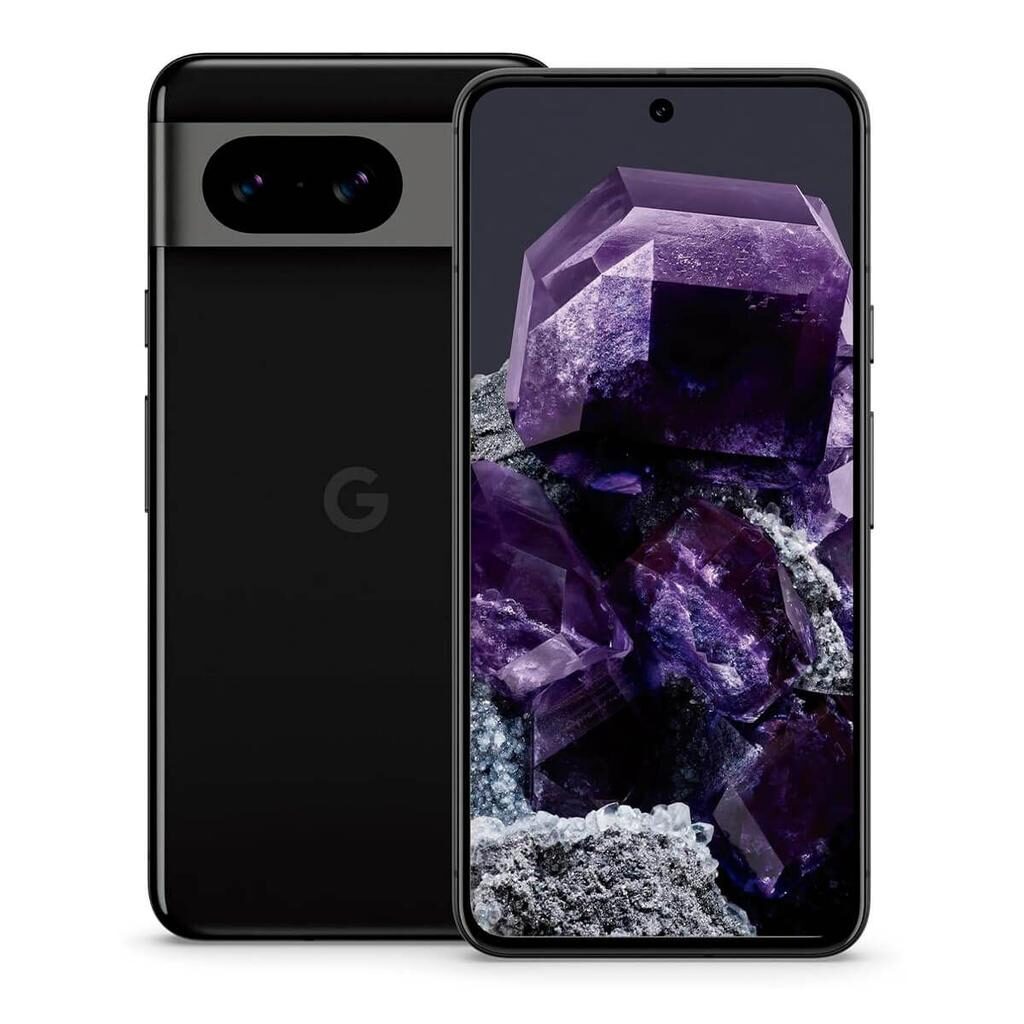
Google Pixel 8
Starting at
£205.00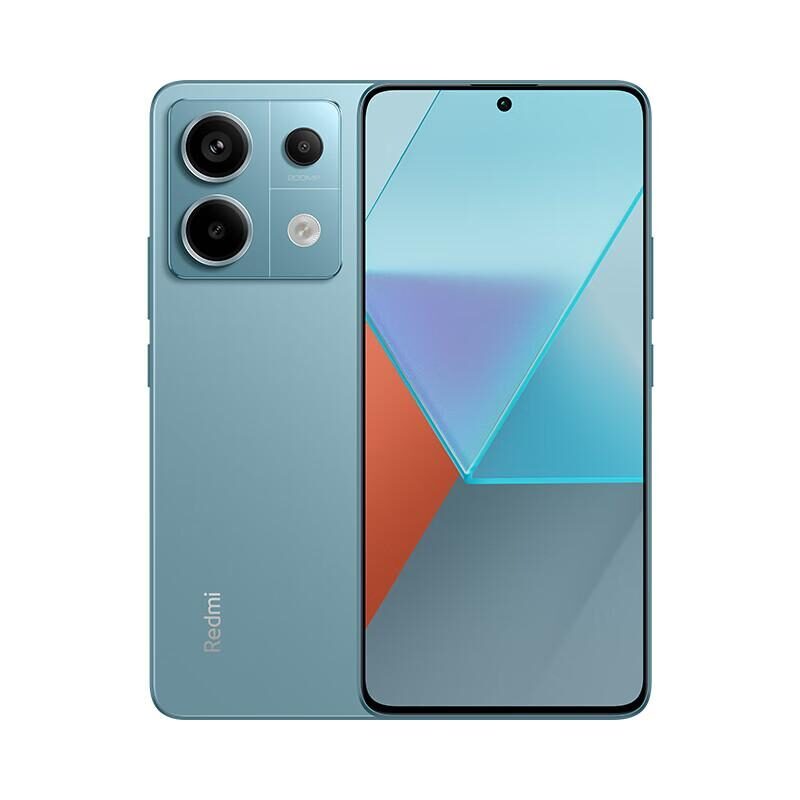
Xiaomi Redmi Note 13 Pro
Starting at
£262.00What's the difference between the Google Pixel 8 and Xiaomi Redmi Note 13 Pro?
Google Pixel 8 vs Xiaomi Redmi Note 13 Pro comes down to the chipset, RAM and battery. Refurbished, the Google Pixel 8 starts at £205, £57 less than the Xiaomi Redmi Note 13 Pro.
Refurbished from
Chipset
RAM
Battery
Screen size
Screen type
- Chipset: Google Tensor G3 (4 nm) on the Google Pixel 8, Qualcomm SM7435-AB Snapdragon 7s Gen 2 (4 nm) on the Xiaomi Redmi Note 13 Pro.
- The Xiaomi Redmi Note 13 Pro has more RAM: 12 GB vs 8 GB.
- The Xiaomi Redmi Note 13 Pro has a bigger battery: 5100 mAh vs 4575 mAh.
Google Pixel 8 vs Xiaomi Redmi Note 13 Pro specs
The Google Pixel 8 and Xiaomi Redmi Note 13 Pro are both smartphones from 2023 that cater to different needs. The Pixel 8 offers a compact 6.2 inch OLED screen with Android 14 and 8 GB of RAM, suited for those who prefer a smaller device with a smooth interface. The Redmi Note 13 Pro has a larger 6.67 inch AMOLED screen, more RAM at 12 GB, and a notably bigger battery, making it suitable for users who want a roomier display, longer battery life, and extra memory for multitasking. Camera capabilities also differ, with the Redmi offering higher megapixel counts on both front and main cameras for more detailed shots. Both phones support 5G and come unlocked with USB-C connectors but differ in SIM card options and storage choices.
Google Pixel 8 vs Xiaomi Redmi Note 13 Pro price
Colour
- BlackSold out
- GreySold out
- Rose GoldSold out
- GreenSold out
- BlackSold out
- BlueSold out
Storage
- 128GBSold out
- 256GBSold out
- 256GBSold out
Google Pixel 8 vs Xiaomi Redmi Note 13 Pro battery life and software updates
Battery life and operating system are key factors in a phone's durability. The Google Pixel 8 and Xiaomi Redmi Note 13 Pro differ in battery capacity and software versions, which affect how long you can use each device and the experience of their interfaces.
Battery Capacity
The Xiaomi Redmi Note 13 Pro has a 5100 mAh battery, which provides more capacity for longer usage between charges. The Google Pixel 8 has a 4575 mAh battery, offering solid endurance suitable for typical daily use. If extended battery life is important, the Redmi Note 13 Pro's larger battery is likely to be noticed.
Operating System
The Xiaomi Redmi Note 13 Pro runs Android, but its exact version is unspecified.
Battery
Fast charging
Foldable
Ip rating
OS at launch
Software updates
Wireless charging
Year of release
Google Pixel 8 vs Xiaomi Redmi Note 13 Pro performance
Performance depends on the chipset, RAM, and storage options. Both phones offer modern 4 nm processors but differ in memory and storage capacities, which impacts multitasking and file space.
Processor and RAM
The Google Pixel 8 uses the Google Tensor G3 chipset paired with 8 GB of RAM, which keeps everyday apps running smoothly. The Xiaomi Redmi Note 13 Pro features the Qualcomm SM7435-AB Snapdragon 7s Gen 2 chipset with 12 GB of RAM, providing more memory to keep additional apps open and support heavier multitasking.
Storage Options
The Pixel 8 is available with 128 GB or 256 GB of storage, allowing you to choose based on your needs for space. The Redmi Note 13 Pro comes with 256 GB of storage, which suits users who require ample space for apps, media, and files without needing to decide between sizes.
Chipset
RAM
Google Pixel 8 vs Xiaomi Redmi Note 13 Pro screen
Screen quality influences how you view content and interact with your device. Both phones share the same refresh rate but differ in screen size, resolution, and display technology.
Screen Size and Resolution
The Xiaomi Redmi Note 13 Pro has a larger 6.67 inch screen with a resolution of 1220 x 2712, offering a more spacious and higher resolution display for watching videos or browsing. The Google Pixel 8's 6.2 inch screen with 1080 x 2400 resolution suits users who prefer a smaller, more compact device with a clear display.
Screen Type
The Pixel 8 uses an OLED screen, which delivers rich colours and deep blacks. The Redmi Note 13 Pro features an AMOLED screen, known for bright colours and high contrast. Both support a 120 Hz refresh rate, making scrolling and animations smooth on either device.
Refresh rate
Resolution
Screen size
Screen type
Google Pixel 8 vs Xiaomi Redmi Note 13 Pro camera
Camera quality is often a key consideration. The two phones differ significantly in their camera megapixel counts, which affects image detail and selfie quality.
Front Camera
The Xiaomi Redmi Note 13 Pro has a 16 megapixel front camera, which captures more detail in selfies and video calls. The Google Pixel 8's front camera is 10.5 megapixels, which suits everyday selfie and video chat needs with good image quality.
Main Camera
The Redmi Note 13 Pro offers a 200 megapixel main camera, designed for highly detailed photos and sharp images. The Pixel 8's 50 megapixel main camera provides excellent image quality suitable for regular photography and sharing moments.
Camera type
Front camera
Main camera
Google Pixel 8 vs Xiaomi Redmi Note 13 Pro size and design
Other practical differences include SIM card options, phone dimensions, and connectors. These affect how you use the phone day to day, from network setup to handling and portability.
SIM Card Setup
The Google Pixel 8 supports one physical SIM plus an eSIM, offering flexibility for users who want to combine a physical SIM with a digital one. The Xiaomi Redmi Note 13 Pro supports dual physical SIM cards, which can be useful for people who want to keep two separate numbers or networks on physical cards.
Size and Weight
Both phones weigh 187 g, but the Redmi Note 13 Pro is larger, measuring 161.2 mm tall by 74.3 mm wide and 8 mm deep. The Pixel 8 is more compact at 150.5 mm tall, 70.8 mm wide and 8.9 mm deep. The Redmi's larger size suits those who prefer a roomier device, while the Pixel 8 is better for one-handed use or smaller pockets.
Connectivity
Both phones use USB Type-C connectors and support 5G networks. This ensures fast data speeds and compatibility with common charging and accessory cables.
Carrier compatibility
Connector
Depth
Height
Mobile network
Release date
SD card slot
SIM card
Weight
Width
Google Pixel 8 or Xiaomi Redmi Note 13 Pro: which should you buy?
Buy the Google Pixel 8 if
- you want to spend less: it starts at £205, £57 less than the Xiaomi Redmi Note 13 Pro
Buy the Xiaomi Redmi Note 13 Pro if
- you want more RAM (12 GB vs 8 GB)
- you want a bigger battery (5100 mAh vs 4575 mAh)
- you want a bigger screen (6.67 inch vs 6.2 inch)
Google Pixel 8 vs Xiaomi Redmi Note 13 Pro FAQs
Google Pixel 8 vs Xiaomi Redmi Note 13 Pro comes down to the chipset, RAM and battery. Chipset: Google Tensor G3 (4 nm) on the Google Pixel 8, Qualcomm SM7435-AB Snapdragon 7s Gen 2 (4 nm) on the Xiaomi Redmi Note 13 Pro. The Xiaomi Redmi Note 13 Pro has more RAM: 12 GB vs 8 GB.
The Google Pixel 8 is cheaper refurbished, from £205 compared with £262 for the Xiaomi Redmi Note 13 Pro.
The Xiaomi Redmi Note 13 Pro has a bigger battery: 5100 mAh vs 4575 mAh.
The Xiaomi Redmi Note 13 Pro has a higher-resolution main camera: 200 megapixels vs 50 megapixels.
The Google Pixel 8 gets updates until Oct 2030. We don't have published update dates for the Xiaomi Redmi Note 13 Pro.
Refurbished, the Google Pixel 8 comes in 128GB and 256GB, and the Xiaomi Redmi Note 13 Pro in 256GB.