Google Pixel 8 vs iPhone 14 Pro
Shop Google Pixel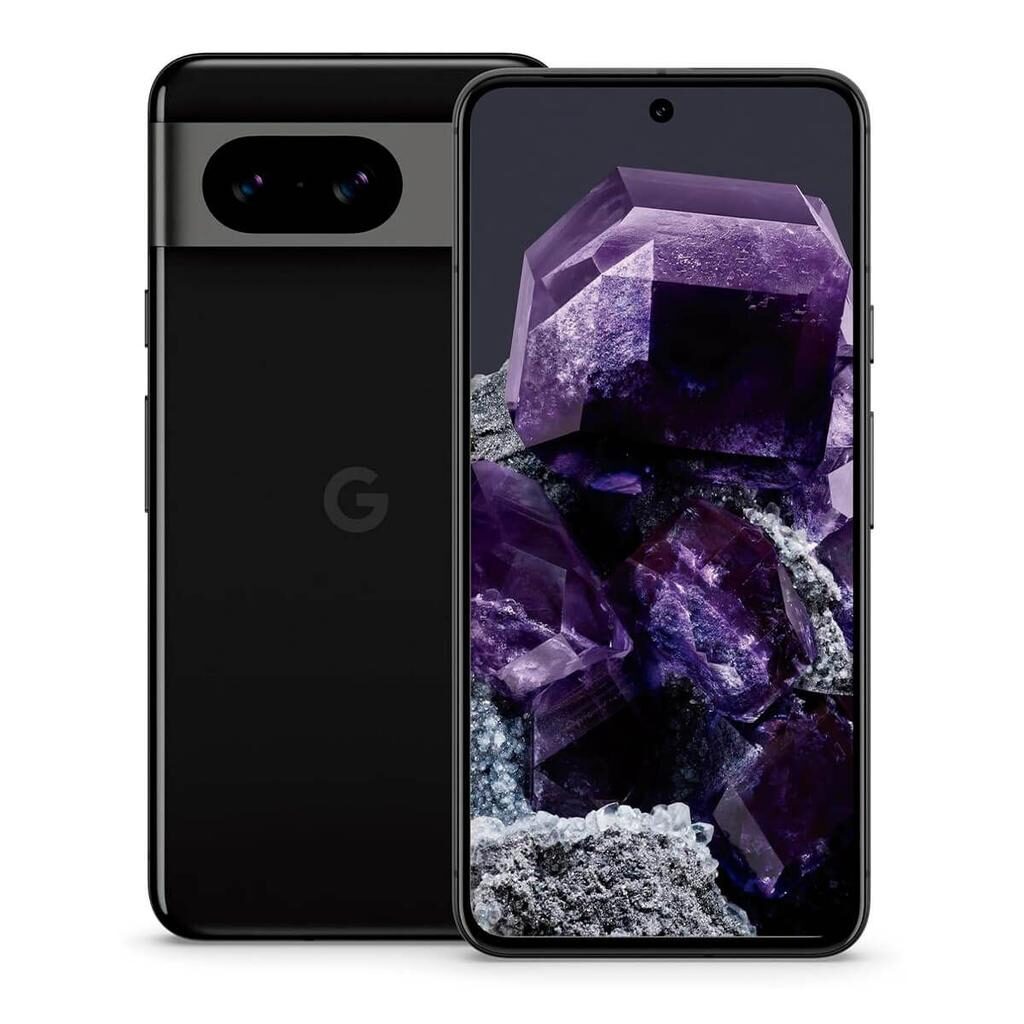
Google Pixel 8
Starting at
£205.00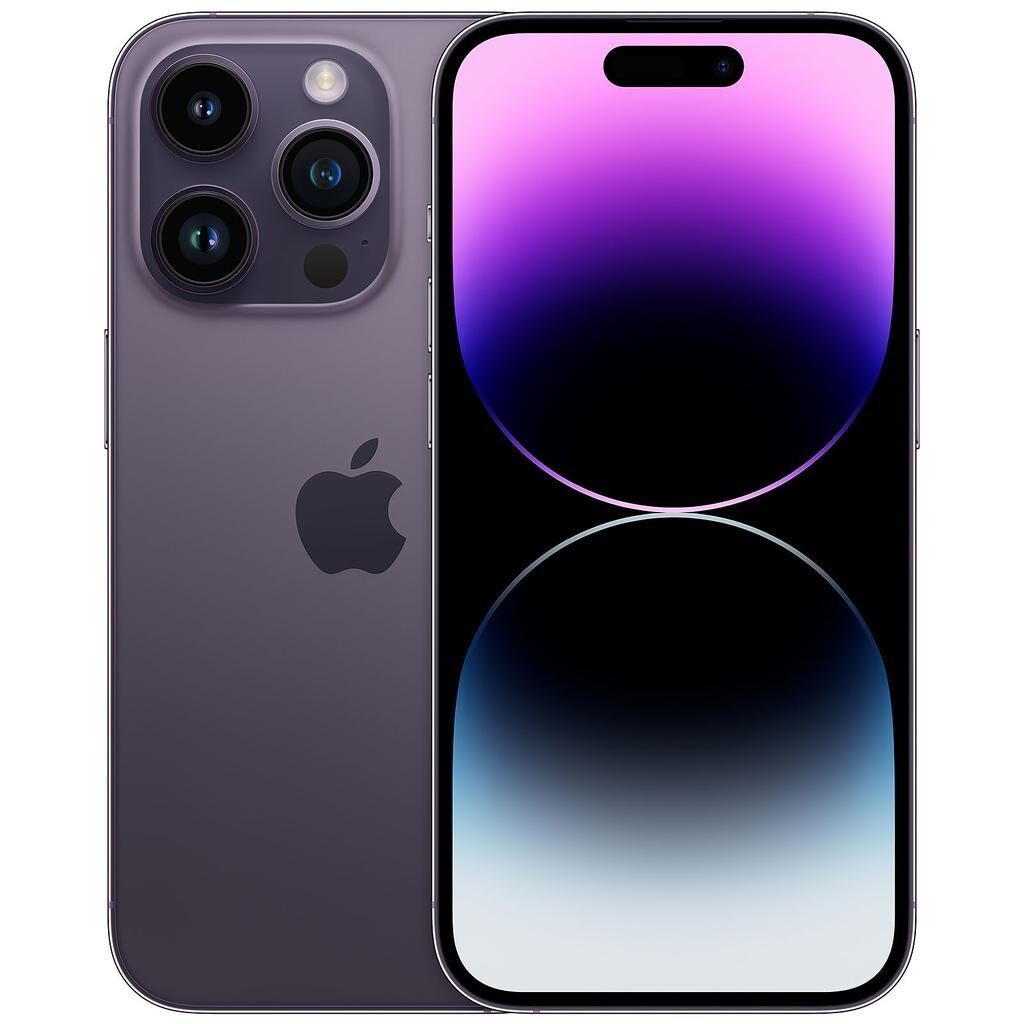
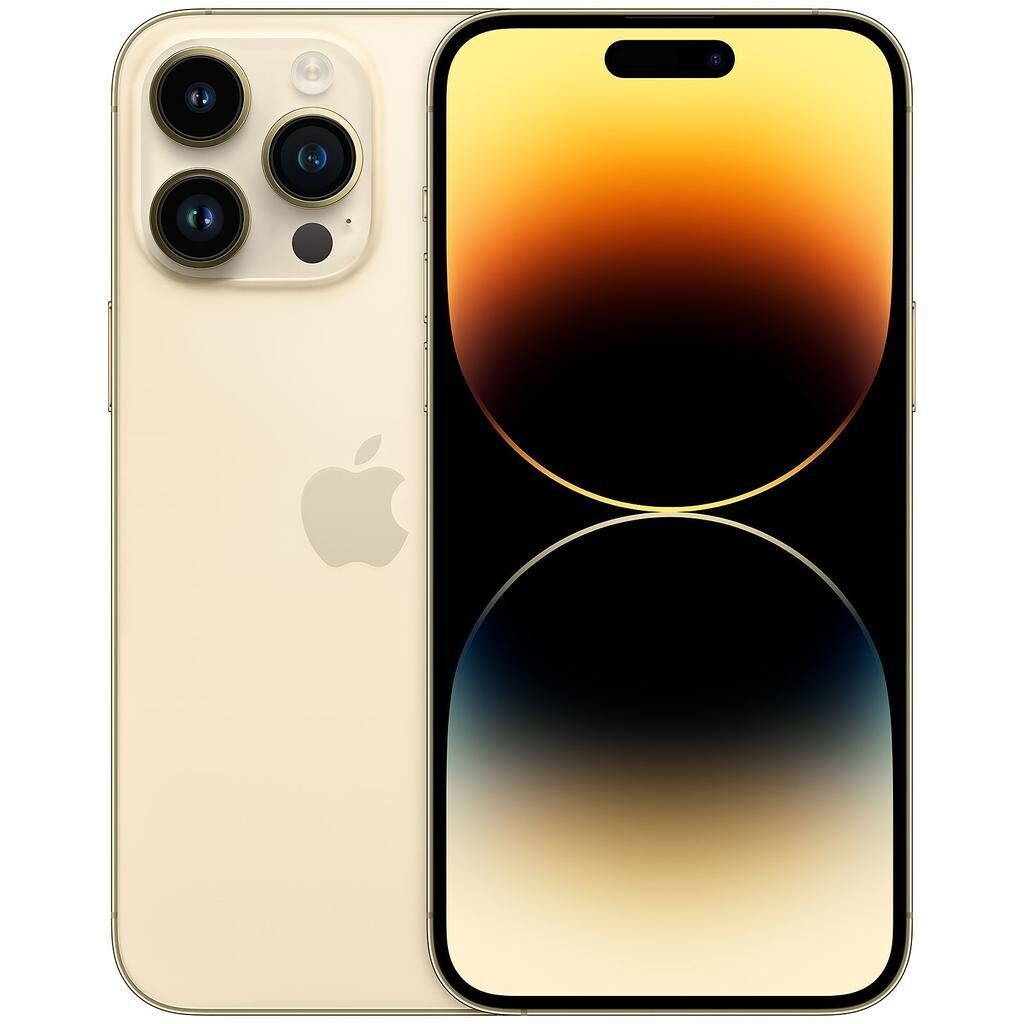
iPhone 14 Pro
Starting at
£426.31£1,099.00 newWhat's the difference between the Google Pixel 8 and iPhone 14 Pro?
Google Pixel 8 vs iPhone 14 Pro comes down to the chipset, RAM and battery. Refurbished, the Google Pixel 8 starts at £205, £221.31 less than the iPhone 14 Pro. The Google Pixel 8 is the newer model, released in 2023.
Refurbished from
Chipset
RAM
Battery
Screen size
Screen type
- Chipset: Google Tensor G3 (4 nm) on the Google Pixel 8, Apple A16 Bionic (4 nm) on the iPhone 14 Pro.
- The Google Pixel 8 has more RAM: 8 GB vs 6 GB.
- The Google Pixel 8 has a bigger battery: 4575 mAh vs 3200 mAh.
Google Pixel 8 vs iPhone 14 Pro specs
The Google Pixel 8 and iPhone 14 Pro differ in several key areas that suit different needs. The Pixel 8 offers a larger battery and more RAM, which supports longer use and smoother multitasking, while the iPhone 14 Pro provides higher screen resolution and a slightly smaller, lighter design. Both have a 120 Hz refresh rate for smooth visuals and strong cameras, but the Pixel 8 has a higher megapixel count on the main camera, and the iPhone 14 Pro has a sharper front camera. The Pixel 8 uses USB Type-C and supports a physical SIM plus eSIM, whereas the iPhone 14 Pro uses Lightning and eSIM only. Storage options are broader on the iPhone 14 Pro, including up to 1TB, making it suitable for those needing more space. Overall, the Pixel 8 suits users wanting more battery and memory with a slightly larger screen, while the iPhone 14 Pro is for those who prefer a premium display and more storage choices.
Google Pixel 8 vs iPhone 14 Pro price
Colour
- BlackSold out
- GreySold out
- Rose GoldSold out
- GreenSold out
Storage
- 128GBSold out
- 256GBSold out
Google Pixel 8 vs iPhone 14 Pro battery life and software updates
Durability covers battery capacity, operating system, and release year. These affect how long the phone lasts in daily use and the software experience you get.
Battery Capacity
The Google Pixel 8 has a 4575 mAh battery, offering more capacity than the iPhone 14 Pro's 3200 mAh. This larger battery suits users who prioritise longer battery life between charges. The iPhone 14 Pro's smaller battery may suit those who have easy access to charging or prefer a lighter device.
Operating System
The Pixel 8 runs Android 14, which appeals to users who prefer Google's ecosystem and customisation options. The iPhone 14 Pro uses iOS, known for its smooth integration with other Apple products and a different app environment. Your choice depends on which operating system fits your habits and preferences.
Release Year
The Pixel 8 was released in 2023 and the iPhone 14 Pro in 2022. This provides context but does not directly affect durability.
Battery
Fast charging
Foldable
Ip rating
OS at launch
Software updates
Wireless charging
Year of release
Google Pixel 8 vs iPhone 14 Pro performance
Performance focuses on the chipset, RAM, and storage options. These impact how well the phone runs apps, multitasks, and stores your files.
Chipset
The Google Pixel 8 features the Google Tensor G3 chipset, while the iPhone 14 Pro uses the Apple A16 Bionic. Both are built on a 4 nm process. These chipsets support smooth operation and handle demanding apps, but your experience may vary depending on the software you use.
RAM
With 8 GB of RAM, the Pixel 8 offers more memory than the iPhone 14 Pro's 6 GB. This extra RAM helps keep more apps open and supports multitasking, which benefits users who run many apps or switch between them frequently.
Storage Options
The Pixel 8 is available with 128GB and 256GB storage, suitable for everyday use and moderate media storage. The iPhone 14 Pro offers more storage choices, including 128GB, 256GB, 512GB, and 1TB. This wider range suits users with larger storage needs for photos, videos, or apps.
Chipset
RAM
Google Pixel 8 vs iPhone 14 Pro screen
Screen quality includes size, resolution, refresh rate, and type. These affect how clear, smooth, and immersive your viewing experience is.
Screen Size and Resolution
The Google Pixel 8 has a 6.2 inch screen with a resolution of 1080 by 2400 pixels, offering a spacious display for videos and browsing. The iPhone 14 Pro has a slightly smaller 6.1 inch screen but with a higher resolution of 1179 by 2556 pixels. This means the iPhone screen is sharper and may show finer detail, which suits users who prioritise crisp visuals.
Refresh Rate and Screen Type
Both phones have a 120 Hz refresh rate, which makes scrolling and animations smooth. The Pixel 8 uses an OLED screen, while the iPhone 14 Pro features an LTPO Super Retina XDR OLED screen. The iPhone's screen type is designed for high brightness and efficiency, appealing to those who want premium display quality.
Refresh rate
Resolution
Screen size
Screen type
Google Pixel 8 vs iPhone 14 Pro camera
Audiovisual specs focus on camera resolution, which affects photo and video detail from both front and main cameras.
Front Camera
The iPhone 14 Pro has a 12 megapixel front camera, slightly higher than the Pixel 8's 10.5 megapixels. This difference suits users who take many selfies or rely on video calls and want sharper front-facing photos.
Main Camera
The Pixel 8 has a 50 megapixel main camera, offering more megapixels than the iPhone 14 Pro's 48 megapixels. This higher count suits users who want detailed photos and potentially more cropping or zooming options in images.
Front camera
Main camera
Google Pixel 8 vs iPhone 14 Pro size and design
Miscellaneous specs cover physical size, connectivity, and SIM options, all affecting daily convenience and compatibility.
Connector Type
The Pixel 8 uses a USB Type-C connector, which is common across many devices and accessories. The iPhone 14 Pro uses a Lightning connector, which is specific to Apple and may require different cables. Your choice depends on your existing accessories and charging habits.
SIM Card Options
The Pixel 8 supports both a physical SIM card and eSIM, offering flexibility for users who want to switch SIMs easily or use multiple lines. The iPhone 14 Pro supports eSIM only, suited to users comfortable with digital SIM management.
Dimensions and Weight
The Pixel 8 is slightly larger and heavier at 150.5 mm tall, 70.8 mm wide, 8.9 mm deep, and 187 g. The iPhone 14 Pro is more compact and lighter at 147.5 mm tall, 71.5 mm wide, 7.9 mm deep, and 150 g. Those who prefer a lighter, smaller phone may favour the iPhone 14 Pro, while users who want a larger device may prefer the Pixel 8.
Carrier and Network
Both phones are unlocked and support 5G, giving freedom to use them with any compatible UK network and access to fast mobile data where available.
Storage Expansion
Neither device includes an SD card slot, so storage capacity depends on internal memory only.
Carrier compatibility
Connector
Depth
Height
Mobile network
Release date
SD card slot
SIM card
Weight
Width
Google Pixel 8 or iPhone 14 Pro: which should you buy?
Buy the Google Pixel 8 if
- you want to spend less: it starts at £205, £221.31 less than the iPhone 14 Pro
- you want more RAM (8 GB vs 6 GB)
- you want a bigger battery (4575 mAh vs 3200 mAh)
Buy the iPhone 14 Pro if
- you want a higher-resolution front camera (12 megapixels vs 10.5 megapixels)
What our customers say
Customers who have bought the Google Pixel 8 often comment on how the phone looks and feels like new, with many praising the camera quality and battery life. Several note the smooth performance and the advantage of having more RAM for everyday use. Users appreciate the size and format of the Pixel 8, though some mention the smaller screen compared to their previous devices. A few customers highlight the convenience of having a physical SIM slot alongside eSIM, and while setup can take some time, the overall experience is described as very positive.
Reviews of the iPhone 14 Pro show that customers generally find the phone to be in excellent or near-new condition, with clean screens and solid battery health. Many users appreciate the premium feel and sharp display, with some valuing the wide range of storage options available. The lighter weight and compact size are noted positively, and several customers mention the phone's smooth performance and good battery life. People who have switched to the iPhone 14 Pro for family use or gifts also report satisfaction with the device's condition and capabilities.
Both phones suit different users well. The Pixel 8 appeals to those who want a larger battery, more RAM, and a slightly bigger screen with flexible SIM options. The iPhone 14 Pro suits users who prioritise a sharper screen, a premium design, and a variety of storage choices. Customer feedback reflects these differences in everyday use and personal priorities.
Google Pixel 8 vs iPhone 14 Pro FAQs
Google Pixel 8 vs iPhone 14 Pro comes down to the chipset, RAM and battery. Chipset: Google Tensor G3 (4 nm) on the Google Pixel 8, Apple A16 Bionic (4 nm) on the iPhone 14 Pro. The Google Pixel 8 has more RAM: 8 GB vs 6 GB.
The Google Pixel 8 is cheaper refurbished, from £205 compared with £426.31 for the iPhone 14 Pro.
The Google Pixel 8 has a bigger battery: 4575 mAh vs 3200 mAh.
The Google Pixel 8 has a higher-resolution main camera: 50 megapixels vs 48 megapixels.
The Google Pixel 8 gets updates until Oct 2030. The iPhone 14 Pro is still supported and can run iOS 27.
Refurbished, the Google Pixel 8 comes in 128GB and 256GB, and the iPhone 14 Pro in 128GB, 256GB, 512GB and 1TB.