Google Pixel 8 Pro vs Xiaomi Redmi Note 13 Pro
Shop Google Pixel
Google Pixel 8 Pro
Starting at
£248.00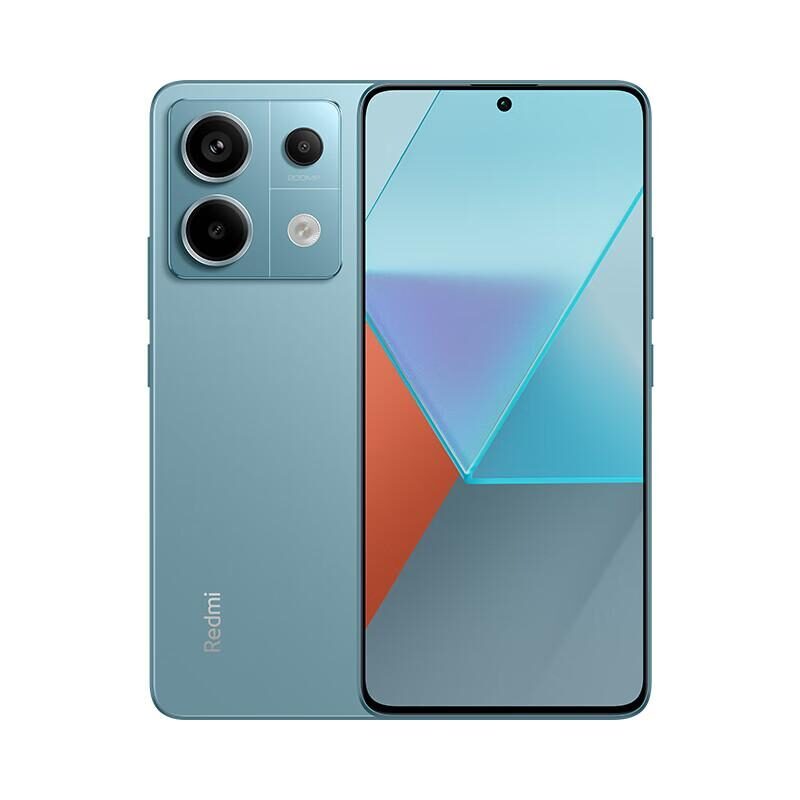
Xiaomi Redmi Note 13 Pro
Starting at
£262.00What's the difference between the Google Pixel 8 Pro and Xiaomi Redmi Note 13 Pro?
Google Pixel 8 Pro vs Xiaomi Redmi Note 13 Pro comes down to the chipset, battery and screen size. Refurbished, the Google Pixel 8 Pro starts at £248, £14 less than the Xiaomi Redmi Note 13 Pro.
Refurbished from
Chipset
Battery
Screen size
Screen type
Main camera
- Chipset: Google Tensor G3 on the Google Pixel 8 Pro, Qualcomm SM7435-AB Snapdragon 7s Gen 2 (4 nm) on the Xiaomi Redmi Note 13 Pro.
- Battery: 5050 mAh on the Google Pixel 8 Pro, 5100 mAh on the Xiaomi Redmi Note 13 Pro.
- Screen size: 6.7 inch on the Google Pixel 8 Pro, 6.67 inch on the Xiaomi Redmi Note 13 Pro.
Google Pixel 8 Pro vs Xiaomi Redmi Note 13 Pro specs
The Google Pixel 8 Pro and Xiaomi Redmi Note 13 Pro are both 2023 releases with similar 12 GB RAM and 5G support, but they suit different needs. The Pixel 8 Pro offers a higher screen resolution and a 50 megapixel main camera aimed at users who value sharp display and balanced image quality. The Redmi Note 13 Pro stands out with a 200 megapixel main camera and a higher resolution front camera, ideal for those who prioritise photography detail. Battery capacities and refresh rates are close, while the Pixel is slightly heavier. Storage options vary, with the Pixel offering more variety. Your choice depends on whether you want a more detailed camera setup or a higher resolution screen and storage flexibility.
Google Pixel 8 Pro vs Xiaomi Redmi Note 13 Pro price
Colour
- BlackSold out
- BlueSold out
- BeigeSold out
- GreenSold out
- BlackSold out
- BlueSold out
Storage
- 128GBSold out
- 256GBSold out
- 512GBSold out
- 256GBSold out
Google Pixel 8 Pro vs Xiaomi Redmi Note 13 Pro battery life and software updates
Battery life and device compatibility matter for long term use.
Battery Capacity
The Xiaomi Redmi Note 13 Pro has a 5100 mAh battery, slightly larger than the Google Pixel 8 Pro's 5050 mAh. This small difference might benefit users who want a bit more endurance on a single charge, especially if they use their phone heavily throughout the day.
Software Updates
This means you can expect ongoing software support for either device.
Battery
Fast charging
Foldable
Ip rating
Software updates
Wireless charging
Year of release
Google Pixel 8 Pro vs Xiaomi Redmi Note 13 Pro performance
Performance is shaped by the processors, RAM, and storage options you get. Both phones offer the same RAM amount but differ in chipset and storage capacities.
RAM and Multitasking
Both the Google Pixel 8 Pro and Xiaomi Redmi Note 13 Pro come with 12 GB of RAM. This amount of memory keeps apps running smoothly and supports multitasking well, suitable for users who use multiple apps at once.
Chipset Differences
The Pixel 8 Pro uses the Google Tensor G3 chipset, while the Redmi Note 13 Pro features the Qualcomm SM7435-AB Snapdragon 7s Gen 2 (4 nm). Each chipset has its own strengths that may suit different usage patterns, such as AI tasks on the Tensor or efficiency on the Snapdragon.
Storage Options
Google Pixel 8 Pro offers three storage variants: 128GB, 256GB, and 512GB, allowing flexibility if you want more space for apps, photos, and media. The Xiaomi Redmi Note 13 Pro is stocked with a 256GB option, which provides a solid amount of storage for most users.
Chipset
RAM
Google Pixel 8 Pro vs Xiaomi Redmi Note 13 Pro screen
The screen shapes your everyday interaction with the phone, from reading to watching videos. While both have 120 Hz refresh rates for smooth motion, their resolution and screen type differ.
Screen Resolution
The Google Pixel 8 Pro boasts a higher resolution of 1344 x 2992 compared to the Xiaomi Redmi Note 13 Pro's 1220 x 2712. This means sharper text and images, which suits users who prioritise display detail and clarity.
Screen Size and Type
The Pixel 8 Pro has a 6.7 inch LTPO OLED screen, while the Redmi Note 13 Pro offers a slightly larger 6.67 inch AMOLED screen. Both provide vibrant colours, but the LTPO OLED on the Pixel 8 Pro can adjust its refresh rate dynamically, potentially improving battery life during less demanding use.
Refresh rate
Resolution
Screen size
Screen type
Google Pixel 8 Pro vs Xiaomi Redmi Note 13 Pro camera
Camera quality often guides phone choice. The two devices take different approaches to photography, especially in megapixel counts for front and main cameras.
Main Camera Detail
The Xiaomi Redmi Note 13 Pro features a 200 megapixel main camera, capturing extremely detailed photos. This suits photography enthusiasts who want large, high-resolution images. The Google Pixel 8 Pro has a 50 megapixel main camera, which balances detail with other camera features.
Front Camera Resolution
For selfies and video calls, the Redmi Note 13 Pro offers a 16 megapixel front camera, higher resolution than the Pixel 8 Pro's 10.5 megapixels. This makes the Redmi a good choice if you often use the front camera and want clearer images.
Camera type
Front camera
Main camera
Google Pixel 8 Pro vs Xiaomi Redmi Note 13 Pro size and design
Other practical details influence daily use and convenience. Both phones support 5G and use USB-C connectors, but they differ in weight, size, and SIM card setup.
Size and Weight
The Google Pixel 8 Pro is slightly larger and heavier at 162.6 mm height, 76.5 mm width, and 213 g weight. The Xiaomi Redmi Note 13 Pro measures 161.2 mm in height, 74.3 mm in width, and weighs 187 g. If you prefer a lighter phone that feels less bulky, the Redmi may suit you better.
SIM Card Options
The Pixel 8 Pro supports a physical SIM plus an eSIM, which can be convenient for users who want to manage multiple lines digitally. The Redmi Note 13 Pro has dual physical SIM slots, ideal if you prefer using two physical SIM cards simultaneously.
Carrier compatibility
Connector
Depth
Height
Mobile network
Release date
SD card slot
SIM card
Weight
Width
Google Pixel 8 Pro or Xiaomi Redmi Note 13 Pro: which should you buy?
Buy the Google Pixel 8 Pro if
- you want to spend less: it starts at £248, £14 less than the Xiaomi Redmi Note 13 Pro
Buy the Xiaomi Redmi Note 13 Pro if
- you want a higher-resolution main camera (200 megapixels vs 50 megapixels)
- you want a higher-resolution front camera (16 megapixels vs 10.5 megapixels)
- you want a lighter build (187 g vs 213 g)
Google Pixel 8 Pro vs Xiaomi Redmi Note 13 Pro FAQs
Google Pixel 8 Pro vs Xiaomi Redmi Note 13 Pro comes down to the chipset, battery and screen size. Chipset: Google Tensor G3 on the Google Pixel 8 Pro, Qualcomm SM7435-AB Snapdragon 7s Gen 2 (4 nm) on the Xiaomi Redmi Note 13 Pro. Battery: 5050 mAh on the Google Pixel 8 Pro, 5100 mAh on the Xiaomi Redmi Note 13 Pro.
The Google Pixel 8 Pro is cheaper refurbished, from £248 compared with £262 for the Xiaomi Redmi Note 13 Pro.
The Google Pixel 8 Pro has 5050 mAh and the Xiaomi Redmi Note 13 Pro has 5100 mAh.
The Xiaomi Redmi Note 13 Pro has a higher-resolution main camera: 200 megapixels vs 50 megapixels.
The Google Pixel 8 Pro gets updates until Oct 2030. We don't have published update dates for the Xiaomi Redmi Note 13 Pro.
Refurbished, the Google Pixel 8 Pro comes in 128GB, 256GB and 512GB, and the Xiaomi Redmi Note 13 Pro in 256GB.