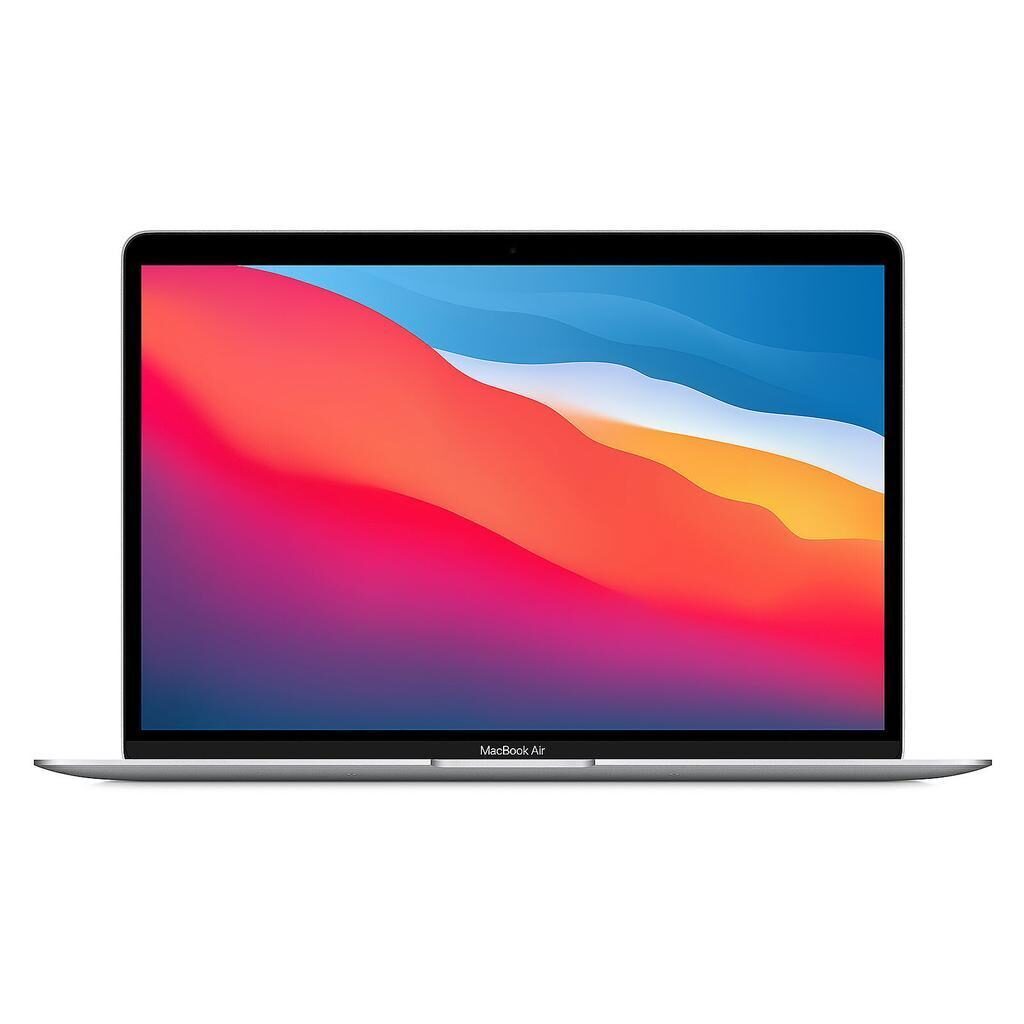
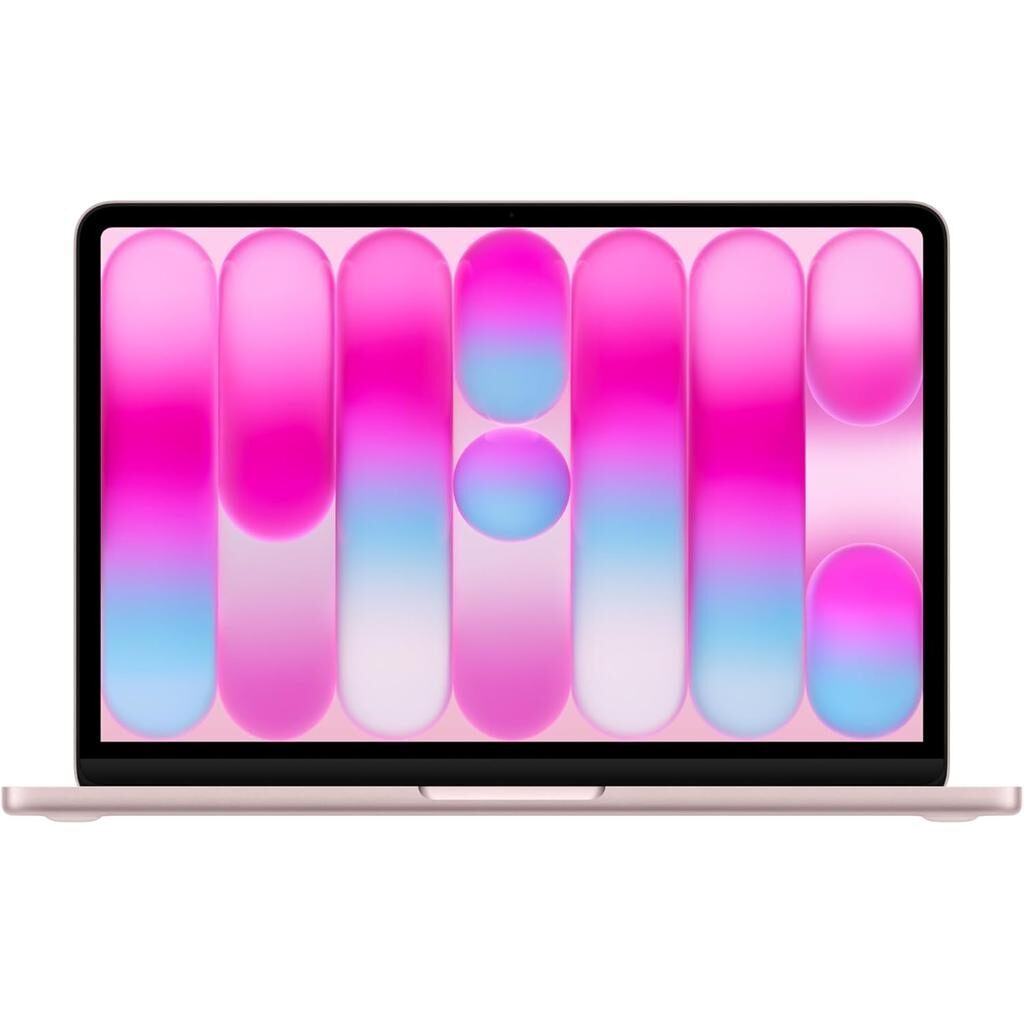
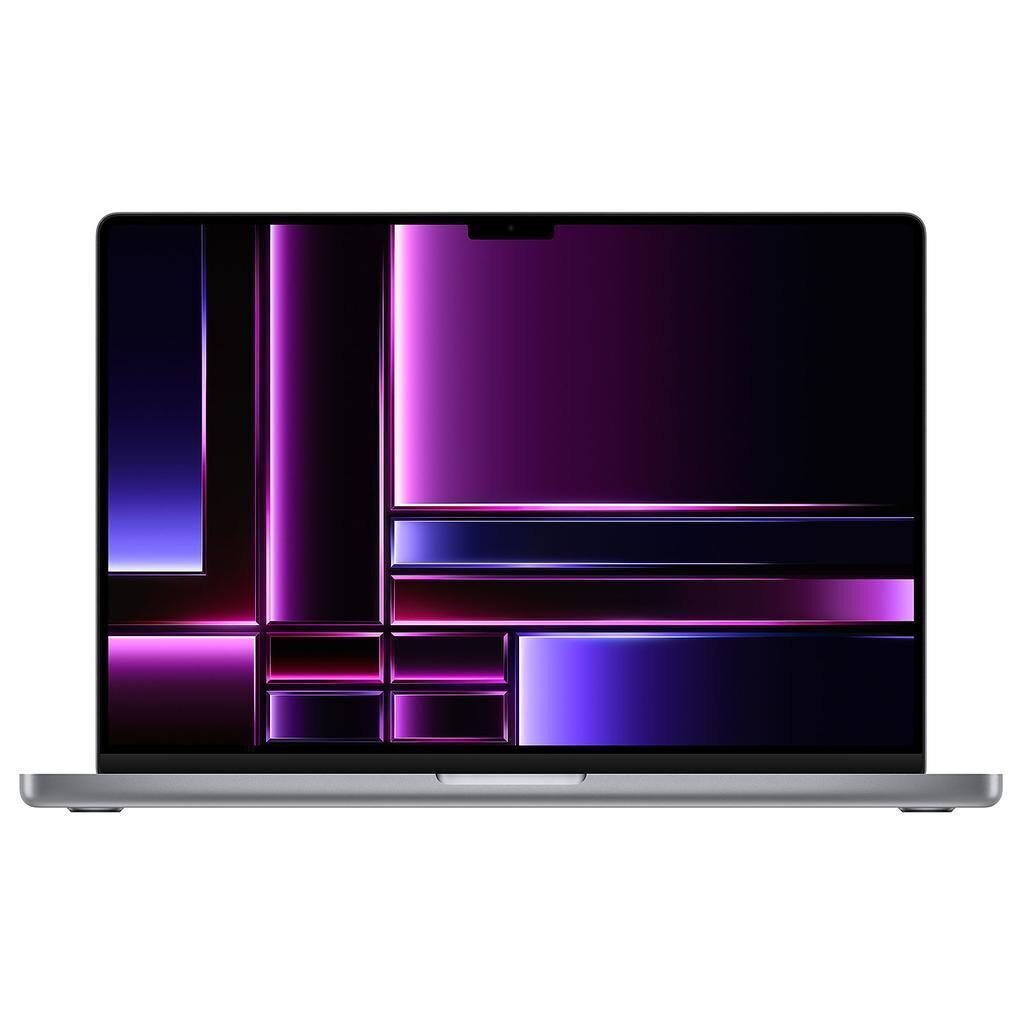
MacBook Air (M5 series) vs MacBook Pro (M1 series)
Shop MacBook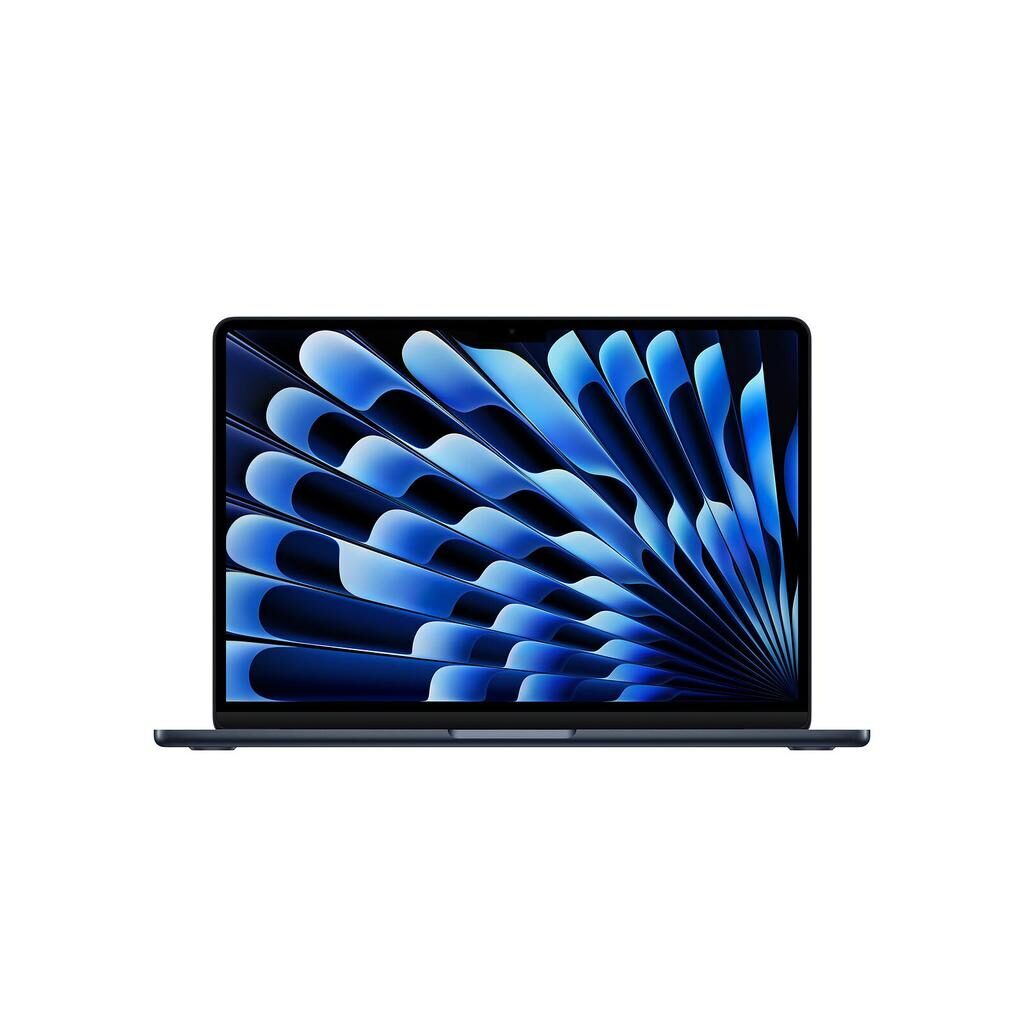
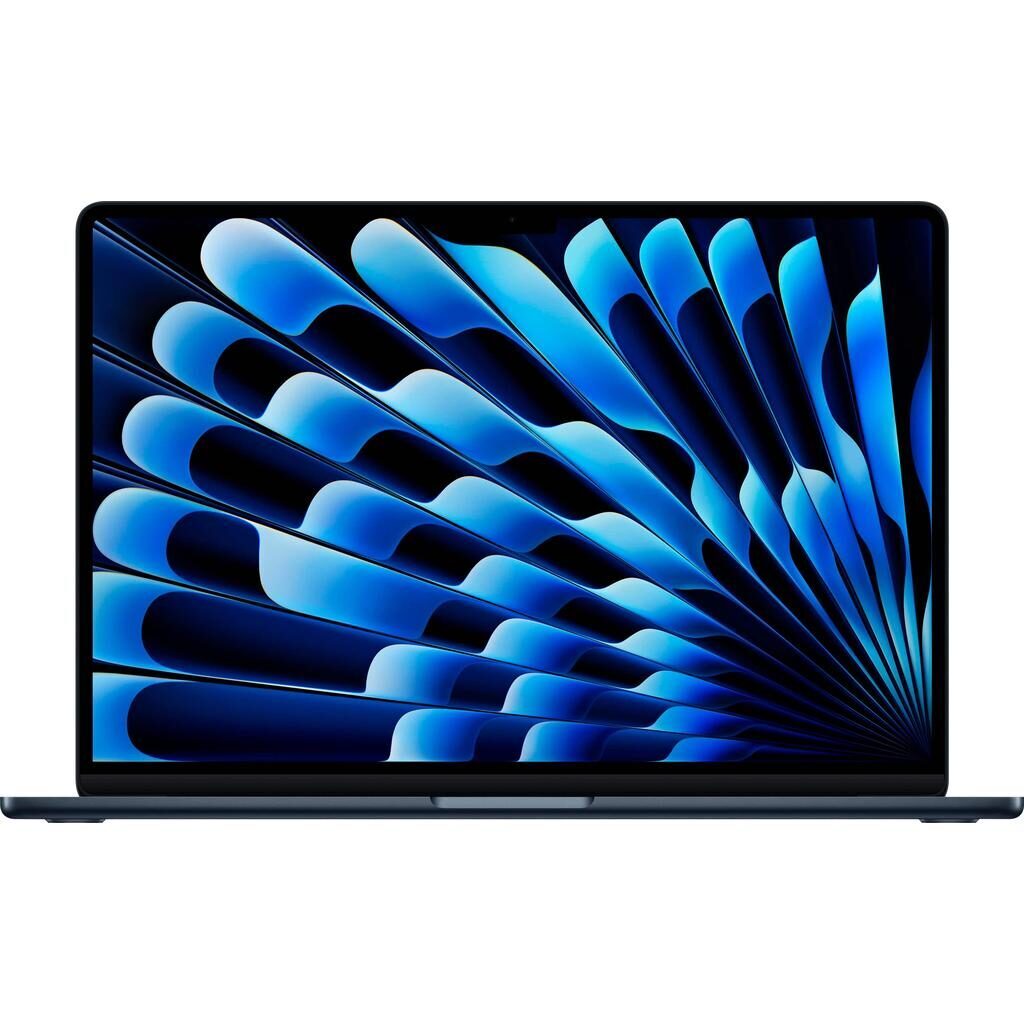
MacBook Air (M5 series)
Starting at
£1,885.24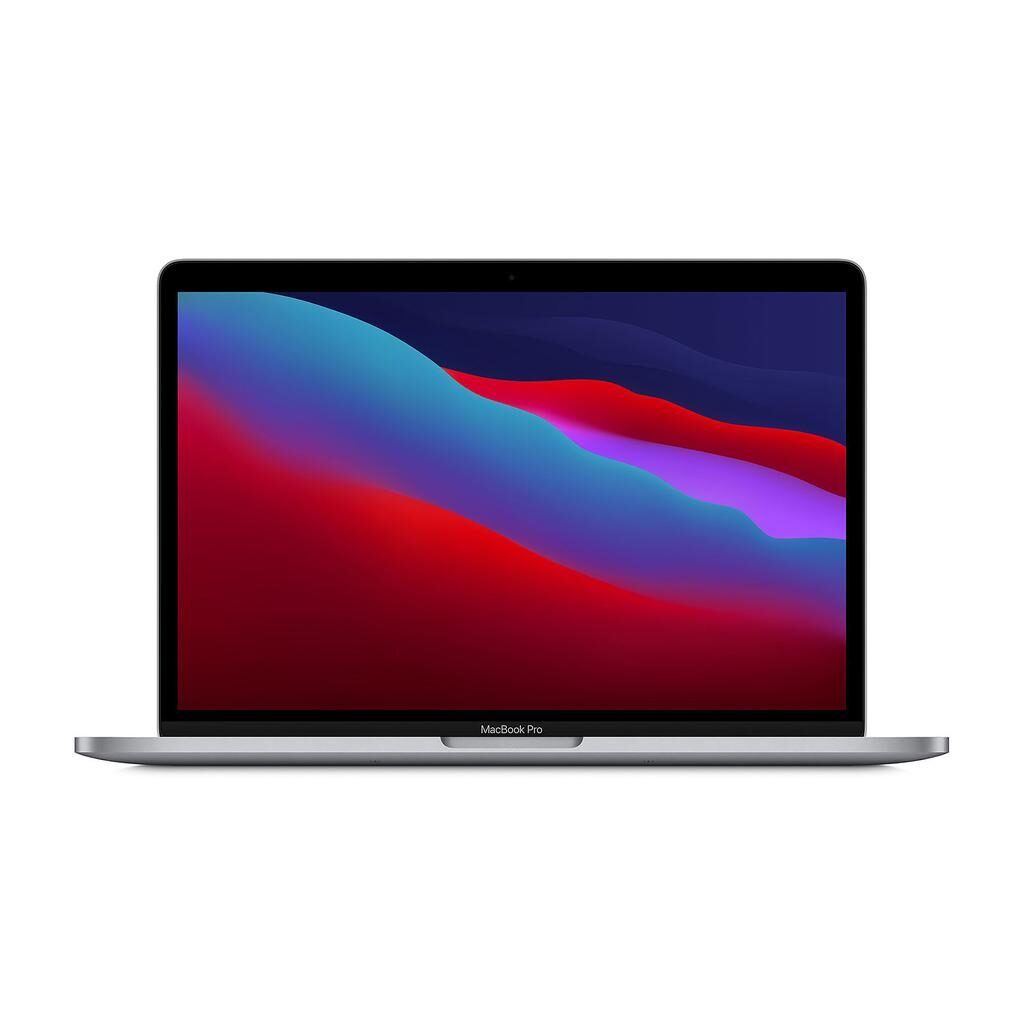
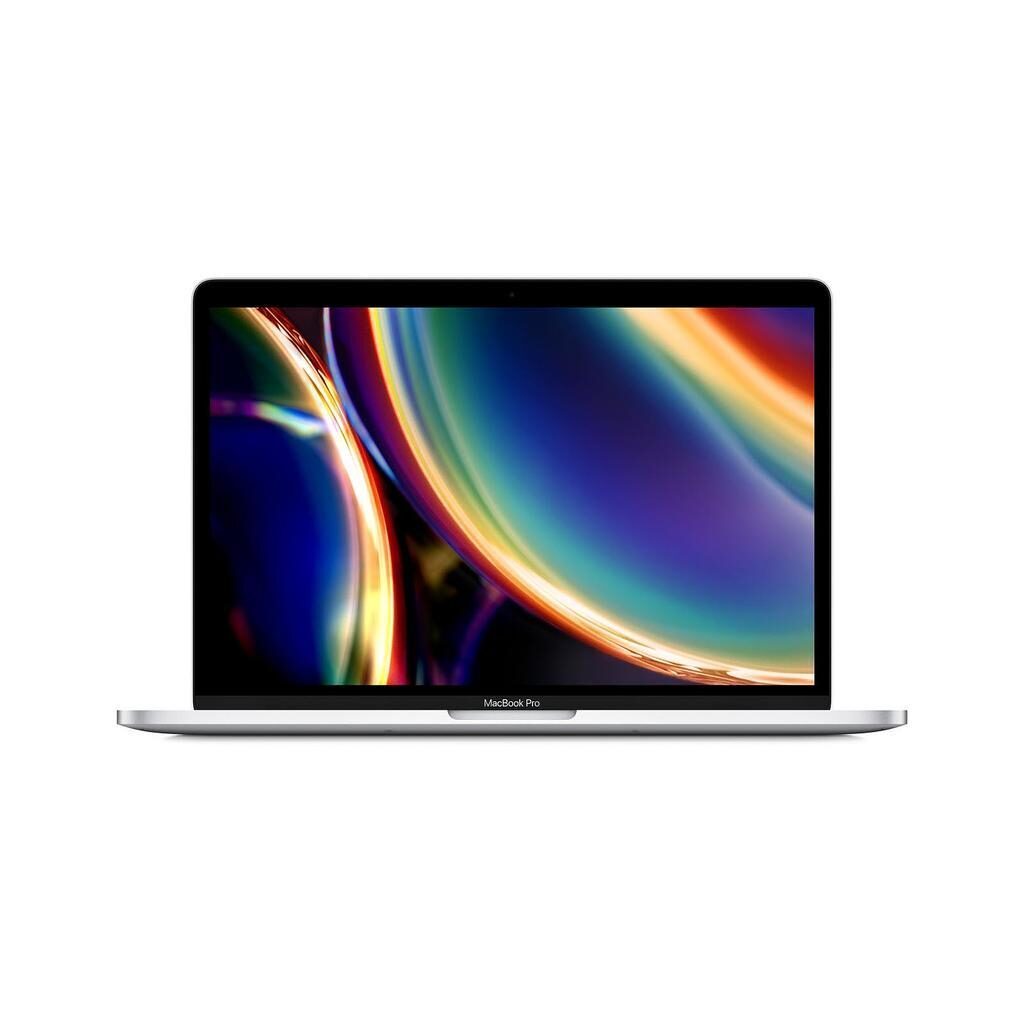
MacBook Pro (M1 series)
Starting at
£506.35£1,299.00 newWhat's the difference between the MacBook Air (M5 series) and MacBook Pro (M1 series)?
MacBook Air (M5 series) vs MacBook Pro (M1 series) comes down to the screen size, screen type and weight. Refurbished, the MacBook Pro (M1 series) starts at £506.35, £1378.89 less than the MacBook Air (M5 series). The MacBook Air (M5 series) is the newer model, released in 2026.
Refurbished from
Screen size
Screen type
Weight
- The MacBook Air (M5 series) has a bigger screen: 15 inch vs 13 inch.
- Screen type: Liquid Retina Display on the MacBook Air (M5 series), Retina display on the MacBook Pro (M1 series).
- The MacBook Pro (M1 series) has a lighter build: 1400 g vs 1510 g.
MacBook Air (M5 series) vs MacBook Pro (M1 series) specs
The MacBook Air offers a larger 15-inch Liquid Retina screen with higher brightness and a higher resolution option, suited to those who want more screen space and vivid visuals. The MacBook Pro has a smaller 13-inch Retina display, which is more compact for portability. Performance-wise, the MacBook Air features a 10-core GPU and starts with 512 GB storage, while the MacBook Pro has an 8-core GPU and offers a wider range of storage options up to 4 TB. The Air includes Bluetooth 6.0 and MagSafe 3 charging, while the Pro has Bluetooth 5.0 and USB Type-C charging. The MacBook Air's front camera records in 1080p, ideal for sharper video calls. Choose the MacBook Air for a bigger screen and newer features, or the MacBook Pro for a versatile size with more storage options.
MacBook Air (M5 series) vs MacBook Pro (M1 series) price
MacBook Air (M5 series) vs MacBook Pro (M1 series) battery life and software updates
Durability and software compatibility are important for keeping your MacBook running smoothly over time.
Operating System Support
Both the MacBook Air M5 series and MacBook Pro M1 series support macOS Tahoe, so your software experience will stay up to date.
Release Year Context
The MacBook Air M5 was released in 2026, while the MacBook Pro M1 came out in 2020.
Maximum operating system supported
OS at launch
Year of release
MacBook Air (M5 series) vs MacBook Pro (M1 series) performance
Performance affects how smoothly your MacBook handles tasks and storage needs. Both models have 16 GB of RAM and 64-bit architecture, suitable for multitasking and demanding applications. Differences in graphics and storage can influence who each device suits best.
Graphics Processing
The MacBook Air M5 series features a 10-core GPU, which provides more graphical processing power than the MacBook Pro M1 series with its 8-core GPU. This difference benefits users working with graphics-heavy applications or creative work requiring smoother visuals.
Storage Options
The MacBook Air M5 series offers stock options of 512 GB and 1 TB SSD storage, which supports everyday storage needs and some heavier use. The MacBook Pro M1 series comes in a wider range of storage options from 256 GB up to 4 TB, making it a good choice if you need larger or more flexible storage capacities.
Graphic card
Macbook architecture
Processor brand
Processor speed ghz
RAM
Storage type
MacBook Air (M5 series) vs MacBook Pro (M1 series) screen
Screen quality impacts your viewing experience for work, entertainment, and creative projects. The MacBook Air M5 series and MacBook Pro M1 series both use IPS technology and support True Tone for colour accuracy. Differences in size, resolution, and brightness offer distinct benefits.
Screen Size and Resolution
The MacBook Air M5 series has a larger 15-inch Liquid Retina display with options for 2560 x 1664 and 2880 x 1864 resolution, which provides a more spacious workspace and sharper details. The MacBook Pro M1 series has a 13-inch Retina display at 2560 x 1600 resolution, which suits users who want a smaller, more portable screen.
Screen Brightness
With 500 nits brightness, the MacBook Air M5 series offers a brighter display than the MacBook Pro M1 series, which has 400 nits brightness. This makes the Air better for use in bright environments or for viewing HDR content with more vivid highlights.
Ips
Resolution
Retina
Screen brightness
Screen size
Screen type
True tone
MacBook Air (M5 series) vs MacBook Pro (M1 series) camera
Front camera definition
Speakers
MacBook Air (M5 series) vs MacBook Pro (M1 series) size and design
Additional features can influence your daily experience and convenience. Both MacBooks include essentials like a headphone jack, Touch support, and QWERTY English keyboards, but they differ in ports, charging, Bluetooth, and camera quality.
Bluetooth and Wireless
The MacBook Air M5 series includes Bluetooth 6.0, which is a newer version than the MacBook Pro M1 series Bluetooth 5.0. Both support Wi-Fi 6 802.11ax, so wireless internet speeds and connections perform similarly.
Charging and Ports
The MacBook Air M5 series supports MagSafe 3 and USB Type-C charging, offering more flexibility and convenience in charging options. The MacBook Pro M1 series charges via USB Type-C only. Both have two USB Type-C Thunderbolt 4 ports and a headphone jack.
Front Camera Quality
For video calls and conferencing, the MacBook Air M5 series offers a 1080p front camera, which delivers sharper and clearer video compared to the MacBook Pro M1 series' 720p camera.
Touch and Touch Bar
Both models support Touch features, but the MacBook Pro M1 series includes a Touch Bar, which provides contextual controls at the keyboard. The MacBook Air M5 series does not include a Touch Bar.
Weight
The MacBook Pro M1 series weighs 1400 g, making it slightly lighter than the MacBook Air M5 series at 1510 g. This difference may be noticeable if you carry your MacBook frequently.
Bluetooth
Bluetooth version
Card slot
Charger compatibility
Depth
Display
Hdmi output
Height
Jack plug
Keyboard language type
Neural engine
Promotion
Release date
Touch
Touch bar
Usb typec thunderbolt 4 ports
Usbc port
Weight
Width
Wifi technology
MacBook Air (M5 series) or MacBook Pro (M1 series): which should you buy?
Buy the MacBook Air (M5 series) if
- you want a bigger screen (15 inch vs 13 inch)
- you want the newer model (2026)
Buy the MacBook Pro (M1 series) if
- you want to spend less: it starts at £506.35, £1378.89 less than the MacBook Air (M5 series)
- you want a lighter build (1400 g vs 1510 g)
MacBook Air (M5 series) vs MacBook Pro (M1 series) FAQs
MacBook Air (M5 series) vs MacBook Pro (M1 series) comes down to the screen size, screen type and weight. The MacBook Air (M5 series) has a bigger screen: 15 inch vs 13 inch. Screen type: Liquid Retina Display on the MacBook Air (M5 series), Retina display on the MacBook Pro (M1 series).
The MacBook Pro (M1 series) is cheaper refurbished, from £506.35 compared with £1885.24 for the MacBook Air (M5 series).
The MacBook Air (M5 series) adds a bigger screen (15 inch vs 13 inch). Refurbished, it costs £1378.89 more (from £1885.24 vs £506.35).
Refurbished, the MacBook Air (M5 series) comes in 512GB and 1TB, and the MacBook Pro (M1 series) in 256GB, 512GB, 1TB, 2TB and 4TB.