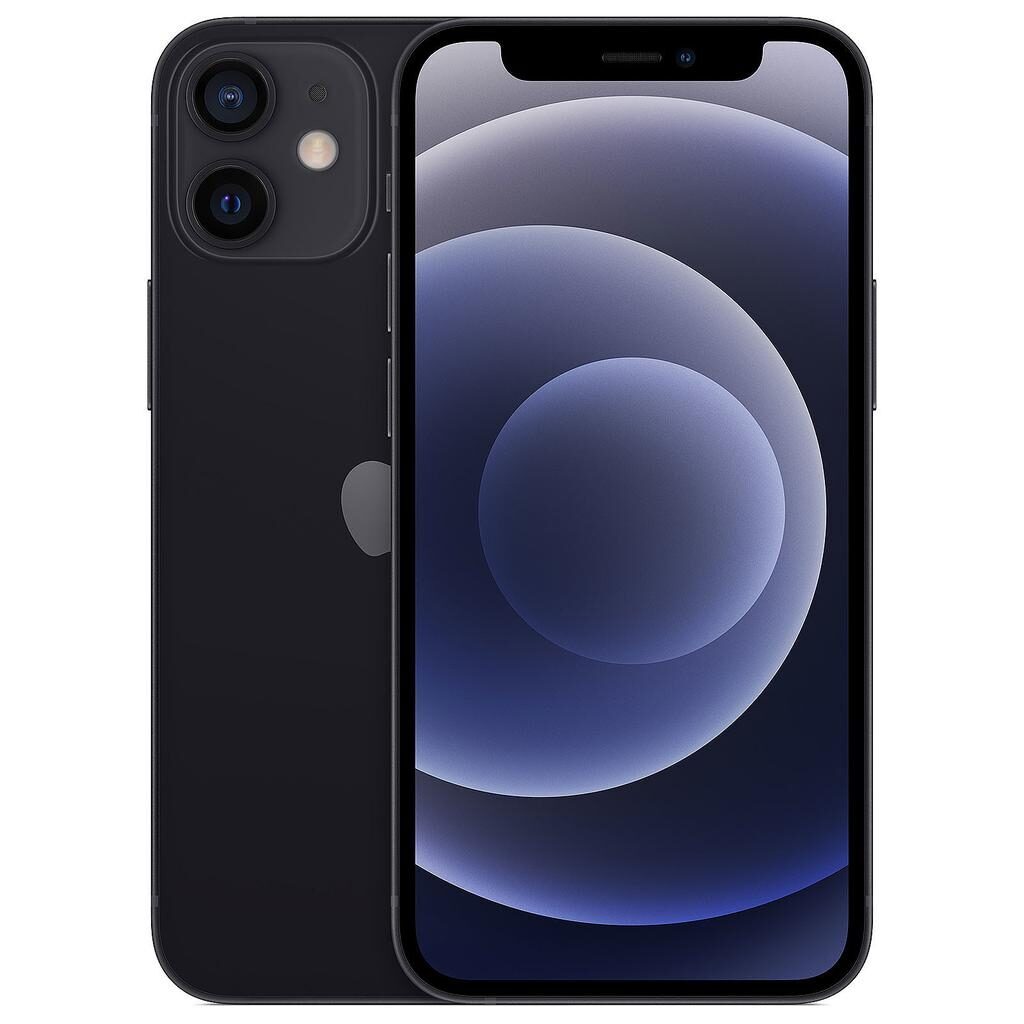
iPhone 8 vs iPhone SE (2020)
Shop iPhone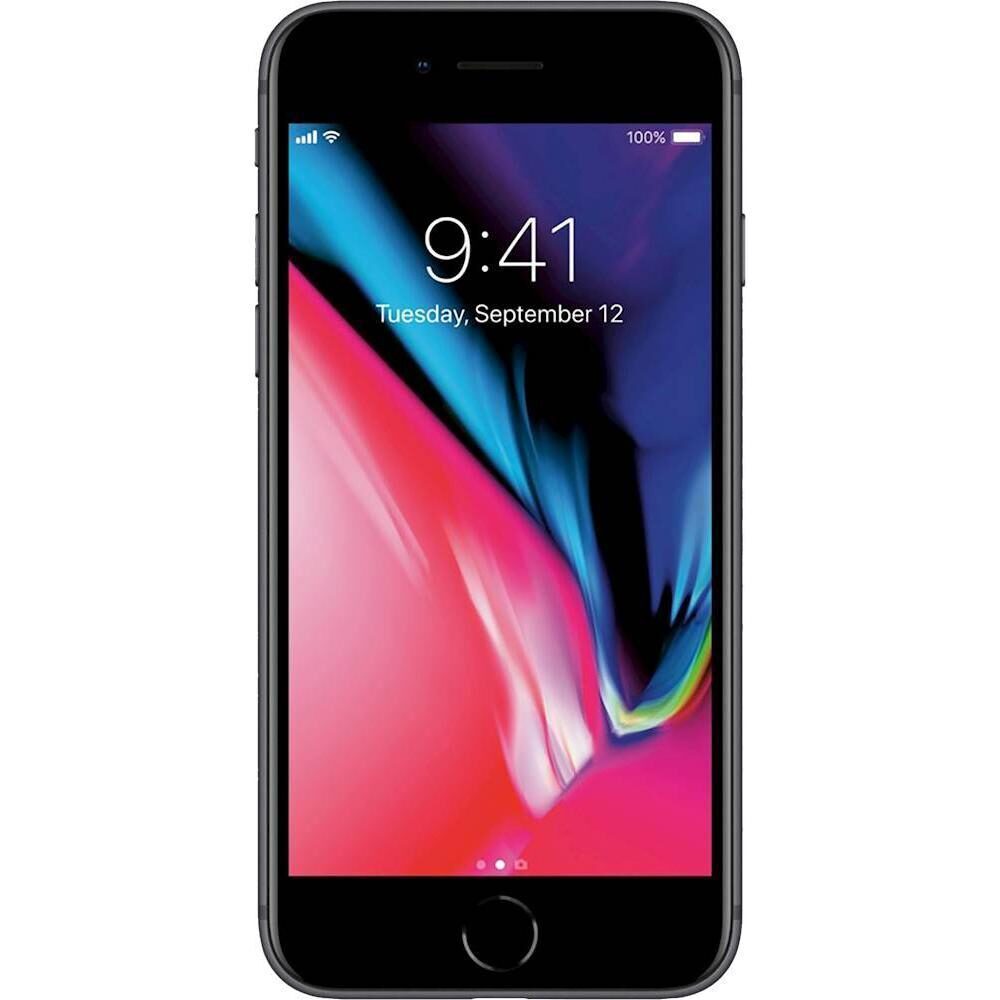
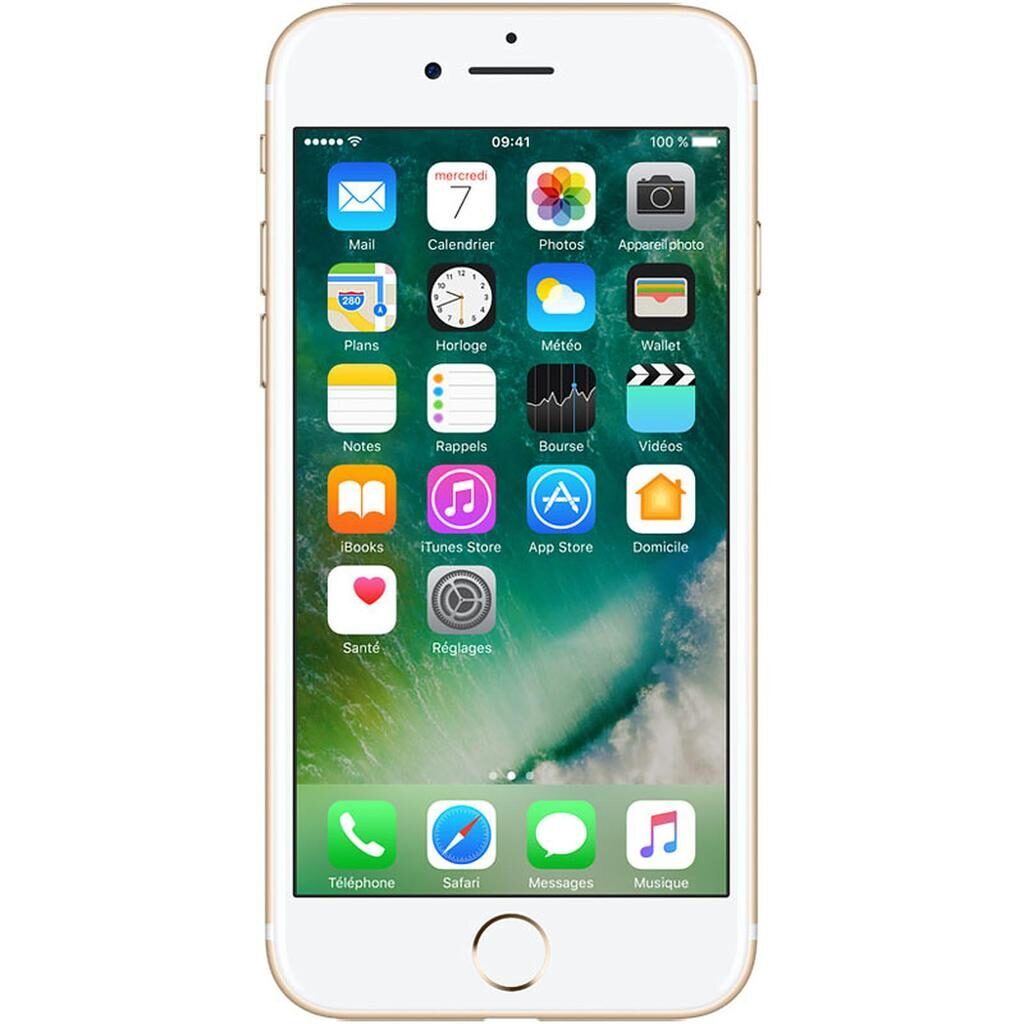
iPhone 8
Starting at
£90.00£399.00 new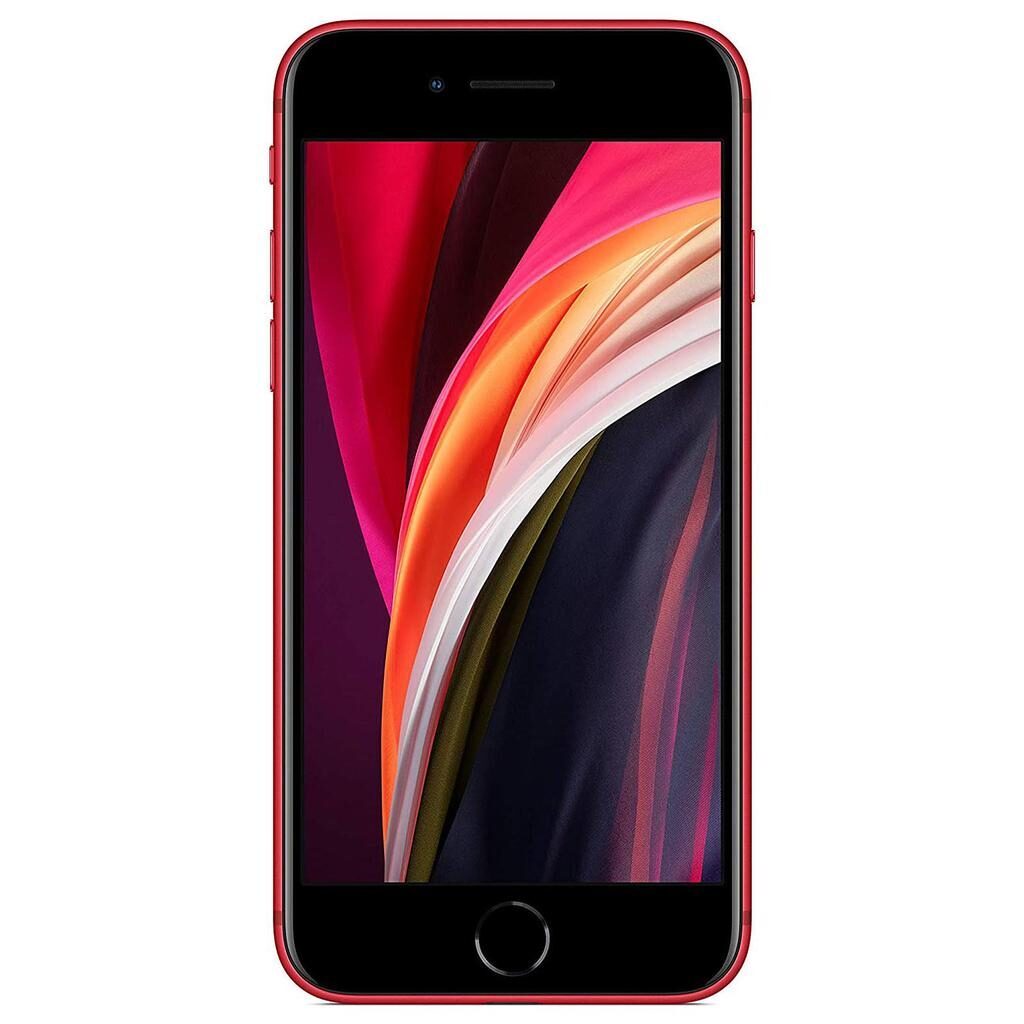
iPhone SE (2020)
Starting at
£75.11£289.00 newWhat's the difference between the iPhone 8 and iPhone SE (2020)?
iPhone 8 vs iPhone SE (2020) comes down to the chipset, RAM and software updates. Refurbished, the iPhone SE (2020) starts at £75.11, £14.89 less than the iPhone 8. The iPhone SE (2020) is the newer model, released in 2020.
Refurbished from
Chipset
RAM
Software updates
- Chipset: Apple A11 Bionic on the iPhone 8, Apple A13 Bionic on the iPhone SE (2020).
- The iPhone SE (2020) has more RAM: 3 GB vs 2 GB.
- The iPhone SE (2020) has longer software support: supported, up to iOS 27 vs ended Mar 2025, last iOS 16.
iPhone 8 vs iPhone SE (2020) specs
The iPhone 8 and iPhone SE (2020) share many features such as screen size, resolution, and camera megapixels, making them visually and functionally similar for everyday use. It also includes eSIM capability, useful for those who want dual SIM options. The iPhone 8 remains a solid choice for someone who prefers a simpler setup with a physical SIM and is happy with 2 GB RAM. Both devices come in the same storage options and weight, letting you choose based on performance needs and software updates rather than design or size.
iPhone 8 vs iPhone SE (2020) price
Colour
iPhone 8 vs iPhone SE (2020) battery life and software updates
Durability covers software updates and compatibility, which affect how long a device stays current and secure. Both run iOS.
Software Updates
If you prefer a device that stays current with Apple's software, the SE (2020) suits you.
Battery
Foldable
Ip rating
Software updates
Wireless charging
Year of release
iPhone 8 vs iPhone SE (2020) performance
Chipset
RAM
iPhone 8 vs iPhone SE (2020) screen
Screen quality affects what you see and how you interact with the device. Both the iPhone 8 and iPhone SE (2020) have the same screen size, resolution, and type, so they offer a similar viewing experience.
Display Features
Both devices have a 4.7 inch Retina IPS LCD screen with a resolution of 750 x 1334. This means you get sharp visuals and vibrant colours ideal for everyday tasks like browsing, messaging, and watching videos. The identical screen specs make either device suitable if screen quality is your priority.
Resolution
Screen size
Screen type
iPhone 8 vs iPhone SE (2020) camera
Audiovisual features affect your experience with photos, videos, and calls. The two devices have the same front and main camera megapixels, so they capture similar detail.
Camera Quality
Both the iPhone 8 and iPhone SE (2020) offer a 7 megapixel front camera and a 12 megapixel main camera. This means either phone can take detailed photos and selfies, suitable for everyday photography and video calls.
Front camera
Main camera
iPhone 8 vs iPhone SE (2020) size and design
Other features include connectivity and physical characteristics that affect daily use. The iPhone SE (2020) includes eSIM support alongside a physical SIM, while the iPhone 8 uses a physical SIM only. Both have the same connector, network, carrier compatibility, and weight.
SIM Card Options
The iPhone SE (2020) supports both a physical SIM and eSIM, allowing you to use two phone numbers or plans on one device. This suits those who want that flexibility for work and personal use or when travelling. The iPhone 8 uses a physical SIM only, which fits users happy with a single SIM.
Connectivity and Weight
Both phones connect to 4G networks and come unlocked, so you can use them with any compatible carrier. Each device weighs 148 g and uses a Lightning connector, which means they are equally portable and share the same charging and accessory options.
Carrier compatibility
Connector
Depth
Height
Mobile network
Release date
SD card slot
SIM card
Weight
Width
iPhone 8 or iPhone SE (2020): which should you buy?
Buy the iPhone SE (2020) if
- you want to spend less: it starts at £75.11, £14.89 less than the iPhone 8
- you want more RAM (3 GB vs 2 GB)
- you want longer software support (supported, up to iOS 27 vs ended Mar 2025, last iOS 16)
What our customers say
Customers who bought the iPhone 8 say it looks like new with good battery health and appreciate its solid feel and reliable performance. Many find it better than older models they had before. Some mention minor marks or scratches but say these do not affect use. Battery life is generally fine for everyday tasks, though heavy use may require a charge by evening. The phone works well for work and daily use, and transferring data to it is straightforward.
Buyers of the iPhone SE (2020) praise its excellent condition and battery life, often describing it as feeling brand new. It suits families looking for a device that supports Apple's parental controls and those wanting a reliable first phone. Reviewers note good value for money and smooth operation. Some mention minor screen scuffs or battery messages related to unofficial replacements but still find the phone performs well. The eSIM feature is appreciated by users wanting dual SIM capabilities.
Both phones attract customers who want dependable refurbished devices that look and work like new. The iPhone 8 fits those content with a straightforward single SIM phone with familiar performance, while the iPhone SE (2020) appeals to people seeking longer software support and extra SIM flexibility.
iPhone 8 vs iPhone SE (2020) FAQs
iPhone 8 vs iPhone SE (2020) comes down to the chipset, RAM and software updates. Chipset: Apple A11 Bionic on the iPhone 8, Apple A13 Bionic on the iPhone SE (2020). The iPhone SE (2020) has more RAM: 3 GB vs 2 GB.
The iPhone SE (2020) is cheaper refurbished, from £75.11 compared with £90 for the iPhone 8.
Both have the same main camera: 12 megapixels.
Updates for the iPhone 8 ended in Mar 2025. Its last version is iOS 16. The iPhone SE (2020) is still supported and can run iOS 27.
The iPhone SE (2020) adds more RAM (3 GB vs 2 GB) and longer software support (supported, up to iOS 27 vs ended Mar 2025, last iOS 16). Refurbished, it costs £14.89 less (from £75.11 vs £90).
Both come in 64GB, 128GB and 256GB refurbished.