Galaxy S20 5G vs iPhone SE (2020)
Shop Samsung Galaxy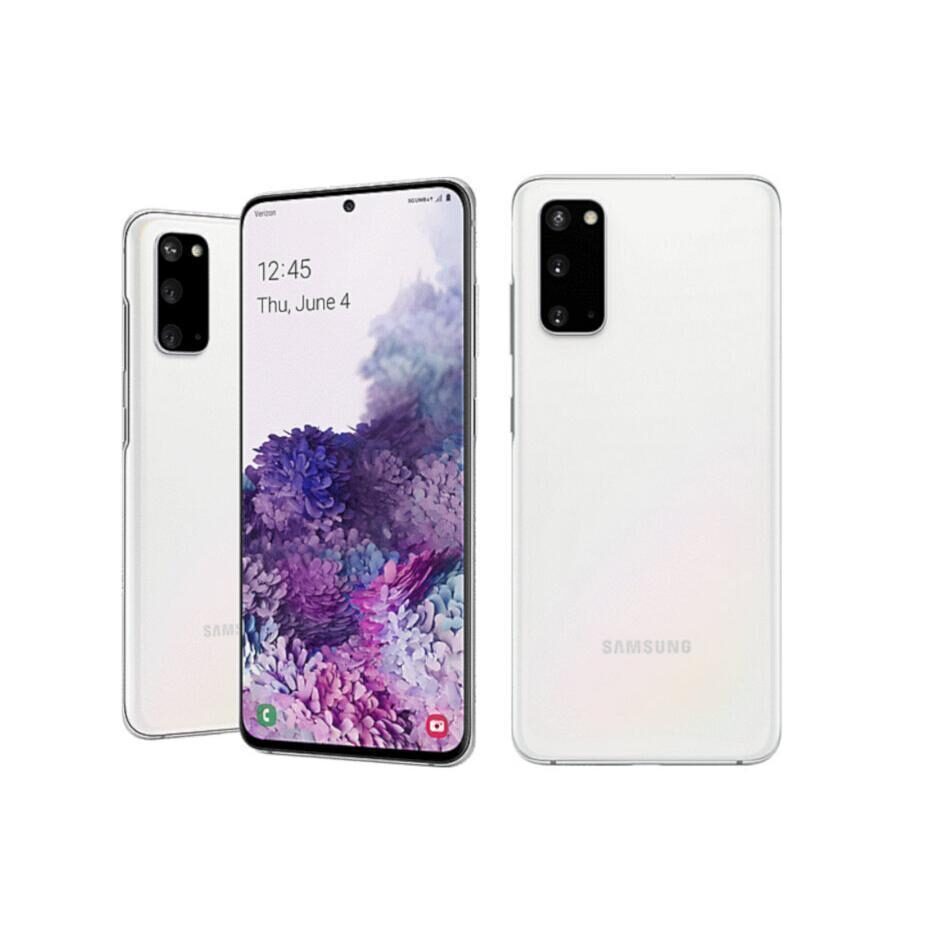
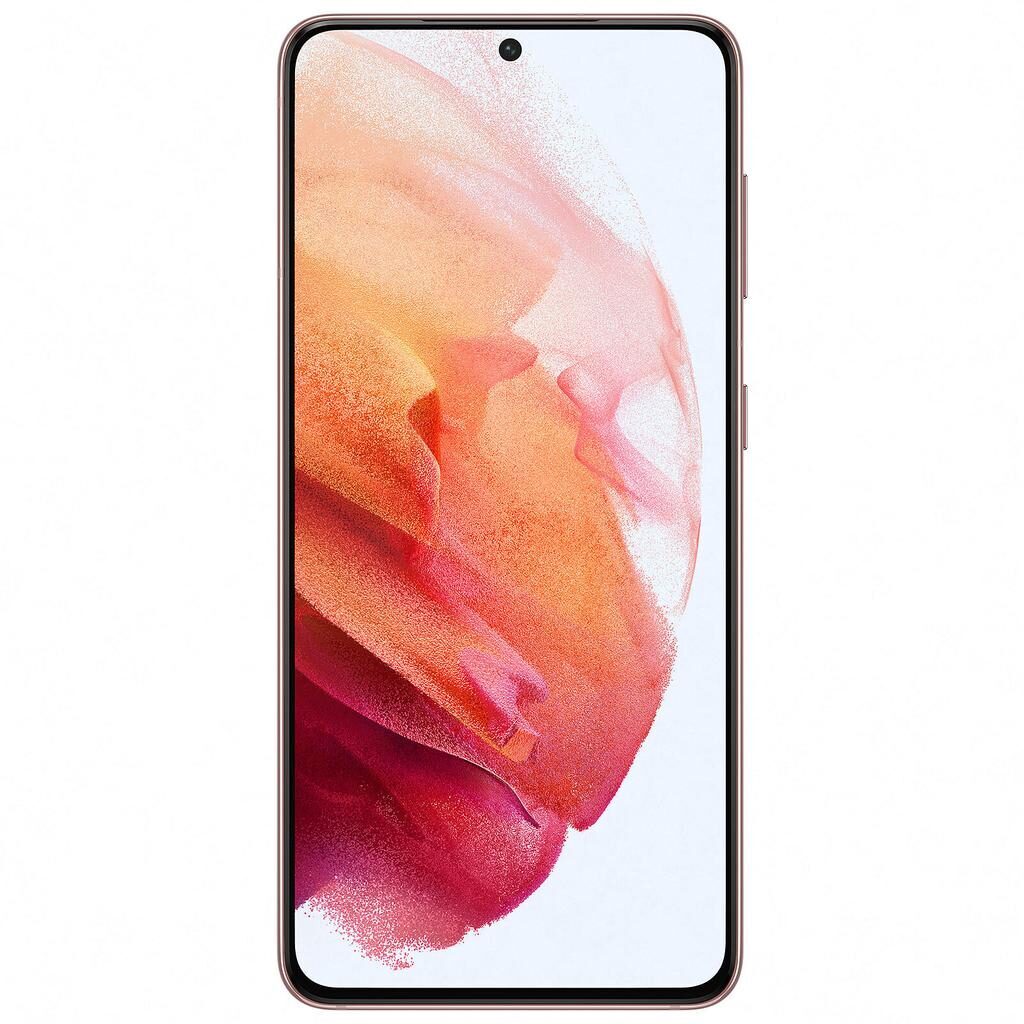
Galaxy S20 5G
Starting at
£161.35£1,009.00 new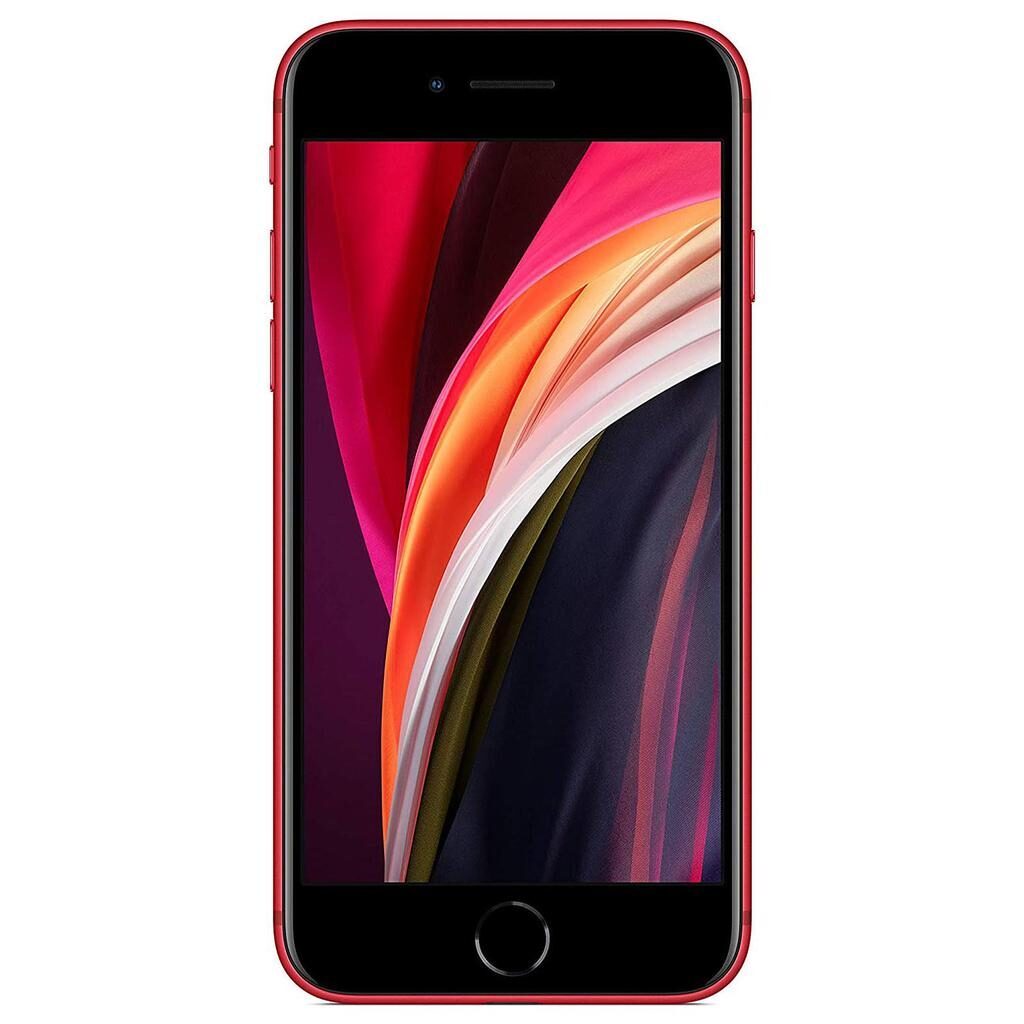
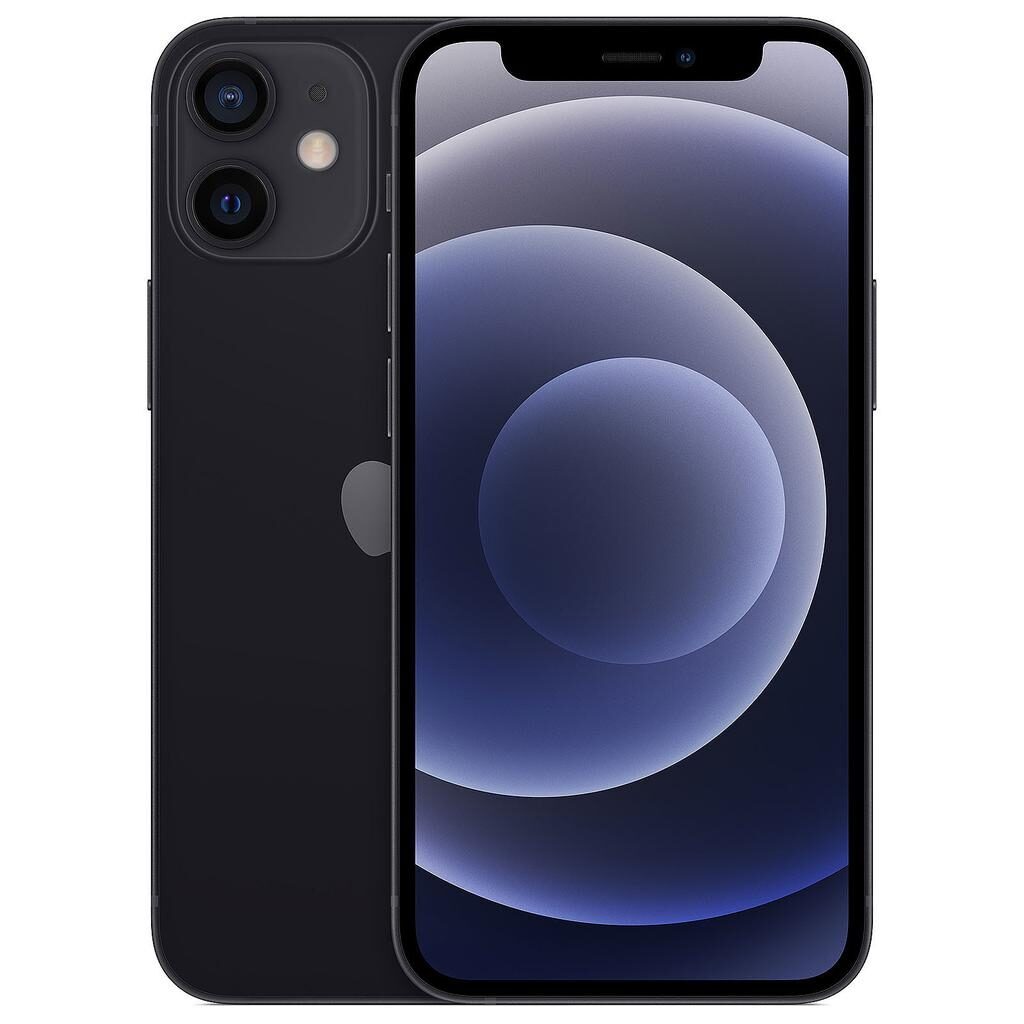
iPhone SE (2020)
Starting at
£75.11£289.00 newWhat's the difference between the Galaxy S20 5G and iPhone SE (2020)?
Galaxy S20 5G vs iPhone SE (2020) comes down to the RAM, screen size and screen type. Refurbished, the iPhone SE (2020) starts at £75.11, £86.24 less than the Galaxy S20 5G.
Refurbished from
RAM
Screen size
Screen type
Front camera
Software updates
- The Galaxy S20 5G has more RAM: 12 GB vs 3 GB.
- The Galaxy S20 5G has a bigger screen: 6.2 inch vs 4.7 inch.
- The Galaxy S20 5G has an OLED screen.
Galaxy S20 5G vs iPhone SE (2020) specs
The Galaxy S20 5G and iPhone SE (2020) both come from 2020 but suit different needs. The Galaxy S20 5G offers a larger, higher resolution Dynamic AMOLED 2X screen and more RAM, making it better for multitasking and media consumption. It supports 5G networks and has a microSDXC slot for extra storage, appealing to users who want more connectivity and storage flexibility. The SE includes eSIM support and a Lightning connector, while the Galaxy has dual physical SIMs and USB-C. Your choice depends on whether you prioritise screen size, network technology, or software updates.
Galaxy S20 5G vs iPhone SE (2020) price
Colour
Galaxy S20 5G vs iPhone SE (2020) battery life and software updates
Durability covers software updates, operating systems, and some physical features that affect daily use. These aspects influence how long a device feels current and what software experience you get.
Operating System
The Galaxy S20 5G runs Android, offering a different app environment and customisation options compared to the iPhone SE (2020), which runs iOS. Your choice here depends on which operating system you prefer or are more familiar with.
Battery
Fast charging
Foldable
Ip rating
Software updates
Wireless charging
Year of release
Galaxy S20 5G vs iPhone SE (2020) performance
Chipset
RAM
Galaxy S20 5G vs iPhone SE (2020) screen
Screen quality affects how you view content, play games, or browse. Differences in size, resolution, and screen technology tailor each device to different viewing preferences.
Screen Size
The Galaxy S20 5G has a 6.2 inch screen, providing more room for watching videos and multitasking. The iPhone SE (2020) has a 4.7 inch screen, which suits users who prefer a smaller, more pocket-friendly device that is easier to use with one hand.
Screen Resolution
With a resolution of 1440 by 3200, the Galaxy S20 5G offers a sharper and more detailed display, ideal for high-definition content and detailed visuals. The iPhone SE (2020) has a resolution of 750 by 1334, which fits its smaller screen size and keeps images clear for everyday use.
Screen Type
The Galaxy S20 5G uses Dynamic AMOLED 2X technology, known for vibrant colours and deep contrast, making it well suited for viewing photos and videos. The iPhone SE (2020) has a Retina IPS LCD, providing accurate colours and good visibility in various lighting conditions, suitable for typical daily tasks.
Refresh rate
Resolution
Screen size
Screen type
Galaxy S20 5G vs iPhone SE (2020) camera
Camera quality is important for capturing photos and video calls. Both phones have similar main cameras, but the front cameras differ.
Front Camera
The Galaxy S20 5G features a 10 megapixel front camera, which captures more detail in selfies and video calls. The iPhone SE (2020) has a 7 megapixel front camera that handles everyday selfies and calls well, fitting users who do not prioritise the highest front camera resolution.
Main Camera
Both devices have a 12 megapixel main camera, so they can capture photos with similar resolution. This makes either phone suitable for general photography needs.
Camera type
Front camera
Main camera
Galaxy S20 5G vs iPhone SE (2020) size and design
Various features affect connectivity, storage, and convenience. Differences here influence how each phone fits into your mobile setup.
Mobile Network
The Galaxy S20 5G supports 5G networks, which provide faster mobile internet speeds where available. The iPhone SE (2020) supports 4G, which remains widely available and reliable. Choose based on your network needs and coverage.
SIM Card Setup
The Galaxy S20 5G uses dual physical SIM cards, allowing you to use two separate numbers or networks with physical cards. The iPhone SE (2020) uses one physical SIM plus an eSIM, offering flexibility to add a second number digitally without a second card.
Storage Options
The Galaxy S20 5G comes in 128GB and 256GB storage options and includes a microSDXC card slot, so you can expand storage with a memory card. The iPhone SE (2020) offers 64GB, 128GB, and 256GB options but does not support expandable storage, which suits users who prefer fixed internal storage.
Connector Type
The Galaxy S20 5G uses a USB-C connector, common for charging and accessories across many devices. The iPhone SE (2020) uses a Lightning connector, compatible with Apple accessories and chargers.
Weight
Weighing 163 g, the Galaxy S20 5G is slightly heavier than the iPhone SE (2020), which weighs 148 g. The lighter weight of the iPhone may appeal if you prefer a less noticeable phone in your hand or pocket.
Carrier compatibility
Connector
Depth
Height
Mobile network
Release date
SD card slot
SIM card
Weight
Width
Galaxy S20 5G or iPhone SE (2020): which should you buy?
Buy the Galaxy S20 5G if
- you want more RAM (12 GB vs 3 GB)
- you want a bigger screen (6.2 inch vs 4.7 inch)
- you want an OLED screen
Buy the iPhone SE (2020) if
- you want to spend less: it starts at £75.11, £86.24 less than the Galaxy S20 5G
- you want longer software support (supported, up to iOS 27 vs ended Mar 2025)
- you want a lighter build (148 g vs 163 g)
What our customers say
Customers who chose the Galaxy S20 5G appreciate its excellent condition and performance, with many noting it looks factory fresh and runs smoothly. They find the phone fast and responsive, with good battery life and camera quality. Some customers mention occasional heating or battery concerns, but overall the phone meets their expectations for a refurbished device. The large screen and software ease of use are also highlighted.
Owners of the iPhone SE (2020) comment on its spotless condition and reliability. Many have bought it for family members or as a first phone, enjoying its performance and the iOS experience. The phone is described as feeling like new and working perfectly, with some users noting minor screen imperfections that do not affect daily use. Battery health can sometimes show warnings due to unofficial replacements, but this does not affect overall satisfaction.
The Galaxy S20 5G suits customers who want a larger screen and more memory for apps, along with 5G connectivity. The iPhone SE (2020) appeals to those who prefer a compact device with the latest iOS updates and simple, reliable performance.
Galaxy S20 5G vs iPhone SE (2020) FAQs
Galaxy S20 5G vs iPhone SE (2020) comes down to the RAM, screen size and screen type. The Galaxy S20 5G has more RAM: 12 GB vs 3 GB. The Galaxy S20 5G has a bigger screen: 6.2 inch vs 4.7 inch.
The iPhone SE (2020) is cheaper refurbished, from £75.11 compared with £161.35 for the Galaxy S20 5G.
Both have the same main camera: 12 megapixels.
Updates for the Galaxy S20 5G ended in Mar 2025. The iPhone SE (2020) is still supported and can run iOS 27.
Refurbished, the Galaxy S20 5G comes in 128GB, and the iPhone SE (2020) in 64GB, 128GB and 256GB.