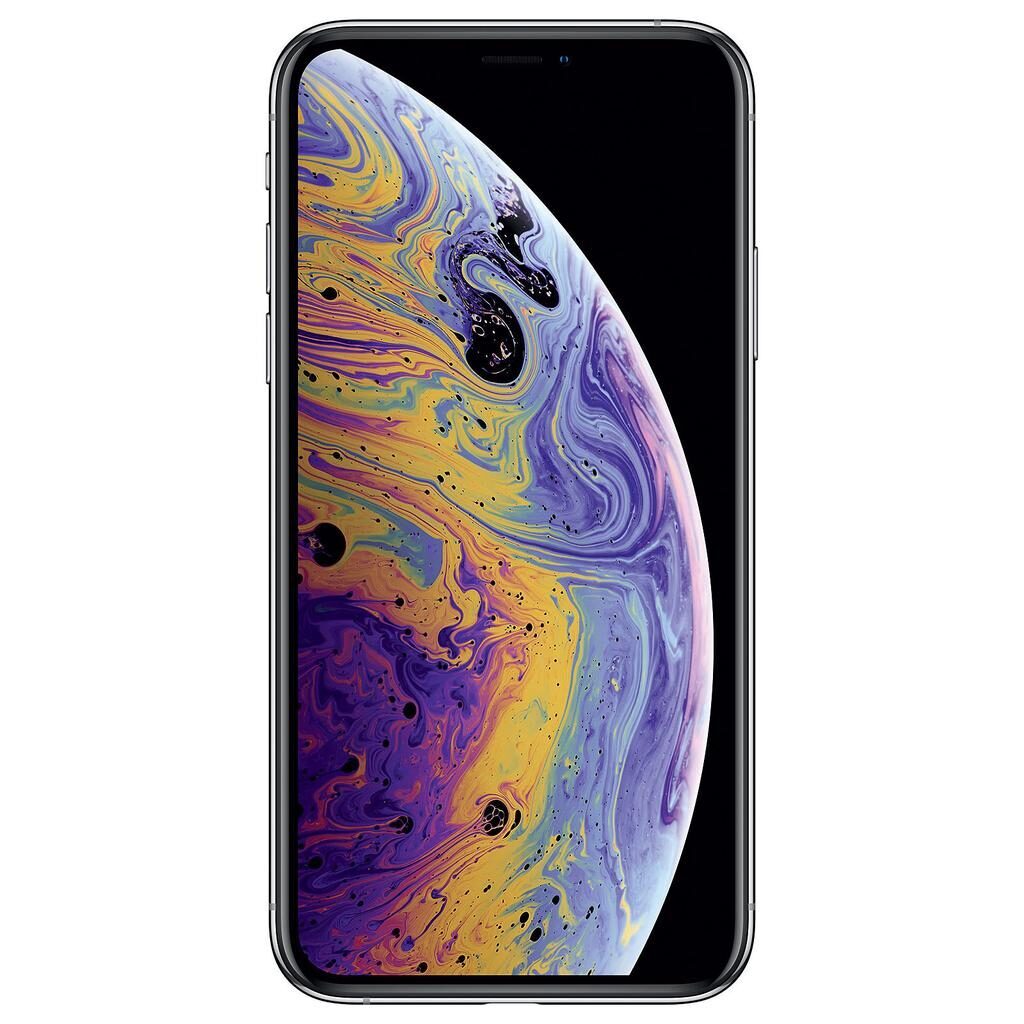
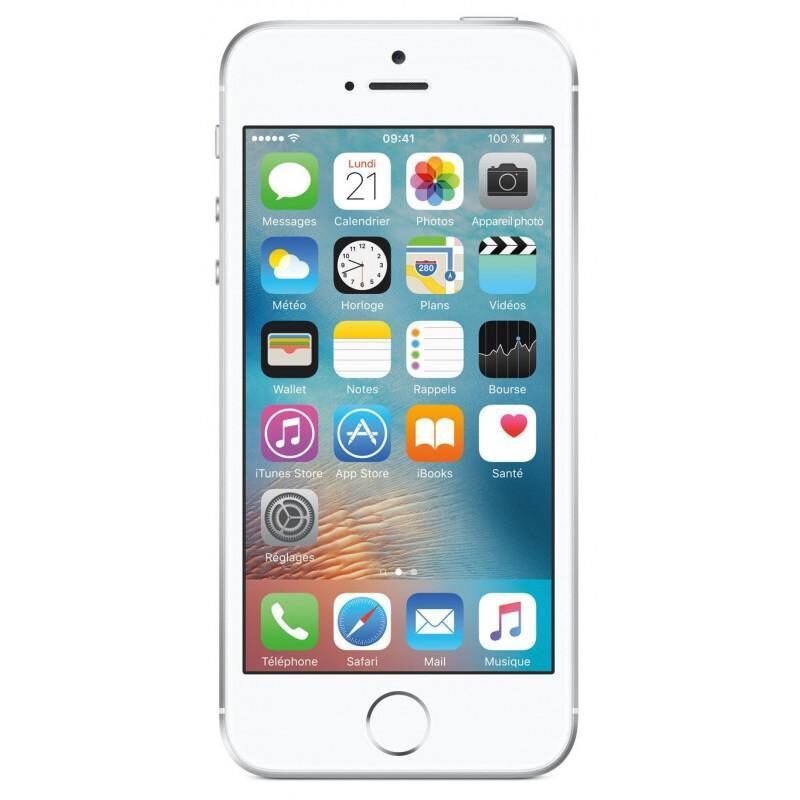
iPhone 8 Plus vs iPhone XR
Shop iPhone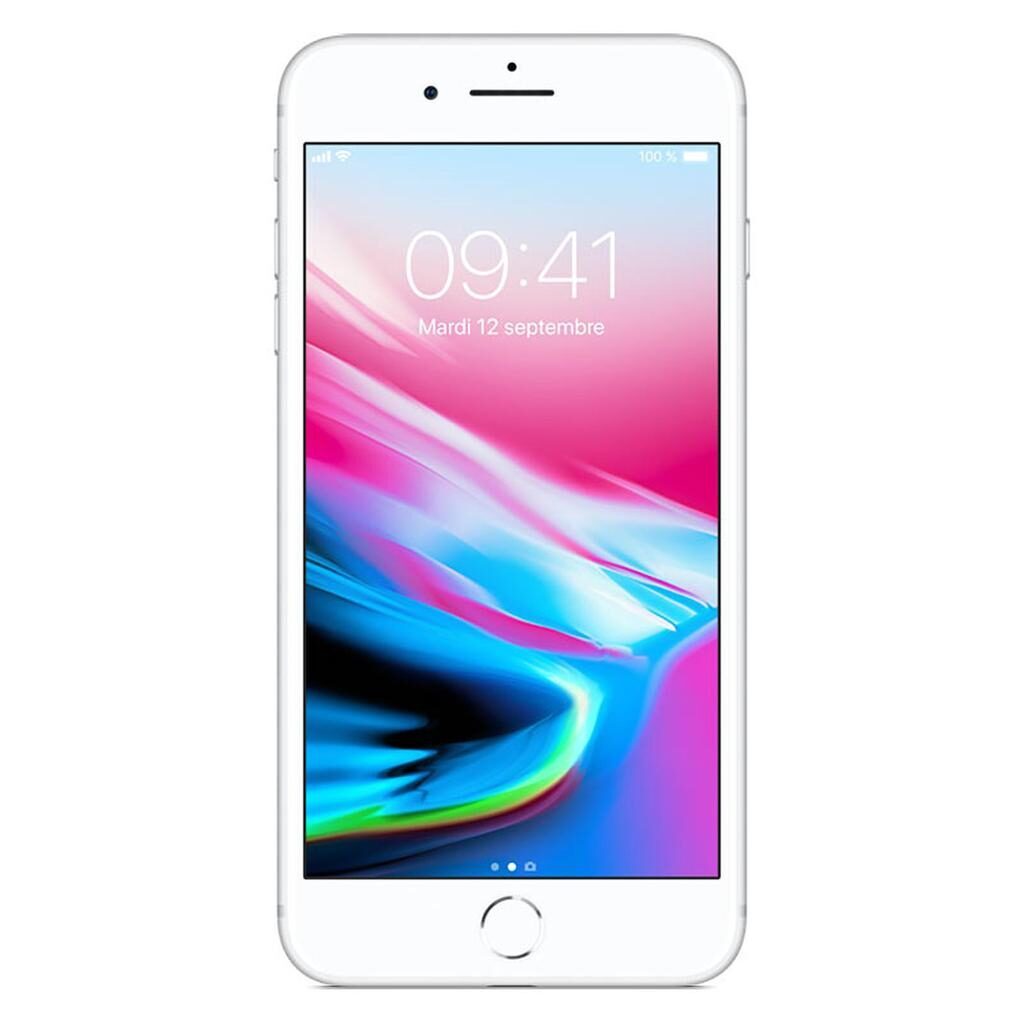
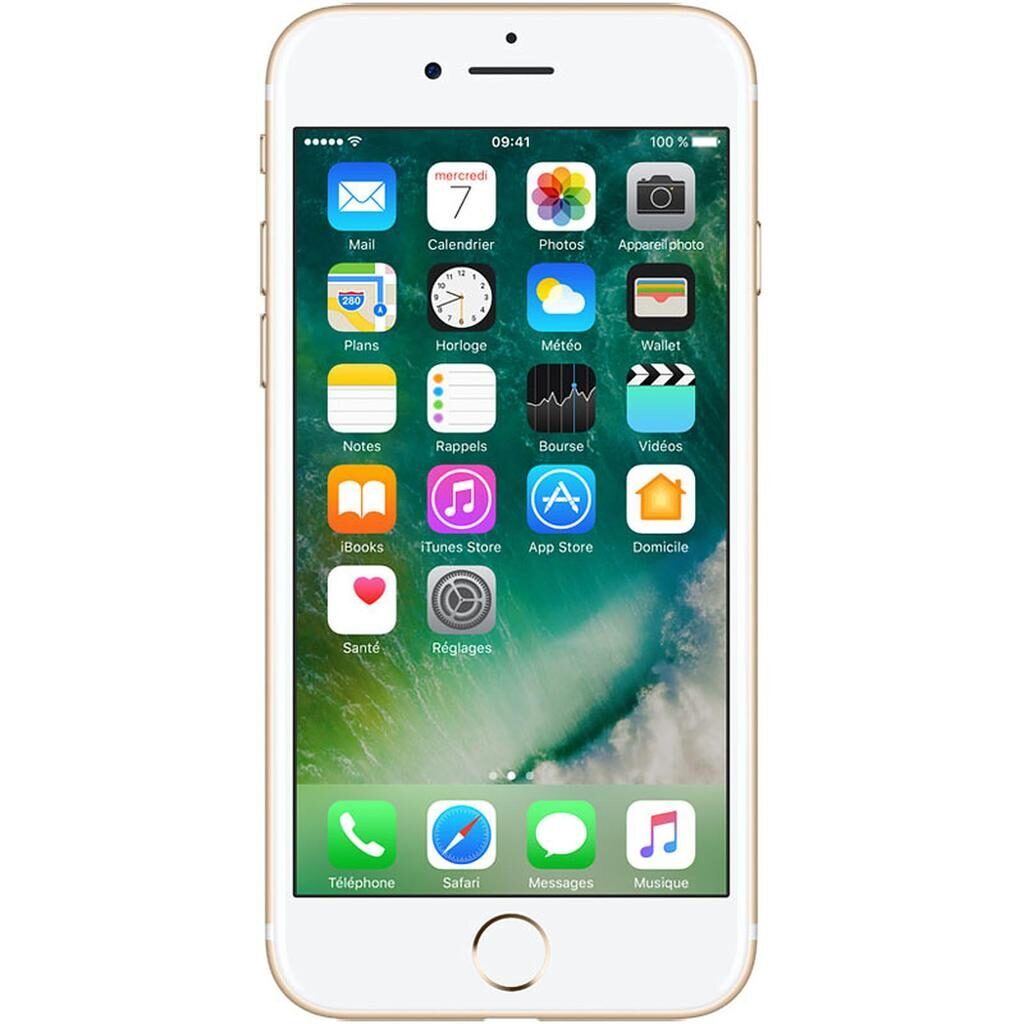
iPhone 8 Plus
Starting at
£100.56£399.00 new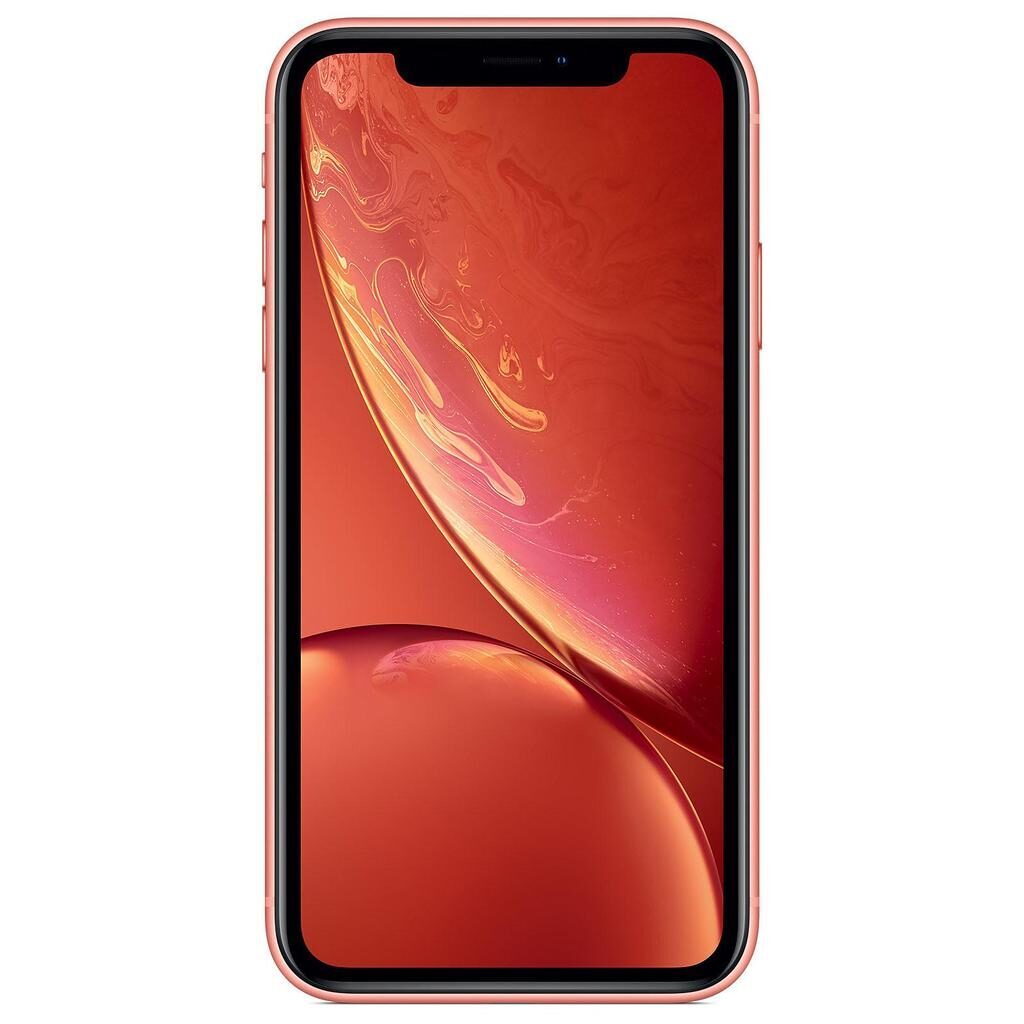
iPhone XR
Starting at
£130.30£399.00 newWhat's the difference between the iPhone 8 Plus and iPhone XR?
iPhone 8 Plus vs XR comes down to the chipset, battery and screen size. Refurbished, the iPhone 8 Plus starts at £100.56, £29.74 less than the iPhone XR. The iPhone XR is the newer model, released in 2018.
Refurbished from
Chipset
Battery
Screen size
Screen type
Software updates
- Chipset: Apple A11 Bionic on the iPhone 8 Plus, Apple A12 Bionic (7 nm) on the iPhone XR.
- The iPhone XR has a bigger battery: 2942 mAh vs 2691 mAh.
- The iPhone XR has a bigger screen: 6.1 inch vs 5.5 inch.
iPhone 8 Plus vs iPhone XR specs
The iPhone 8 Plus and iPhone XR differ in design, performance, screen, and camera features, each suiting different needs. The iPhone 8 Plus has a higher screen resolution and a dual main camera setup, suiting buyers who prefer a sharper display and extra camera features. Battery capacity and SIM options also vary, with the XR providing a larger battery and eSIM support. Both devices use Lightning connectors and support 4G networks, so basic connectivity and accessories are similar.
iPhone 8 Plus vs iPhone XR price
Colour
iPhone 8 Plus vs iPhone XR battery life and software updates
Battery life, software updates, and physical durability matter for long-term use. The iPhone XR and iPhone 8 Plus differ in battery size and software support, which affects daily use.
Battery Capacity
The iPhone XR has a battery capacity of 2942 mAh, which is larger than the 2691 mAh battery in the iPhone 8 Plus. This means the XR can provide longer usage between charges, which benefits users who need extended battery life throughout the day.
Battery
Foldable
Ip rating
Software updates
Wireless charging
Year of release
iPhone 8 Plus vs iPhone XR performance
Performance comes down to chipset power, memory, and storage options. Both iPhones have the same RAM but differ in chipset and available storage, influencing speed and capacity for apps and files.
Chipset Power
The iPhone 8 Plus runs on the Apple A11 Bionic chipset while the iPhone XR uses the Apple A12 Bionic (7 nm). The A12 chipset offers improved efficiency and speed, making the XR more responsive for multitasking and demanding apps.
Storage Options
The iPhone 8 Plus is available in 64GB and 256GB storage sizes. The iPhone XR offers 64GB, 128GB, and 256GB options. This gives XR buyers more flexibility in choosing storage to fit their needs.
Chipset
RAM
iPhone 8 Plus vs iPhone XR screen
Screen size, type, and resolution affect how you view content. The iPhone XR offers a larger display but with a lower resolution, while the iPhone 8 Plus has a smaller screen with higher resolution.
Screen Size and Type
The iPhone XR has a 6.1 inch Liquid Retina IPS LCD screen, which is larger than the 5.5 inch Retina IPS LCD on the iPhone 8 Plus. The XR's bigger screen suits users who watch videos or browse with more screen space.
Screen Resolution
The iPhone 8 Plus has a resolution of 1080 x 1920, providing sharper images and text compared to the iPhone XR's 828 x 1792 resolution. People who prioritise screen clarity for reading or photo detail may prefer the 8 Plus.
Resolution
Screen size
Screen type
iPhone 8 Plus vs iPhone XR camera
Camera setup and front camera quality influence photo and video experiences. Both phones have similar megapixels but differ in the number of cameras on the back.
Main Camera Setup
The iPhone 8 Plus features a double (2x) 12-megapixel main camera setup, offering more versatility for photography such as zoom and portrait effects. The iPhone XR has a single 12-megapixel main camera, which suits users focused on straightforward photo taking.
Front Camera
Both phones have a 7-megapixel front camera, providing similar quality for selfies and video calls.
Camera type
Front camera
Main camera
iPhone 8 Plus vs iPhone XR size and design
Other practical differences include device size, SIM options, and weight, which affect portability and connectivity.
SIM Card Options
The iPhone 8 Plus uses a physical SIM card only, while the iPhone XR supports both a physical SIM and eSIM. The XR's eSIM support offers flexibility for using multiple carriers or plans without swapping SIM cards.
Size and Weight
The iPhone XR is slightly lighter at 194 g compared to the 202 g iPhone 8 Plus. It is also smaller in height and width but thicker, making it a good option if you want a lighter phone with a larger screen.
Connector and Network
Both devices use a Lightning connector and support 4G mobile networks, so charging accessories and network speeds are comparable.
Carrier compatibility
Connector
Depth
Height
Mobile network
Release date
SD card slot
SIM card
Weight
Width
iPhone 8 Plus or iPhone XR: which should you buy?
Buy the iPhone 8 Plus if
- you want to spend less: it starts at £100.56, £29.74 less than the iPhone XR
Buy the iPhone XR if
- you want a bigger battery (2942 mAh vs 2691 mAh)
- you want a bigger screen (6.1 inch vs 5.5 inch)
- you want a lighter build (194 g vs 202 g)
What our customers say
Customers buying the iPhone 8 Plus appreciate its condition and performance for everyday tasks. Many note it looks nearly new and works well for gaming or staying connected. Some users mention it does not receive the latest iOS updates, which affects app compatibility. The screen resolution and dual camera setup are liked for sharper display and photography. A few customers mention battery life concerns or unlocking issues, but overall the device is seen as reliable for simple use.
Buyers of the iPhone XR highlight its excellent condition and larger screen size, which suits users wanting more display space. The newer chipset is noted for fast performance, and many customers find setup straightforward. Some mention the replacement battery is not original Apple, causing a warning, but the phone still runs well. The XR's dual SIM support and lighter weight make it a popular choice for those needing flexible connectivity and a device that receives the latest iOS updates.
Both devices suit different needs: the iPhone 8 Plus fits users who value a sharper screen and camera features, while the iPhone XR is better for those wanting longer software support, a larger screen, and dual SIM options.
iPhone 8 Plus vs iPhone XR FAQs
iPhone 8 Plus vs XR comes down to the chipset, battery and screen size. Chipset: Apple A11 Bionic on the iPhone 8 Plus, Apple A12 Bionic (7 nm) on the iPhone XR. The iPhone XR has a bigger battery: 2942 mAh vs 2691 mAh.
The iPhone 8 Plus is cheaper refurbished, from £100.56 compared with £130.30 for the iPhone XR.
The iPhone XR has a bigger battery: 2942 mAh vs 2691 mAh.
Both have the same main camera: 12 megapixels.
Updates for the iPhone 8 Plus ended in Mar 2025. Its last version is iOS 16. Updates for the iPhone XR ended in Apr 2026. Its last version is iOS 18.
The iPhone XR adds a bigger battery (2942 mAh vs 2691 mAh), a bigger screen (6.1 inch vs 5.5 inch) and a lighter build (194 g vs 202 g). Refurbished, it costs £29.74 more (from £130.30 vs £100.56).
Refurbished, the iPhone 8 Plus comes in 64GB and 256GB, and the iPhone XR in 64GB, 128GB and 256GB.