iPhone 8 Plus vs iPhone SE (2020)
Shop iPhone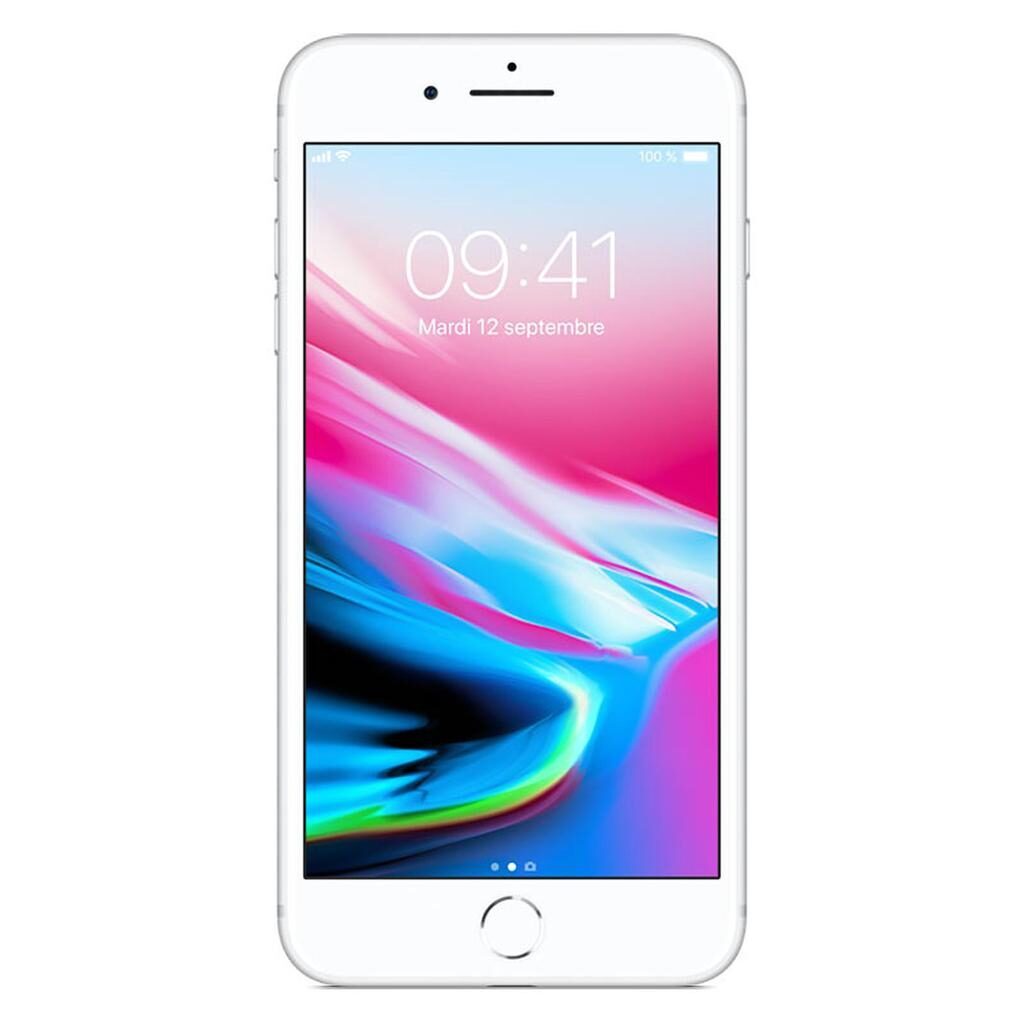
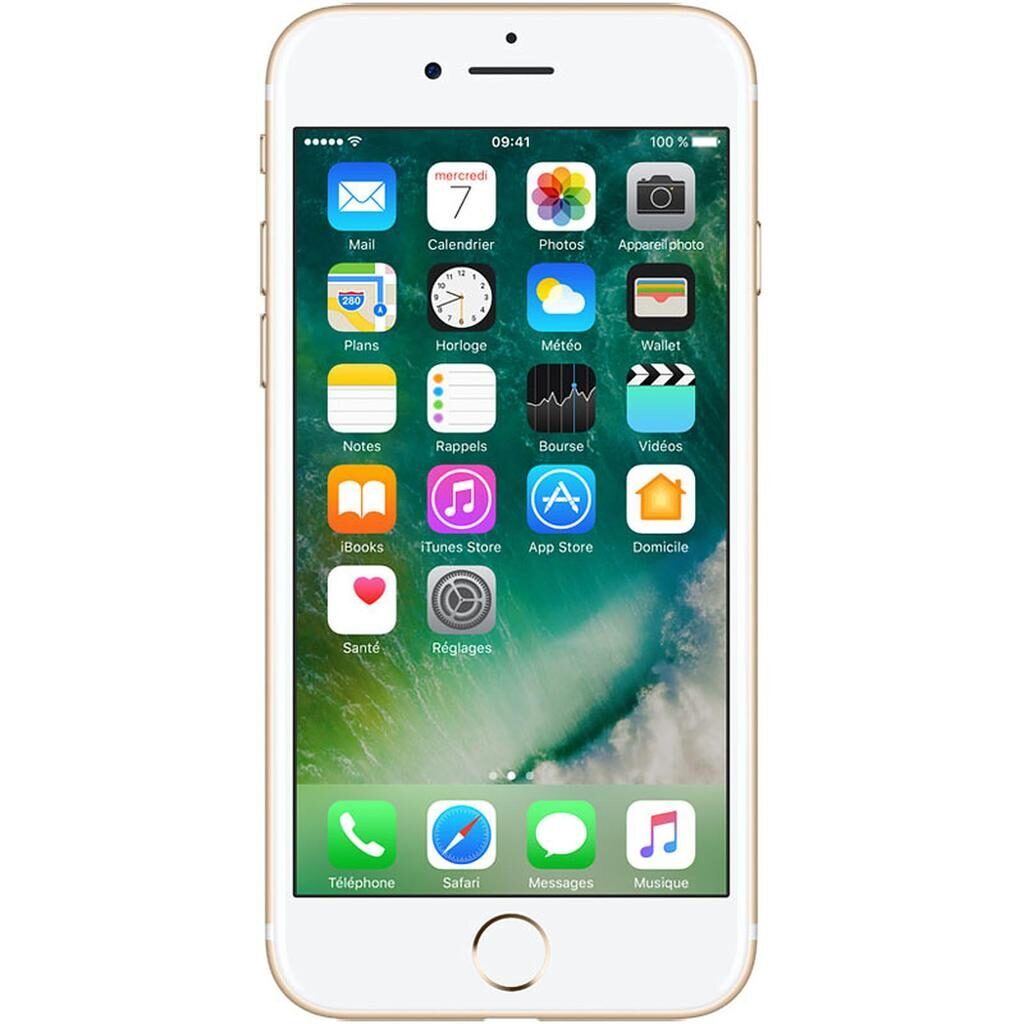
iPhone 8 Plus
Starting at
£100.56£399.00 new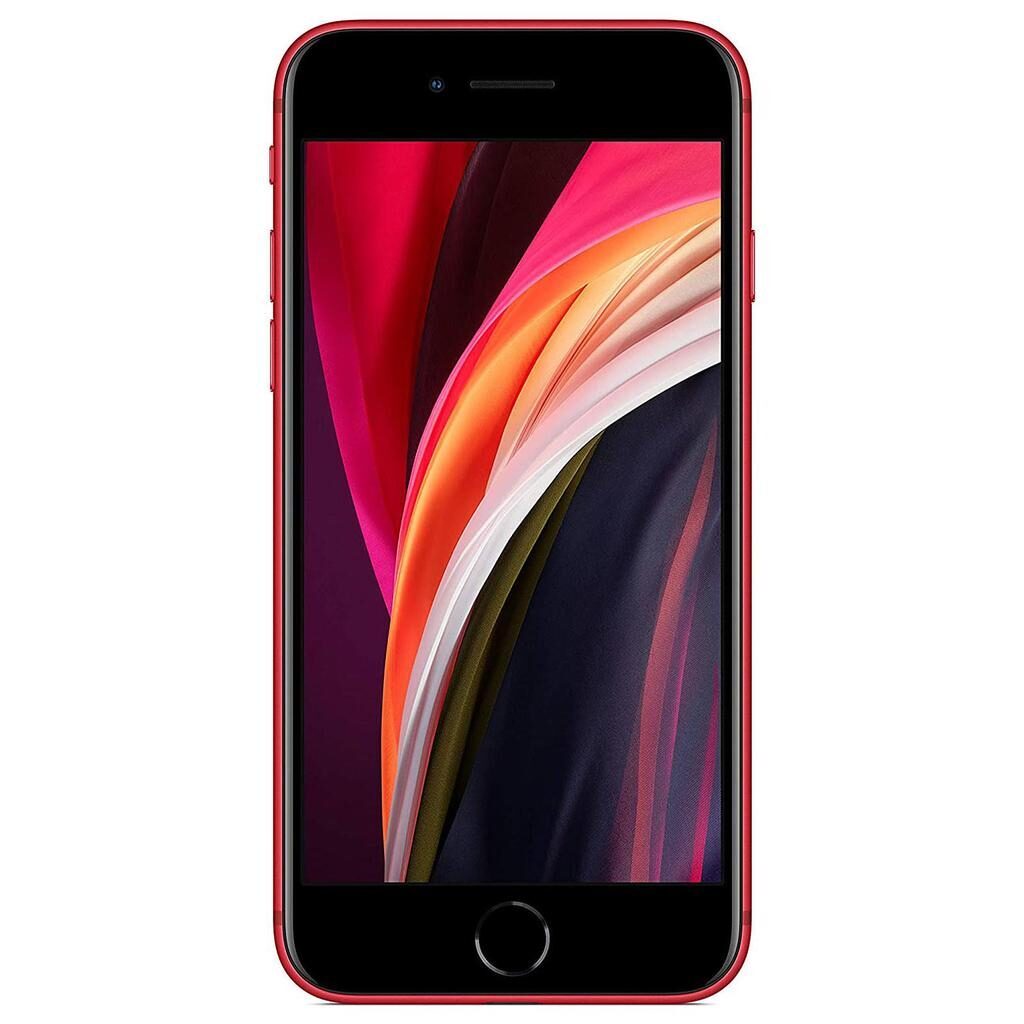
iPhone SE (2020)
Starting at
£75.11£289.00 newWhat's the difference between the iPhone 8 Plus and iPhone SE (2020)?
iPhone 8 Plus vs iPhone SE (2020) comes down to the chipset, screen size and software updates. Refurbished, the iPhone SE (2020) starts at £75.11, £25.45 less than the iPhone 8 Plus. The iPhone SE (2020) is the newer model, released in 2020.
Refurbished from
Chipset
Screen size
Software updates
Weight
- Chipset: Apple A11 Bionic on the iPhone 8 Plus, Apple A13 Bionic on the iPhone SE (2020).
- The iPhone 8 Plus has a bigger screen: 5.5 inch vs 4.7 inch.
- The iPhone SE (2020) has longer software support: supported, up to iOS 27 vs ended Mar 2025, last iOS 16.
iPhone 8 Plus vs iPhone SE (2020) specs
The iPhone 8 Plus and iPhone SE (2020) share a similar amount of RAM and camera resolution, but they differ in screen size, storage options, and software support. The iPhone 8 Plus has a larger 5.5 inch screen with higher resolution, making it suitable if you want a roomier display for video and browsing. The iPhone SE (2020) is lighter and supports more recent iOS updates, which means longer software compatibility. It also offers an eSIM option and a wider range of storage capacities. Choose the iPhone 8 Plus if you prefer a bigger screen and storage options at 64GB or 256GB. The iPhone SE (2020) suits users looking for a smaller, lighter phone with ongoing software updates and flexibility with SIM cards.
iPhone 8 Plus vs iPhone SE (2020) price
Colour
iPhone 8 Plus vs iPhone SE (2020) battery life and software updates
Durability covers software updates, weight, and device longevity. The iPhone SE (2020) offers continued software support, while the iPhone 8 Plus has ended updates. Weight differences affect how the phones feel in hand.
Software Updates
The iPhone SE (2020) continues to receive iOS updates, supporting up to iOS 27. This means it will stay current with new features and security for longer. The iPhone 8 Plus stopped receiving updates in March 2025 with iOS 16, so it will not get newer iOS versions beyond that point.
Weight
The iPhone SE (2020) weighs 148 g, making it noticeably lighter to hold and carry. The iPhone 8 Plus is heavier at 202 g, which might feel more substantial but could be less comfortable for those preferring a lighter device.
Battery
Foldable
Ip rating
Software updates
Wireless charging
Year of release
iPhone 8 Plus vs iPhone SE (2020) performance
Chipset
RAM
iPhone 8 Plus vs iPhone SE (2020) screen
Screen quality affects how you view content. These phones differ in size and resolution, which influences clarity and viewing space.
Screen Size
The iPhone 8 Plus has a 5.5 inch display, offering more room for watching videos, reading, and multitasking. The iPhone SE (2020) has a smaller 4.7 inch screen, which suits users who prefer a compact device that fits easily in one hand or a pocket.
Screen Resolution
With a resolution of 1080 x 1920, the iPhone 8 Plus delivers sharper images and more detailed visuals on its larger screen. The iPhone SE (2020) has a resolution of 750 x 1334, which is sufficient for everyday use but less detailed when compared directly to the 8 Plus.
Screen Type
Both devices use Retina IPS LCD screens, which provide good colour accuracy and viewing angles. This means both phones offer similar screen technology despite differences in size and resolution.
Resolution
Screen size
Screen type
iPhone 8 Plus vs iPhone SE (2020) camera
Camera quality is important for photos and video calls. Both phones have similar front and main cameras, making them comparable for everyday photography and selfies.
Front Camera
The front cameras on both phones are 7 megapixels, so you can expect similar quality for selfies and video calls.
Main Camera
Both phones feature a 12 megapixel main camera. This means that in terms of photo resolution, you will get comparable results whether you choose the iPhone 8 Plus or the iPhone SE (2020).
Camera type
Front camera
Main camera
iPhone 8 Plus vs iPhone SE (2020) size and design
Other features include SIM options, connectors, and network compatibility. These can affect how you use the phone daily and how you connect to networks.
SIM Card Options
The iPhone SE (2020) supports both a physical SIM and an eSIM, providing more flexibility if you want to use multiple numbers or plans on one device. The iPhone 8 Plus uses a physical SIM only.
Connector and Network
Both phones use a Lightning connector and support 4G mobile networks. This means charging and data transfer accessories are interchangeable, and network speed is similar.
Carrier Compatibility
Both phones come unlocked, so you can use them with any compatible UK carrier without restrictions.
Storage Options
The iPhone 8 Plus comes in 64GB and 256GB options, which might suit users wanting either a base or high storage level.
Carrier compatibility
Connector
Depth
Height
Mobile network
Release date
SD card slot
SIM card
Weight
Width
iPhone 8 Plus or iPhone SE (2020): which should you buy?
Buy the iPhone 8 Plus if
- you want a bigger screen (5.5 inch vs 4.7 inch)
Buy the iPhone SE (2020) if
- you want to spend less: it starts at £75.11, £25.45 less than the iPhone 8 Plus
- you want longer software support (supported, up to iOS 27 vs ended Mar 2025, last iOS 16)
- you want a lighter build (148 g vs 202 g)
What our customers say
Customers who bought the iPhone 8 Plus say it generally looks like new and runs smoothly, with good screen brightness and plenty of storage for apps and photos. Some mention it works well for everyday tasks like WhatsApp, emails, and games, although a few note the software no longer updates, which affects app availability. Battery life is mostly sufficient for daily use but may require nightly charging.
Buyers of the iPhone SE (2020) describe it as feeling like a brand new device with a spotless condition and very good battery health. It works well for a range of uses from first phones for children to gifts for parents. Many appreciate the phone's speed and condition, with positive remarks about its performance and appearance.
Overall, the iPhone 8 Plus suits those who want a larger screen and storage capacity options, while the iPhone SE (2020) is popular for its lighter weight, ongoing software support, and solid performance in a smaller form. Both receive praise for condition and reliability from customers.
iPhone 8 Plus vs iPhone SE (2020) FAQs
iPhone 8 Plus vs iPhone SE (2020) comes down to the chipset, screen size and software updates. Chipset: Apple A11 Bionic on the iPhone 8 Plus, Apple A13 Bionic on the iPhone SE (2020). The iPhone 8 Plus has a bigger screen: 5.5 inch vs 4.7 inch.
The iPhone SE (2020) is cheaper refurbished, from £75.11 compared with £100.56 for the iPhone 8 Plus.
Both have the same main camera: 12 megapixels.
Updates for the iPhone 8 Plus ended in Mar 2025. Its last version is iOS 16. The iPhone SE (2020) is still supported and can run iOS 27.
The iPhone SE (2020) adds longer software support (supported, up to iOS 27 vs ended Mar 2025, last iOS 16) and a lighter build (148 g vs 202 g). Refurbished, it costs £25.45 less (from £75.11 vs £100.56).
Refurbished, the iPhone 8 Plus comes in 64GB and 256GB, and the iPhone SE (2020) in 64GB, 128GB and 256GB.