Huawei Nova 11i vs Xiaomi Redmi Note 13 Pro
Shop Android Smartphones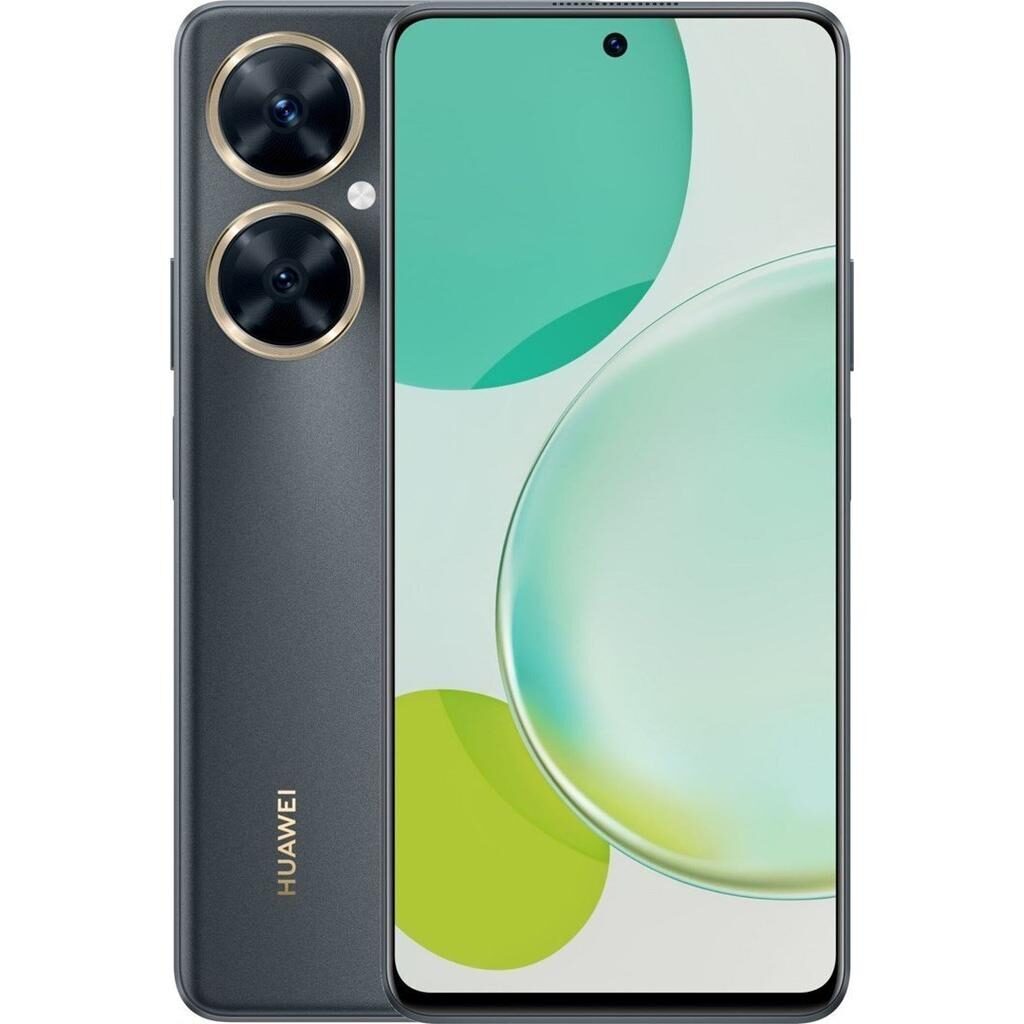
Huawei Nova 11i
Starting at
£200.00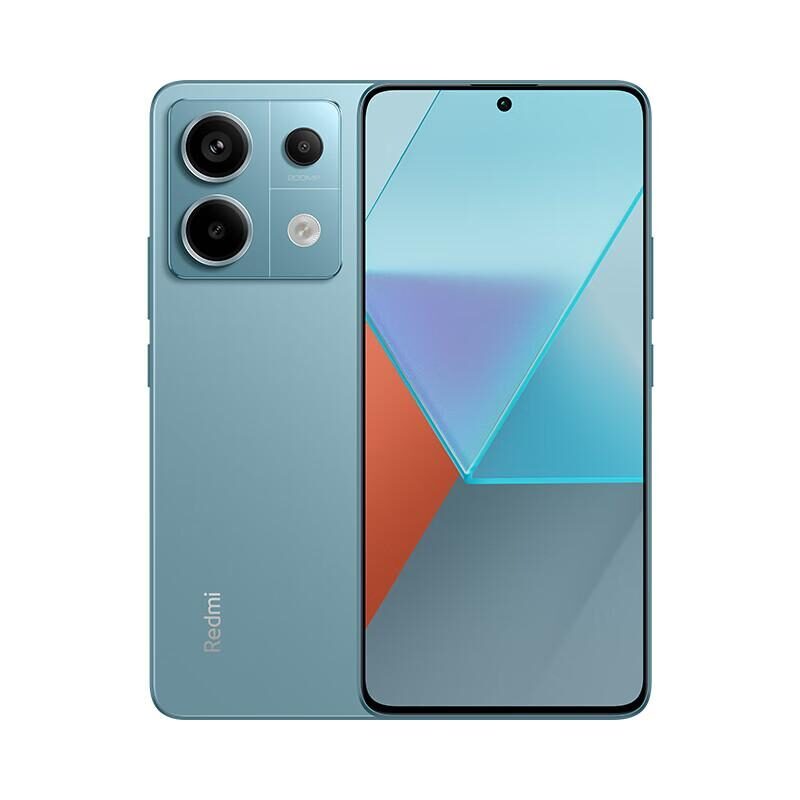
Xiaomi Redmi Note 13 Pro
Starting at
£262.00What's the difference between the Huawei Nova 11i and Xiaomi Redmi Note 13 Pro?
Huawei Nova 11i vs Xiaomi Redmi Note 13 Pro comes down to the chipset, RAM and battery. Refurbished, the Huawei Nova 11i starts at £200, £62 less than the Xiaomi Redmi Note 13 Pro.
Refurbished from
Chipset
RAM
Battery
Screen size
Screen type
- Chipset: Qualcomm Snapdragon 680 4G (6 nm) on the Huawei Nova 11i, Qualcomm SM7435-AB Snapdragon 7s Gen 2 (4 nm) on the Xiaomi Redmi Note 13 Pro.
- The Xiaomi Redmi Note 13 Pro has more RAM: 12 GB vs 8 GB.
- Battery: 5000 mAh on the Huawei Nova 11i, 5100 mAh on the Xiaomi Redmi Note 13 Pro.
Huawei Nova 11i vs Xiaomi Redmi Note 13 Pro specs
The Huawei Nova 11i and Xiaomi Redmi Note 13 Pro are both 2023 Android smartphones that suit different needs. The Huawei Nova 11i offers a strong balance with 8 GB RAM and a large 6.8 inch IPS LCD screen ideal for everyday apps and media. The Xiaomi Redmi Note 13 Pro targets users who want more power and features, with 12 GB RAM, a sharper AMOLED screen with a higher refresh rate, and a 5G network connection. Xiaomi also provides more storage and a higher resolution main camera for detailed photos. Choose Huawei for straightforward use and Xiaomi for extra performance and connectivity.
Huawei Nova 11i vs Xiaomi Redmi Note 13 Pro price
Colour
- BlackSold out
- BlackSold out
- BlueSold out
Storage
- 128GBSold out
- 256GBSold out
Huawei Nova 11i vs Xiaomi Redmi Note 13 Pro battery life and software updates
Battery life, software updates, and network type affect how long each phone remains reliable and useful. These factors differ between the Huawei Nova 11i and Xiaomi Redmi Note 13 Pro, which can influence your day-to-day experience.
Battery Capacity
The Huawei Nova 11i has a 5000 mAh battery, while the Xiaomi Redmi Note 13 Pro offers a slightly larger 5100 mAh battery. Both provide substantial power for a full day of use, but Xiaomi's extra capacity may help if you often need longer screen time.
Battery
Foldable
Year of release
Huawei Nova 11i vs Xiaomi Redmi Note 13 Pro performance
Performance depends on the chipset, RAM, and storage, which determine speed and multitasking ability. The Huawei Nova 11i and Xiaomi Redmi Note 13 Pro differ in these areas to match varying user demands.
Processor
The Huawei Nova 11i runs on a Qualcomm Snapdragon 680 4G chipset built on a 6 nm process, suitable for everyday tasks and smooth app use. The Xiaomi Redmi Note 13 Pro has a Qualcomm SM7435-AB Snapdragon 7s Gen 2 chipset on a 4 nm process, offering more power and efficiency for heavier multitasking and demanding apps.
Memory
Huawei Nova 11i includes 8 GB of RAM, which keeps everyday apps running smoothly. Xiaomi Redmi Note 13 Pro doubles that with 12 GB RAM, ideal for users who keep many apps open or work with intensive software.
Storage
The Huawei Nova 11i comes with 128 GB of storage, enough for typical app libraries and media collections. The Xiaomi Redmi Note 13 Pro doubles storage to 256 GB, fitting larger libraries of photos, videos, and files.
Chipset
RAM
Huawei Nova 11i vs Xiaomi Redmi Note 13 Pro screen
Screen quality shapes your viewing experience, with differences in size, resolution, refresh rate, and panel type. Huawei Nova 11i and Xiaomi Redmi Note 13 Pro cater to different preferences for display quality and smoothness.
Screen Size and Resolution
The Huawei Nova 11i features a larger 6.8 inch screen with 1080 by 2388 resolution, providing a spacious display for watching videos and browsing. The Xiaomi Redmi Note 13 Pro has a slightly smaller 6.67 inch screen but with a higher resolution of 1220 by 2712, resulting in sharper images and text.
Screen Type
Huawei Nova 11i uses an IPS LCD screen, which offers good colour accuracy and wide viewing angles. Xiaomi Redmi Note 13 Pro has an AMOLED screen that delivers deeper blacks and more vibrant colours, enhancing media and gaming experiences.
Refresh Rate
Huawei Nova 11i supports a 90 Hz refresh rate, which makes scrolling and animations smoother than standard displays. Xiaomi Redmi Note 13 Pro goes further with 120 Hz, delivering even more fluid motion for gaming and fast-paced content.
Refresh rate
Resolution
Screen size
Screen type
Huawei Nova 11i vs Xiaomi Redmi Note 13 Pro camera
Camera setup and quality influence how well you capture moments and video calls. The Huawei Nova 11i and Xiaomi Redmi Note 13 Pro offer distinct options for photography and front camera capabilities.
Main Camera Resolution
Huawei Nova 11i has a 48 megapixel main camera, suitable for everyday photos with good detail. Xiaomi Redmi Note 13 Pro features a 200 megapixel main camera, which captures exceptionally detailed images, benefiting users who prioritise high-resolution photography.
Camera Setup
Huawei Nova 11i includes a double camera system with two lenses. Xiaomi Redmi Note 13 Pro has a triple camera setup, giving more versatility for different photo types such as wide-angle or macro shots.
Front Camera
Both Huawei Nova 11i and Xiaomi Redmi Note 13 Pro have a 16 megapixel front camera, providing clear and sharp selfies or video calls.
Camera type
Front camera
Main camera
Huawei Nova 11i vs Xiaomi Redmi Note 13 Pro size and design
Additional features like network, SIM options, dimensions, and connectors affect usability and convenience. Differences here shape how each phone fits into your daily routine.
Mobile Network
Huawei Nova 11i supports 4G network connectivity, appropriate for users satisfied with standard mobile speeds. Xiaomi Redmi Note 13 Pro supports 5G, suited for those who want faster data and future-proof network access.
SIM Card Options
Huawei Nova 11i comes with a single physical SIM slot, which works well for those using one number. Xiaomi Redmi Note 13 Pro has dual physical SIM slots, useful for people who manage two numbers, such as work and personal lines.
Weight and Size
Huawei Nova 11i weighs 193 g and measures 164.6 mm tall by 75.6 mm wide with a depth of 8.6 mm. Xiaomi Redmi Note 13 Pro is slightly lighter at 187 g and slightly larger in height and width at 161.2 mm tall by 74.3 mm wide with a depth of 8 mm, offering a compact yet comfortable hold.
Connector Type
Huawei Nova 11i uses a USB Type-C 2.0 connector, suitable for charging and data transfer. Xiaomi Redmi Note 13 Pro has a USB-C connector, offering standard compatibility with modern accessories.
Carrier compatibility
Connector
Depth
Height
Mobile network
SD card slot
SIM card
Weight
Width
Huawei Nova 11i or Xiaomi Redmi Note 13 Pro: which should you buy?
Buy the Huawei Nova 11i if
- you want to spend less: it starts at £200, £62 less than the Xiaomi Redmi Note 13 Pro
Buy the Xiaomi Redmi Note 13 Pro if
- you want more RAM (12 GB vs 8 GB)
- you want an OLED screen
- you want a smoother screen (120 Hz vs 90 Hz)
Huawei Nova 11i vs Xiaomi Redmi Note 13 Pro FAQs
Huawei Nova 11i vs Xiaomi Redmi Note 13 Pro comes down to the chipset, RAM and battery. Chipset: Qualcomm Snapdragon 680 4G (6 nm) on the Huawei Nova 11i, Qualcomm SM7435-AB Snapdragon 7s Gen 2 (4 nm) on the Xiaomi Redmi Note 13 Pro. The Xiaomi Redmi Note 13 Pro has more RAM: 12 GB vs 8 GB.
The Huawei Nova 11i is cheaper refurbished, from £200 compared with £262 for the Xiaomi Redmi Note 13 Pro.
The Huawei Nova 11i has 5000 mAh and the Xiaomi Redmi Note 13 Pro has 5100 mAh.
The Xiaomi Redmi Note 13 Pro has a higher-resolution main camera: 200 megapixels vs 48 megapixels.
Refurbished, the Huawei Nova 11i comes in 128GB, and the Xiaomi Redmi Note 13 Pro in 256GB.