Huawei Mate 20 Pro vs iPhone 8 Plus
Shop Android Smartphones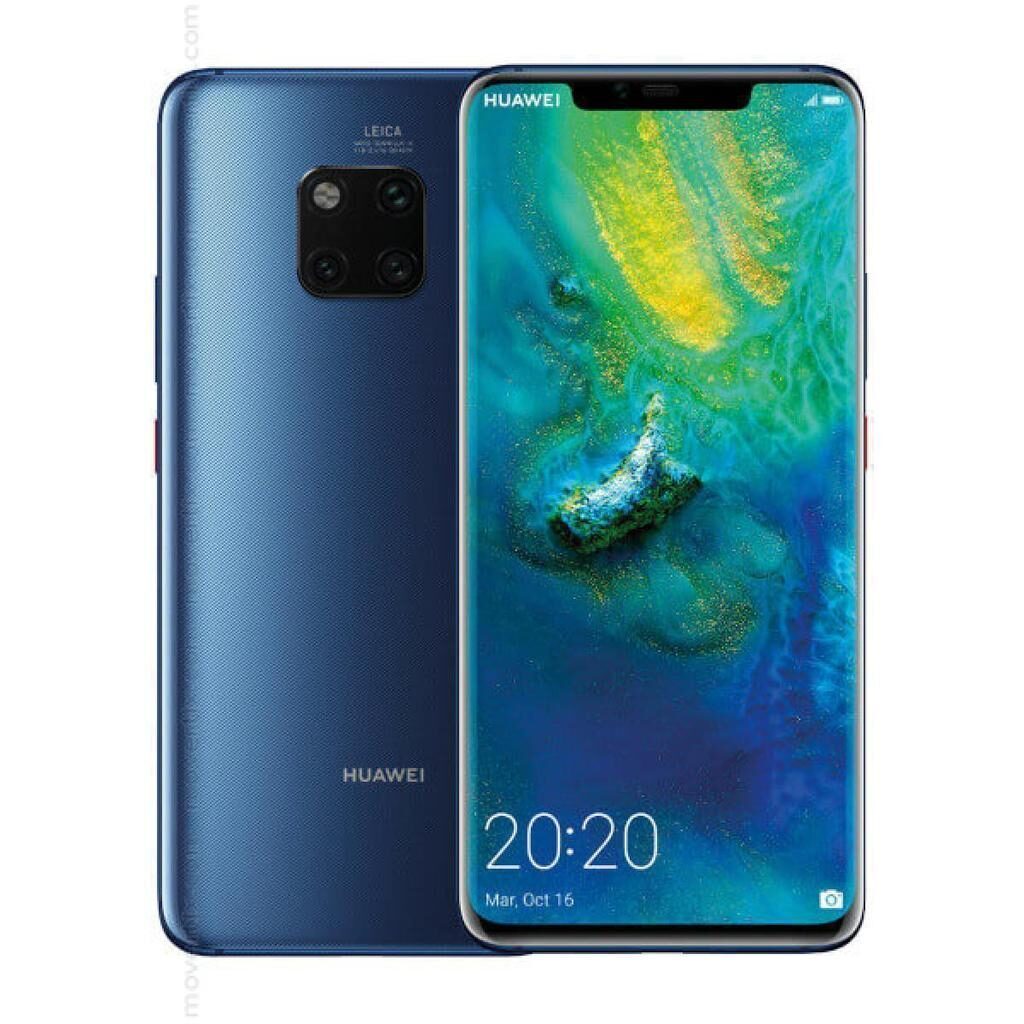
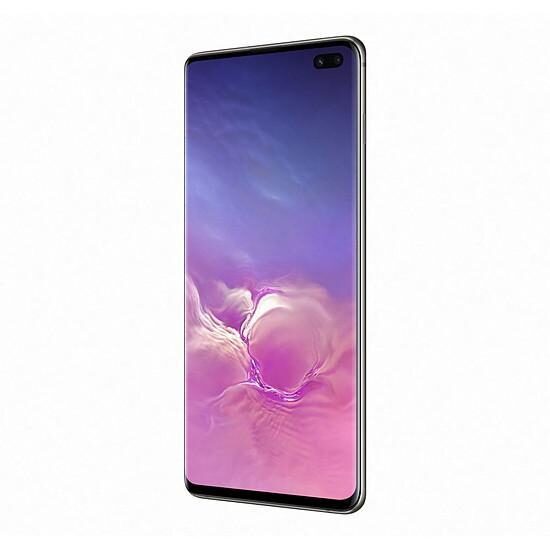
Huawei Mate 20 Pro
Starting at
£95.00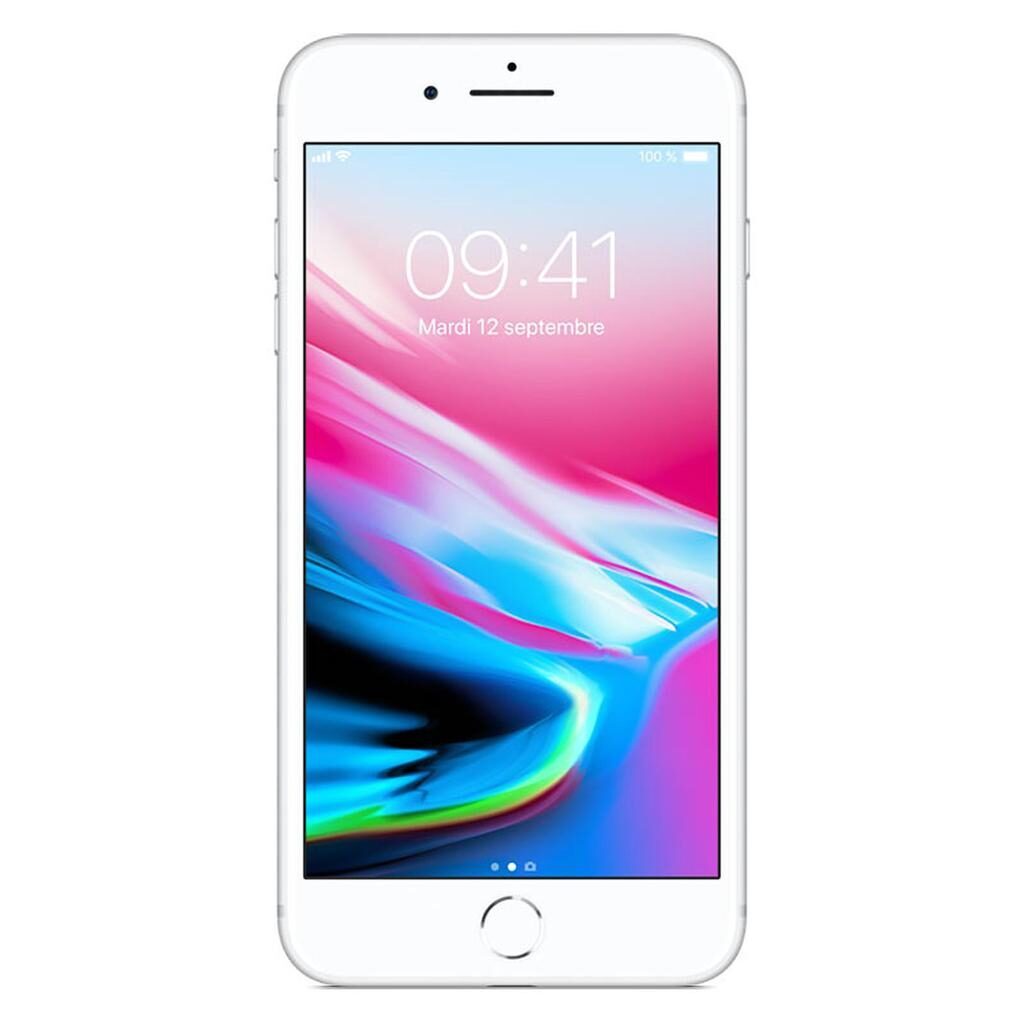
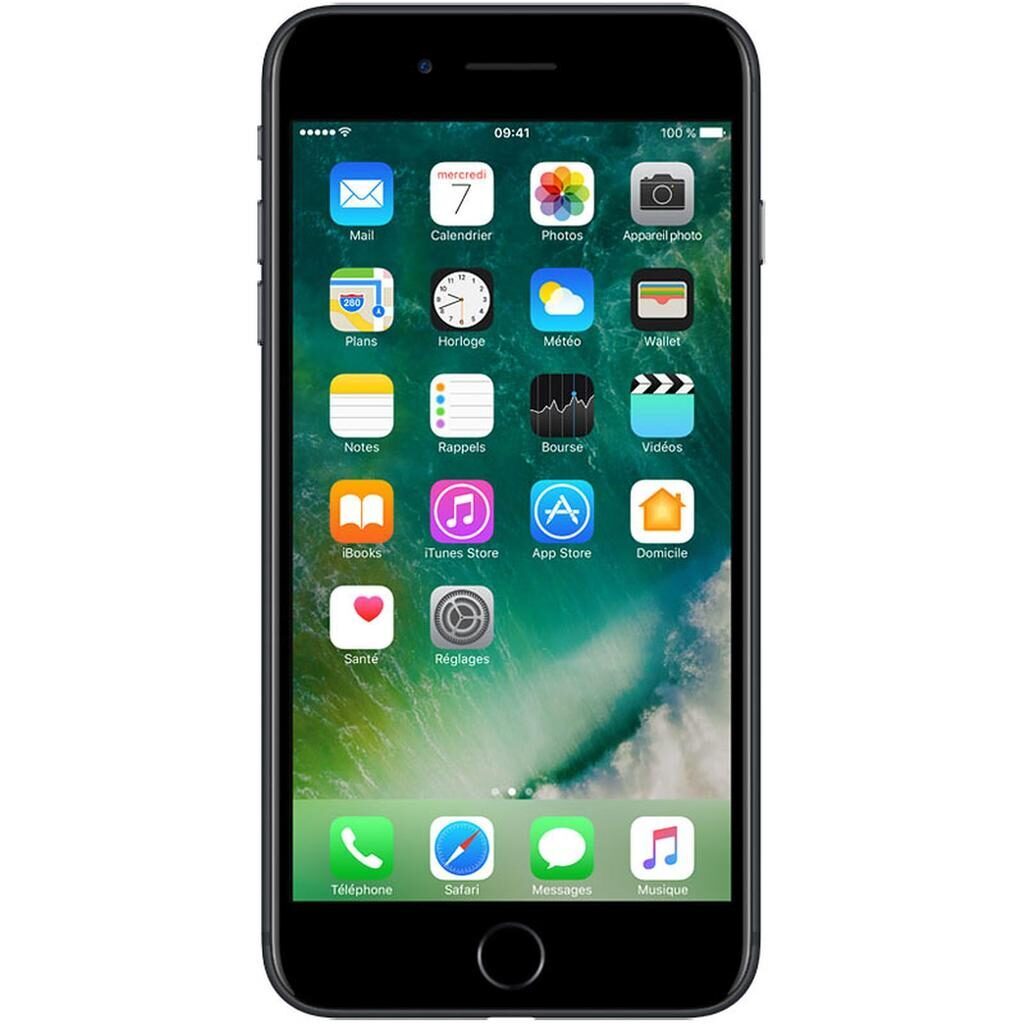
iPhone 8 Plus
Starting at
£100.56£399.00 newWhat's the difference between the Huawei Mate 20 Pro and iPhone 8 Plus?
Huawei Mate 20 Pro vs iPhone 8 Plus comes down to the chipset, RAM and battery. Refurbished, the Huawei Mate 20 Pro starts at £95, £5.56 less than the iPhone 8 Plus. The Huawei Mate 20 Pro is the newer model, released in 2018.
Refurbished from
Chipset
RAM
Battery
Screen size
Screen type
- Chipset: Kirin 980 (7 nm) on the Huawei Mate 20 Pro, Apple A11 Bionic on the iPhone 8 Plus.
- The Huawei Mate 20 Pro has more RAM: 6 GB vs 3 GB.
- The Huawei Mate 20 Pro has a bigger battery: 4200 mAh vs 2691 mAh.
Huawei Mate 20 Pro vs iPhone 8 Plus specs
The Huawei Mate 20 Pro and the iPhone 8 Plus differ in several key areas that suit different types of users. The Mate 20 Pro offers a larger OLED screen with higher resolution and a bigger battery capacity, making it suitable for those who want a more immersive display and longer battery life. Its triple main camera and higher megapixel counts on both front and rear cameras appeal to photography enthusiasts. Meanwhile, the iPhone 8 Plus has a smaller IPS LCD screen and fewer cameras but provides storage options up to 256GB, which suits users needing more internal space. The Mate 20 Pro also features more RAM and a USB-C connector, while the iPhone 8 Plus uses the Lightning port and comes in a slightly wider, heavier body. Both phones are unlocked with 4G connectivity, making them flexible choices depending on your priorities.
Huawei Mate 20 Pro vs iPhone 8 Plus price
Colour
- BlackSold out
- BlueSold out
- GreenSold out
Storage
- 128GBSold out
Huawei Mate 20 Pro vs iPhone 8 Plus battery life and software updates
Battery capacity and physical size affect how long a phone lasts in everyday use and how it feels in your hand. Both phones have different battery sizes and dimensions.
Battery Capacity
The Huawei Mate 20 Pro has a 4200 mAh battery, which supports longer usage between charges, ideal if you use your phone heavily during the day. The iPhone 8 Plus comes with a 2691 mAh battery, which suits users with lighter daily usage or those who charge more frequently.
Physical Size
The Mate 20 Pro measures 157.8 mm in height and 72.3 mm in width, making it narrower but slightly shorter than the iPhone 8 Plus, which is 158.4 mm tall and 78.1 mm wide. The iPhone 8 Plus is also a bit heavier at 202 g compared to 189 g for the Mate 20 Pro. These differences affect how the phones feel in the hand and pocket.
Battery
Foldable
Ip rating
Software updates
Wireless charging
Year of release
Huawei Mate 20 Pro vs iPhone 8 Plus performance
Performance depends on the chipset, memory, and storage available. These determine how smoothly apps run and how much data you can keep on your phone.
Chipset and RAM
The Huawei Mate 20 Pro uses the Kirin 980 chipset with 6 GB RAM, which supports multitasking and demanding apps well. The iPhone 8 Plus runs on the Apple A11 Bionic with 3 GB RAM, fitting everyday use and most apps smoothly. If you keep many apps open or use heavy software, the Mate 20 Pro's higher RAM could help.
Storage Options
The Mate 20 Pro is stocked with 128GB storage, providing ample space for apps, photos, and files. The iPhone 8 Plus offers more variety with 64GB or 256GB versions, so you can choose between simpler storage needs or a larger capacity for extensive media and apps.
Chipset
RAM
Huawei Mate 20 Pro vs iPhone 8 Plus screen
Screen quality affects how you view photos, videos and use apps. Differences in size, resolution, and screen technology influence clarity and colour.
Screen Size and Resolution
The Huawei Mate 20 Pro has a larger 6.39 inch screen with a resolution of 1440 x 3120 pixels, which offers more room for watching videos and multitasking. The iPhone 8 Plus features a 5.5 inch screen with 1080 x 1920 pixels, suitable for users who prefer a smaller display that fits easily in one hand.
Screen Type
The Mate 20 Pro uses an OLED screen, which delivers deeper blacks and more vibrant colours, enhancing media viewing and gaming. The iPhone 8 Plus has a Retina IPS LCD screen, which provides accurate colours and good brightness, suitable for everyday use.
Resolution
Screen size
Screen type
Huawei Mate 20 Pro vs iPhone 8 Plus camera
Camera capabilities and front camera resolution are key for photography and video calls. These devices offer different setups that support various photo styles and selfie quality.
Main Camera Setup
The Huawei Mate 20 Pro has a triple main camera system with a 40 megapixel primary sensor, allowing for detailed and versatile photos. The iPhone 8 Plus features a double camera setup with a 12 megapixel main sensor, which works well for everyday photography.
Front Camera Resolution
For selfies and video calls, the Mate 20 Pro offers a 24 megapixel front camera, capturing more detail. The iPhone 8 Plus front camera has 7 megapixels, suitable for simple video calling and selfies.
Camera type
Front camera
Main camera
Huawei Mate 20 Pro vs iPhone 8 Plus size and design
Other aspects such as network compatibility, connectors, and physical dimensions affect daily convenience and compatibility with accessories.
Connector Type
The Huawei Mate 20 Pro uses a USB-C connector, which is common in many modern devices and supports fast data transfer and charging. The iPhone 8 Plus uses the Lightning connector, which is standard for many Apple accessories.
Expandable Storage
The Mate 20 Pro supports NM (Nano Memory) cards for expanding storage, which is useful if you want extra space for files and media. The iPhone 8 Plus does not offer expandable storage, so you rely on the built-in capacity.
Size and Weight Details
The Mate 20 Pro is 8.6 mm deep and weighs 189 g, making it a bit thicker and lighter than the iPhone 8 Plus, which is 7.5 mm thick and weighs 202 g. This affects comfort and pocket fit depending on your preference.
Carrier compatibility
Connector
Depth
Height
Mobile network
Release date
SD card slot
SIM card
Weight
Width
Huawei Mate 20 Pro or iPhone 8 Plus: which should you buy?
Buy the Huawei Mate 20 Pro if
- you want to spend less: it starts at £95, £5.56 less than the iPhone 8 Plus
- you want more RAM (6 GB vs 3 GB)
- you want a bigger battery (4200 mAh vs 2691 mAh)
What our customers say
Customers who bought the Huawei Mate 20 Pro generally praise its condition and performance, with many noting the phone works very well and offers good value. Some have mentioned issues with charging or setup, but the overall quality and camera capabilities receive positive comments. Users who appreciate a larger screen and strong battery often choose this model, although a few found data transfer or initial setup challenging.
For the iPhone 8 Plus, customers often highlight the excellent condition of the device and its smooth operation for everyday tasks like messaging and emails. The phone is appreciated for its storage options and familiar interface, with some users mentioning it suits less tech-savvy people or younger users for gaming. Battery life and software updates can be a concern for some, but many find it reliable for routine use.
The Mate 20 Pro suits users who want a larger, sharper display and more advanced camera features, while the iPhone 8 Plus fits those looking for a simpler, more compact device with varied storage choices.
Huawei Mate 20 Pro vs iPhone 8 Plus FAQs
Huawei Mate 20 Pro vs iPhone 8 Plus comes down to the chipset, RAM and battery. Chipset: Kirin 980 (7 nm) on the Huawei Mate 20 Pro, Apple A11 Bionic on the iPhone 8 Plus. The Huawei Mate 20 Pro has more RAM: 6 GB vs 3 GB.
The Huawei Mate 20 Pro is cheaper refurbished, from £95 compared with £100.56 for the iPhone 8 Plus.
The Huawei Mate 20 Pro has a bigger battery: 4200 mAh vs 2691 mAh.
The Huawei Mate 20 Pro has a higher-resolution main camera: 40 megapixels vs 12 megapixels.
We don't have published update dates for the Huawei Mate 20 Pro. Updates for the iPhone 8 Plus ended in Mar 2025. Its last version is iOS 16.
Refurbished, the Huawei Mate 20 Pro comes in 128GB, and the iPhone 8 Plus in 64GB and 256GB.