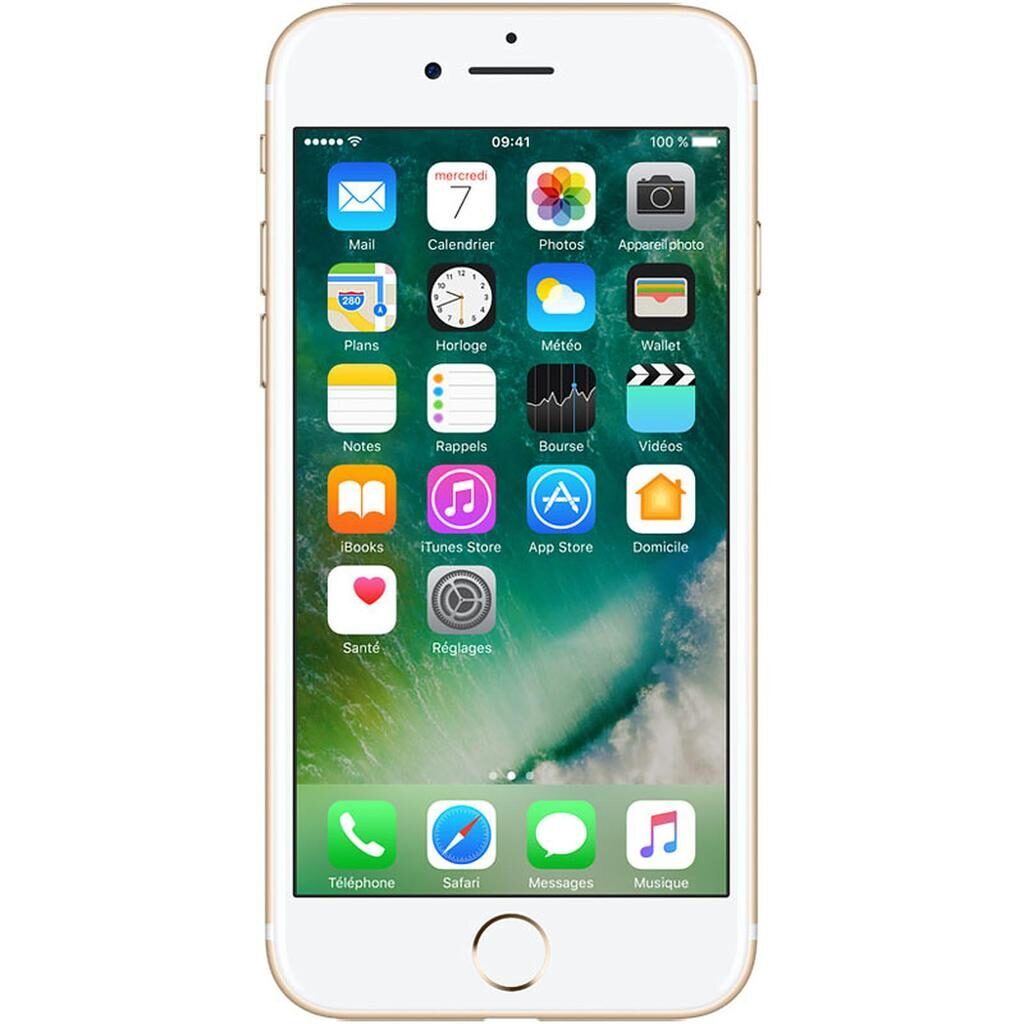
Galaxy S9 vs iPhone SE (2016)
Shop Samsung Galaxy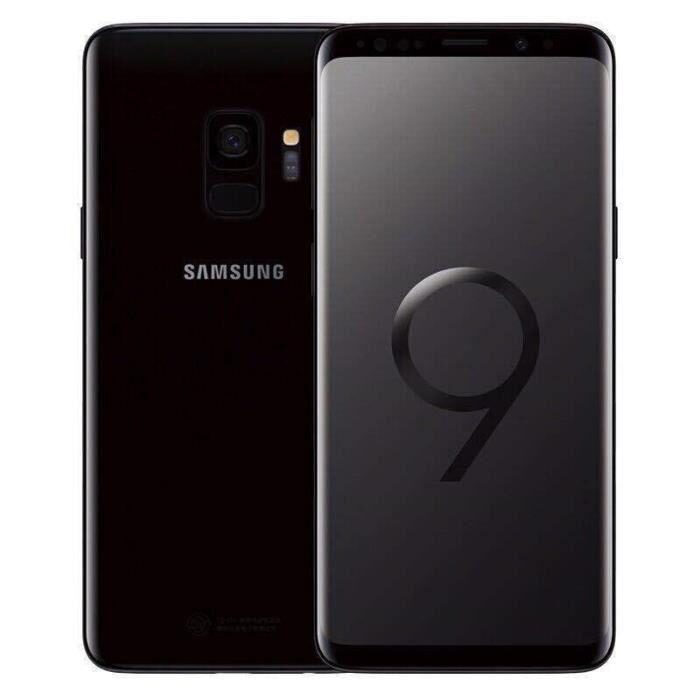
Galaxy S9
Starting at
£116.50£449.00 new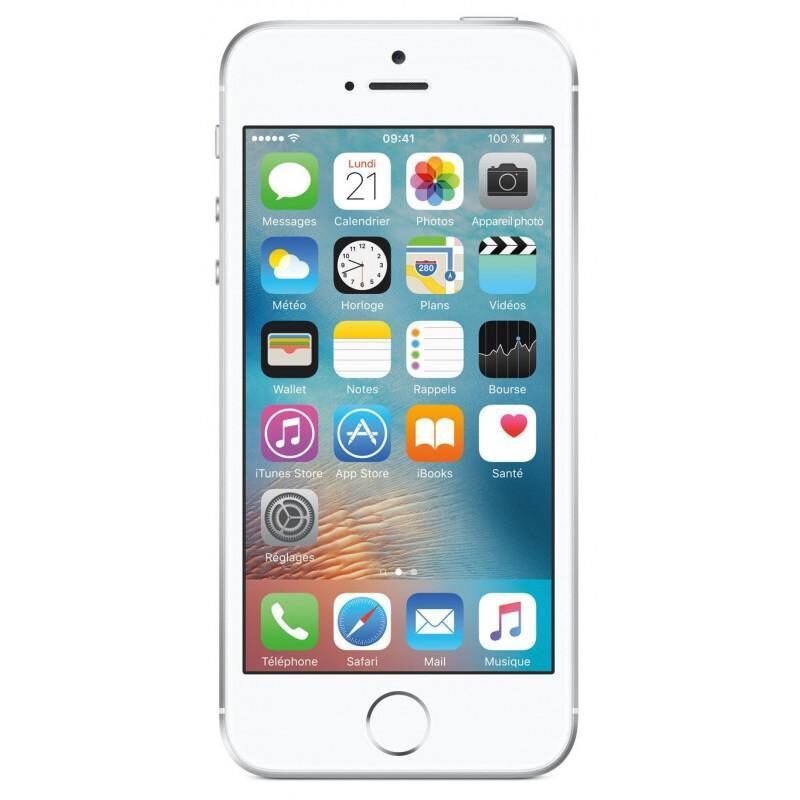
iPhone SE (2016)
Starting at
£192.40What's the difference between the Galaxy S9 and iPhone SE (2016)?
Galaxy S9 vs iPhone SE (2016) comes down to the RAM, battery and screen size. Refurbished, the Galaxy S9 starts at £116.50, £75.90 less than the iPhone SE (2016). The Galaxy S9 is the newer model, released in 2018.
Refurbished from
RAM
Battery
Screen size
Screen type
Front camera
- The Galaxy S9 has more RAM: 4 GB vs 2 GB.
- The Galaxy S9 has a bigger battery: 3000 mAh vs 1624 mAh.
- The Galaxy S9 has a bigger screen: 5.8 inch vs 4 inch.
Galaxy S9 vs iPhone SE (2016) specs
The Galaxy S9 and the iPhone SE (2016) differ in several ways that affect daily use. The Galaxy S9 has a larger, higher-resolution Super AMOLED screen that suits watching videos and browsing, while the iPhone SE's smaller IPS LCD screen fits those who prefer a compact phone. The Galaxy S9 has more RAM and a bigger battery, offering smoother multitasking and longer use between charges. The iPhone SE continues to receive software updates for longer. Both phones have single 12-megapixel main cameras, but the Galaxy S9's front camera has a higher resolution. Storage is available up to 128GB on the Galaxy S9 and 64GB on the iPhone SE. The Galaxy S9 supports microSD cards for extra storage, which the iPhone SE does not. These differences mean the Galaxy S9 suits users wanting a larger display and more features, while the iPhone SE fits those who want a smaller, simpler device with longer software support.
Galaxy S9 vs iPhone SE (2016) price
Colour
Galaxy S9 vs iPhone SE (2016) battery life and software updates
Durability covers battery capacity, software updates, and physical dimensions. These factors influence how long a phone lasts on a charge, how long it receives software updates, and how it fits in your hand or pocket.
Battery Capacity
The Galaxy S9 has a 3000 mAh battery, nearly double the 1624 mAh battery in the iPhone SE (2016). This means the Galaxy S9 can support longer use between charges, which benefits users who spend more time on their phone throughout the day. The iPhone SE's smaller battery suits those with lighter daily use or who prefer charging more often.
Software Updates
The iPhone SE (2016) received software updates until March 2025, with the last being iOS 15. The Galaxy S9's updates ended in April 2022. This longer update period on the iPhone SE can appeal to users who want extended software support and security improvements over time.
Battery
Foldable
Ip rating
Software updates
Wireless charging
Year of release
Galaxy S9 vs iPhone SE (2016) performance
Chipset
RAM
Galaxy S9 vs iPhone SE (2016) screen
Screen quality affects how content looks and how comfortable the phone is to use. Size, resolution, and screen type are key differences between these two devices.
Screen Size and Resolution
The Galaxy S9 features a 5.8 inch screen with a resolution of 1440 x 2960, offering a larger and sharper viewing area. This makes it well suited for watching videos, browsing webpages, and using apps that benefit from more screen space. The iPhone SE (2016) has a 4 inch screen with 640 x 1136 resolution, which fits users who prefer a more compact device that is easier to hold and use with one hand.
Screen Type
The Galaxy S9 uses a Super AMOLED screen, which typically provides deeper blacks and more vibrant colours. The iPhone SE (2016) has an IPS LCD screen, which offers good colour accuracy and brightness but with less contrast. The Galaxy S9's screen type suits those who prioritise rich visuals, while the iPhone SE suits users happy with a clear and straightforward display.
Resolution
Screen size
Screen type
Galaxy S9 vs iPhone SE (2016) camera
Camera and front camera quality affect photo and video capture. Both phones have single main cameras but differ in front camera resolution.
Main Camera
Both the Galaxy S9 and iPhone SE (2016) have 12 megapixel single main cameras. This means both can capture photos with similar levels of detail for everyday photography.
Front Camera
The Galaxy S9 includes an 8 megapixel front camera, which is higher resolution compared to the iPhone SE's 1.2 megapixel front camera. This makes the Galaxy S9 better suited for selfies and video calls with sharper image quality.
Camera type
Front camera
Main camera
Galaxy S9 vs iPhone SE (2016) size and design
Other differences include physical size, weight, connectors, storage options, and additional features like expandable storage.
Physical Size and Weight
The Galaxy S9 is larger and heavier, measuring 147.7 mm tall, 68.7 mm wide, and 8.5 mm deep, weighing 163 g. The iPhone SE (2016) is smaller and lighter at 123.8 mm tall, 58.6 mm wide, 7.6 mm deep, and 113 g. This makes the iPhone SE a better fit for those who want a pocket-friendly phone that is easier to handle.
Connector Type
The Galaxy S9 uses USB-C along with a 3.5 mm headphone jack, offering modern charging and audio connections. The iPhone SE (2016) uses a Lightning connector plus a 3.5 mm jack, which suits users who prefer or already have Lightning accessories.
Storage Options and Expandability
The Galaxy S9 is available in 64GB and 128GB storage versions, and supports microSDXC cards for expandable storage. This suits users who want to store more media or apps. The iPhone SE (2016) is stocked with 64GB and does not have expandable storage, fitting those who are comfortable managing storage within the fixed capacity.
Carrier compatibility
Connector
Depth
Height
Mobile network
Release date
SD card slot
SIM card
Weight
Width
Galaxy S9 or iPhone SE (2016): which should you buy?
Buy the Galaxy S9 if
- you want to spend less: it starts at £116.50, £75.90 less than the iPhone SE (2016)
- you want more RAM (4 GB vs 2 GB)
- you want a bigger battery (3000 mAh vs 1624 mAh)
Buy the iPhone SE (2016) if
- you want a lighter build (113 g vs 163 g)
What our customers say
Customers appreciate the Galaxy S9 for its condition and performance. Many say the phone looks like new or better than expected, with only minor marks or scratches. The storage options and smooth operation meet their needs well. Some mention the battery needing a top-up by evening but find the phone works well overall. The front camera resolution and larger screen are likely appreciated by users for media and video calls.
For the iPhone SE (2016), customers find it a good value for everyday use. The phone suits those who want a smaller, lighter device with solid battery life for calls, messages, and music streaming. Users note the phone runs smoothly after updates and is in good physical condition with light marks in some cases. A few mention the screen can be dim in bright sunlight, but overall it handles daily tasks reliably.
The Galaxy S9 suits customers who prioritise a larger screen, higher front camera resolution, and expandable storage. The iPhone SE fits those who prefer a compact phone with longer software updates and a straightforward experience for everyday use.
Galaxy S9 vs iPhone SE (2016) FAQs
Galaxy S9 vs iPhone SE (2016) comes down to the RAM, battery and screen size. The Galaxy S9 has more RAM: 4 GB vs 2 GB. The Galaxy S9 has a bigger battery: 3000 mAh vs 1624 mAh.
The Galaxy S9 is cheaper refurbished, from £116.50 compared with £192.40 for the iPhone SE (2016).
The Galaxy S9 has a bigger battery: 3000 mAh vs 1624 mAh.
Both have the same main camera: 12 megapixels.
Updates for the Galaxy S9 ended in Apr 2022. Updates for the iPhone SE (2016) ended in Mar 2025. Its last version is iOS 15.
Refurbished, the Galaxy S9 comes in 64GB and 128GB, and the iPhone SE (2016) in 64GB.