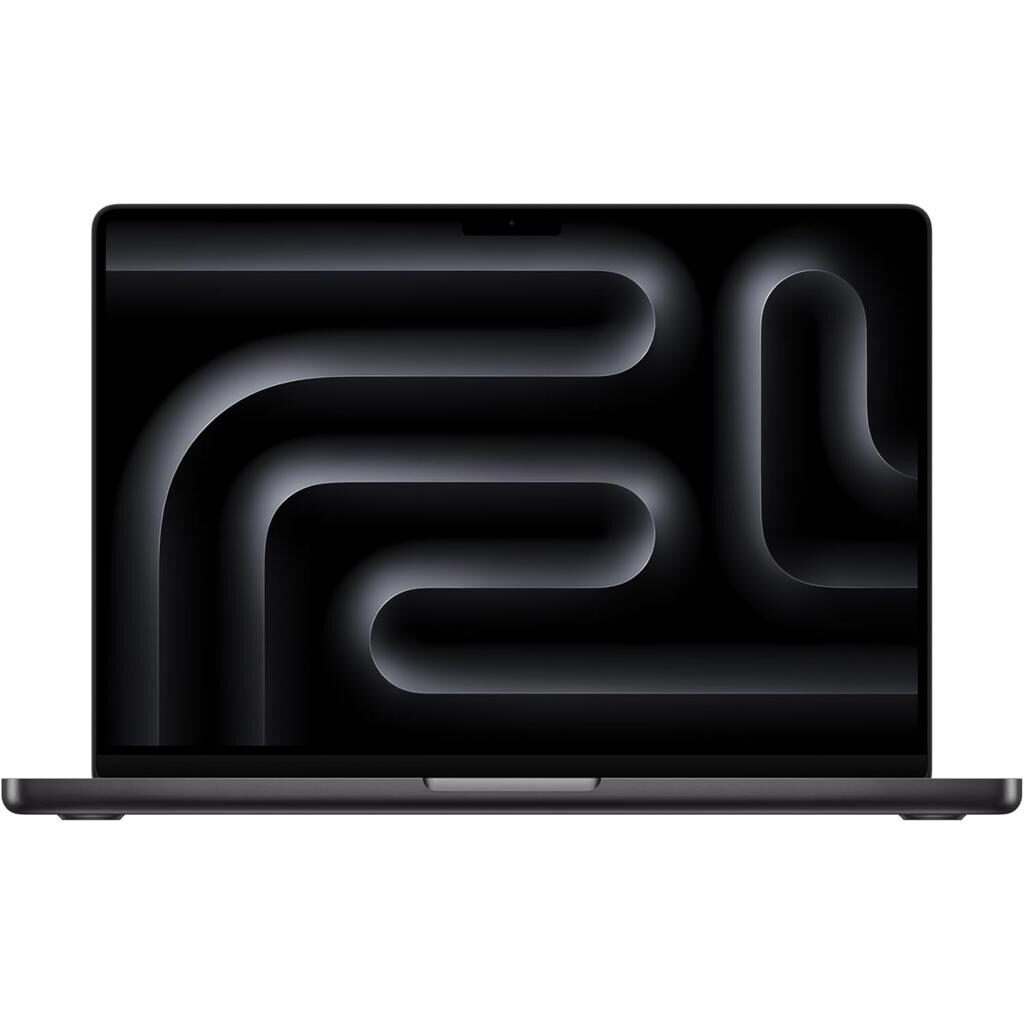
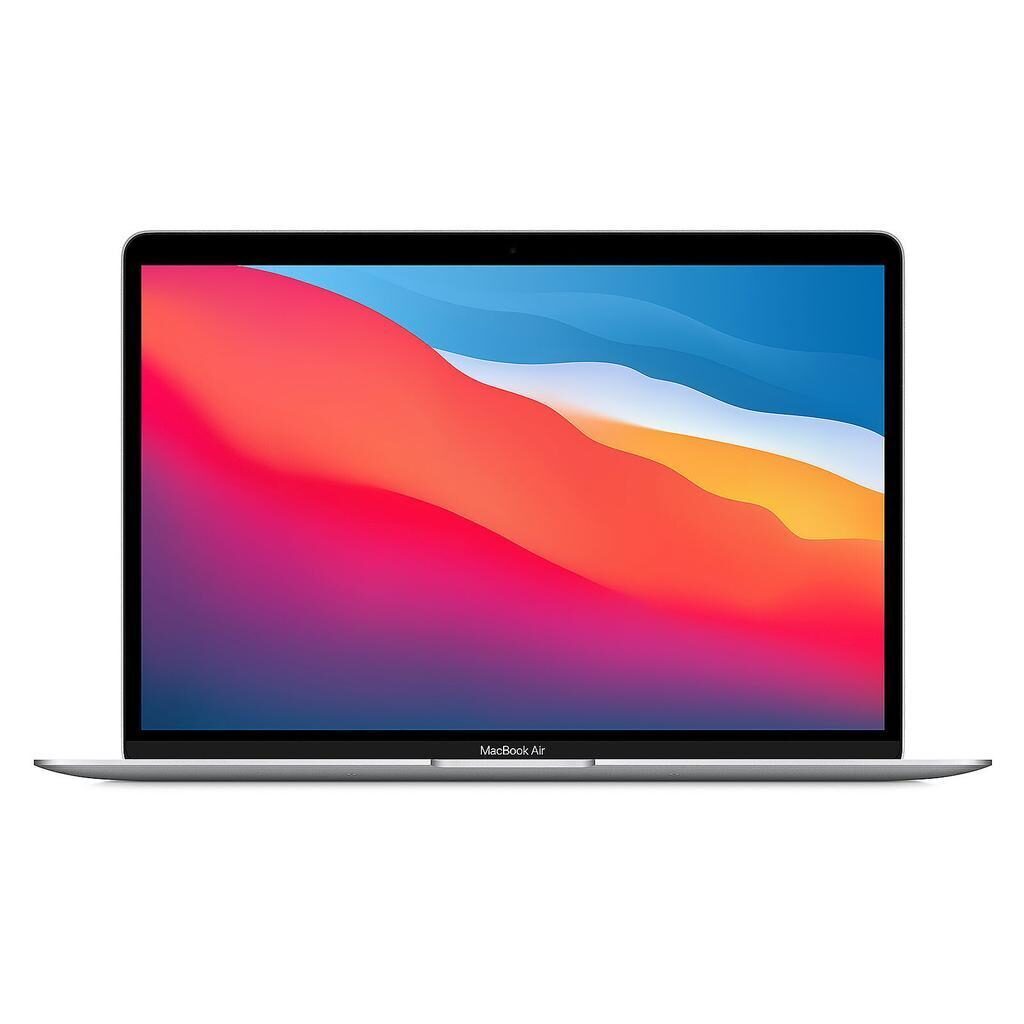
MacBook Pro (M1 series) vs MacBook Pro (M5 series)
Shop MacBook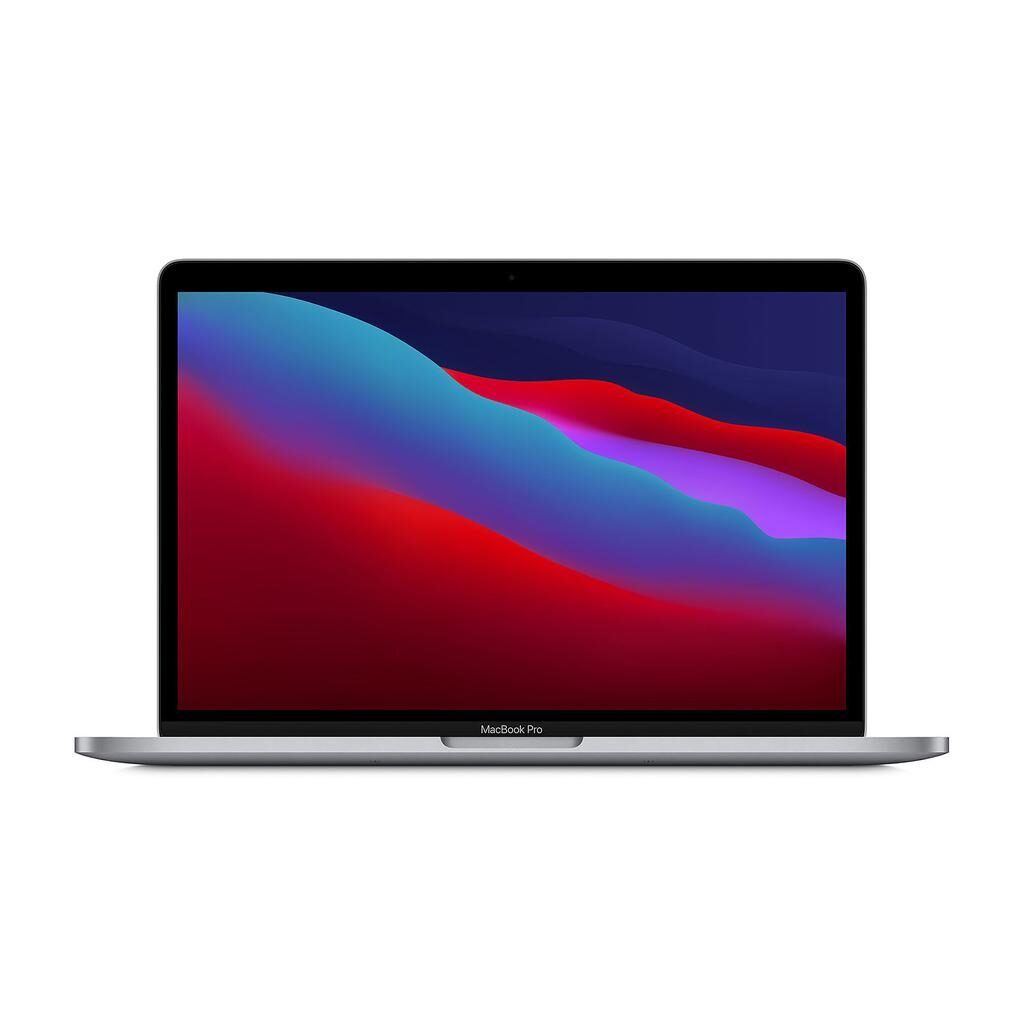
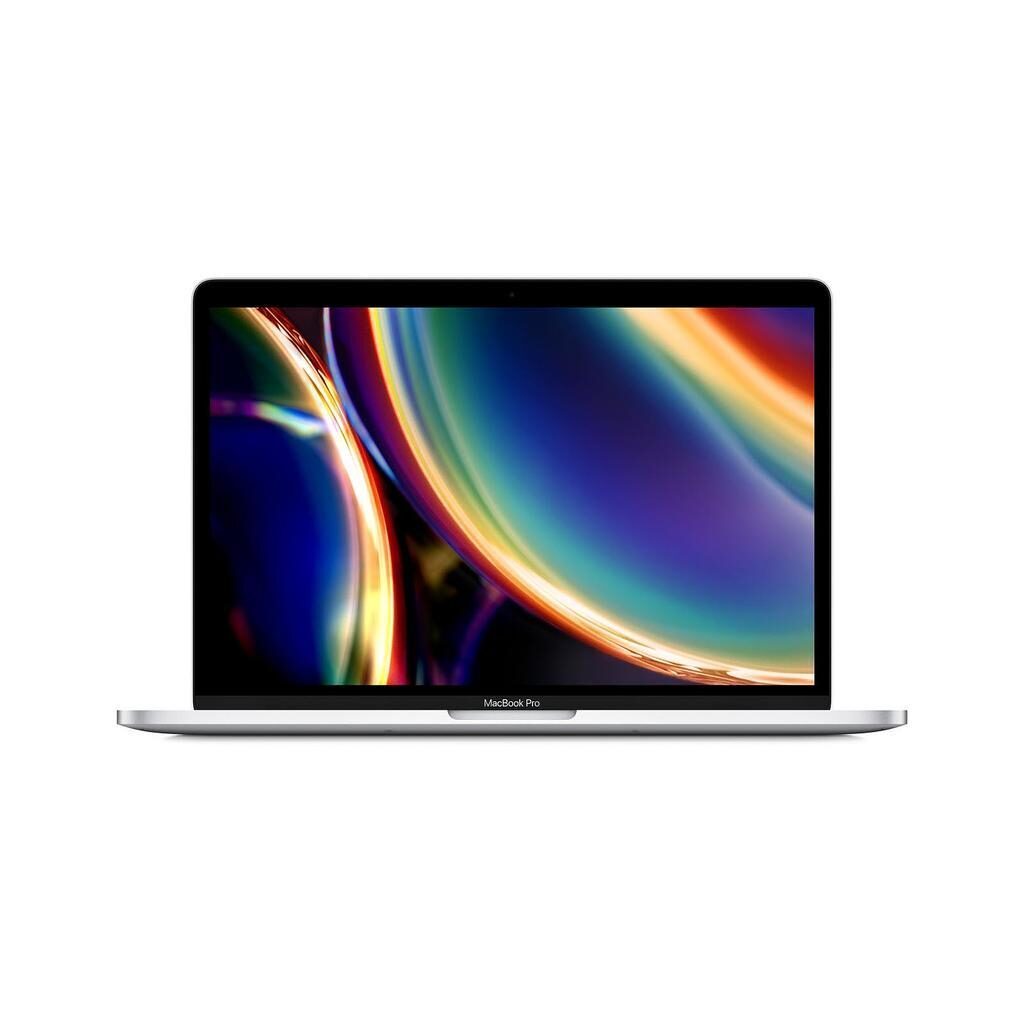
MacBook Pro (M1 series)
Starting at
£506.35£1,299.00 new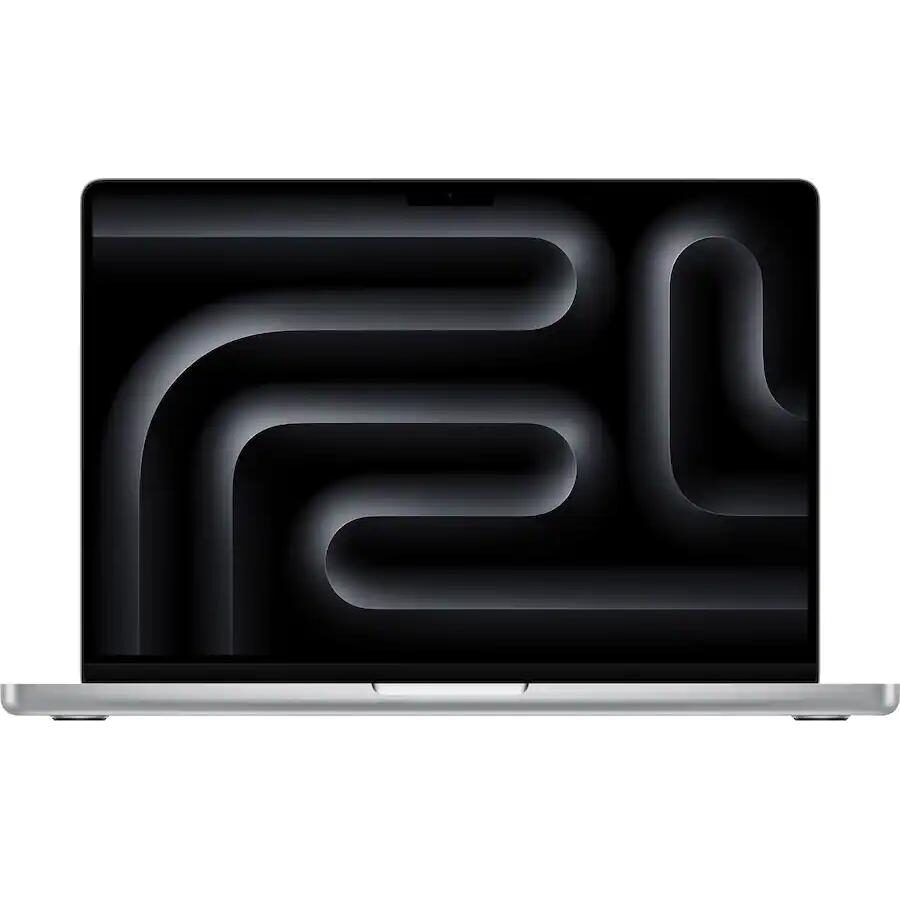
MacBook Pro (M5 series)
Starting at
£1,950.44What's the difference between the MacBook Pro (M1 series) and MacBook Pro (M5 series)?
MacBook Pro (M1 series) vs MacBook Pro (M5 series) comes down to the screen size, screen type and weight. Refurbished, the MacBook Pro (M1 series) starts at £506.35, £1444.09 less than the MacBook Pro (M5 series). The MacBook Pro (M5 series) is the newer model, released in 2025.
Refurbished from
Screen size
Screen type
Weight
- The MacBook Pro (M5 series) has a bigger screen: 14 inch vs 13 inch.
- Screen type: Retina display on the MacBook Pro (M1 series), Liquid Retina XDR display on the MacBook Pro (M5 series).
- The MacBook Pro (M1 series) has a lighter build: 1400 g vs 1550 g.
MacBook Pro (M1 series) vs MacBook Pro (M5 series) specs
The MacBook Pro M1 series and M5 series offer distinct differences that suit different users. The M5 series features a larger and brighter screen, a more powerful graphics processor, and greater storage capacity, making it well suited for users who need enhanced visuals and more space for files and apps. The M1 series keeps the compact 13 inch size with solid performance and storage options up to 4TB, ideal for those valuing portability and a familiar setup. Audio and connectivity features also vary, with the M5 series offering an advanced speaker system, higher resolution front camera, and additional ports, fitting users who want a richer multimedia and connection experience.
MacBook Pro (M1 series) vs MacBook Pro (M5 series) price
Colour
MacBook Pro (M1 series) vs MacBook Pro (M5 series) battery life and software updates
Durability covers how long the devices stay current and their ease of repair.
Operating System Longevity
This means either device will keep up with current software features and security patches for the same period.
Repairability
This high score suggests both models are designed for easier repairs and part replacements, which benefits users who want to maintain their device over time.
Maximum operating system supported
Year of release
MacBook Pro (M1 series) vs MacBook Pro (M5 series) performance
Performance differences focus on graphics power and storage, while both models share the same RAM and architecture. Storage options stocked also vary, affecting how much data you can keep readily available.
Graphics Capability
The MacBook Pro M1 series has an 8-core GPU, suitable for general graphics tasks and moderate creative work. The M5 series offers a 10-core GPU for more demanding graphics processing, ideal if you use graphics-heavy applications or multimedia editing.
Storage Capacity
The M1 series comes with 256 GB SSD by default but is stocked with storage options from 256GB up to 4TB, providing flexibility for users who need high storage. The M5 series starts at 512 GB SSD and is stocked up to 2TB, which suits users looking for larger base storage without the highest capacity tier.
Memory and Architecture
Both models have 16 GB of RAM and use 64-bit architecture. This amount of memory supports multitasking and running demanding applications smoothly on either device.
Graphic card
Macbook architecture
Processor brand
RAM
Storage type
MacBook Pro (M1 series) vs MacBook Pro (M5 series) screen
Screen quality is a key difference, with the M5 series offering a larger, brighter, and higher resolution display. Each model's screen type and features suit different viewing preferences and work styles.
Screen Size and Resolution
The MacBook Pro M1 series has a 13 inch Retina display with 2560 x 1600 resolution, compact and sharp for everyday use. The M5 series steps up to a 14 inch Liquid Retina XDR display with 3024 x 1964 resolution, offering more screen space and finer image detail for creative professionals or those who prefer a roomier display.
Brightness and Display Technology
With 400 nits brightness, the M1 series screen is bright enough for most indoor environments. The M5 series screen reaches 1000 nits brightness, better suited for use in brighter spaces or when working with high dynamic range content. The Liquid Retina XDR technology on the M5 series enhances contrast and colour accuracy compared to the Retina display.
True Tone and IPS
Both models include True Tone technology and an IPS panel, which ensures colour accuracy and wide viewing angles, making either screen comfortable for extended use.
Ips
Resolution
Retina
Screen brightness
Screen size
Screen type
True tone
MacBook Pro (M1 series) vs MacBook Pro (M5 series) camera
Audiovisual features differ notably between the two MacBook Pros, influencing video calls, media consumption, and audio quality.
Front Camera Resolution
The MacBook Pro M1 series has a 720p front camera, adequate for standard video calls. The M5 series upgrades to a 1080p front camera, offering clearer and more detailed video, which benefits users frequently on video conferences or streaming.
Speaker System
The M1 series includes stereo speakers with high dynamic range, providing good sound quality for everyday use. The M5 series features six speakers, which deliver a more immersive and richer audio experience, ideal for media creators or those who enjoy high-quality sound playback.
Front camera definition
Speakers
Webcam
MacBook Pro (M1 series) vs MacBook Pro (M5 series) size and design
The miscellaneous section highlights connectivity and input differences that affect how you connect and interact with each MacBook Pro in daily use.
Ports and Slots
The M5 series includes an SDXC card slot and HDMI output, which are useful for photographers, videographers, and users who connect to external displays without adapters. The M1 series does not have these ports but features two USB Type-C Thunderbolt 4 ports. The M5 series expands connectivity with three USB Type-C Thunderbolt 4 ports.
Charging Compatibility
The M1 series charges via USB Type-C. The M5 series supports both MagSafe 3 and USB-C charging, giving more flexibility in how you power your device.
Wireless and Bluetooth
Both models use Wi-Fi 6 802.11ax for wireless connectivity. The M1 series has Bluetooth 5.0, while the M5 series upgrades to Bluetooth 5.3, which can provide improved connection stability and efficiency with compatible devices.
Additional Features
The M1 series includes a Touch Bar, which some users find useful for shortcuts and controls. The M5 series has removed the Touch Bar but includes a Touch screen with Promotion technology, which offers a smoother and more responsive experience.
Weight and Portability
The MacBook Pro M1 series weighs 1400 g, making it lighter and more portable. The M5 series weighs 1550 g, reflecting its larger screen and additional features, which may be preferable if weight is less of a concern.
Bluetooth
Bluetooth version
Card slot
Charger compatibility
Depth
Display
Hdmi output
Height
Jack plug
Keyboard language type
Neural engine
Promotion
Release date
Touch
Touch bar
Usb typec thunderbolt 4 ports
Usbc port
Webcam definition
Weight
Width
Wifi technology
MacBook Pro (M1 series) or MacBook Pro (M5 series): which should you buy?
Buy the MacBook Pro (M1 series) if
- you want to spend less: it starts at £506.35, £1444.09 less than the MacBook Pro (M5 series)
- you want a lighter build (1400 g vs 1550 g)
Buy the MacBook Pro (M5 series) if
- you want a bigger screen (14 inch vs 13 inch)
- you want the newer model (2025)
MacBook Pro (M1 series) vs MacBook Pro (M5 series) FAQs
MacBook Pro (M1 series) vs MacBook Pro (M5 series) comes down to the screen size, screen type and weight. The MacBook Pro (M5 series) has a bigger screen: 14 inch vs 13 inch. Screen type: Retina display on the MacBook Pro (M1 series), Liquid Retina XDR display on the MacBook Pro (M5 series).
The MacBook Pro (M1 series) is cheaper refurbished, from £506.35 compared with £1950.44 for the MacBook Pro (M5 series).
The MacBook Pro (M5 series) adds a bigger screen (14 inch vs 13 inch). Refurbished, it costs £1444.09 more (from £1950.44 vs £506.35).
Refurbished, the MacBook Pro (M1 series) comes in 256GB, 512GB, 1TB, 2TB and 4TB, and the MacBook Pro (M5 series) in 512GB, 1TB and 2TB.