iPhone 8 vs iPhone XR
Shop iPhone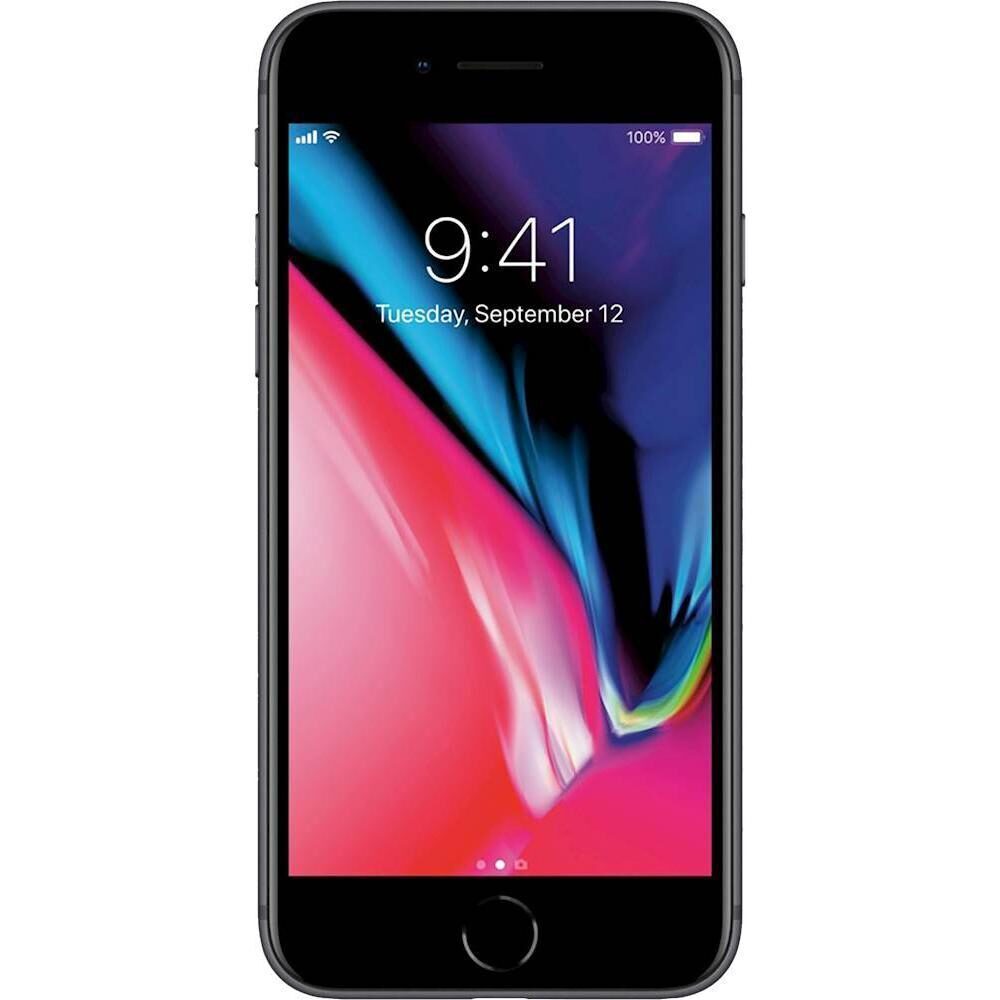
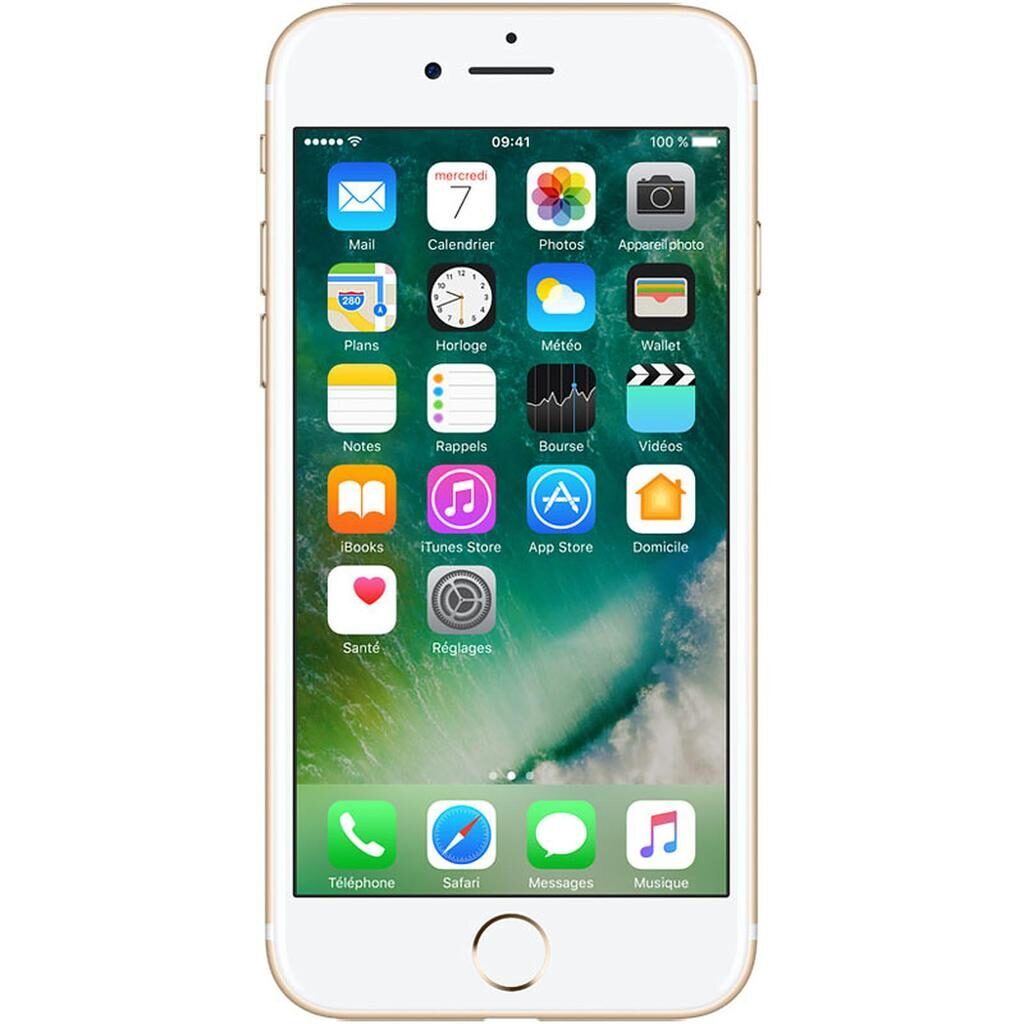
iPhone 8
Starting at
£90.00£399.00 new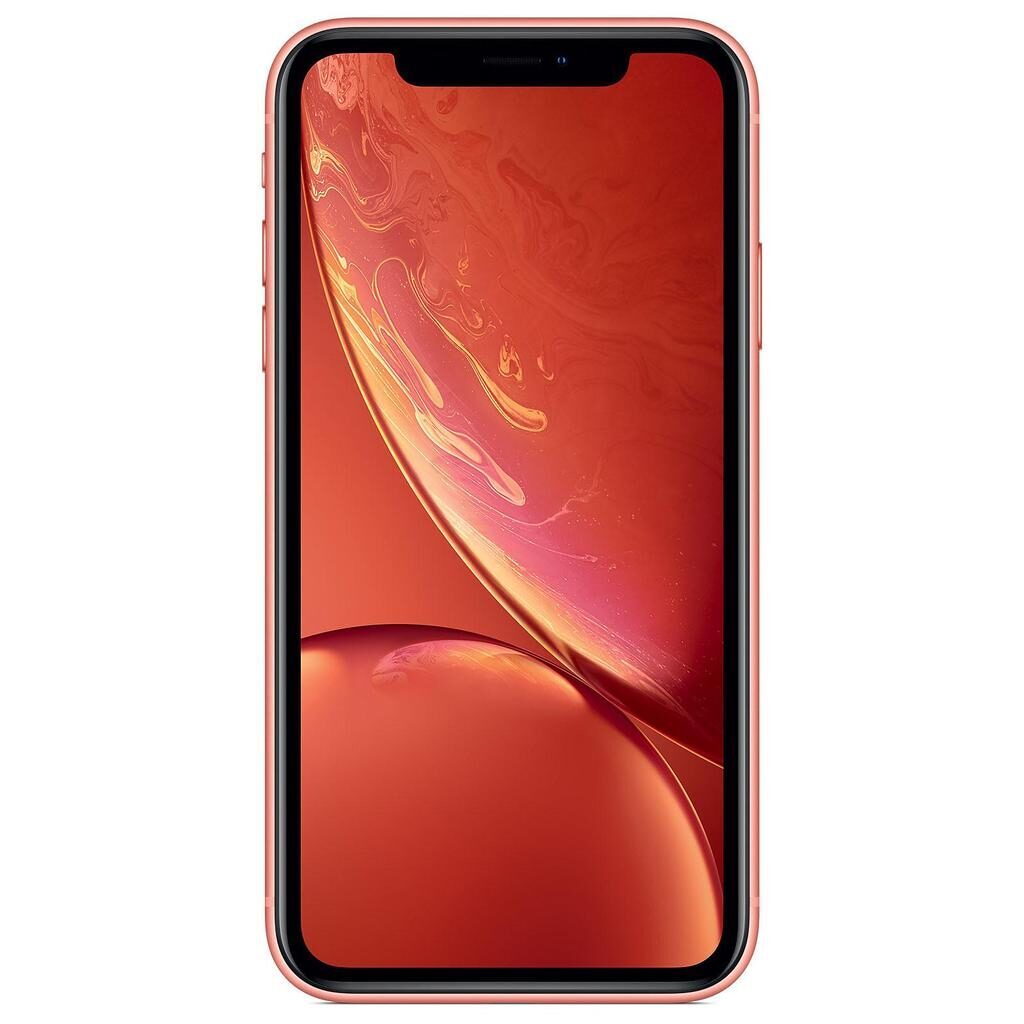
iPhone XR
Starting at
£130.30£399.00 newWhat's the difference between the iPhone 8 and iPhone XR?
iPhone 8 vs XR comes down to the chipset, RAM and battery. Refurbished, the iPhone 8 starts at £90, £40.30 less than the iPhone XR. The iPhone XR is the newer model, released in 2018.
Refurbished from
Chipset
RAM
Battery
Screen size
Screen type
- Chipset: Apple A11 Bionic on the iPhone 8, Apple A12 Bionic (7 nm) on the iPhone XR.
- The iPhone XR has more RAM: 3 GB vs 2 GB.
- The iPhone XR has a bigger battery: 2942 mAh vs 1821 mAh.
iPhone 8 vs iPhone XR specs
The iPhone 8 and iPhone XR differ in several key areas that suit different users. The iPhone 8 is smaller and lighter, with a compact 4.7 inch screen and 2 GB of RAM, making it good for everyday use and easy one-handed operation. The iPhone XR offers a larger 6.1 inch display and 3 GB of RAM, which benefits those who want more screen space and smoother multitasking. Storage options are the same for both, providing flexibility in capacity. Choose the iPhone 8 for a smaller phone or the iPhone XR for more screen and performance.
iPhone 8 vs iPhone XR price
Colour
iPhone 8 vs iPhone XR battery life and software updates
Durability covers battery capacity and software updates, which affect how long the phone lasts through daily use and how current the device stays over time. The iPhone 8 and iPhone XR differ in these areas.
Battery Capacity
The iPhone 8 has a battery capacity of 1821 mAh, which suits users with lighter daily use or those who prefer smaller phones. The iPhone XR has a larger 2942 mAh battery, making it better for users who need longer battery life between charges, especially with its bigger screen size.
Battery
Foldable
Ip rating
Software updates
Wireless charging
Year of release
iPhone 8 vs iPhone XR performance
Performance influences how smoothly apps run and how well the phone handles multitasking. The iPhone 8 and iPhone XR differ in chipset and RAM, with similar storage options available.
Chipset Power
The iPhone 8 uses the Apple A11 Bionic chipset, which provides solid performance for everyday tasks. The iPhone XR has the Apple A12 Bionic (7 nm) chipset, offering improved efficiency and speed, which benefits users running more demanding apps or multitasking.
Memory Capacity
The iPhone 8 includes 2 GB of RAM, which supports app usage and everyday functions well. The iPhone XR's 3 GB RAM keeps more apps active and supports smoother multitasking, making it suitable for users who often switch between applications.
Storage Options
Both models offer the same storage options: 64GB, 128GB, and 256GB. This allows flexibility for users whether they want a basic amount of space or more room for apps, photos, and files.
Chipset
RAM
iPhone 8 vs iPhone XR screen
Screen quality affects viewing experience for videos, reading, and general use. The two models differ in screen size, resolution, and display technology.
Screen Size and Resolution
The iPhone 8 has a 4.7 inch screen with a resolution of 750 x 1334, suitable for users who prefer a smaller, more pocket-friendly phone. The iPhone XR offers a larger 6.1 inch screen with a resolution of 828 x 1792, providing more room for video, games, and browsing.
Display Type
The iPhone 8 features a Retina IPS LCD, delivering clear and bright images. The iPhone XR has a Liquid Retina IPS LCD, which offers a similar viewing experience but on a bigger display, ideal for those who want more immersive visuals.
Resolution
Screen size
Screen type
iPhone 8 vs iPhone XR camera
Audiovisual features include camera quality, which is important for photography and video calls. Both phones share the same megapixel counts.
Front Camera
Both the iPhone 8 and iPhone XR have a 7 megapixel front camera. This suits users who want clear selfies and good quality video calls without differences in front camera detail.
Main Camera
Both devices include a 12 megapixel main camera, which provides detailed photos and videos. Users interested in photography will find similar capabilities in either model.
Camera type
Front camera
Main camera
iPhone 8 vs iPhone XR size and design
Miscellaneous features cover physical size, connectivity, and SIM options, affecting how the phone fits in your hand and works on networks.
Physical Dimensions and Weight
The iPhone 8 is smaller and lighter, measuring 138.4 mm tall, 67.3 mm wide, and 7.3 mm deep, weighing 148 g. This makes it easier to hold and carry for those preferring compact phones. The iPhone XR is larger at 150.9 mm tall, 75.7 mm wide, and 0.83 cm deep, weighing 194 g, providing a bigger device for users who want a larger screen and do not mind extra size.
SIM Card Options
The iPhone 8 uses a physical SIM card, which suits users who prefer a traditional SIM setup. The iPhone XR supports both a physical SIM and eSIM, offering the flexibility to use two numbers or plans without swapping SIM cards.
Network and Connector
Both phones support 4G mobile networks and use the Lightning connector, ensuring compatibility with the same chargers and network speeds.
Carrier compatibility
Connector
Depth
Height
Mobile network
Release date
SD card slot
SIM card
Weight
Width
iPhone 8 or iPhone XR: which should you buy?
Buy the iPhone 8 if
- you want to spend less: it starts at £90, £40.30 less than the iPhone XR
- you want a lighter build (148 g vs 194 g)
Buy the iPhone XR if
- you want more RAM (3 GB vs 2 GB)
- you want a bigger battery (2942 mAh vs 1821 mAh)
- you want a bigger screen (6.1 inch vs 4.7 inch)
What our customers say
Customers buying the iPhone 8 appreciate that the phone looks like new and performs well for everyday use. Many mention the battery health is good and the device runs smoothly for work or personal needs. Users note the compact size and solid feel of the phone. Some describe the iPhone 8 as a better device compared to their previous models. A few mention minor marks but overall satisfaction with the phone's condition and reliability is common.
Reviews for the iPhone XR highlight its excellent condition and near-new appearance. Customers value the larger screen size, especially for video and reading, and find the setup easy. The XR is described as fast and responsive, with enough storage for apps and photos. Battery replacement warnings appear but do not detract from the overall positive experience. The option of a bigger screen is appreciated by users of various ages, including older adults.
The iPhone 8 suits buyers looking for a smaller, lighter phone that handles everyday tasks well. The iPhone XR appeals to those wanting a larger display, more RAM, and software updates for longer use. Both are good choices depending on your priorities in size, performance, and software compatibility.
iPhone 8 vs iPhone XR FAQs
iPhone 8 vs XR comes down to the chipset, RAM and battery. Chipset: Apple A11 Bionic on the iPhone 8, Apple A12 Bionic (7 nm) on the iPhone XR. The iPhone XR has more RAM: 3 GB vs 2 GB.
The iPhone 8 is cheaper refurbished, from £90 compared with £130.30 for the iPhone XR.
The iPhone XR has a bigger battery: 2942 mAh vs 1821 mAh.
Both have the same main camera: 12 megapixels.
Updates for the iPhone 8 ended in Mar 2025. Its last version is iOS 16. Updates for the iPhone XR ended in Apr 2026. Its last version is iOS 18.
The iPhone XR adds more RAM (3 GB vs 2 GB), a bigger battery (2942 mAh vs 1821 mAh) and a bigger screen (6.1 inch vs 4.7 inch). Refurbished, it costs £40.30 more (from £130.30 vs £90).
Both come in 64GB, 128GB and 256GB refurbished.