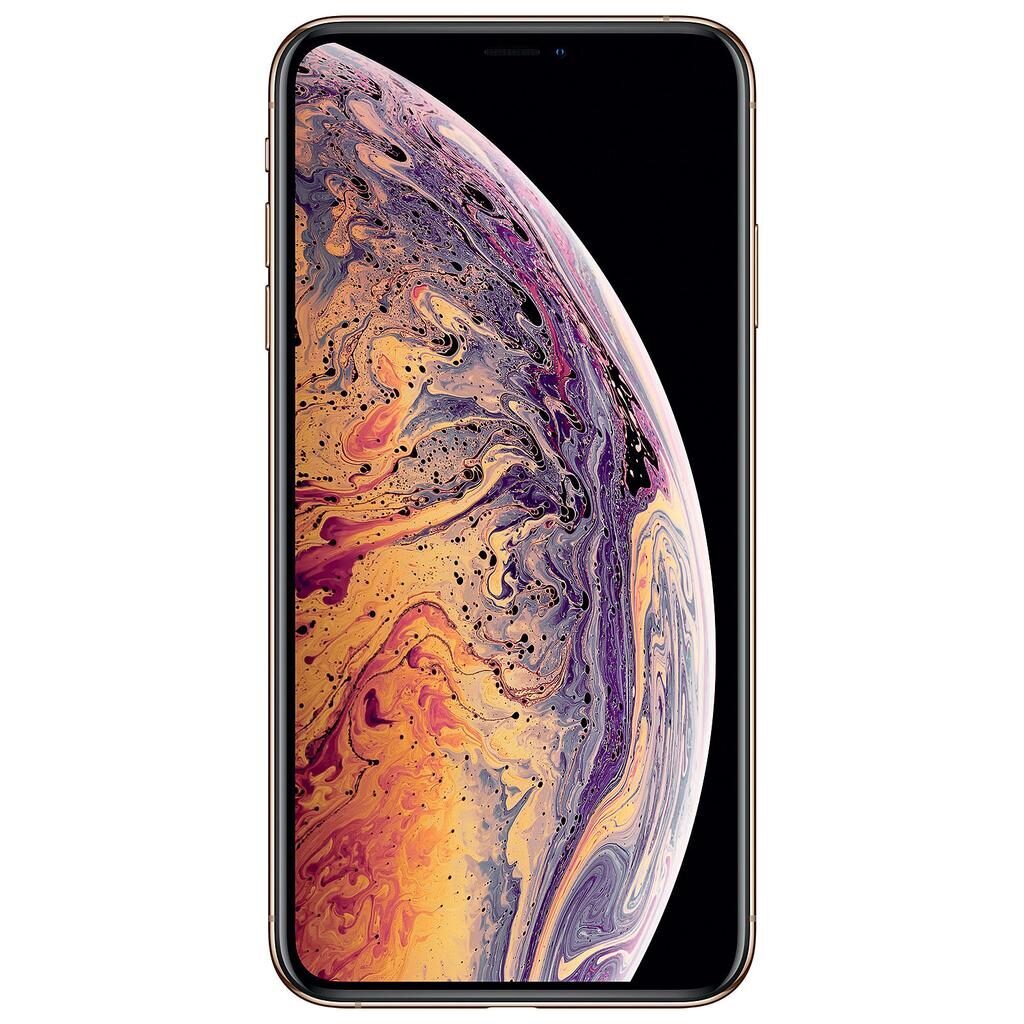
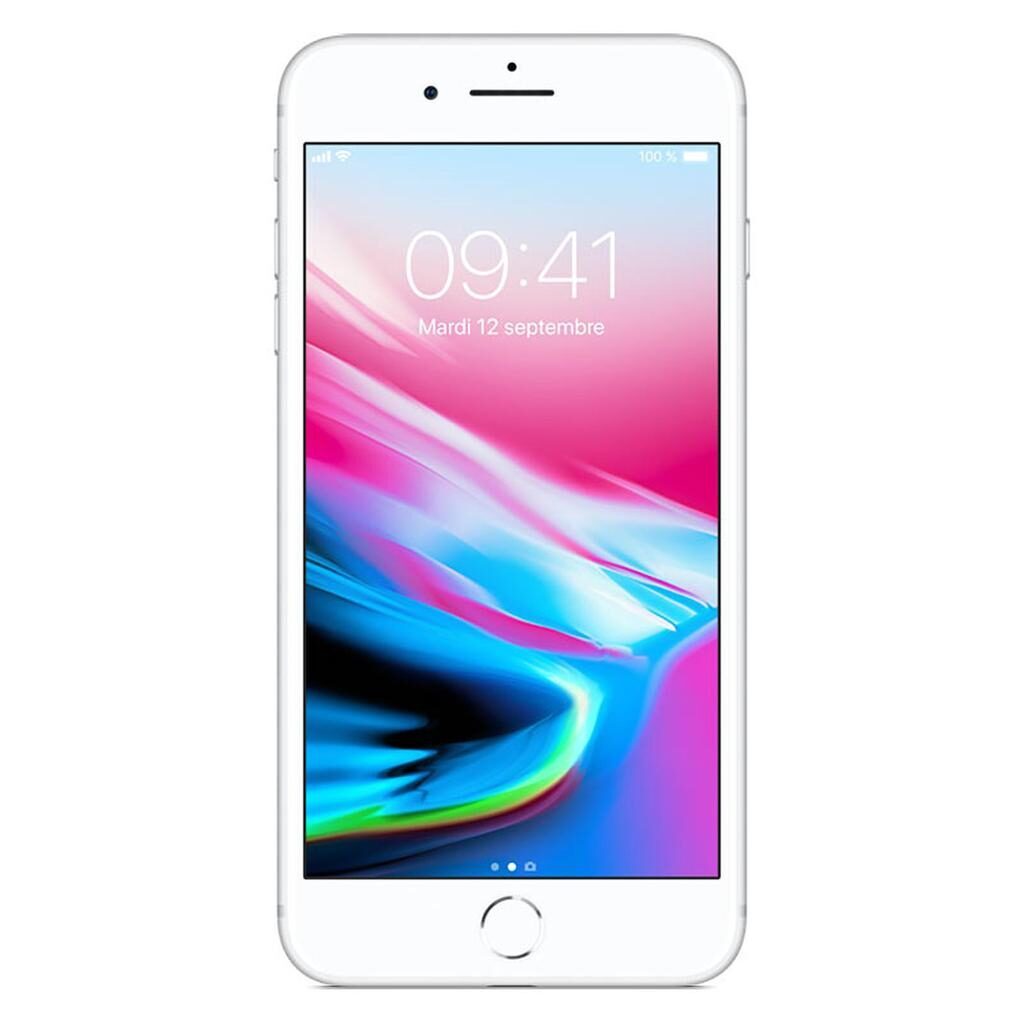
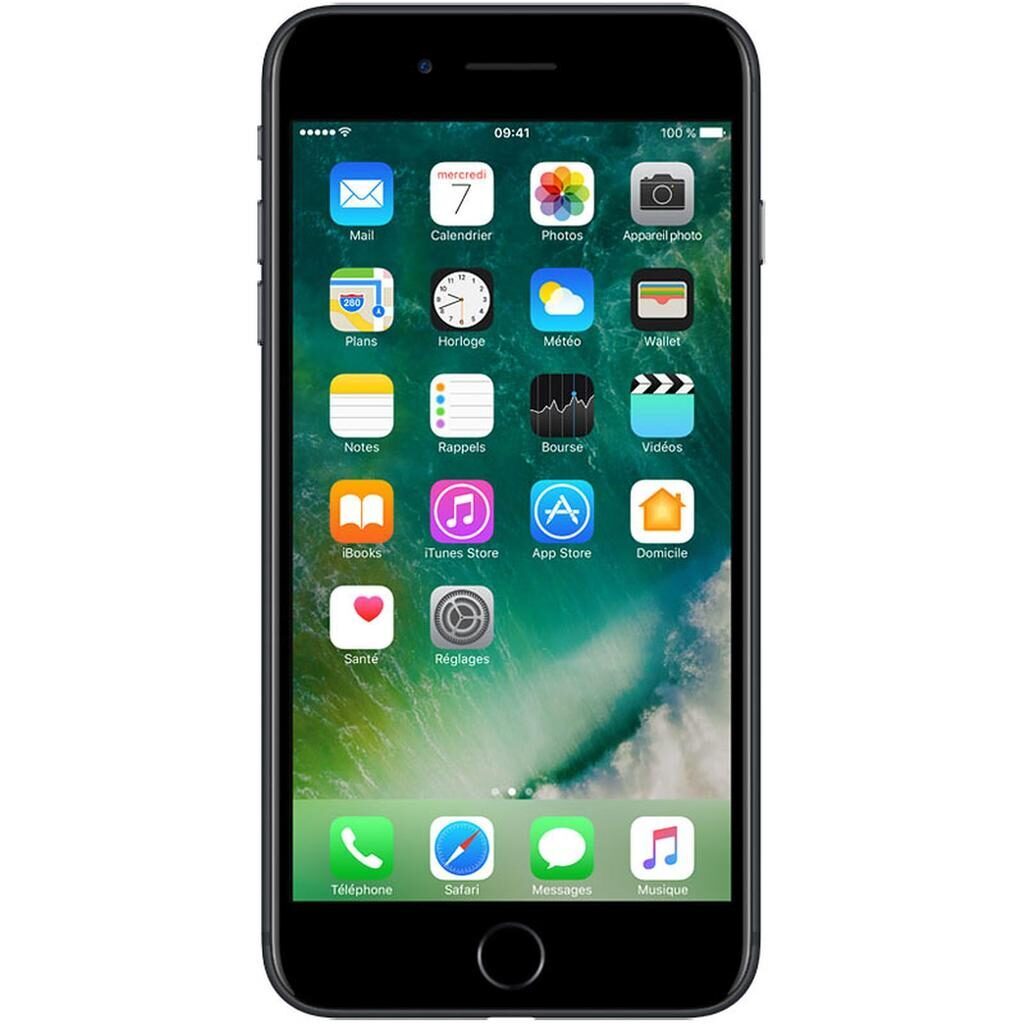
iPhone 8 vs iPhone Air
Shop iPhone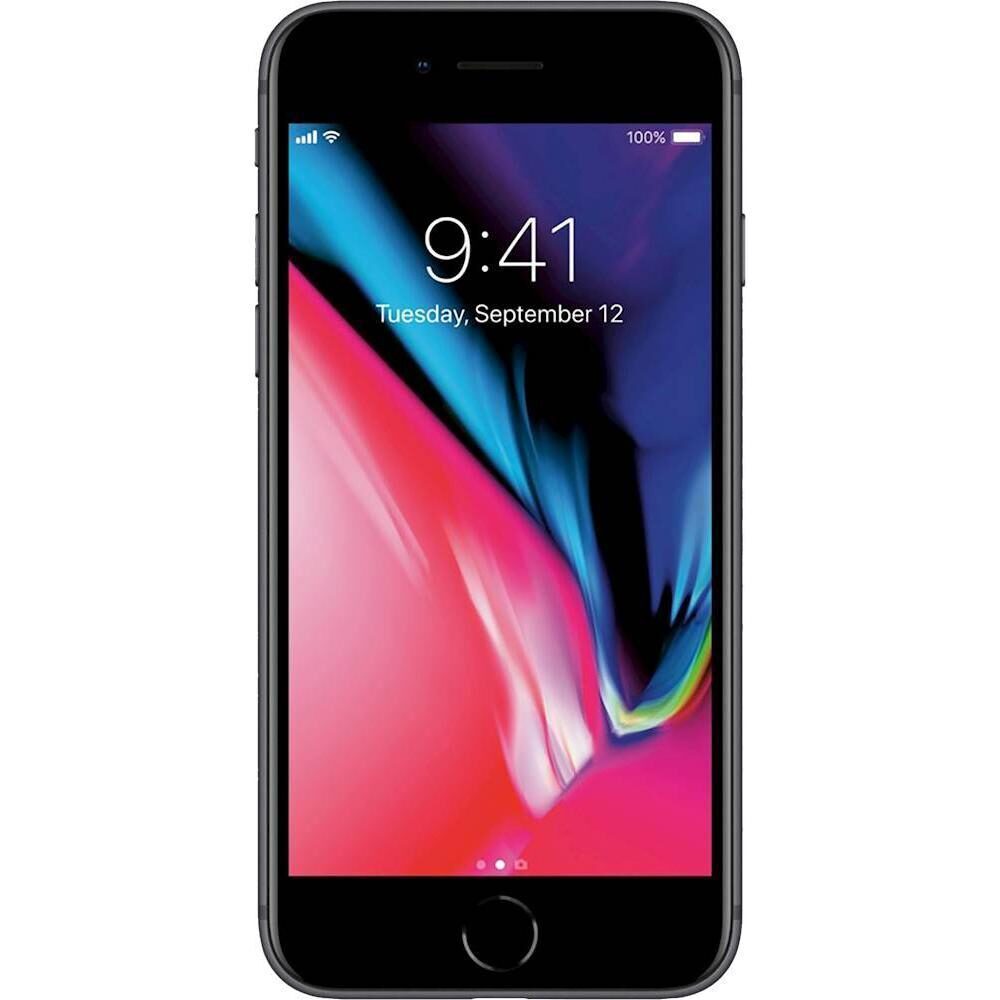
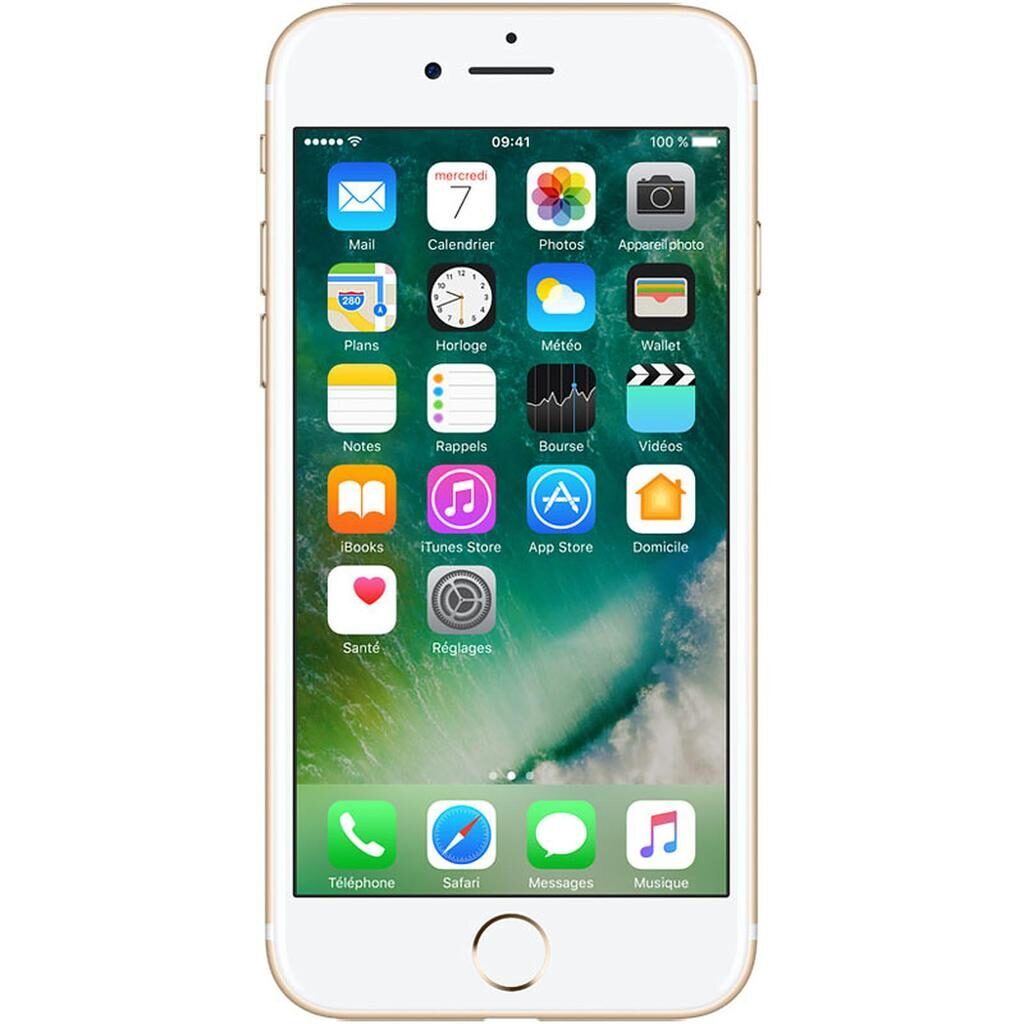
iPhone 8
Starting at
£90.00£399.00 new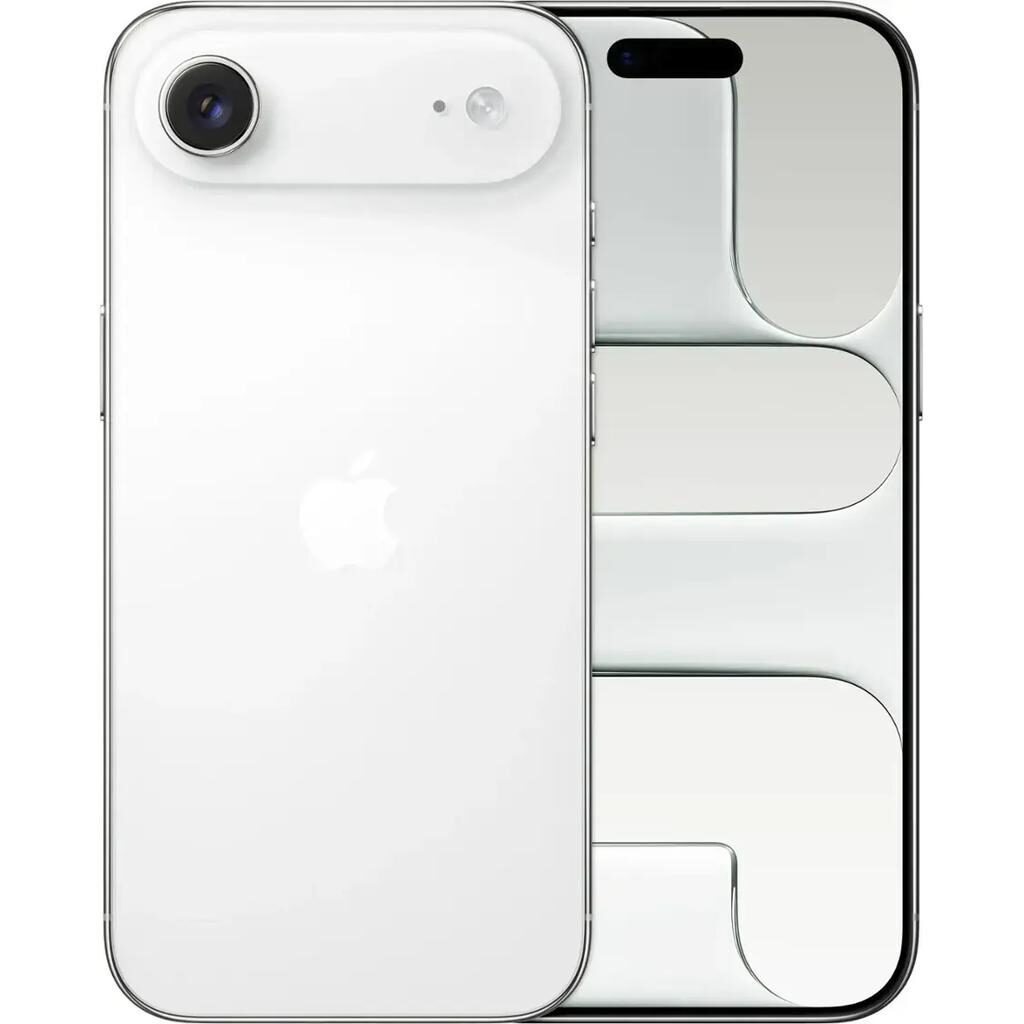
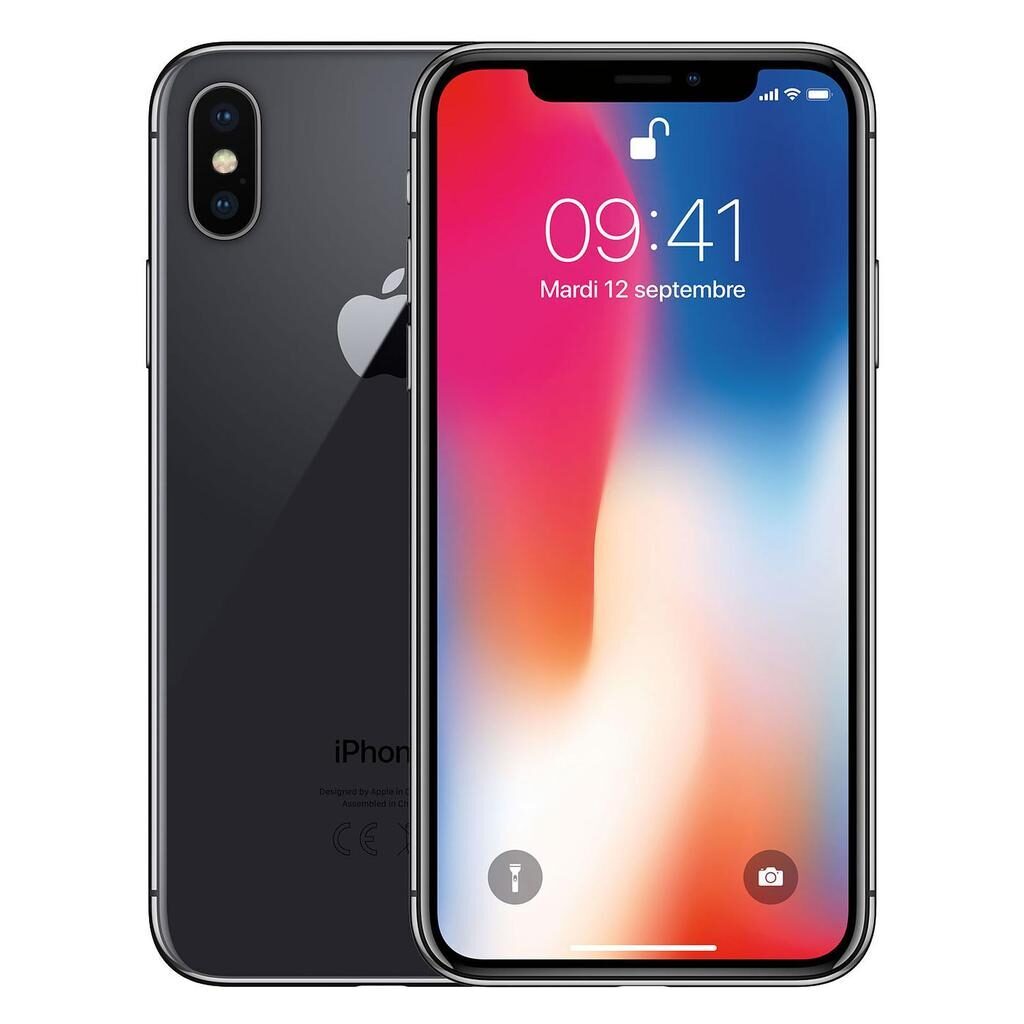
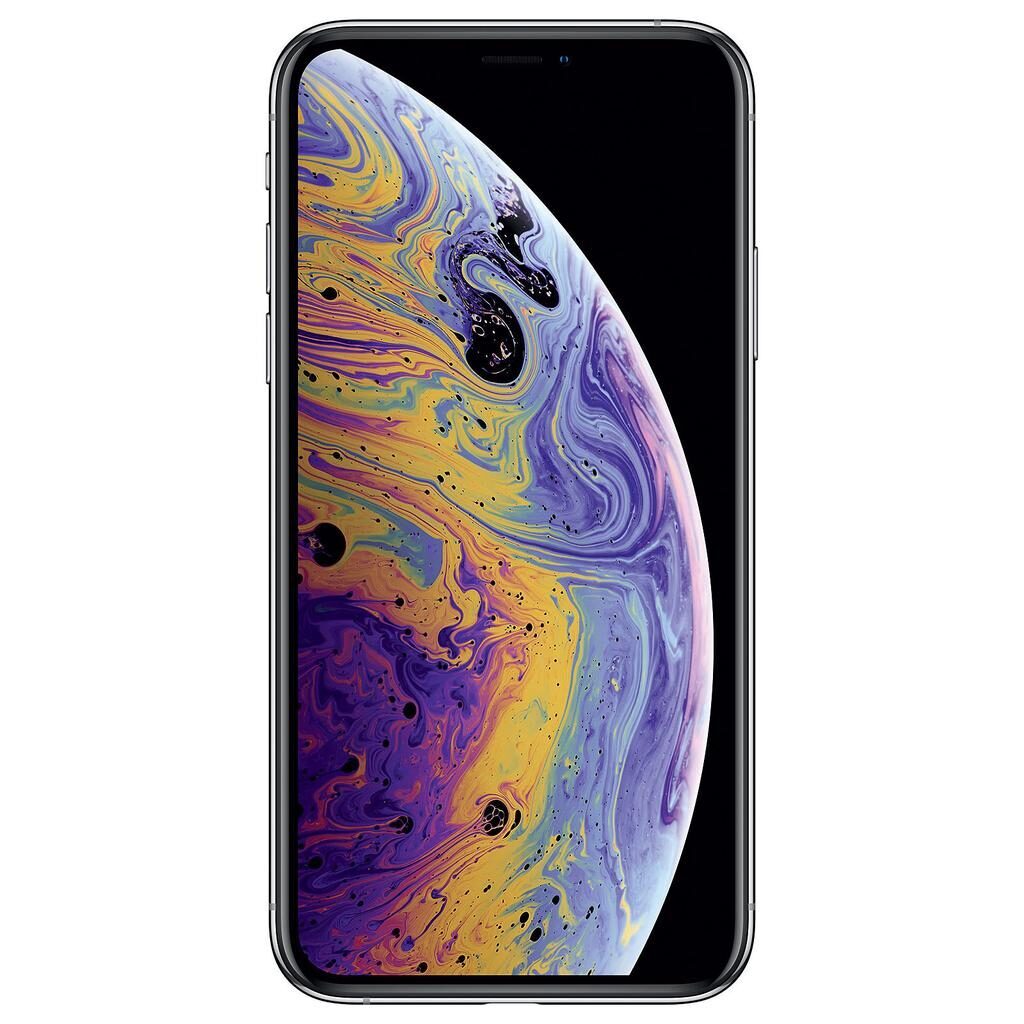
iPhone Air
Starting at
£687.30£999.00 newWhat's the difference between the iPhone 8 and iPhone Air?
iPhone 8 vs Air comes down to the chipset, RAM and screen size. Refurbished, the iPhone 8 starts at £90, £597.30 less than the iPhone Air. The iPhone Air is the newer model, released in 2025.
Refurbished from
Chipset
RAM
Screen size
Screen type
Main camera
- Chipset: Apple A11 Bionic on the iPhone 8, Apple A19 Pro on the iPhone Air.
- The iPhone Air has more RAM: 12 GB vs 2 GB.
- The iPhone Air has a bigger screen: 6.5 inch vs 4.7 inch.
iPhone 8 vs iPhone Air specs
The iPhone 8 and iPhone Air serve different needs with their distinct features. The iPhone 8 is suited for everyday use with a smaller screen, lower RAM, and Lightning connector, making it a practical choice for straightforward tasks. The iPhone Air offers a much larger, higher-resolution screen, substantial RAM, and 5G connectivity, ideal for users who want more screen space, detailed photos, and faster mobile networks. Storage options vary widely, with the iPhone Air offering larger capacities for extensive media and apps. Your choice depends on how much performance, screen size, and network speed matter to your daily use.
iPhone 8 vs iPhone Air price
Colour
iPhone 8 vs iPhone Air battery life and software updates
Durability covers software updates and basic design features that affect long-term use.
Software Updates
If keeping your software current is important, the iPhone Air suits you better.
Battery
Foldable
Ip rating
Software updates
Wireless charging
Year of release
iPhone 8 vs iPhone Air performance
Chipset
RAM
iPhone 8 vs iPhone Air screen
Screen quality affects how you view content, from everyday browsing to watching videos and gaming. These two devices offer very different screen experiences in size, resolution, and display technology.
Screen Size
The iPhone 8 has a 4.7 inch screen, which is compact and easy to hold, suitable if you prefer something pocket-friendly and simple. The iPhone Air's 6.5 inch screen offers a much larger viewing area, ideal if you watch a lot of videos, play games, or want more space for apps.
Screen Resolution and Type
The iPhone 8 uses a Retina IPS LCD screen with a resolution of 750 x 1334, providing clear and sharp images for everyday use. The iPhone Air features a Super Retina XDR display at 2736 x 1260 resolution, which delivers much higher detail and more vibrant colours. This makes the Air better for photography, video editing, and high-quality media consumption.
Refresh rate
Resolution
Screen size
Screen type
iPhone 8 vs iPhone Air camera
Camera quality is a key factor for those who use their phone for photos and video calls. The front and main cameras differ notably between these models.
Front Camera
The iPhone 8 has a 7 megapixel front camera, good for everyday selfies and video calls. The iPhone Air's 18 megapixel front camera captures much more detail, which benefits anyone who values higher quality selfies or clearer video chat.
Main Camera
The iPhone 8 includes a 12 megapixel main camera, suitable for standard photography needs. The iPhone Air's 48 megapixel main camera provides more detail and clarity in photos, ideal for users who want sharper images and more flexibility when cropping or editing pictures.
Front camera
Main camera
iPhone 8 vs iPhone Air size and design
Several other differences affect connectivity, size, and convenience. These include network compatibility, connectors, SIM options, and physical dimensions.
Mobile Network and SIM
The iPhone 8 supports 4G networks and uses a physical SIM card, fitting users who do not need the fastest mobile data or prefer traditional SIM cards. The iPhone Air supports 5G for faster mobile connections and uses an eSIM, which allows for digital SIM management without a physical card.
Connector Type
The iPhone 8 uses the Lightning connector, common on many Apple devices. The iPhone Air uses USB-C, which is widely used across many devices and can simplify charging and accessory compatibility if you use non-Apple products.
Size and Weight
The iPhone 8 measures 138.4 mm by 67.3 mm and is 7.3 mm deep, weighing 148 g. It is more compact and lighter, which may suit those who prefer smaller phones. The iPhone Air is larger at 156.2 mm by 74.7 mm, thinner at 5.6 mm, and weighs 165 g, offering a bigger screen but with a slightly heavier feel.
Storage Options
The iPhone 8 is available in 64GB, 128GB, and 256GB capacities, fitting everyday storage needs. The iPhone Air offers much larger storage choices with 256GB, 512GB, and 1TB, ideal for users who store large amounts of media, apps, or files.
Carrier compatibility
Connector
Depth
Height
Mobile network
Release date
SD card slot
SIM card
Weight
Width
iPhone 8 or iPhone Air: which should you buy?
Buy the iPhone 8 if
- you want to spend less: it starts at £90, £597.30 less than the iPhone Air
- you want a lighter build (148 g vs 165 g)
Buy the iPhone Air if
- you want more RAM (12 GB vs 2 GB)
- you want a bigger screen (6.5 inch vs 4.7 inch)
- you want a higher-resolution main camera (48 megapixels vs 12 megapixels)
What our customers say
Customers appreciate the iPhone 8 for its condition and reliability. Many say it looks nearly new and has good battery health. Users find it suitable for everyday use and work, with some noting the screen and performance meet their needs well. Some customers mention the device feels solid and delivers enough storage for apps and photos. There are a few comments about minor marks or issues but overall the device is described as performing perfectly for its purpose.
The iPhone Air receives high praise for its excellent condition and battery health, often described as looking almost brand new. Customers highlight the premium feel and larger screen size, with many impressed by the quality and smooth performance. Battery life is noted as lasting all day, which suits users who rely heavily on their device. The storage capacity and camera quality are also mentioned positively by those who value these features.
The iPhone 8 suits users looking for a straightforward, compact phone with good functionality for everyday tasks. The iPhone Air is better for those who want more screen space, higher storage, and stronger camera capabilities for a more media-rich experience.
iPhone 8 vs iPhone Air FAQs
iPhone 8 vs Air comes down to the chipset, RAM and screen size. Chipset: Apple A11 Bionic on the iPhone 8, Apple A19 Pro on the iPhone Air. The iPhone Air has more RAM: 12 GB vs 2 GB.
The iPhone 8 is cheaper refurbished, from £90 compared with £687.30 for the iPhone Air.
The iPhone Air has a higher-resolution main camera: 48 megapixels vs 12 megapixels.
Updates for the iPhone 8 ended in Mar 2025. Its last version is iOS 16. The iPhone Air is still supported and can run iOS 27.
The iPhone Air adds more RAM (12 GB vs 2 GB), a bigger screen (6.5 inch vs 4.7 inch) and a higher-resolution main camera (48 megapixels vs 12 megapixels). Refurbished, it costs £597.30 more (from £687.30 vs £90).
Refurbished, the iPhone 8 comes in 64GB, 128GB and 256GB, and the iPhone Air in 256GB, 512GB and 1TB.