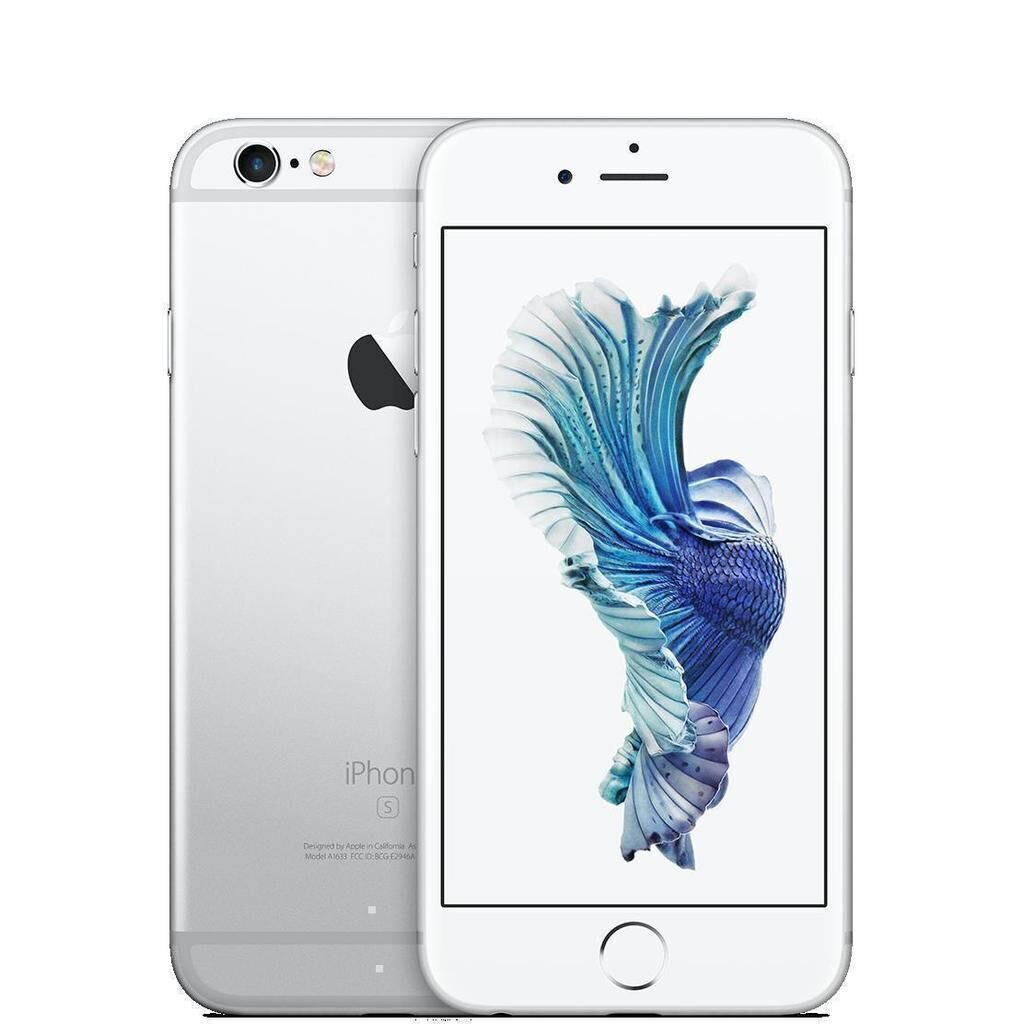
iPhone 7 vs iPhone SE (2020)
Shop iPhone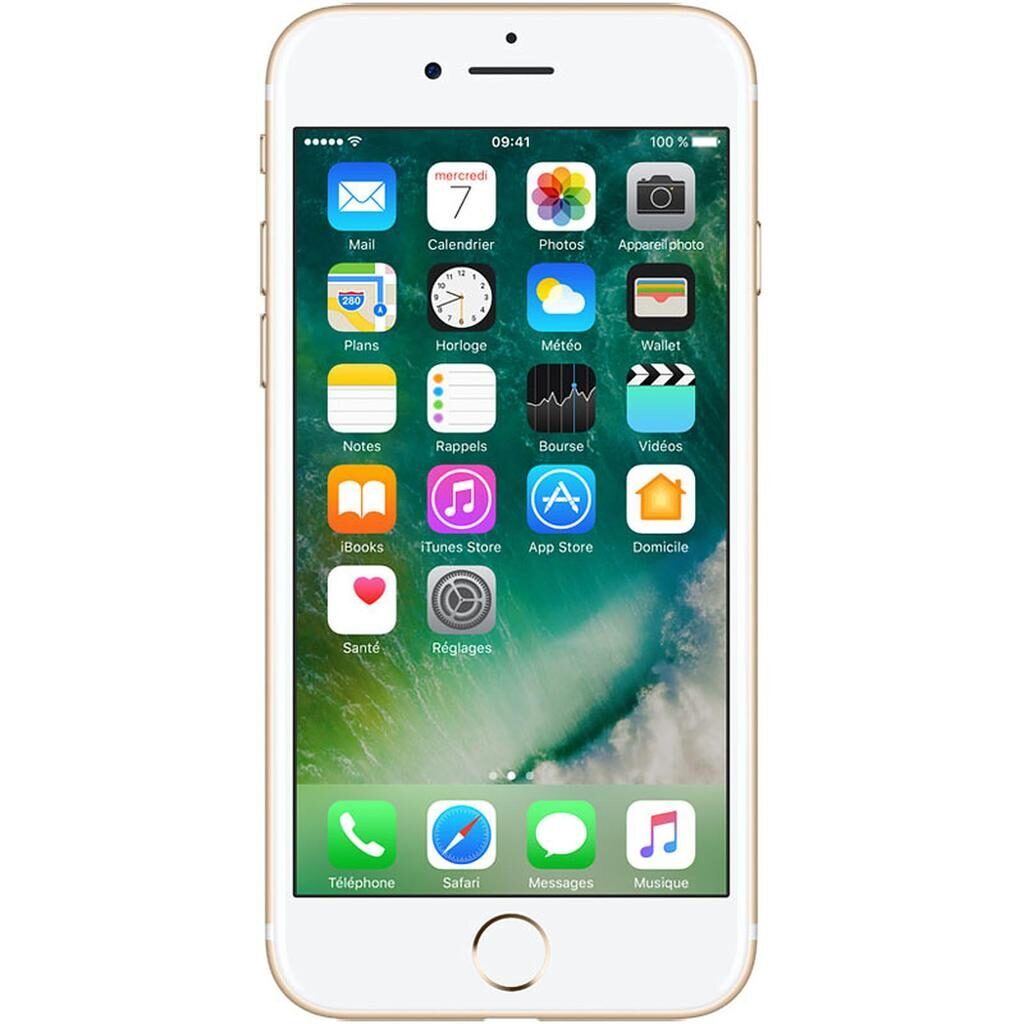
iPhone 7
Starting at
£66.24£179.00 new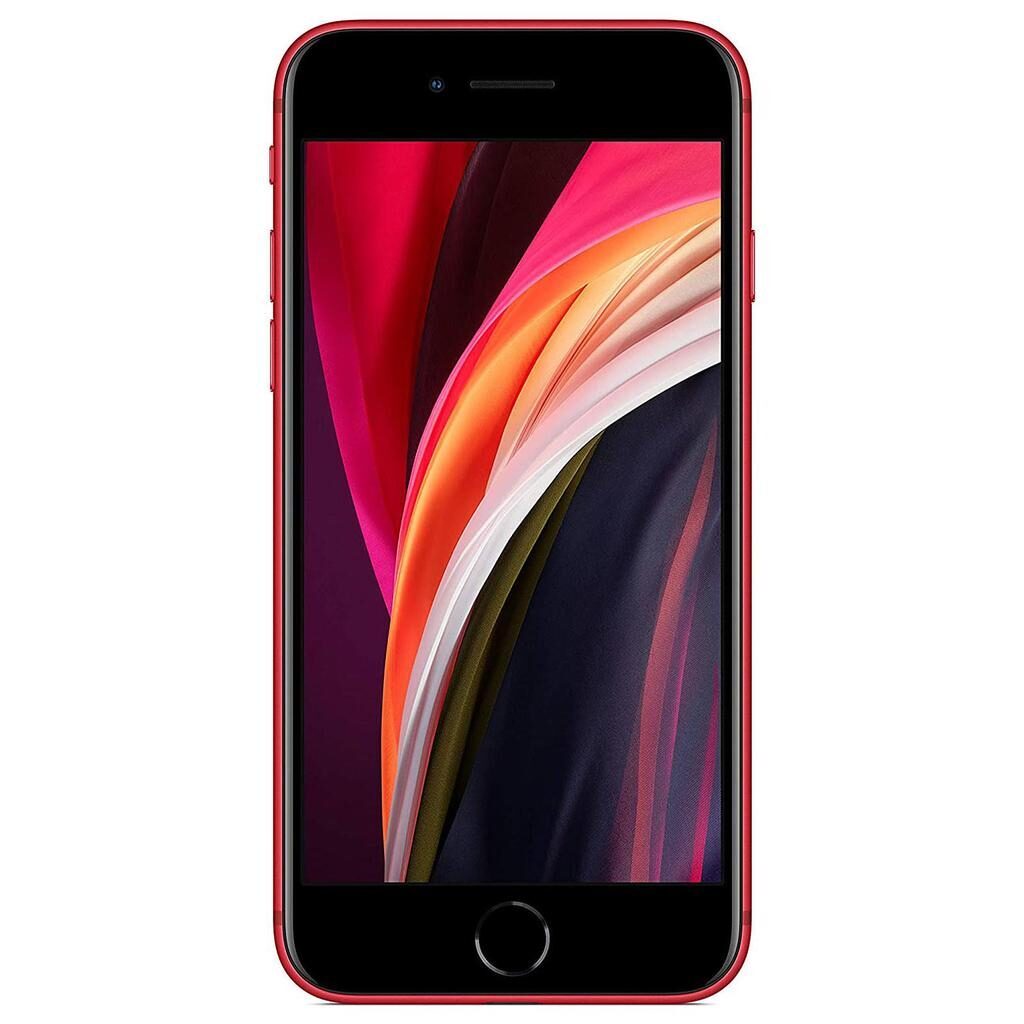
iPhone SE (2020)
Starting at
£75.11£289.00 newWhat's the difference between the iPhone 7 and iPhone SE (2020)?
iPhone 7 vs iPhone SE (2020) comes down to the chipset, RAM and software updates. Refurbished, the iPhone 7 starts at £66.24, £8.87 less than the iPhone SE (2020). The iPhone SE (2020) is the newer model, released in 2020.
Refurbished from
Chipset
RAM
Software updates
Weight
- Chipset: Apple A10 Fusion (16 nm) on the iPhone 7, Apple A13 Bionic on the iPhone SE (2020).
- The iPhone SE (2020) has more RAM: 3 GB vs 2 GB.
- The iPhone SE (2020) has longer software support: supported, up to iOS 27 vs ended Mar 2025, last iOS 15.
iPhone 7 vs iPhone SE (2020) specs
The iPhone 7 and iPhone SE (2020) share the same screen size, resolution and camera specifications, making them similar for everyday viewing and photos. It also supports both a physical SIM and eSIM, offering more flexibility for mobile plans. The iPhone 7 is lighter and comes in fewer storage options, which may suit those who want a simpler device for everyday use. Both phones use Lightning connectors and are unlocked for 4G networks, so connectivity and charging are similarly straightforward.
iPhone 7 vs iPhone SE (2020) price
Colour
iPhone 7 vs iPhone SE (2020) battery life and software updates
Durability here mainly relates to software support and physical design features. This affects how long the phone stays compatible with new apps and security features.
Software Updates
This suits users who want to keep their phone current with software improvements.
Physical Design
Neither phone is foldable, so both keep the traditional solid design you expect from iPhones. This means durability in handling and pocket fit will be similar for everyday use.
Battery
Foldable
Ip rating
Software updates
Wireless charging
Year of release
iPhone 7 vs iPhone SE (2020) performance
Chipset
RAM
iPhone 7 vs iPhone SE (2020) screen
Both phones have identical screen size, resolution and type. This means their displays deliver the same clarity and size for watching videos, browsing, and reading.
Display Size and Quality
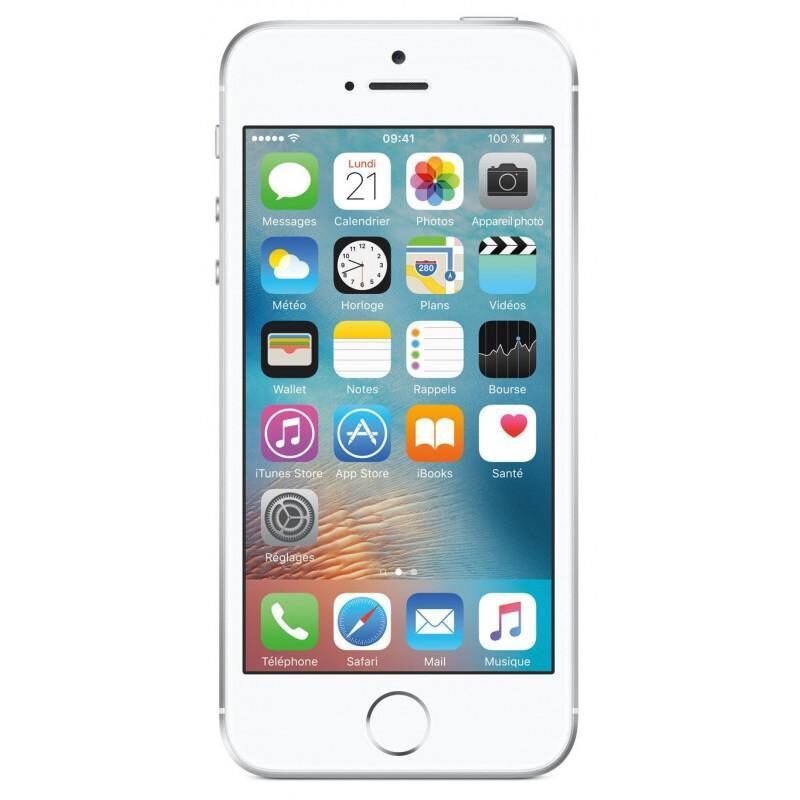
The iPhone 7 and iPhone SE (2020) both have a 4.7 inch Retina IPS LCD screen with a resolution of 750 by 1334 pixels. This provides a crisp, clear view that suits users who want a compact screen that is easy to hold and bright enough for everyday use.
Refresh rate
Resolution
Screen size
Screen type
iPhone 7 vs iPhone SE (2020) camera
Camera and front camera specs are the same for both phones, so the photo and video experience is similar for capturing moments and video calls.
Camera Resolution
Both the iPhone 7 and iPhone SE (2020) feature a 12 megapixel main camera and a 7 megapixel front camera. This allows detailed photos and clear selfies for users who value picture quality without complexity.
Front camera
Main camera
iPhone 7 vs iPhone SE (2020) size and design
Connectivity, SIM options and weight differ between the phones. These can affect how you use your mobile service and how the phone feels in hand.
SIM Card Options
The iPhone SE (2020) supports both a physical SIM and eSIM, which offers versatility if you want to use two mobile plans or switch carriers without changing a physical card. The iPhone 7 uses a physical SIM only, which suits users who prefer a straightforward SIM setup.
Weight
The iPhone 7 weighs 138 grams, making it lighter and possibly more comfortable for extended one-handed use or carrying in pockets. The iPhone SE (2020) weighs 148 grams, a small difference that is noticeable to some but does not affect everyday handling significantly.
Storage Options
PhoneMart stocks the iPhone 7 with 32GB and 128GB storage options. The iPhone SE (2020) comes in 64GB, 128GB and 256GB, giving more choices if you want extra space for apps, photos and files.
Other Connectivity
Both phones use the Lightning connector for charging and data, and are unlocked for 4G mobile networks. This means charging accessories and network compatibility will be similar for each.
Carrier compatibility
Connector
Depth
Height
Mobile network
Release date
SD card slot
SIM card
Weight
Width
iPhone 7 or iPhone SE (2020): which should you buy?
Buy the iPhone 7 if
- you want to spend less: it starts at £66.24, £8.87 less than the iPhone SE (2020)
- you want a lighter build (138 g vs 148 g)
Buy the iPhone SE (2020) if
- you want more RAM (3 GB vs 2 GB)
- you want longer software support (supported, up to iOS 27 vs ended Mar 2025, last iOS 15)
What our customers say
Customers describe the iPhone 7 as a reliable choice for everyday use, praising its battery life, speed and condition. Many say it looks like new and works well even after refurbishing. Some appreciate its simplicity for basic tasks like calls and texts. There are occasional mentions of minor scratches or difficulties with data transfer, but overall the iPhone 7 is seen as a solid, straightforward phone that suits those wanting a device for simple use or as a temporary phone.
The iPhone SE (2020) is highly rated for condition, performance and value. Customers note it feels like a brand new phone and appreciate its speed and smooth operation. The variety of storage options and the ability to handle parental controls make it popular for younger users. Some users mention battery popups related to non-official batteries but still find the phone reliable. The SE (2020) suits buyers wanting a phone that performs well with current software and offers flexibility for different mobile plans.
Overall, the iPhone 7 appeals to those looking for a lighter, simpler phone for everyday tasks, while the iPhone SE (2020) fits users who want longer software support, more storage choices and dual SIM options.
iPhone 7 vs iPhone SE (2020) FAQs
iPhone 7 vs iPhone SE (2020) comes down to the chipset, RAM and software updates. Chipset: Apple A10 Fusion (16 nm) on the iPhone 7, Apple A13 Bionic on the iPhone SE (2020). The iPhone SE (2020) has more RAM: 3 GB vs 2 GB.
The iPhone 7 is cheaper refurbished, from £66.24 compared with £75.11 for the iPhone SE (2020).
Both have the same main camera: 12 megapixels.
Updates for the iPhone 7 ended in Mar 2025. Its last version is iOS 15. The iPhone SE (2020) is still supported and can run iOS 27.
The iPhone SE (2020) adds more RAM (3 GB vs 2 GB) and longer software support (supported, up to iOS 27 vs ended Mar 2025, last iOS 15). Refurbished, it costs £8.87 more (from £75.11 vs £66.24).
Refurbished, the iPhone 7 comes in 32GB and 128GB, and the iPhone SE (2020) in 64GB, 128GB and 256GB.