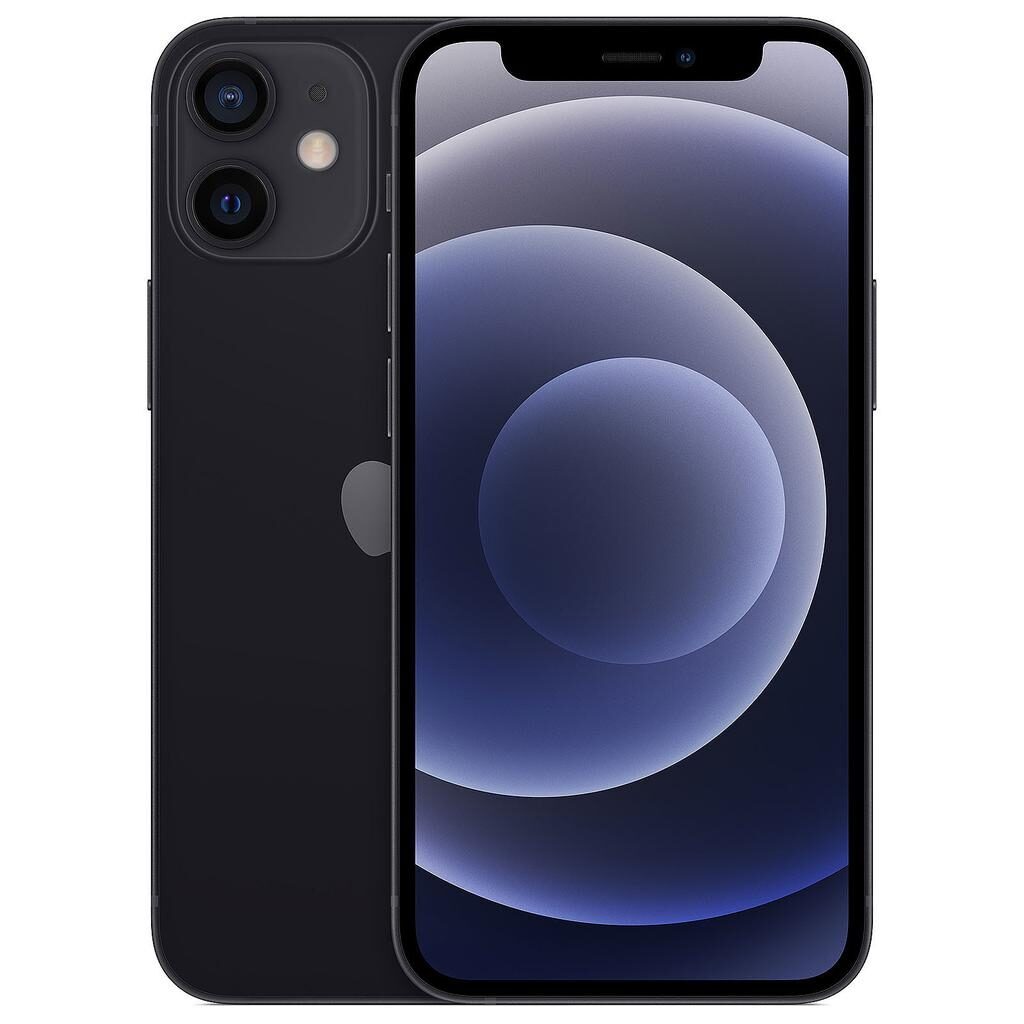
iPhone 12 vs iPhone SE (2016)
Shop iPhone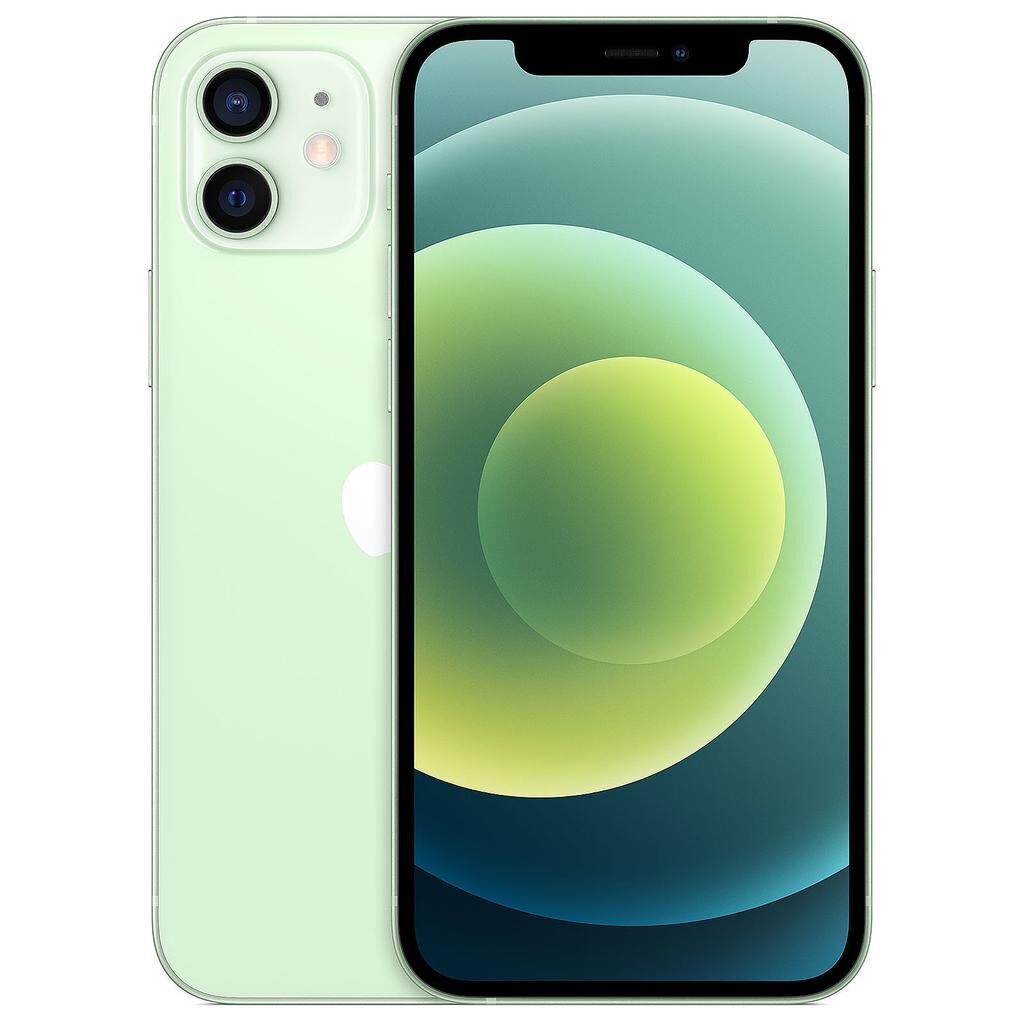
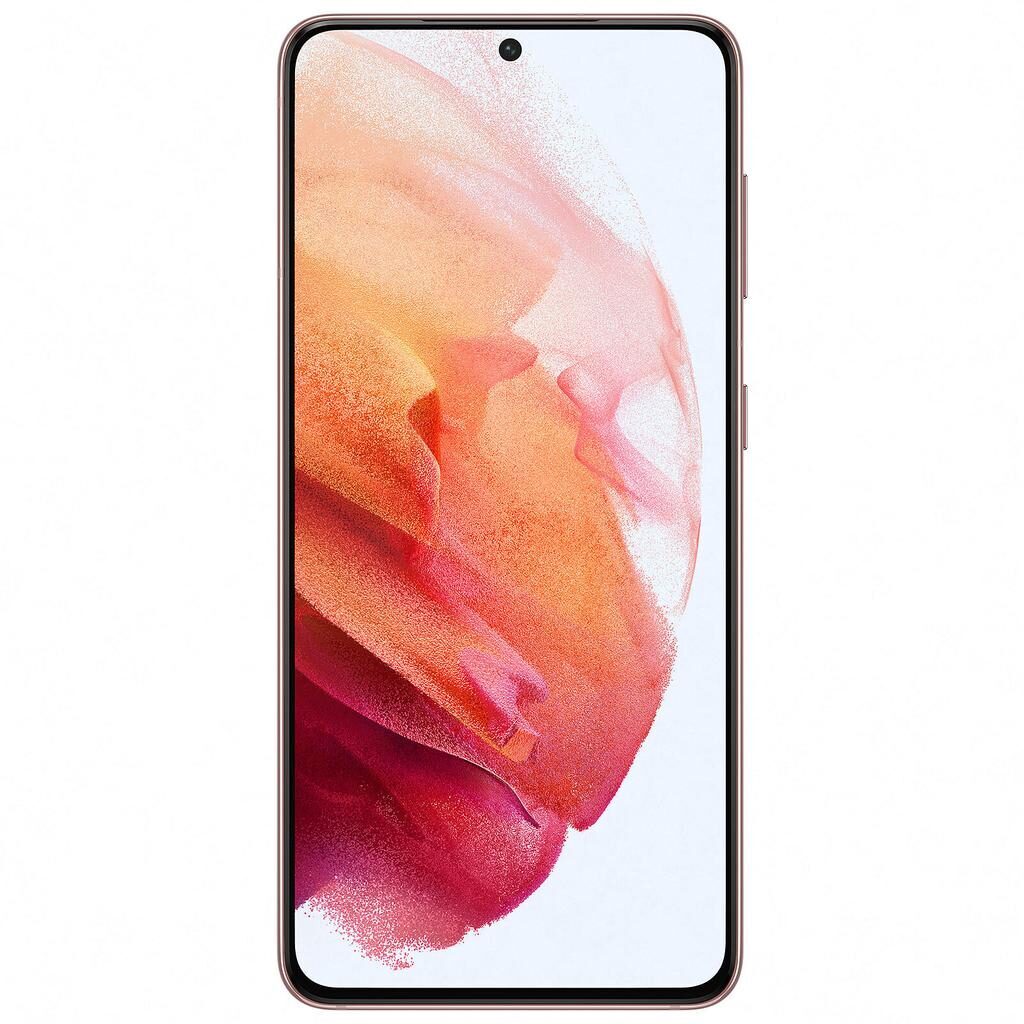
iPhone 12
Starting at
£170.00£649.00 new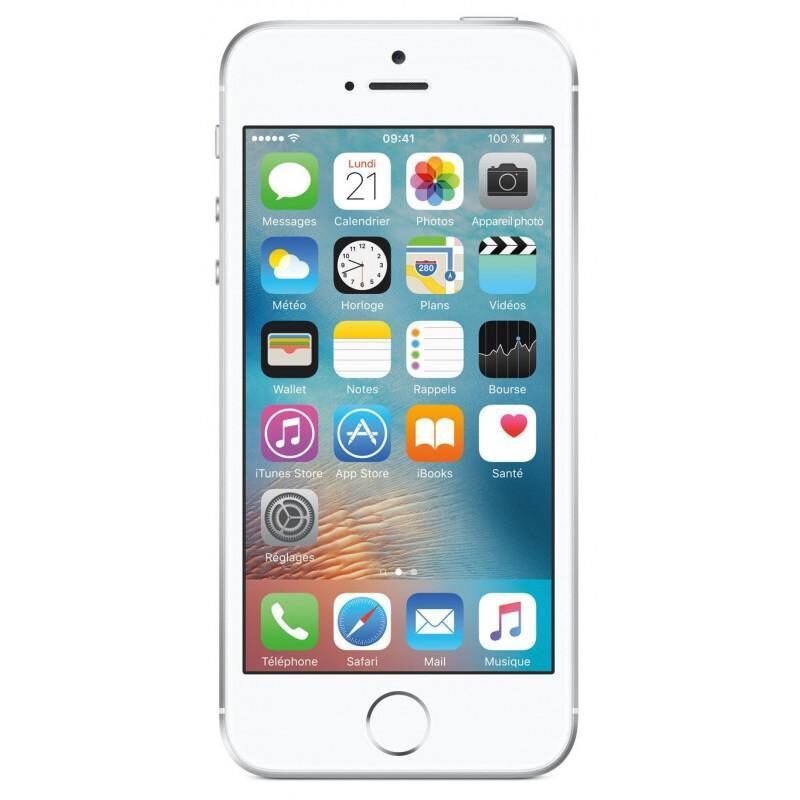
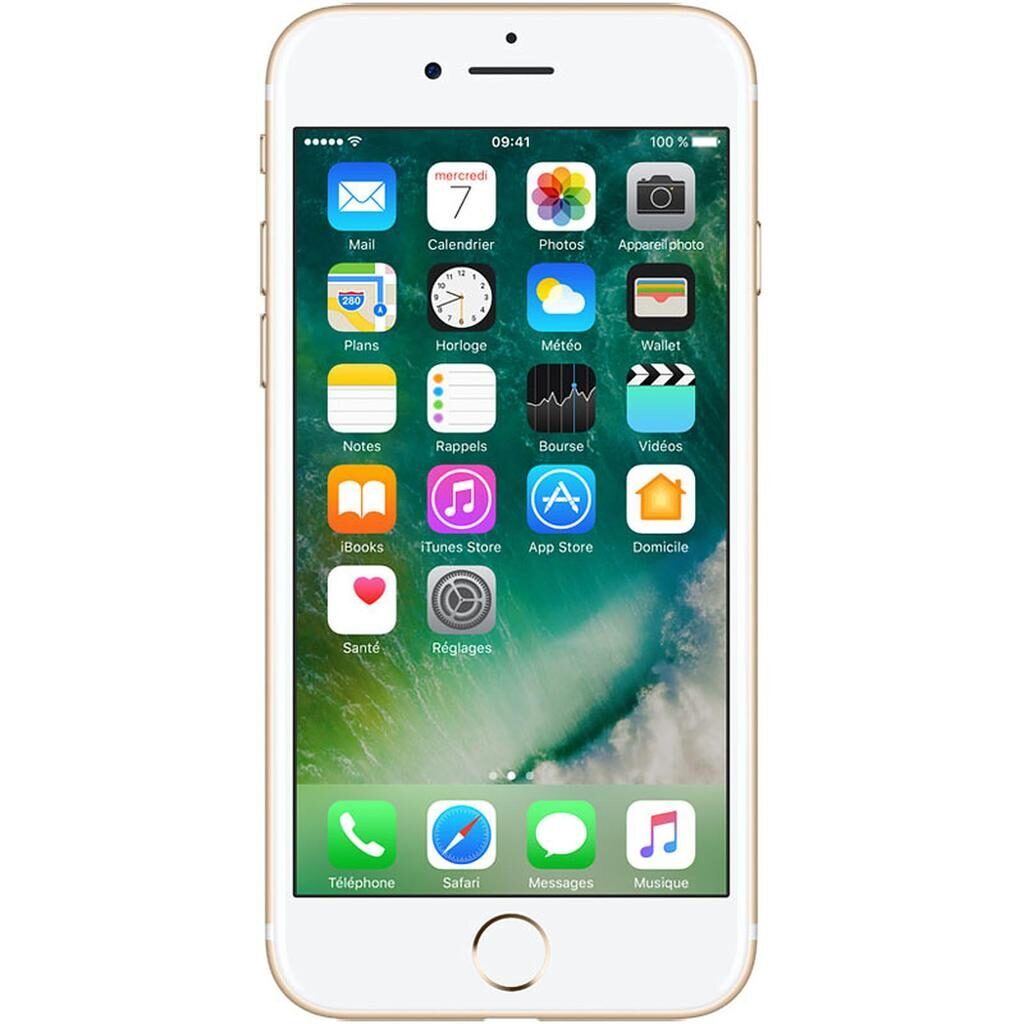
iPhone SE (2016)
Starting at
£192.40What's the difference between the iPhone 12 and iPhone SE (2016)?
iPhone 12 vs iPhone SE (2016) comes down to the chipset, RAM and battery. Refurbished, the iPhone 12 starts at £170, £22.40 less than the iPhone SE (2016). The iPhone 12 is the newer model, released in 2020.
Refurbished from
Chipset
RAM
Battery
Screen size
Screen type
- Chipset: Apple A14 Bionic (5 nm) on the iPhone 12, Apple A9 (14 nm) on the iPhone SE (2016).
- The iPhone 12 has more RAM: 4 GB vs 2 GB.
- The iPhone 12 has a bigger battery: 2815 mAh vs 1624 mAh.
iPhone 12 vs iPhone SE (2016) specs
The iPhone 12 and iPhone SE (2016) differ significantly in features suited to different users. The iPhone 12 offers a larger, higher resolution OLED screen and more RAM, supporting smooth multitasking and vibrant visuals. The iPhone SE (2016) has a smaller screen and a simpler design with a single main camera and a headphone jack. It is a good fit for those who prefer a compact device for everyday use and want a lower priced option. Both devices come unlocked and support Lightning connectors.
iPhone 12 vs iPhone SE (2016) price
Colour
iPhone 12 vs iPhone SE (2016) battery life and software updates
Durability covers battery capacity, update support, operating system, and device design. These factors influence how long the phone runs and stays current with software.
Battery Capacity
The iPhone 12 has a 2815 mAh battery, providing longer usage between charges compared to the iPhone SE (2016) with its 1624 mAh battery. This suits users who spend more time on their phones or prefer fewer charging interruptions.
Operating System
Both devices run iOS, offering a familiar Apple experience. This means app availability and general usage will be consistent across both models.
Battery
Foldable
Ip rating
Software updates
Wireless charging
Year of release
iPhone 12 vs iPhone SE (2016) performance
Performance is shaped by chipset, memory, and storage options. These determine how well the device handles apps, multitasking, and storage needs.
Chipset Efficiency
The iPhone 12 uses the Apple A14 Bionic chipset built on a 5 nm process, delivering efficient and powerful performance. The iPhone SE (2016) runs on the Apple A9 chipset with a 14 nm process, suited for everyday use and basic tasks.
Memory Capacity
With 4 GB of RAM, the iPhone 12 is well-positioned for smooth multitasking and running more complex apps simultaneously. The iPhone SE (2016) has 2 GB of RAM, which supports essential apps and simpler workflows.
Storage Options
The iPhone 12 is available in 64GB, 128GB, and 256GB versions, offering flexibility for different storage needs. The iPhone SE (2016) comes with 64GB, which is suitable for users with basic storage requirements.
Chipset
RAM
iPhone 12 vs iPhone SE (2016) screen
Screen quality impacts how you view content, from video to reading. Size, resolution, and screen technology all affect clarity and comfort.
Screen Size and Resolution
The iPhone 12 features a 6.1 inch display with a resolution of 1170 x 2532, providing a spacious and sharp viewing experience. The iPhone SE (2016) has a 4 inch screen at 640 x 1136 resolution, which suits users who prefer a smaller device and more compact display.
Display Technology
The iPhone 12 uses a Super Retina XDR OLED screen that delivers richer colours and deeper blacks. The iPhone SE (2016) has an IPS LCD screen, which offers good colour accuracy and brightness for everyday use.
Refresh rate
Resolution
Screen size
Screen type
iPhone 12 vs iPhone SE (2016) camera
Audiovisual features cover cameras and front-facing sensors, important for photos, video calls, and selfies.
Camera Setup
The iPhone 12 has a double main camera system, giving more flexibility for photography. The iPhone SE (2016) comes with a single main camera. Both have 12 megapixels on the main camera, so photo resolution is the same but the iPhone 12 offers more shooting options.
Front Camera Details
For selfies and video calls, the iPhone 12 has a 12 megapixel front camera, providing higher detail. The iPhone SE (2016) has a 1.2 megapixel front camera, suitable for basic front-facing photos and calls.
Camera type
Front camera
Main camera
iPhone 12 vs iPhone SE (2016) size and design
Miscellaneous features include physical size, network connectivity, and ports, all of which affect everyday convenience and compatibility.
Size and Weight
The iPhone 12 measures 146.7 mm tall, 71.5 mm wide, and 7.4 mm deep, weighing 164 g. The iPhone SE (2016) is more compact at 123.8 mm tall, 58.6 mm wide, and 7.6 mm deep, with a lighter weight of 113 g. Choose based on your preference for a larger or more pocket-friendly device.
Network Compatibility
The iPhone 12 supports 5G networks, allowing for faster mobile data speeds where available. The iPhone SE (2016) supports 4G networks, sufficient for everyday browsing and communication.
Connectivity and Ports
Both phones use the Lightning connector for charging and accessories. The iPhone SE (2016) also includes a 3.5 mm headphone jack, which is convenient if you prefer wired headphones without an adapter. The iPhone 12 supports both a physical SIM and an eSIM, offering more flexibility with mobile plans, while the iPhone SE (2016) has a physical SIM only.
Carrier compatibility
Connector
Depth
Height
Mobile network
SD card slot
SIM card
Weight
Width
iPhone 12 or iPhone SE (2016): which should you buy?
Buy the iPhone 12 if
- you want to spend less: it starts at £170, £22.40 less than the iPhone SE (2016)
- you want more RAM (4 GB vs 2 GB)
- you want a bigger battery (2815 mAh vs 1624 mAh)
Buy the iPhone SE (2016) if
- you want a lighter build (113 g vs 162 g)
- you want a headphone jack
What our customers say
Customers who chose the iPhone 12 appreciate its condition and performance. Many report the phone looks and feels like new with clean glass and no marks. The battery life is praised, especially when a new battery is included. Users find the A14 Bionic chip delivers smooth performance for apps, multitasking, and even photo editing. The larger screen and higher resolution make watching videos and browsing more enjoyable. Customers also value the phone being updated to recent iOS versions and working well for everyday use.
Users of the iPhone SE (2016) often mention it as a practical choice for a lower price. The smaller size appeals to those wanting a compact device. Battery life is generally good for typical daily use, though some note it may require occasional charging aids like power banks. Customers find the phone reliable for essential tasks and appreciate that it runs iOS, even if it does not support the latest updates. The headphone jack and lighter weight are positives for certain users.
Overall, the iPhone 12 suits those wanting a larger, more powerful device with the latest software and network speeds. The iPhone SE (2016) fits buyers content with a simpler, smaller phone for everyday use and a lower price.
iPhone 12 vs iPhone SE (2016) FAQs
iPhone 12 vs iPhone SE (2016) comes down to the chipset, RAM and battery. Chipset: Apple A14 Bionic (5 nm) on the iPhone 12, Apple A9 (14 nm) on the iPhone SE (2016). The iPhone 12 has more RAM: 4 GB vs 2 GB.
The iPhone 12 is cheaper refurbished, from £170 compared with £192.40 for the iPhone SE (2016).
The iPhone 12 has a bigger battery: 2815 mAh vs 1624 mAh.
Both have the same main camera: 12 megapixels.
The iPhone 12 is still supported and can run iOS 27. Updates for the iPhone SE (2016) ended in Mar 2025. Its last version is iOS 15.
The iPhone 12 adds more RAM (4 GB vs 2 GB), a bigger battery (2815 mAh vs 1624 mAh) and a bigger screen (6.1 inch vs 4 inch). Refurbished, it costs £22.40 less (from £170 vs £192.40).
Refurbished, the iPhone 12 comes in 64GB, 128GB and 256GB, and the iPhone SE (2016) in 64GB.