Google Pixel 4 vs iPhone 8
Shop Google Pixel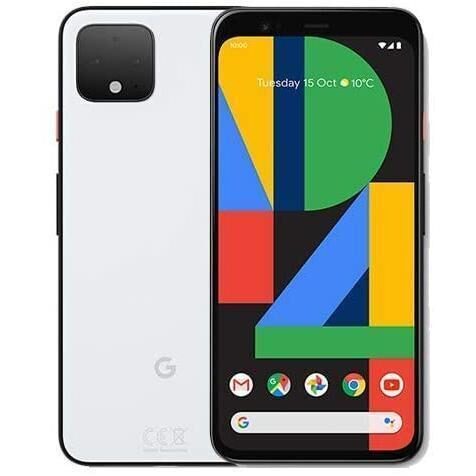
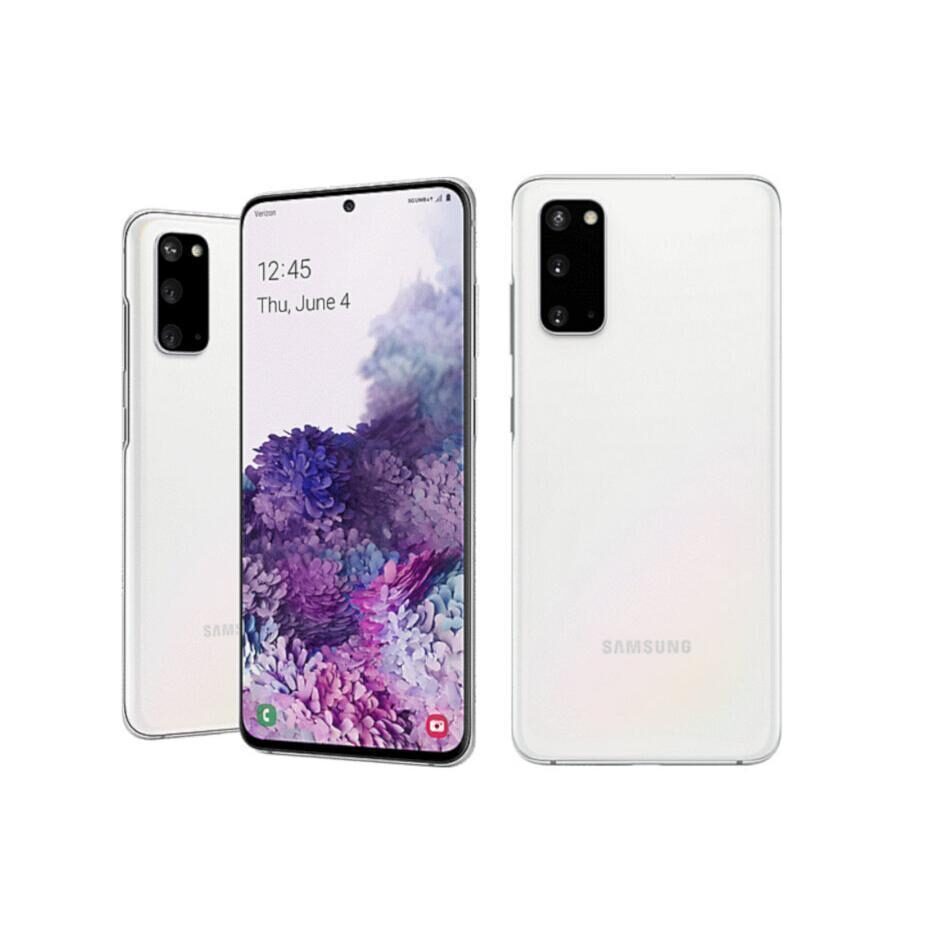
Google Pixel 4
Starting at
£131.91
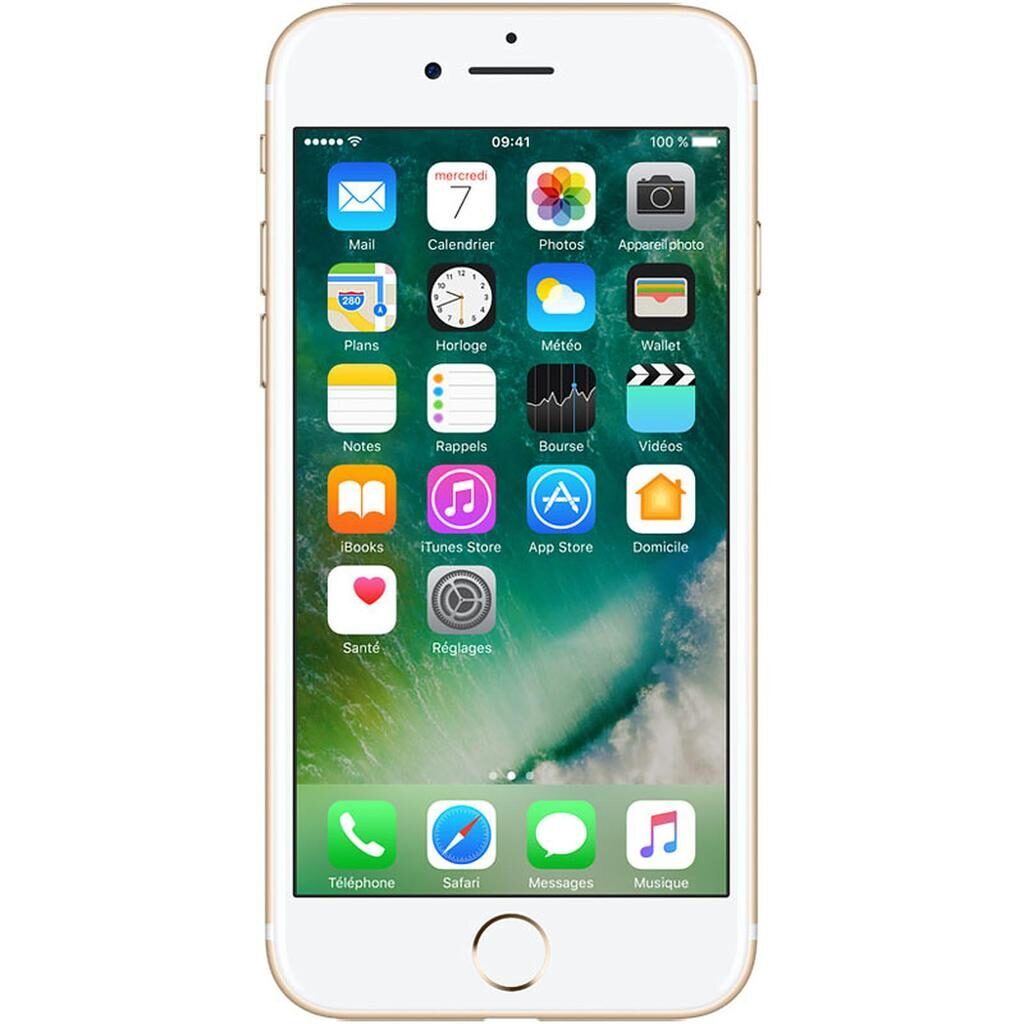
iPhone 8
Starting at
£90.00£399.00 newWhat's the difference between the Google Pixel 4 and iPhone 8?
Google Pixel 4 vs iPhone 8 comes down to the chipset, RAM and battery. Refurbished, the iPhone 8 starts at £90, £41.91 less than the Google Pixel 4. The Google Pixel 4 is the newer model, released in 2019.
Refurbished from
Chipset
RAM
Battery
Screen size
Screen type
- Chipset: Qualcomm SM8150 Snapdragon 855 (7 nm) on the Google Pixel 4, Apple A11 Bionic on the iPhone 8.
- The Google Pixel 4 has more RAM: 6 GB vs 2 GB.
- The Google Pixel 4 has a bigger battery: 2800 mAh vs 1821 mAh.
Google Pixel 4 vs iPhone 8 specs
The Google Pixel 4 and iPhone 8 differ in screen size, camera resolution, memory, and battery capacity. The Pixel 4 offers a larger, higher resolution P-OLED screen and more RAM, which suits users who want roomier displays and smoother multitasking. The iPhone 8 has a smaller Retina IPS LCD screen and fewer gigabytes of RAM, fitting well for those who prefer a compact phone with familiar iOS features. Pixel 4's battery capacity is higher, which may support longer use between charges. Storage options include up to 256GB on the iPhone 8, offering more space for apps and photos. Both phones support 4G and come unlocked, but the Pixel 4 includes an eSIM alongside its physical SIM, which may appeal to users wanting dual SIM functionality.
Google Pixel 4 vs iPhone 8 price
Colour
- WhiteSold out
- BlackSold out
Storage
- 64GBSold out
- 128GBSold out
Google Pixel 4 vs iPhone 8 battery life and software updates
Battery size and operating system affect how each phone performs over time and what software experience you get.
Battery Capacity
The Google Pixel 4 has a 2800 mAh battery capacity, which is higher than the iPhone 8's 1821 mAh. This extra capacity can help the Pixel 4 last longer between charges, useful for heavier daily use or longer periods away from power sources.
Operating System
The Pixel 4 runs Android while the iPhone 8 runs iOS. Your choice may depend on which ecosystem you prefer or already use, as each offers different apps and user experiences.
Battery
Foldable
Ip rating
Software updates
Wireless charging
Year of release
Google Pixel 4 vs iPhone 8 performance
Processor type, RAM, and storage affect how quickly apps run and how many can stay open at once. Both phones offer storage options up to 128GB, with the iPhone 8 also available in 256GB for extra space.
Processor and RAM
The Google Pixel 4 uses a Qualcomm SM8150 Snapdragon 855 chipset paired with 6 GB of RAM, allowing it to handle multitasking and demanding apps effectively. The iPhone 8 uses the Apple A11 Bionic chipset with 2 GB of RAM, which suits everyday use and simpler multitasking.
Storage Choices
Both phones offer 64GB and 128GB storage options, but the iPhone 8 also comes in 256GB. This larger capacity may suit users needing more space for apps, photos, and media without relying on cloud storage.
Chipset
RAM
Google Pixel 4 vs iPhone 8 screen
Screen size, resolution, and type influence how you see content and interact with your phone. The Pixel 4's larger and higher resolution screen offers more space and sharper images, while the iPhone 8's smaller screen suits those wanting a compact device.
Screen Size and Resolution
The Google Pixel 4 has a 5.7 inch screen with a resolution of 1080 x 2280, which provides a sharper and more spacious display for watching videos or browsing. The iPhone 8 has a 4.7 inch screen with 750 x 1334 resolution, offering a smaller but still clear viewing experience.
Screen Type
Pixel 4 uses a P-OLED screen, which generally produces deeper blacks and more vibrant colours. The iPhone 8 features a Retina IPS LCD, known for accurate colours and brightness. Your preference may vary depending on what kind of display you find easier on the eyes.
Refresh rate
Resolution
Screen size
Screen type
Google Pixel 4 vs iPhone 8 camera
Camera resolution determines photo detail, while front cameras affect quality for selfies and video calls. Both phones have similar main camera megapixels, with slight differences in front camera resolution.
Main Camera
The Google Pixel 4 has a 12.2 megapixel main camera, very slightly higher than the iPhone 8's 12 megapixels. Both are capable of capturing detailed photos, suitable for everyday photography.
Front Camera
The Pixel 4 offers an 8 megapixel front camera compared to the iPhone 8's 7 megapixels. This may provide marginally clearer selfies or video calls for Pixel 4 users.
Front camera
Main camera
Google Pixel 4 vs iPhone 8 size and design
Connections, dimensions, and SIM options affect how you use the phone daily and how it fits in your hand or pocket. Both phones offer unlocked 4G network compatibility but differ in ports and SIM support.
SIM Card Options
The Google Pixel 4 supports both a physical SIM and eSIM, allowing use of two mobile plans at once. The iPhone 8 supports a physical SIM only. Dual SIM functionality in the Pixel 4 suits users who want separate numbers or travel frequently.
Connector Type
Pixel 4 uses a USB-C connector, common on many modern Android devices. The iPhone 8 uses Apple's Lightning connector, which fits its accessories and chargers.
Size and Weight
The Pixel 4 measures 147.1 mm in height, 68.8 mm in width, and 8.2 mm in depth, weighing 162 g. The iPhone 8 is 138.4 mm tall, 67.3 mm wide, and 7.3 mm thick, weighing 148 g. The iPhone 8's smaller footprint suits those who prefer a more compact device.
Carrier compatibility
Connector
Depth
Height
Mobile network
Release date
SD card slot
SIM card
Weight
Width
Google Pixel 4 or iPhone 8: which should you buy?
Buy the Google Pixel 4 if
- you want more RAM (6 GB vs 2 GB)
- you want a bigger battery (2800 mAh vs 1821 mAh)
- you want a bigger screen (5.7 inch vs 4.7 inch)
Buy the iPhone 8 if
- you want to spend less: it starts at £90, £41.91 less than the Google Pixel 4
- you want a lighter build (148 g vs 162 g)
What our customers say
Customers appreciate the Google Pixel 4 for its condition and performance, often noting that it looks like new and has good battery life. Many praise its suitability for everyday use and multitasking, with positive remarks on the screen and overall functionality. Some mention issues with face lock and screen defects, but many find it meets their needs well. The Pixel 4 is seen as a phone that can do what users want, with some reports of battery health concerns.
For the iPhone 8, customers commonly say it looks nearly new and runs smoothly. The battery health often meets expectations, and the device is praised for being reliable and easy to use. Several mention its solid feel and good screen condition, while some note minor marks but nothing that affects use. The availability of storage up to 256GB is appreciated by those needing more space. The iPhone 8 appeals to users who want a dependable iOS phone with a compact size and familiar interface.
In summary, the Pixel 4 suits users who value a larger screen, more RAM, and dual SIM options, while the iPhone 8 fits those seeking a smaller iPhone with ample storage and solid performance for everyday tasks.
Google Pixel 4 vs iPhone 8 FAQs
Google Pixel 4 vs iPhone 8 comes down to the chipset, RAM and battery. Chipset: Qualcomm SM8150 Snapdragon 855 (7 nm) on the Google Pixel 4, Apple A11 Bionic on the iPhone 8. The Google Pixel 4 has more RAM: 6 GB vs 2 GB.
The iPhone 8 is cheaper refurbished, from £90 compared with £131.91 for the Google Pixel 4.
The Google Pixel 4 has a bigger battery: 2800 mAh vs 1821 mAh.
The Google Pixel 4 has 12.2 megapixels and the iPhone 8 has 12 megapixels.
Updates for the Google Pixel 4 ended in Oct 2022. Its last version is Android 13. Updates for the iPhone 8 ended in Mar 2025. Its last version is iOS 16.
Refurbished, the Google Pixel 4 comes in 64GB and 128GB, and the iPhone 8 in 64GB, 128GB and 256GB.