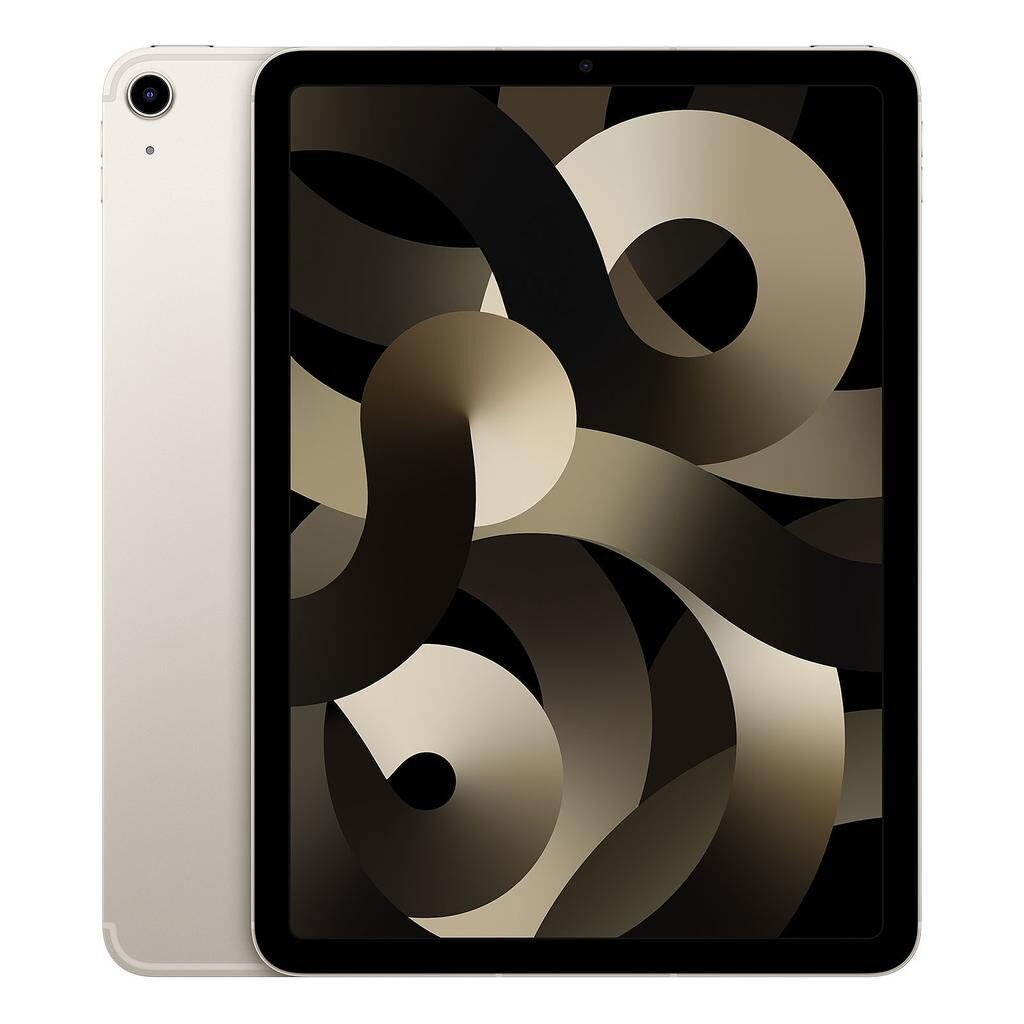
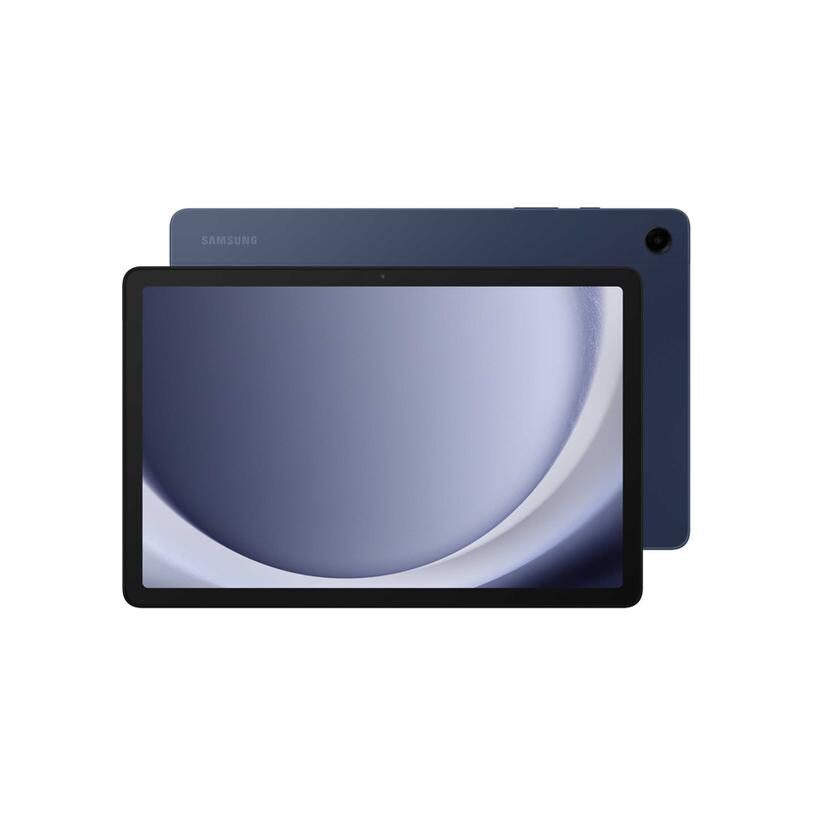
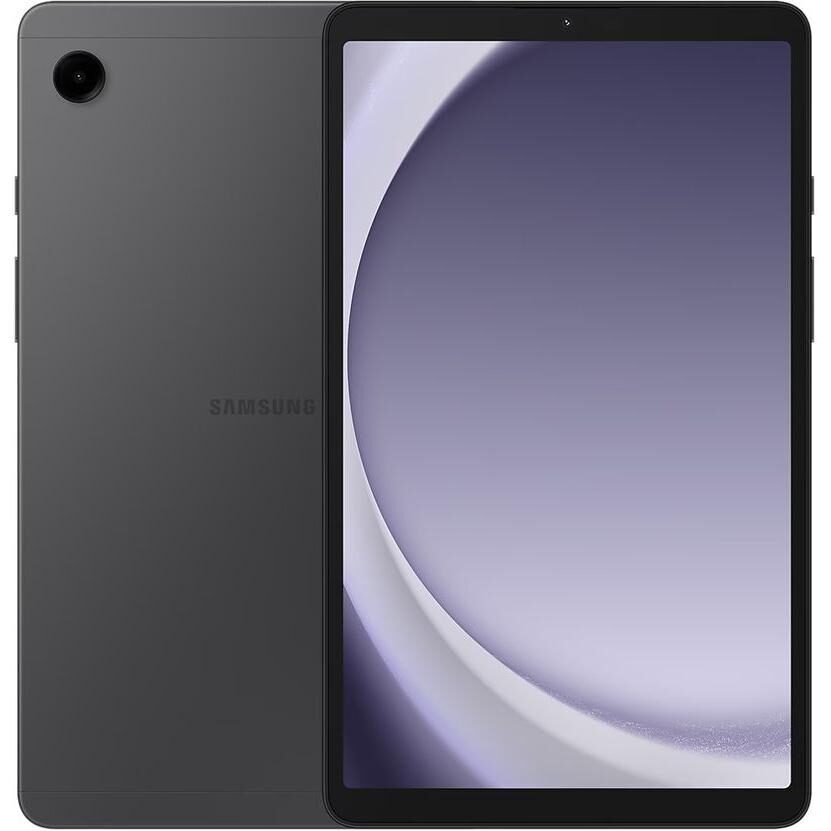
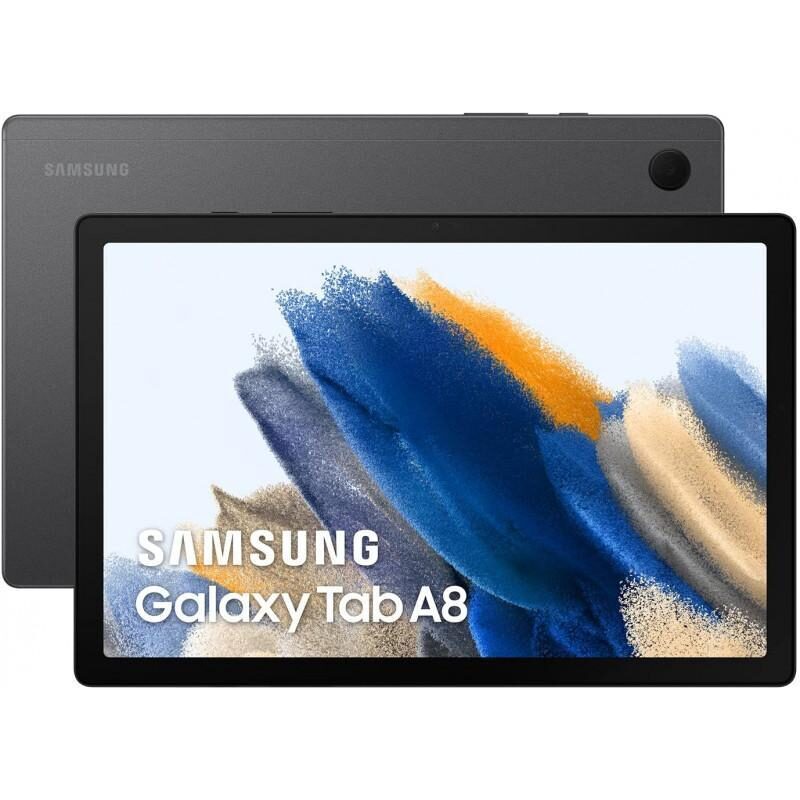
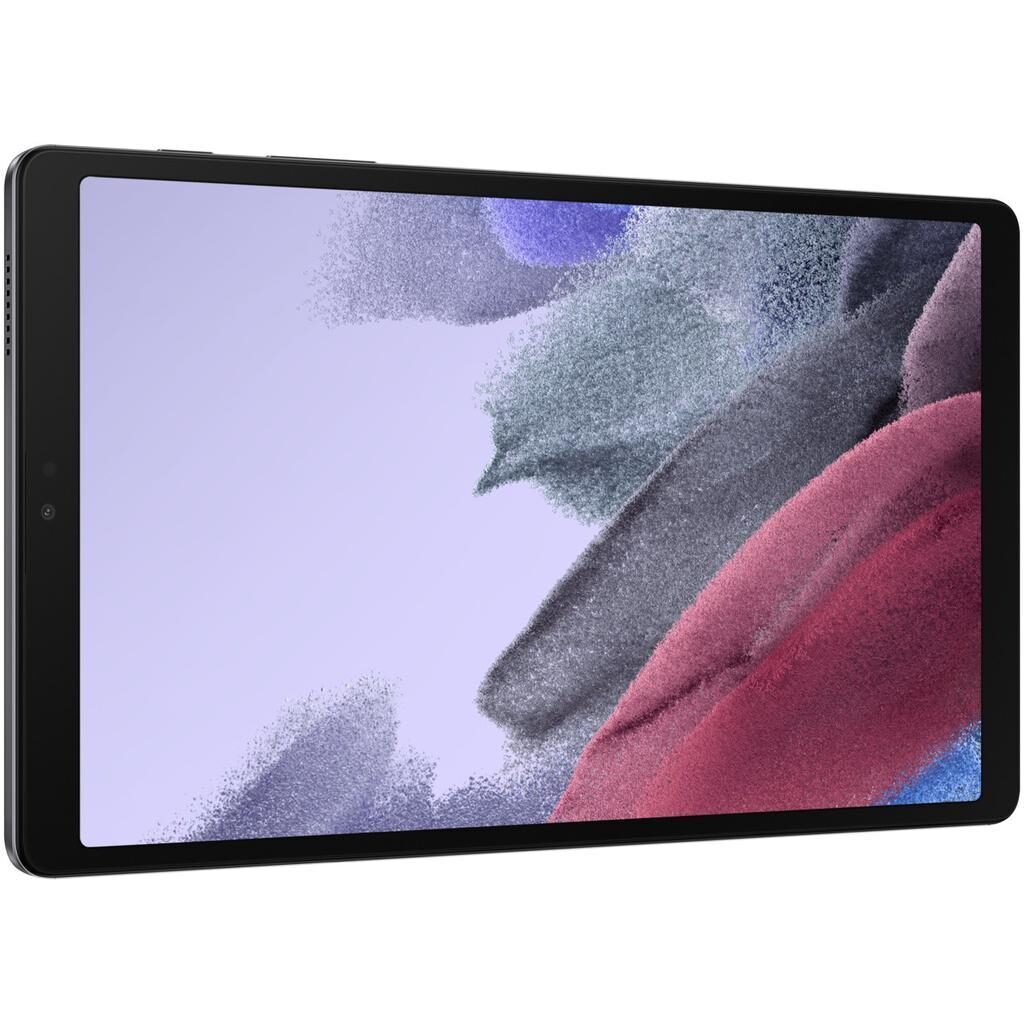
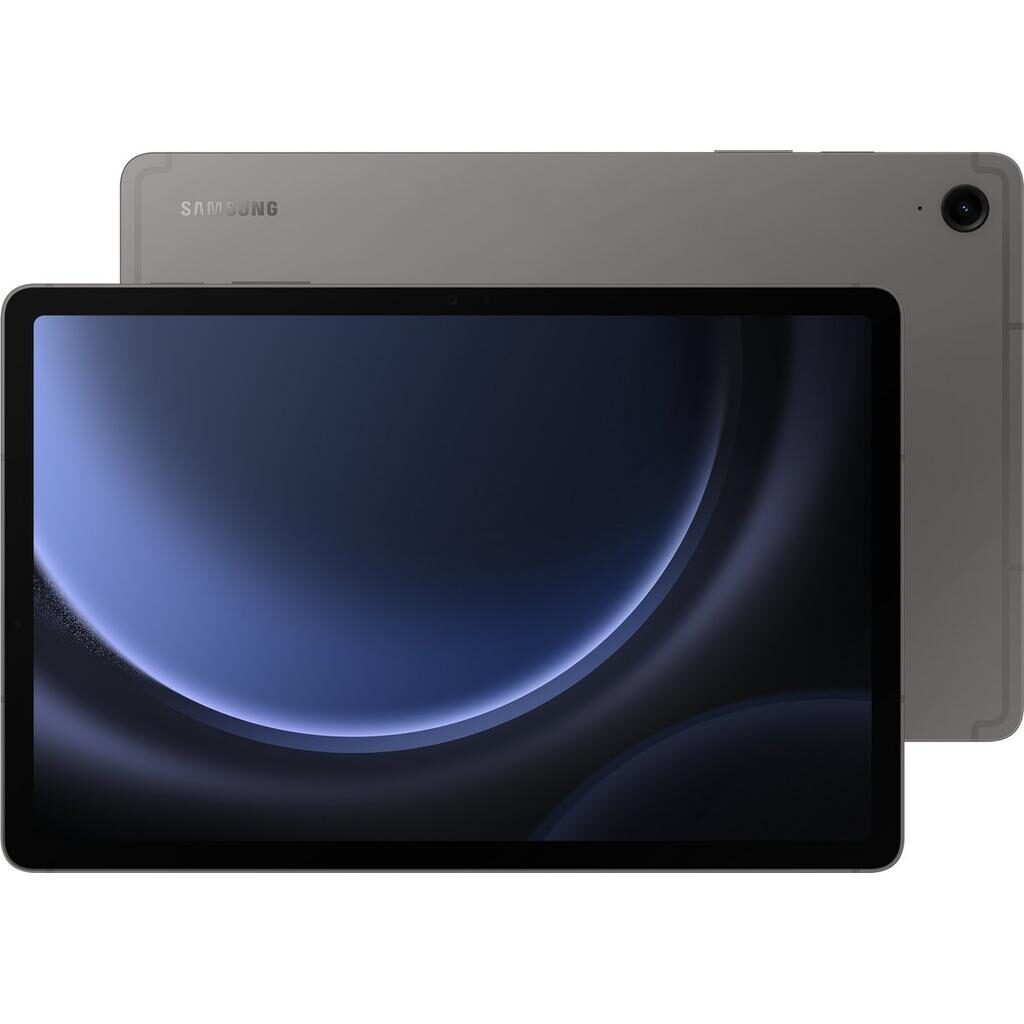
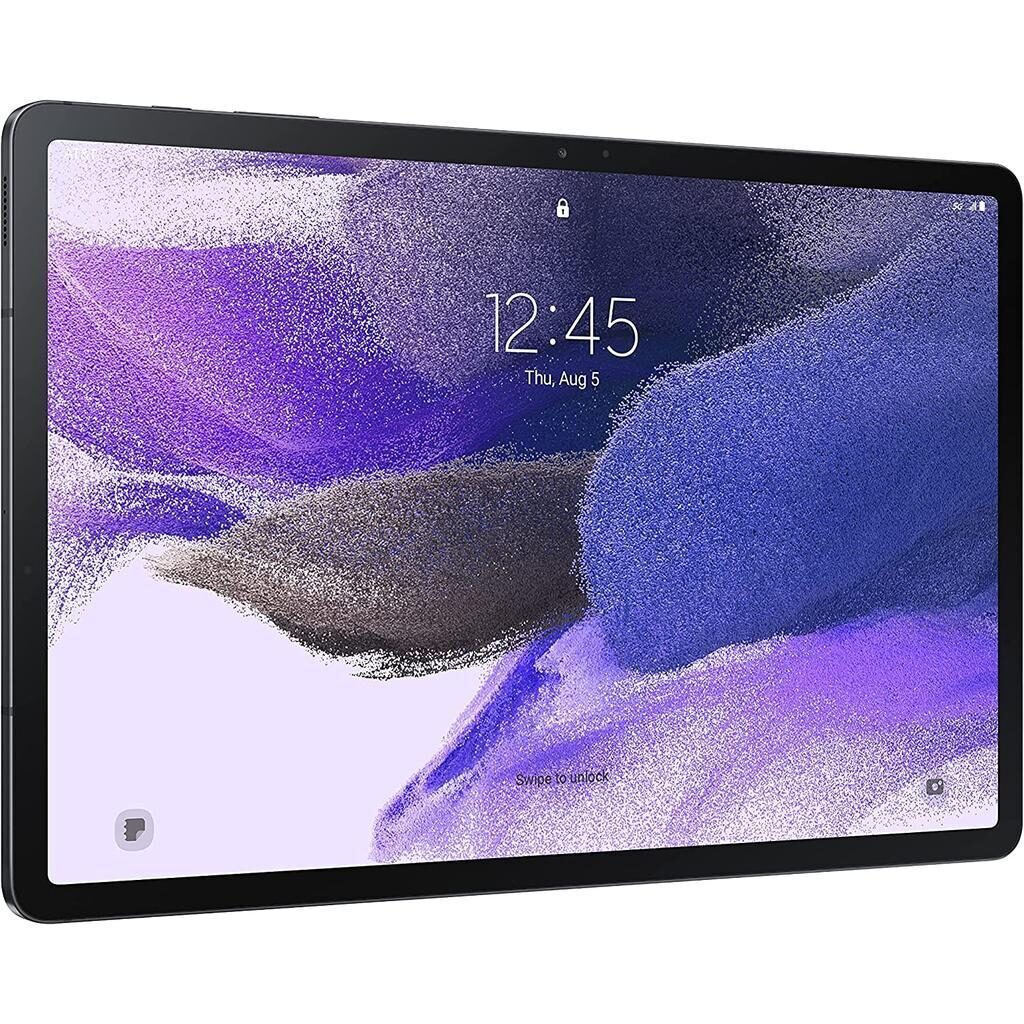
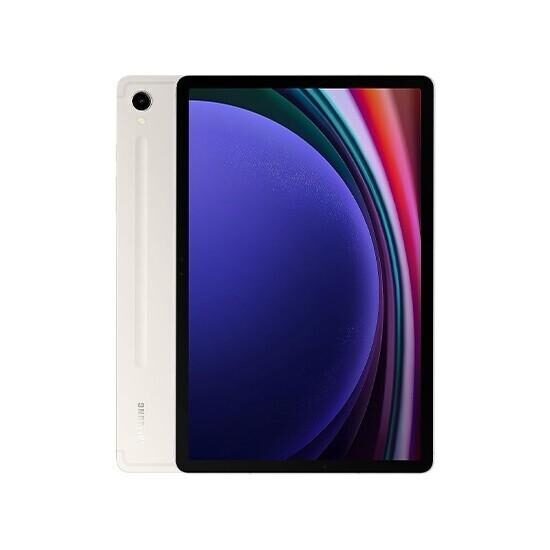
Galaxy Tab S3 (9.7", 2017) vs Galaxy Tab S8 (11.0", 2022)
Shop Samsung Galaxy Tab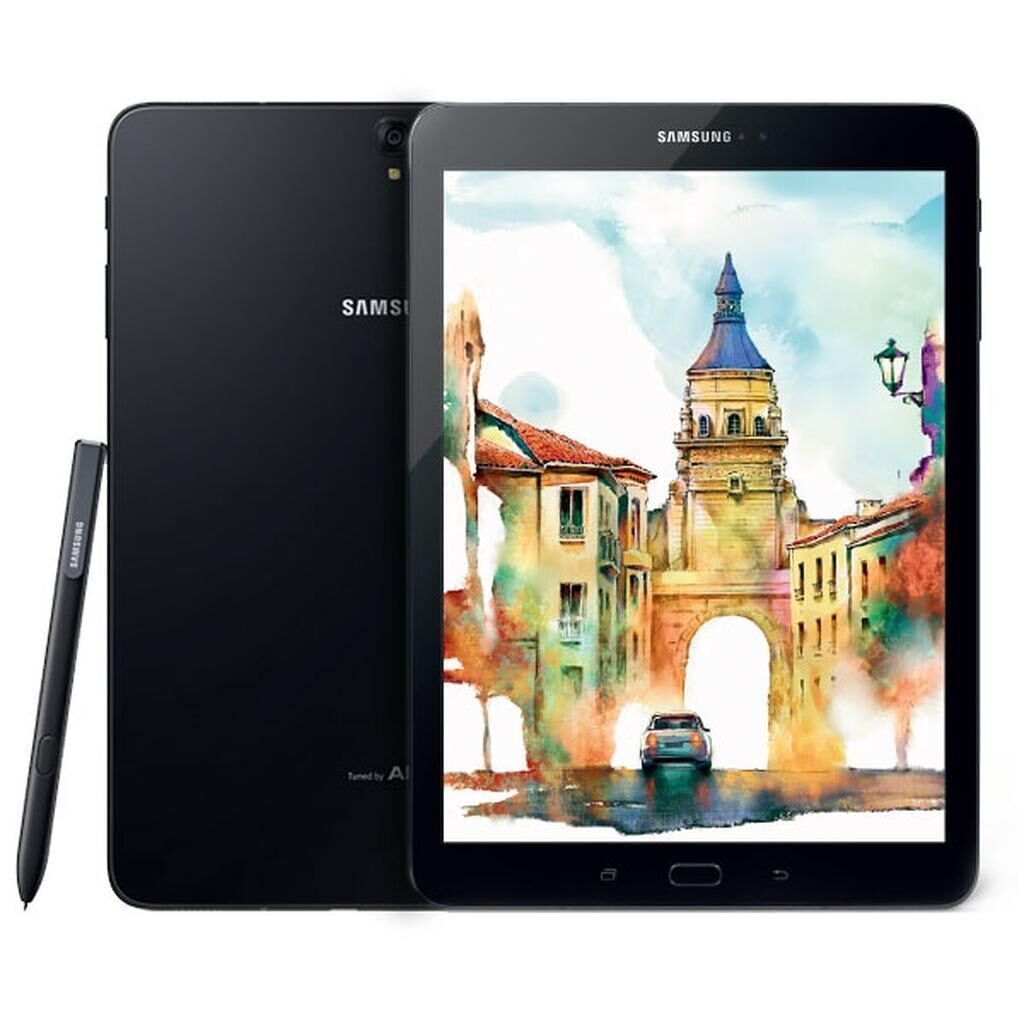
Galaxy Tab S3 (9.7", 2017)
Starting at
£103.06£599.00 new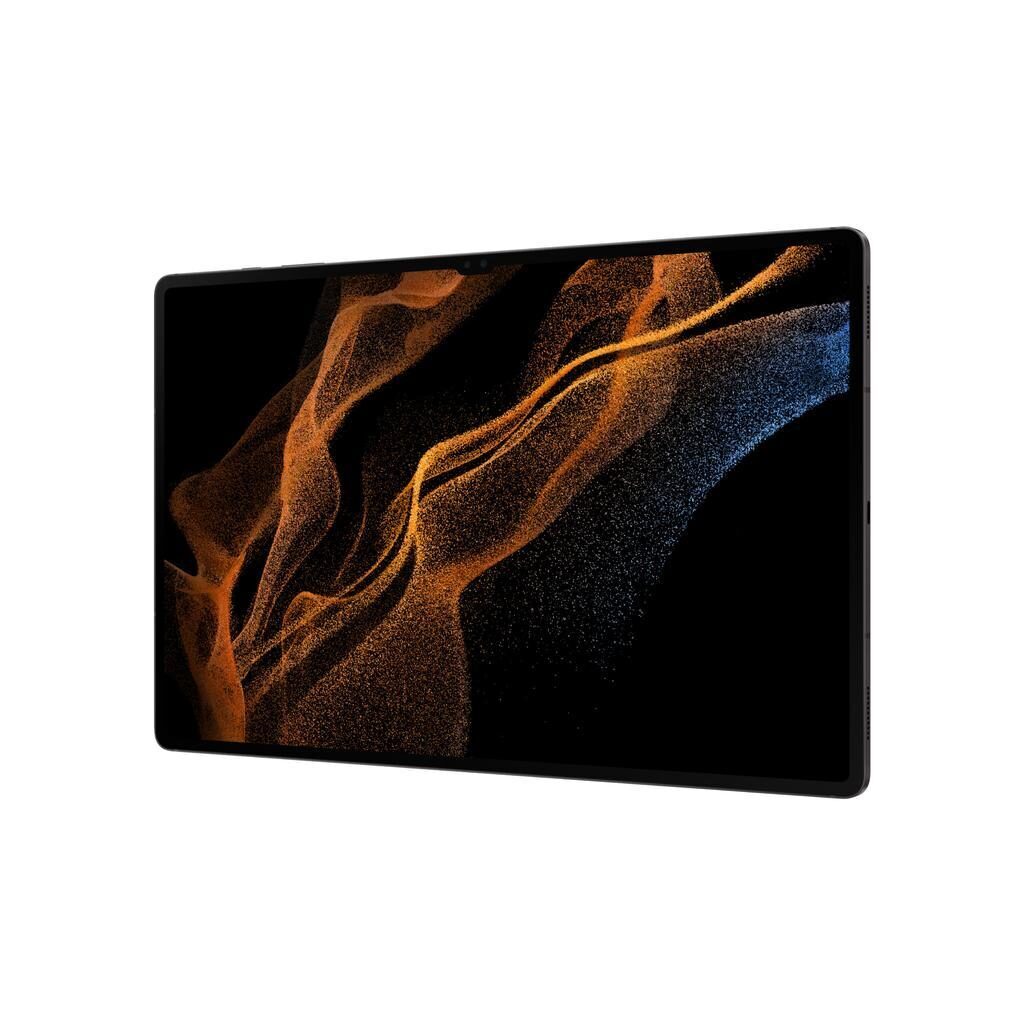
Galaxy Tab S8 (11.0", 2022)
Starting at
£324.36£649.00 newWhat's the difference between the Galaxy Tab S3 (9.7", 2017) and Galaxy Tab S8 (11.0", 2022)?
Galaxy Tab S3 (9.7", 2017) vs Galaxy Tab S8 (11.0", 2022) comes down to the chipset, RAM and battery. Refurbished, the Galaxy Tab S3 (9.7", 2017) starts at £103.06, £221.30 less than the Galaxy Tab S8 (11.0", 2022). The Galaxy Tab S8 (11.0", 2022) is the newer model, released in 2022.
Refurbished from
Chipset
RAM
Battery
Screen size
Screen type
- Chipset: Qualcomm MSM8996 Snapdragon 820 (14 nm) on the Galaxy Tab S3 (9.7", 2017), Qualcomm SM8450 Snapdragon 8 Gen 1 (4 nm) on the Galaxy Tab S8 (11.0", 2022).
- The Galaxy Tab S8 (11.0", 2022) has more RAM: 8 GB vs 4 GB.
- The Galaxy Tab S8 (11.0", 2022) has a bigger battery: 8000 mAh vs 6000 mAh.
Galaxy Tab S3 (9.7", 2017) vs Galaxy Tab S8 (11.0", 2022) specs
The Galaxy Tab S3 and Galaxy Tab S8 differ in size, performance, screen type, battery capacity, and software support. The Galaxy Tab S3 has a smaller 9.7 inch Super AMOLED screen, suitable if you prefer a compact tablet with sharp colours. The Galaxy Tab S8 offers a larger 11.0 inch TFT LCD screen with a higher resolution and 120Hz refresh rate, ideal if you want more screen space and smoother visuals. Performance is stronger on the Galaxy Tab S8 with a faster processor and more RAM, suited to heavier multitasking or demanding apps. Battery capacity is higher on the Galaxy Tab S8, supporting longer use between charges. Both devices support a stylus and provide stereo speakers.
Galaxy Tab S3 (9.7", 2017) vs Galaxy Tab S8 (11.0", 2022) price
Colour
Galaxy Tab S3 (9.7", 2017) vs Galaxy Tab S8 (11.0", 2022) battery life and software updates
Durability covers battery size and software support, which affect how long the device lasts each charge and how current the operating system is. These differences influence daily use and long-term value.
Battery Capacity
The Galaxy Tab S3 has a 6000 mAh battery, which supports general daily use. The Galaxy Tab S8 has a larger 8000 mAh battery, helping it last longer between charges. If you use your tablet for extended periods away from power, the Galaxy Tab S8's higher capacity may be better suited.
Battery
Maximum operating system supported
Year of release
Galaxy Tab S3 (9.7", 2017) vs Galaxy Tab S8 (11.0", 2022) performance
Performance affects how smoothly the tablet runs apps, handles multitasking, and manages storage. These specs matter for everyday tasks and demanding uses.
Processor Speed and Chipset
The Galaxy Tab S3 uses a Qualcomm MSM8996 Snapdragon 820 processor running at 2.1500 GHz. The Galaxy Tab S8 features a Qualcomm SM8450 Snapdragon 8 Gen 1 chipset with a 3.00 GHz processor. The higher speed and newer chipset of the Galaxy Tab S8 provide more power for complex apps and multitasking.
Memory and Storage
The Galaxy Tab S3 comes with 4 GB of RAM and 32 GB of storage in the versions we stock. The Galaxy Tab S8 offers 8 GB of RAM and larger storage options of 128 GB or 256 GB. More RAM on the Galaxy Tab S8 helps keep multiple apps open smoothly, while the bigger storage suits those who need more space for files and media.
Chipset
Processor
Processor brand
Processor core
Processor speed ghz
RAM
Galaxy Tab S3 (9.7", 2017) vs Galaxy Tab S8 (11.0", 2022) screen
Screen quality includes size, resolution, type, and protection. These affect viewing comfort, clarity, and durability during everyday use.
Screen Size and Resolution
The Galaxy Tab S3 has a 9.7 inch screen with a resolution of 1536 by 2048 pixels. The Galaxy Tab S8 has a larger 11.0 inch screen with a higher resolution of 1600 by 2560 pixels. The larger screen on the Galaxy Tab S8 offers more room for video, reading, and multitasking.
Screen Type and Pixel Density
The Galaxy Tab S3 uses a Super AMOLED screen with a pixel density of 270 ppi, known for vivid colours and deep blacks. The Galaxy Tab S8 features a TFT LCD screen with a slightly higher pixel density of 280 ppi, which still provides clear images but with different colour characteristics. Your choice depends on whether you prefer the contrast of AMOLED or the look of LCD.
Display Glass
The Galaxy Tab S3 has glass front protection, while the Galaxy Tab S8 uses Corning Gorilla Glass 5. Gorilla Glass 5 offers enhanced resistance to scratches and impacts, which may provide added peace of mind for durability.
Display glass
Pixel density
Resolution
Screen size
Screen type
Galaxy Tab S3 (9.7", 2017) vs Galaxy Tab S8 (11.0", 2022) camera
Audiovisual features cover cameras, video capabilities, and speakers. These affect video calls, photography, and media playback.
Camera Resolution
Both tablets have a 13 megapixel rear camera, suitable for general photos. For selfies or video calls, the Galaxy Tab S3 has a 5 MP front camera, while the Galaxy Tab S8 offers a 12 megapixel front camera, capturing more detail for clearer video chats.
Video Recording and Speakers
The Galaxy Tab S3 supports 4K video recording at 30 frames per second. The Galaxy Tab S8 improves on this with 4K video recording at 60 frames per second, providing smoother motion in videos. Both devices have four stereo speakers, delivering good audio for media and calls.
Front camera
Front camera definition
Main camera
Rear camera definition
Speakers
Video recording
Webcam
Galaxy Tab S3 (9.7", 2017) vs Galaxy Tab S8 (11.0", 2022) size and design
Miscellaneous features include refresh rate, connectivity, size, and stylus support. These affect user experience in multiple ways.
Refresh Rate
The Galaxy Tab S8 supports a 120Hz refresh rate, which makes animations and scrolling appear smoother. The Galaxy Tab S3 does not have this feature. If you value fluid screen motion, the Galaxy Tab S8 is suitable.
Connectivity and Ports
The Galaxy Tab S3 includes a 3.5 mm headphone jack alongside USB Type-C, allowing use of standard wired headphones without adapters. The Galaxy Tab S8 uses USB Type-C only for audio output, which may require USB-C headphones or adapters. Bluetooth versions also differ, with the Galaxy Tab S3 supporting 4.2 and the Galaxy Tab S8 5.2 for improved wireless connectivity.
Size and Weight
The Galaxy Tab S3 is smaller and lighter, measuring 237.3 mm in height, 169 mm wide, 6 mm deep, and weighing 426 g. The Galaxy Tab S8 is taller and slightly narrower at 253.8 mm height and 165.3 mm width, a bit thicker at 6.3 mm, and heavier at 503 g. The Galaxy Tab S3 suits those wanting a lighter, more compact tablet.
Stylus Support
Both tablets support the use of a stylus, which allows for precise drawing and note-taking. The Galaxy Tab S8 includes the original stylus with recharging capabilities, while customer reviews note that the Galaxy Tab S3 often requires purchasing a replacement pen separately.
120hz
Bluetooth version
Carrier compatibility
Connector
Depth
Double sim
Headphones connectivity
Height
Megapixels
Sim format
Touch
Weight
Width
Wifi technology
With stylus pencil
Galaxy Tab S3 (9.7", 2017) or Galaxy Tab S8 (11.0", 2022): which should you buy?
Buy the Galaxy Tab S3 (9.7", 2017) if
- you want to spend less: it starts at £103.06, £221.30 less than the Galaxy Tab S8 (11.0", 2022)
- you want an OLED screen
- you want a lighter build (426 g vs 503 g)
Buy the Galaxy Tab S8 (11.0", 2022) if
- you want more RAM (8 GB vs 4 GB)
- you want a bigger battery (8000 mAh vs 6000 mAh)
- you want a bigger screen (11.0 inch vs 9.7 inch)
What our customers say
Customers who bought the Galaxy Tab S3 appreciate its condition and smooth performance for browsing and streaming. Many mention the tablet looks like new and offers good value. Some note that the stylus is not included, requiring a separate purchase. Battery life is praised for lasting through a full day, and the device is generally reliable for everyday use. A few customers mention minor screen scratches that do not interfere with use.
Reviews for the Galaxy Tab S8 highlight its excellent condition and strong performance. Customers enjoy the larger, clear screen and smooth operation without lag. Battery life is solid, supporting all-day use, though some charge nightly for reassurance. The original stylus is often included, which is appreciated. Some customers mention the device looks and feels like new, with minor expected marks in fair condition models. A few reviewers note they received Wi-Fi only versions when expecting SIM compatibility.
Both devices suit different needs. The Galaxy Tab S3 fits buyers looking for a compact, capable tablet for everyday tasks, while the Galaxy Tab S8 appeals to those wanting faster performance, more screen space, and up-to-date software.
Galaxy Tab S3 (9.7", 2017) vs Galaxy Tab S8 (11.0", 2022) FAQs
Galaxy Tab S3 (9.7", 2017) vs Galaxy Tab S8 (11.0", 2022) comes down to the chipset, RAM and battery. Chipset: Qualcomm MSM8996 Snapdragon 820 (14 nm) on the Galaxy Tab S3 (9.7", 2017), Qualcomm SM8450 Snapdragon 8 Gen 1 (4 nm) on the Galaxy Tab S8 (11.0", 2022). The Galaxy Tab S8 (11.0", 2022) has more RAM: 8 GB vs 4 GB.
The Galaxy Tab S3 (9.7", 2017) is cheaper refurbished, from £103.06 compared with £324.36 for the Galaxy Tab S8 (11.0", 2022).
The Galaxy Tab S8 (11.0", 2022) has a bigger battery: 8000 mAh vs 6000 mAh.
The Galaxy Tab S8 (11.0", 2022) adds more RAM (8 GB vs 4 GB), a bigger battery (8000 mAh vs 6000 mAh) and a bigger screen (11.0 inch vs 9.7 inch). Refurbished, it costs £221.30 more (from £324.36 vs £103.06).
Refurbished, the Galaxy Tab S3 (9.7", 2017) comes in 32GB, and the Galaxy Tab S8 (11.0", 2022) in 128GB and 256GB.