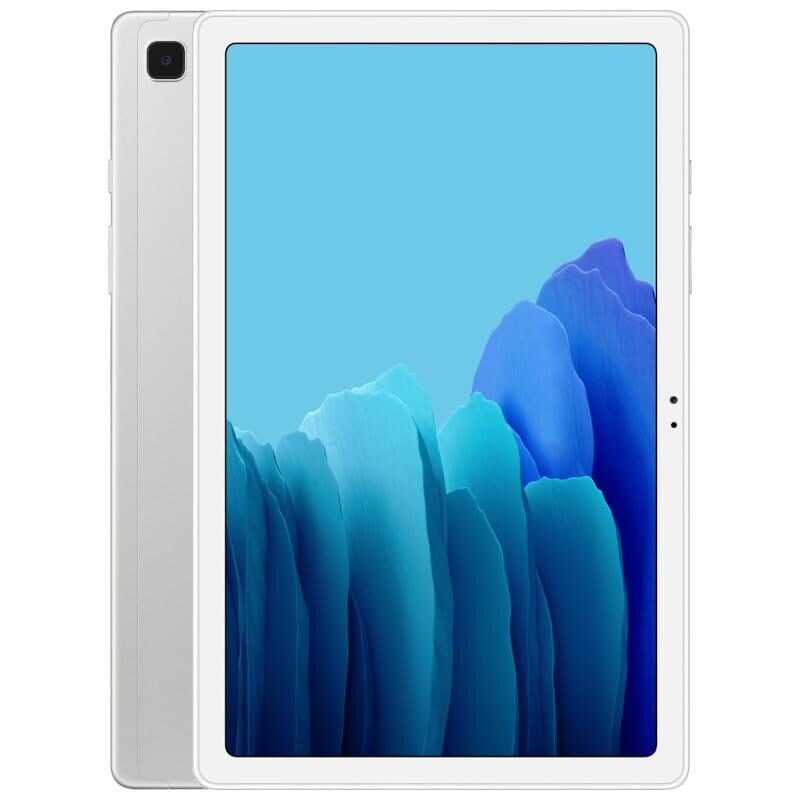
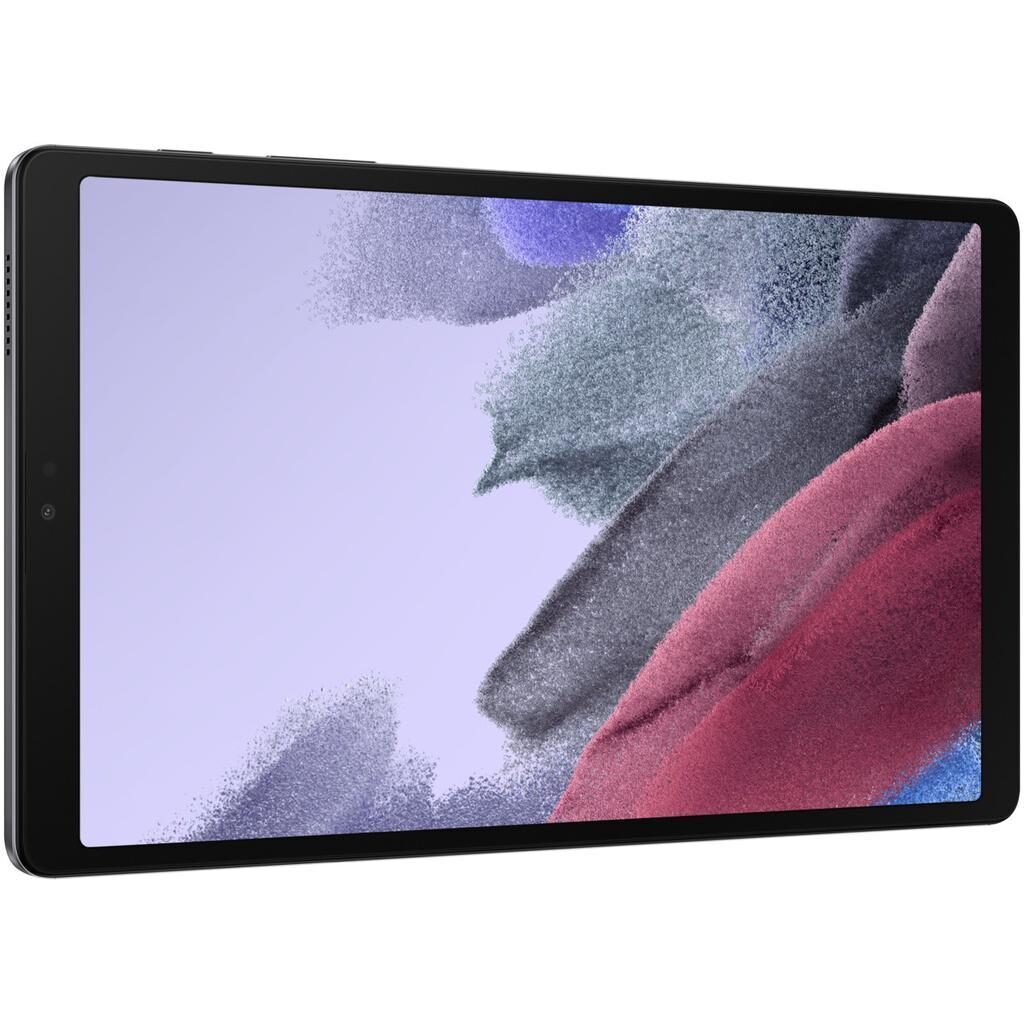
Galaxy Tab S7 FE (12.4", 2021) vs Galaxy Tab S8 (11.0", 2022)
Shop Samsung Galaxy Tab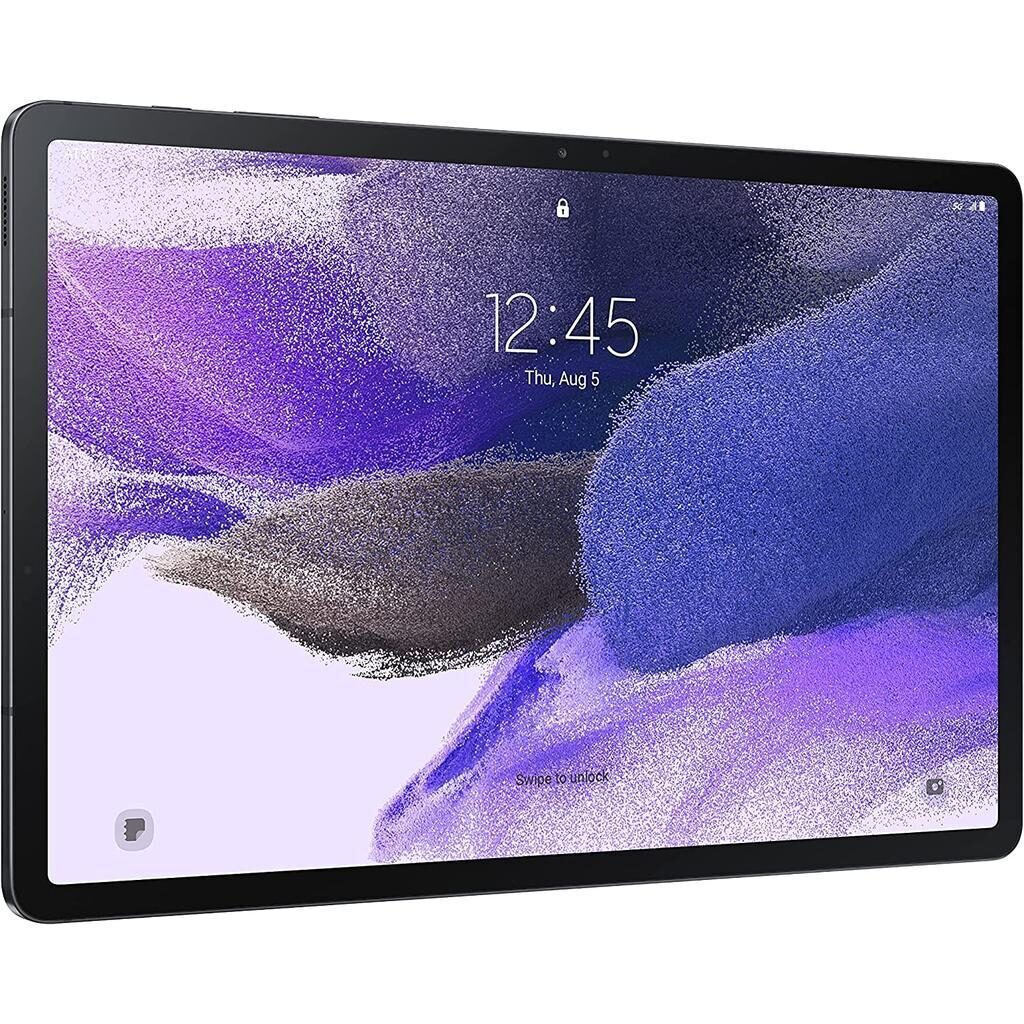
Galaxy Tab S7 FE (12.4", 2021)
Starting at
£160.00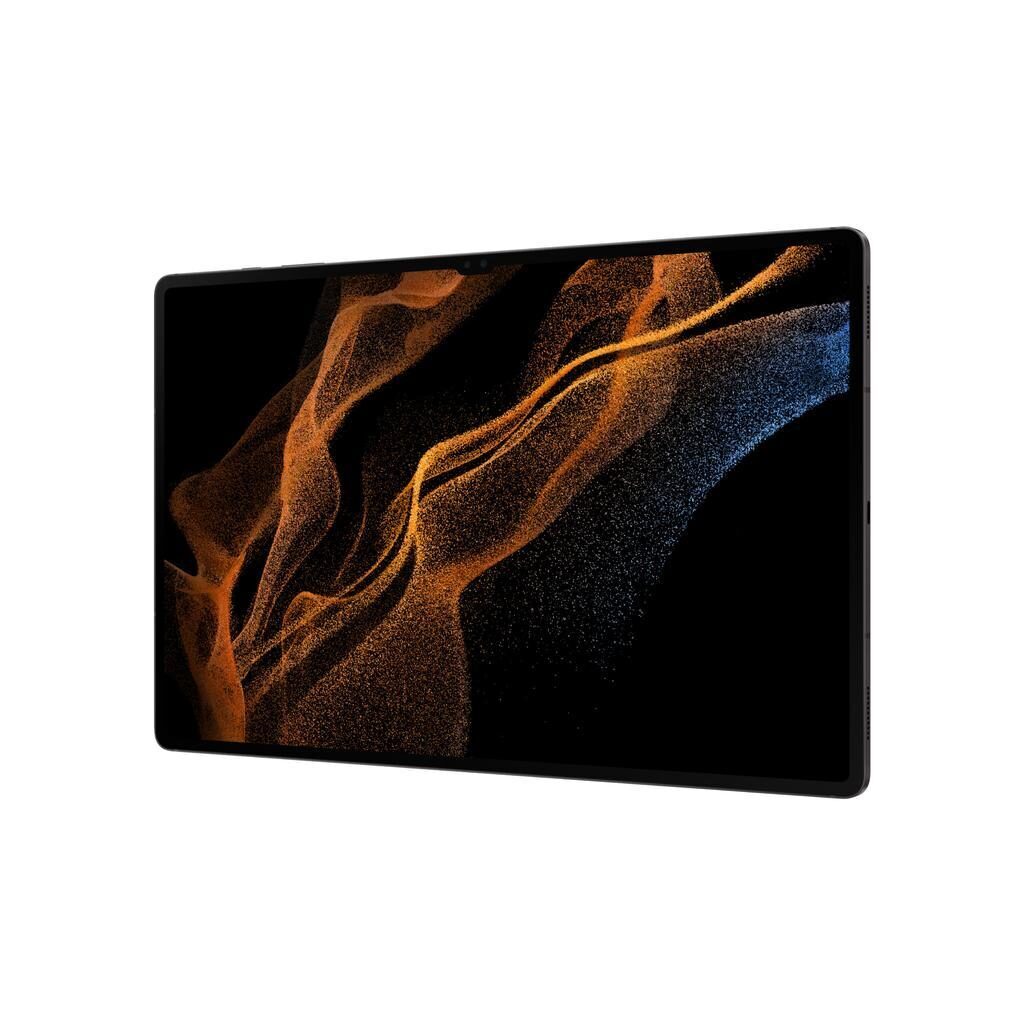
Galaxy Tab S8 (11.0", 2022)
Starting at
£324.36£649.00 newWhat's the difference between the Galaxy Tab S7 FE (12.4", 2021) and Galaxy Tab S8 (11.0", 2022)?
Galaxy Tab S7 FE (12.4", 2021) vs Galaxy Tab S8 (11.0", 2022) comes down to the chipset, RAM and battery. Refurbished, the Galaxy Tab S7 FE (12.4", 2021) starts at £160, £164.36 less than the Galaxy Tab S8 (11.0", 2022). The Galaxy Tab S8 (11.0", 2022) is the newer model, released in 2022.
Refurbished from
Chipset
RAM
Battery
Screen size
Weight
- Chipset: Qualcomm SM7325 Snapdragon 778G 5G (6 nm) on the Galaxy Tab S7 FE (12.4", 2021), Qualcomm SM8450 Snapdragon 8 Gen 1 (4 nm) on the Galaxy Tab S8 (11.0", 2022).
- The Galaxy Tab S8 (11.0", 2022) has more RAM: 8 GB vs 6 GB.
- The Galaxy Tab S7 FE (12.4", 2021) has a bigger battery: 10090 mAh vs 8000 mAh.
Galaxy Tab S7 FE (12.4", 2021) vs Galaxy Tab S8 (11.0", 2022) specs
The Galaxy Tab S7 FE offers a larger 12.4 inch screen and a bigger battery, making it suitable for those who prioritise screen size and longer battery capacity. The Galaxy Tab S8 has a smaller 11.0 inch screen but features a more powerful Snapdragon 8 Gen 1 processor, more RAM, and higher resolution front and rear cameras. It also supports a 120Hz refresh rate for smoother visuals. The Tab S7 FE supports Android 14 updates, while the Tab S8 supports up to Android 12. Overall, the S7 FE suits users who want a spacious display and longer battery life, while the S8 is designed for those who need stronger performance, sharper cameras, and a more compact device.
Galaxy Tab S7 FE (12.4", 2021) vs Galaxy Tab S8 (11.0", 2022) price
Colour
Galaxy Tab S7 FE (12.4", 2021) vs Galaxy Tab S8 (11.0", 2022) battery life and software updates
Durability covers battery capacity, operating system support, and software updates.
Battery Capacity
The Galaxy Tab S7 FE has a 10090 mAh battery, which provides more power for longer use between charges. This suits users who need extended battery life for tasks like watching videos or using apps throughout the day. The Galaxy Tab S8 has an 8000 mAh battery, which is still substantial but offers less capacity overall.
Operating System Support
The Galaxy Tab S7 FE supports up to Android 14, offering access to newer features and security updates for longer. The Galaxy Tab S8 supports up to Android 12, which covers current apps and functionality.
Battery
Maximum operating system supported
Year of release
Galaxy Tab S7 FE (12.4", 2021) vs Galaxy Tab S8 (11.0", 2022) performance
Performance reflects processing power, memory, and storage options. The Galaxy Tab S8 delivers higher specs suitable for demanding tasks and multitasking, while the Galaxy Tab S7 FE offers solid everyday performance with more storage variety.
Processor and Chipset
The Galaxy Tab S8 is powered by the Qualcomm SM8450 Snapdragon 8 Gen 1 chipset, which provides strong performance for gaming, multitasking, and intensive apps. The Galaxy Tab S7 FE uses the Qualcomm SM7325 Snapdragon 778G 5G, which is capable for everyday use and moderate workloads.
Memory
The Galaxy Tab S8 includes 8 GB of RAM, helping it keep multiple apps open and running smoothly. The Galaxy Tab S7 FE has 6 GB of RAM, which supports everyday app use well but with fewer apps active at once.
Storage Options
The Galaxy Tab S7 FE offers 64 GB and 128 GB storage options, suitable for users who need basic to moderate space for apps and files. The Galaxy Tab S8 starts at 128 GB and goes up to 256 GB, fitting those who store more media or larger apps.
Chipset
Processor
Processor brand
Processor core
Processor speed ghz
RAM
Galaxy Tab S7 FE (12.4", 2021) vs Galaxy Tab S8 (11.0", 2022) screen
Screen quality considers size, resolution, pixel density, glass protection, and screen type. The Galaxy Tab S7 FE offers a larger display, whereas the Galaxy Tab S8 provides sharper visuals and stronger glass protection.
Screen Size
The Galaxy Tab S7 FE has a 12.4 inch screen, making it roomier for watching videos, reading, and multitasking. The Galaxy Tab S8 has an 11.0 inch screen, which suits those who prefer a more compact and easily portable tablet.
Pixel Density and Resolution
Both tablets share the same resolution of 1600 by 2560 pixels. However, the Galaxy Tab S8 has a higher pixel density of 280 ppi compared to 250 ppi on the Galaxy Tab S7 FE. This means the S8 displays sharper and more detailed images and text.
Display Glass
The Galaxy Tab S8 features Corning Gorilla Glass 5 on the front, offering stronger protection against scratches and impacts. The Galaxy Tab S7 FE has a glass front without this specific reinforcement.
Brightness
Display glass
Pixel density
Refresh rate
Resolution
Screen size
Screen type
Galaxy Tab S7 FE (12.4", 2021) vs Galaxy Tab S8 (11.0", 2022) camera
Audiovisual features include cameras, speakers, and video recording capabilities. The Galaxy Tab S8 focuses on sharper cameras and higher-quality video recording, while both tablets include stereo speakers.
Camera Resolution
The Galaxy Tab S8 has a 12 MP front camera and a 13 MP rear camera, which capture more detail in photos and video calls. The Galaxy Tab S7 FE offers a 5 MP front camera and an 8 MP rear camera, suitable for standard video calls and casual photography.
Video Recording
Video recording on the Galaxy Tab S8 supports 4K at 60 frames per second, enabling smooth, high-resolution videos. The Galaxy Tab S7 FE records video at 1080p and 30 frames per second, suitable for everyday video capture.
Speakers
Both tablets have stereo speakers for balanced sound. The Galaxy Tab S8 features four stereo speakers, which can provide a richer audio experience compared to the Galaxy Tab S7 FE's stereo speakers.
Front camera
Front camera definition
Main camera
Rear camera definition
Speakers
Video recording
Webcam
Galaxy Tab S7 FE (12.4", 2021) vs Galaxy Tab S8 (11.0", 2022) size and design
Miscellaneous features highlight display refresh rate, connectivity, size, weight, and stylus support. These affect daily comfort, responsiveness, and device handling.
Refresh Rate
The Galaxy Tab S8 supports a 120Hz refresh rate, offering smoother motion and scrolling, which benefits gaming and fast-paced content. The Galaxy Tab S7 FE has a standard refresh rate, suitable for everyday tasks.
Connectivity and SIM
The Galaxy Tab S8 is unlocked and supports Nano SIM cards, providing flexibility for mobile data use. The Galaxy Tab S7 FE does not have a SIM port, meaning it works on Wi-Fi only.
Size and Weight
The Galaxy Tab S7 FE is larger and heavier, measuring 284.8 mm in height, 185 mm in width, and weighing 608 g. The Galaxy Tab S8 is more compact and lighter at 253.8 mm height, 165.3 mm width, and 503 g, making it easier to hold for long periods.
Headphone Connectivity
Neither tablet has a 3.5 mm headphone jack. The Galaxy Tab S7 FE does not have a 3.5 mm jack. The Galaxy Tab S8 uses USB Type-C for audio output.
Stylus Support
Both tablets come with a stylus pen, which supports drawing and note-taking. This is useful for creative tasks and productivity.
120hz
Bluetooth version
Carrier compatibility
Connector
Depth
Double sim
Headphones connectivity
Height
Megapixels
Sim format
Touch
Weight
Width
Wifi technology
With stylus pencil
Galaxy Tab S7 FE (12.4", 2021) or Galaxy Tab S8 (11.0", 2022): which should you buy?
Buy the Galaxy Tab S7 FE (12.4", 2021) if
- you want to spend less: it starts at £160, £164.36 less than the Galaxy Tab S8 (11.0", 2022)
- you want a bigger battery (10090 mAh vs 8000 mAh)
- you want a bigger screen (12.4 inch vs 11.0 inch)
Buy the Galaxy Tab S8 (11.0", 2022) if
- you want more RAM (8 GB vs 6 GB)
- you want a lighter build (503 g vs 608 g)
What our customers say
Customers say the Galaxy Tab S7 FE looks like new or very good condition, with some describing it as slim and large. The screen is generally appreciated, though a few mention minor issues such as a small white dot or a non-working S Pen. Battery life and overall performance meet expectations for everyday use. Some customers mention a need for several software updates after setup but find the tablet suitable for studying and remote play. The larger screen size and included stylus make it a good fit for users wanting a spacious tablet.
Reviews for the Galaxy Tab S8 highlight its excellent condition and speedy performance. Customers appreciate the clear screen and battery life that lasts all day, charging overnight for convenience. The sharper cameras and smooth operation are noted, with some users enjoying the included stylus and solid build. The tablet's size and weight make it comfortable to handle, and many find it comparable to new. Some mention the need for updates after resetting the device, but overall users are pleased with the balance of power and portability.
The Galaxy Tab S7 FE suits users who want a larger screen and longer battery for everyday tasks and note-taking. The Galaxy Tab S8 is better suited for those who prioritise performance, sharper cameras, and a lighter, more compact device.
Galaxy Tab S7 FE (12.4", 2021) vs Galaxy Tab S8 (11.0", 2022) FAQs
Galaxy Tab S7 FE (12.4", 2021) vs Galaxy Tab S8 (11.0", 2022) comes down to the chipset, RAM and battery. Chipset: Qualcomm SM7325 Snapdragon 778G 5G (6 nm) on the Galaxy Tab S7 FE (12.4", 2021), Qualcomm SM8450 Snapdragon 8 Gen 1 (4 nm) on the Galaxy Tab S8 (11.0", 2022). The Galaxy Tab S8 (11.0", 2022) has more RAM: 8 GB vs 6 GB.
The Galaxy Tab S7 FE (12.4", 2021) is cheaper refurbished, from £160 compared with £324.36 for the Galaxy Tab S8 (11.0", 2022).
The Galaxy Tab S7 FE (12.4", 2021) has a bigger battery: 10090 mAh vs 8000 mAh.
The Galaxy Tab S8 (11.0", 2022) adds more RAM (8 GB vs 6 GB) and a lighter build (503 g vs 608 g). Refurbished, it costs £164.36 more (from £324.36 vs £160).
Refurbished, the Galaxy Tab S7 FE (12.4", 2021) comes in 64GB and 128GB, and the Galaxy Tab S8 (11.0", 2022) in 128GB and 256GB.