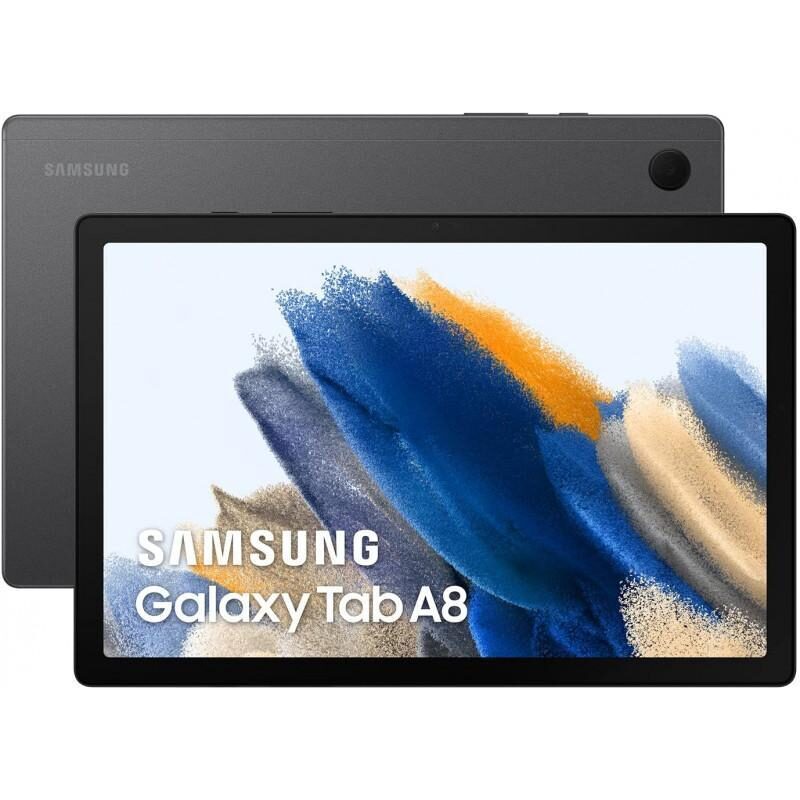
Galaxy Tab S8 (11.0", 2022) vs Galaxy Tab S9 (11.0", 2023)
Shop Samsung Galaxy Tab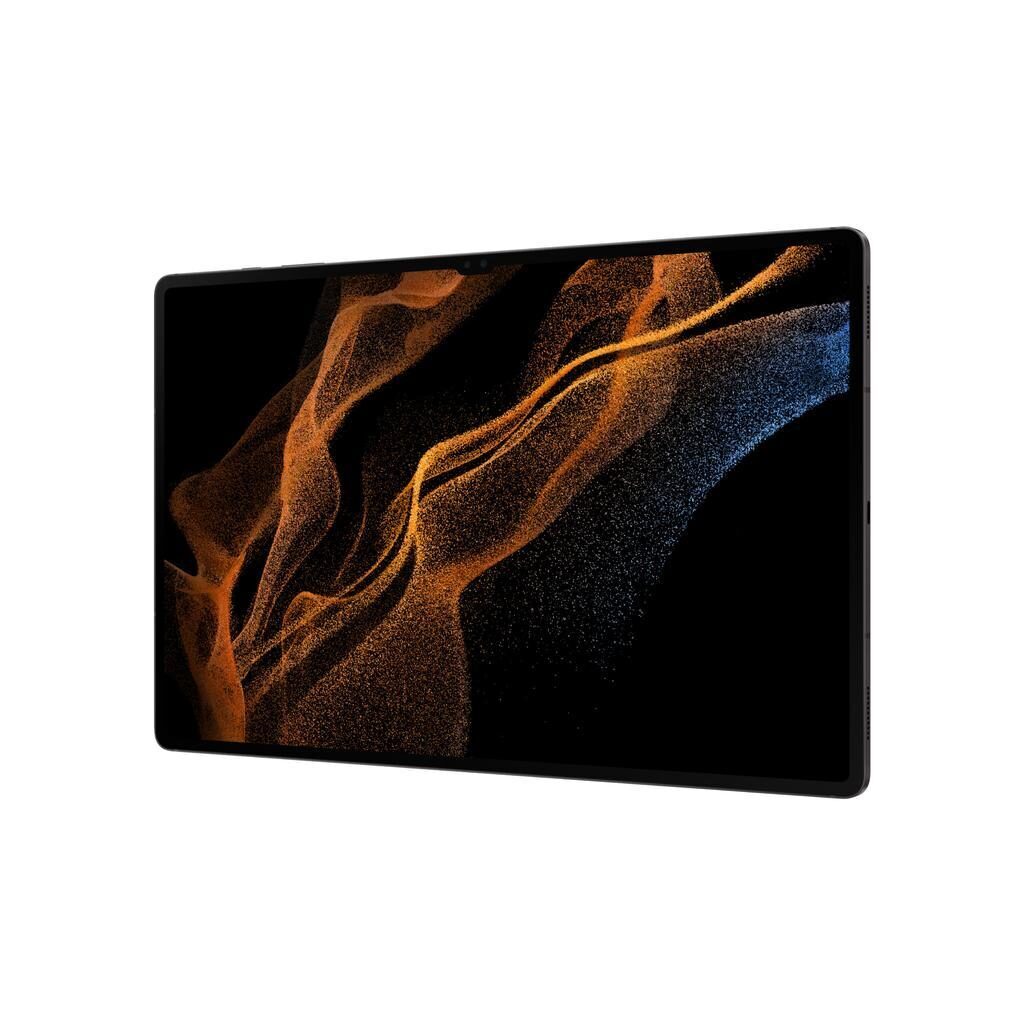
Galaxy Tab S8 (11.0", 2022)
Starting at
£324.36£649.00 new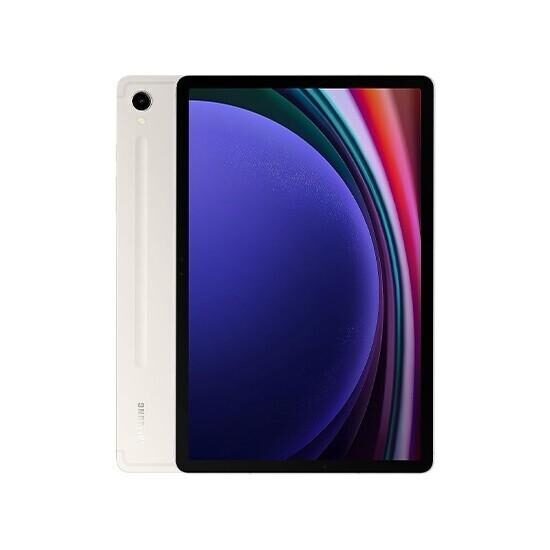
Galaxy Tab S9 (11.0", 2023)
Starting at
£408.76£1,060.32 newWhat's the difference between the Galaxy Tab S8 (11.0", 2022) and Galaxy Tab S9 (11.0", 2023)?
Galaxy Tab S8 (11.0", 2022) vs Galaxy Tab S9 (11.0", 2023) comes down to the chipset, RAM and battery. Refurbished, the Galaxy Tab S8 (11.0", 2022) starts at £324.36, £84.40 less than the Galaxy Tab S9 (11.0", 2023). The Galaxy Tab S9 (11.0", 2023) is the newer model, released in 2023.
Refurbished from
Chipset
RAM
Battery
Screen type
Weight
- Chipset: Qualcomm SM8450 Snapdragon 8 Gen 1 (4 nm) on the Galaxy Tab S8 (11.0", 2022), Qualcomm SM8550-AC Snapdragon 8 Gen 2 (4 nm) on the Galaxy Tab S9 (11.0", 2023).
- The Galaxy Tab S9 (11.0", 2023) has more RAM: 12 GB vs 8 GB.
- The Galaxy Tab S9 (11.0", 2023) has a bigger battery: 8400 mAh vs 8000 mAh.
Galaxy Tab S8 (11.0", 2022) vs Galaxy Tab S9 (11.0", 2023) specs
The Galaxy Tab S8 and Tab S9 both offer an 11.0 inch display size and similar storage options, but they differ significantly in screen technology, performance, and battery capacity. The Tab S9 features a Dynamic AMOLED 2X screen and more RAM, making it well suited for users who want a brighter, more vibrant display and greater multitasking ability. The Tab S8 provides a TFT LCD screen and 8 GB of RAM, which suits everyday use with smooth app performance. Meanwhile, the Tab S8 records video at 4K 60FPS, appealing to those needing higher frame rates for video capture. Both tablets include a stylus and maintain similar camera and speaker setups, so the choice depends largely on your priorities for screen quality, memory, and video recording.
Galaxy Tab S8 (11.0", 2022) vs Galaxy Tab S9 (11.0", 2023) price
Colour
Galaxy Tab S8 (11.0", 2022) vs Galaxy Tab S9 (11.0", 2023) battery life and software updates
Durability covers battery capacity and software support, which are key for how long the device can last on a charge and stay updated.
Battery Capacity
The Galaxy Tab S9 has an 8400 mAh battery, which is slightly larger than the Tab S8's 8000 mAh. This means the Tab S9 can offer a bit more stamina between charges, which suits users who need longer usage times without access to a charger.
Operating System Support
The Galaxy Tab S8 supports up to Android 12, while the Tab S9 supports up to Android 13.
Battery
Maximum operating system supported
Year of release
Galaxy Tab S8 (11.0", 2022) vs Galaxy Tab S9 (11.0", 2023) performance
Performance differences will affect how smoothly apps run and how well the device handles multitasking and demanding tasks. The Tab S9 offers more memory and a faster processor speed.
Processor Speed and Chipset
The Galaxy Tab S9 uses a Qualcomm SM8550-AC Snapdragon 8 Gen 2 chipset running at 3.36 GHz, while the Tab S8 has a Qualcomm SM8450 Snapdragon 8 Gen 1 at 3.00 GHz. The higher speed and newer chipset in the Tab S9 make it better suited for users running intensive apps or multitasking frequently.
RAM Capacity
With 12 GB of RAM, the Galaxy Tab S9 can keep more apps and browser tabs open without slowing down. The Tab S8 has 8 GB of RAM, which is still ample for smooth everyday use, making it suitable if you mostly use common apps and media.
Storage Options
Both tablets come with 128 GB or 256 GB storage options. This means storage choices are flexible regardless of which device you pick.
Chipset
Processor
Processor brand
Processor core
Processor speed ghz
RAM
Galaxy Tab S8 (11.0", 2022) vs Galaxy Tab S9 (11.0", 2023) screen
Screen quality impacts how content looks, especially for watching videos, reading, or editing photos. Both tablets share size and resolution, but use different screen technologies.
Screen Type
The Galaxy Tab S9 features a Dynamic AMOLED 2X display, which delivers richer colours and deeper contrast, ideal for users who want vibrant visuals and improved viewing angles. The Tab S8 uses a TFT LCD screen, which provides clear images but with less vivid colour reproduction.
Resolution and Pixel Density
Both tablets have the same 1600 x 2560 resolution and pixel density of 280 ppi. This means screen sharpness and detail are comparable, making text and images look equally clear on both devices.
Display Glass
Both tablets are protected by Corning Gorilla Glass 5, offering similar durability against scratches and minor impacts.
Display glass
Pixel density
Refresh rate
Resolution
Screen size
Screen type
Galaxy Tab S8 (11.0", 2022) vs Galaxy Tab S9 (11.0", 2023) camera
Audiovisual features affect multimedia use, including cameras, speakers, and video recording. Both tablets share many similarities but differ in video capture frame rate.
Camera Resolution
The front camera on both tablets is 12 megapixels, while the rear camera is 13 megapixels. This makes either one suitable for video calls and casual photos with similar image detail.
Video Recording
The Galaxy Tab S8 records video at 4K 60FPS, offering smoother motion capture which is better for recording fast-moving subjects. The Tab S9 records at 4K 30FPS, which still captures high-resolution video but with fewer frames per second.
Speakers and Webcam
Both tablets have four stereo speakers and include a webcam, supporting good audio and video conferencing experiences.
Front camera
Front camera definition
Main camera
Rear camera definition
Speakers
Video recording
Webcam
Galaxy Tab S8 (11.0", 2022) vs Galaxy Tab S9 (11.0", 2023) size and design
Other features include connectivity, dimensions, and accessories that affect daily convenience and usability. The two tablets offer some differences here too.
Bluetooth and WiFi
The Galaxy Tab S9 supports Bluetooth 5.3 and Wi-Fi 6E 802.11ax, offering the latest wireless standards for faster connections and better compatibility. The Tab S8 includes Bluetooth 5.2 and Wi-Fi 802.11 a/b/g/n/ac/6e, which still cover strong wireless performance.
Dimensions and Weight
The Tab S9 is slightly slimmer at 5.9 mm compared to 6.3 mm on the Tab S8, and weighs 498 g versus 503 g. These small differences may make the Tab S9 feel a bit lighter and thinner in hand.
SIM Options
The Galaxy Tab S9 supports Nano SIM and eSIM, giving more flexibility for mobile connectivity. The Tab S8 supports Nano SIM only.
Headphone Connectivity
The Galaxy Tab S8 supports headphones via USB Type-C. The Tab S9 does not have a 3.5 mm jack.
Stylus and Refresh Rate
Both tablets include a stylus and support 120 Hz refresh rate, making them responsive for drawing and smooth scrolling.
120hz
Bluetooth version
Carrier compatibility
Connector
Depth
Double sim
Headphones connectivity
Height
Megapixels
Sim format
Touch
Weight
Width
Wifi technology
With stylus pencil
Galaxy Tab S8 (11.0", 2022) or Galaxy Tab S9 (11.0", 2023): which should you buy?
Buy the Galaxy Tab S8 (11.0", 2022) if
- you want to spend less: it starts at £324.36, £84.40 less than the Galaxy Tab S9 (11.0", 2023)
Buy the Galaxy Tab S9 (11.0", 2023) if
- you want more RAM (12 GB vs 8 GB)
- you want a bigger battery (8400 mAh vs 8000 mAh)
- you want an OLED screen
What our customers say
Customers say the Galaxy Tab S8 looks like new or nearly new with only minor signs of use on some Fair condition devices. They find performance excellent for everyday apps and smooth operation without lag. Battery life is solid, lasting all day for many users. The screen is clear and the stylus works well, making it suitable for general use and for those replacing older tablets. Some buyers note the WiFi-only model suits home or casual use.
For the Galaxy Tab S9, customers describe it as looking like new with little to no marks on many devices. Performance is praised as a big step up, handling multitasking and apps well. The larger screen is appreciated for media viewing. The stylus is included and functions properly in most cases, though a few mention needing to troubleshoot it. The tablet is seen as good for users wanting a higher-end display and the latest wireless standards. Some mention that even the WiFi-only model is a sensible choice.
Both tablets suit users who want refurbished devices in good condition with reliable performance and stylus support. The Tab S8 fits those looking for smooth everyday use and solid battery life, while the Tab S9 suits those wanting a brighter screen, more memory, and the newest Android version.
Galaxy Tab S8 (11.0", 2022) vs Galaxy Tab S9 (11.0", 2023) FAQs
Galaxy Tab S8 (11.0", 2022) vs Galaxy Tab S9 (11.0", 2023) comes down to the chipset, RAM and battery. Chipset: Qualcomm SM8450 Snapdragon 8 Gen 1 (4 nm) on the Galaxy Tab S8 (11.0", 2022), Qualcomm SM8550-AC Snapdragon 8 Gen 2 (4 nm) on the Galaxy Tab S9 (11.0", 2023). The Galaxy Tab S9 (11.0", 2023) has more RAM: 12 GB vs 8 GB.
The Galaxy Tab S8 (11.0", 2022) is cheaper refurbished, from £324.36 compared with £408.76 for the Galaxy Tab S9 (11.0", 2023).
The Galaxy Tab S9 (11.0", 2023) has a bigger battery: 8400 mAh vs 8000 mAh.
The Galaxy Tab S9 (11.0", 2023) adds more RAM (12 GB vs 8 GB), a bigger battery (8400 mAh vs 8000 mAh) and an OLED screen. Refurbished, it costs £84.40 more (from £408.76 vs £324.36).
Both come in 128GB and 256GB refurbished.