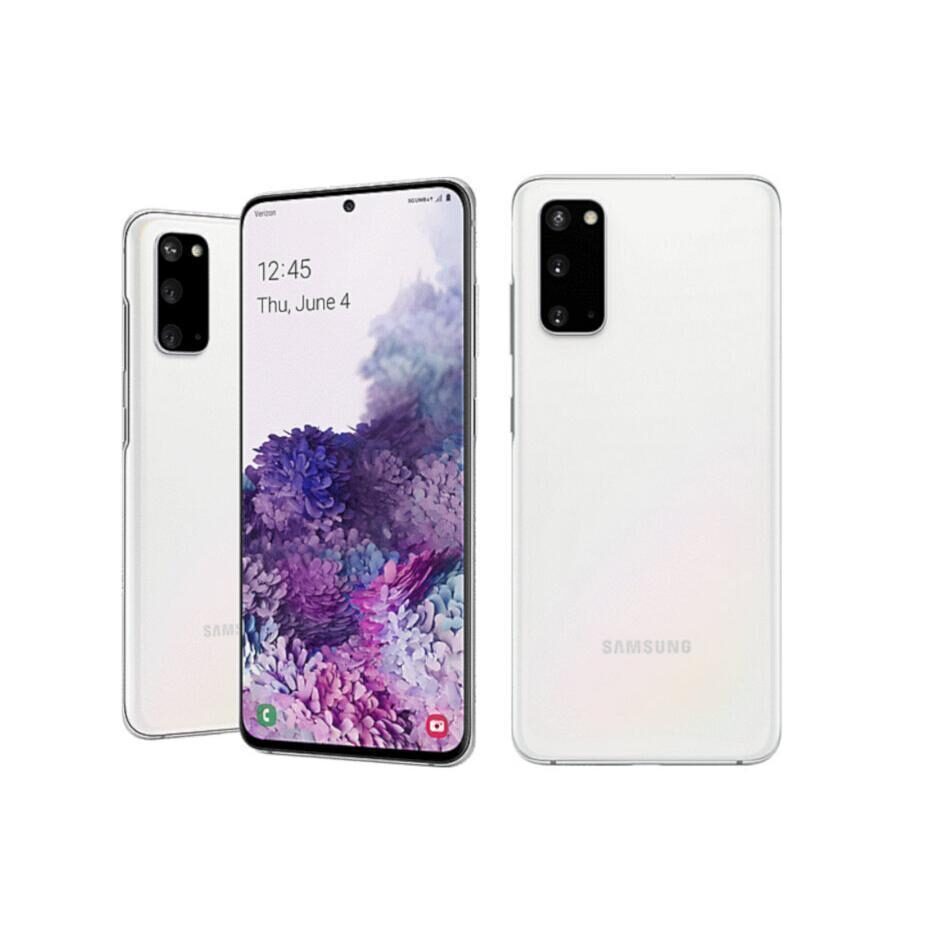
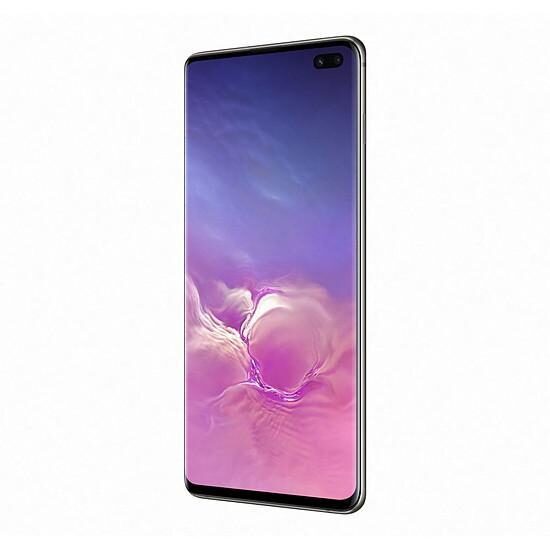
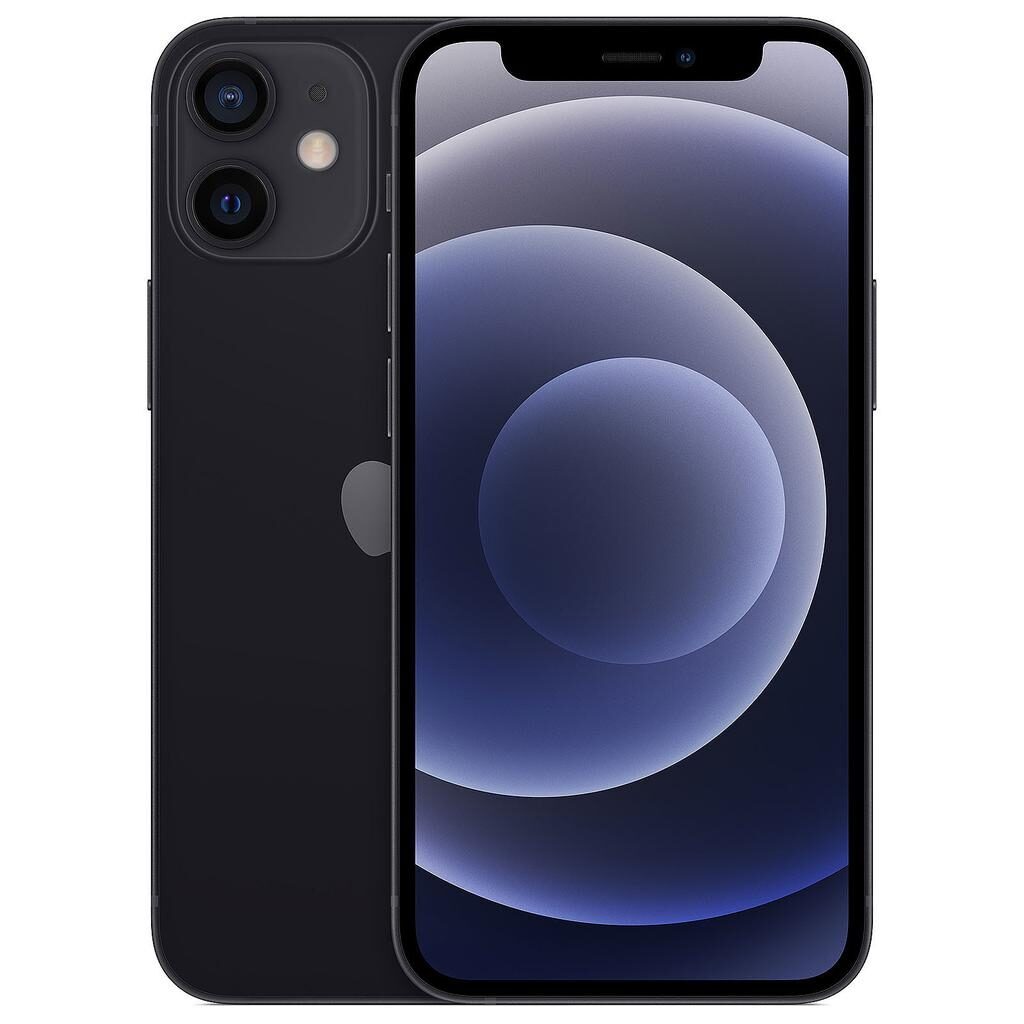
Galaxy S10e vs iPhone 8
Shop Samsung Galaxy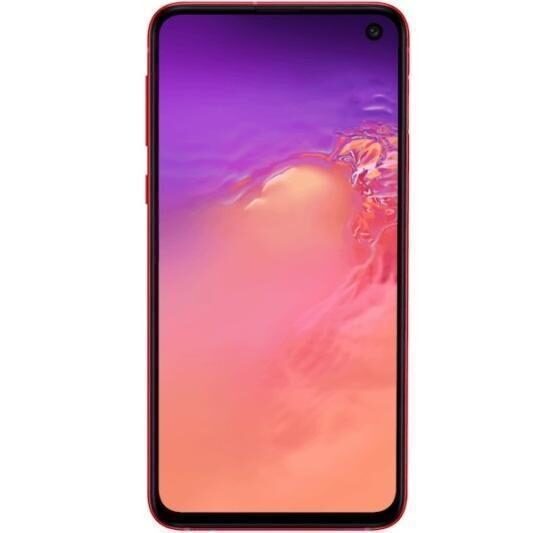
Galaxy S10e
Starting at
£114.20£439.00 new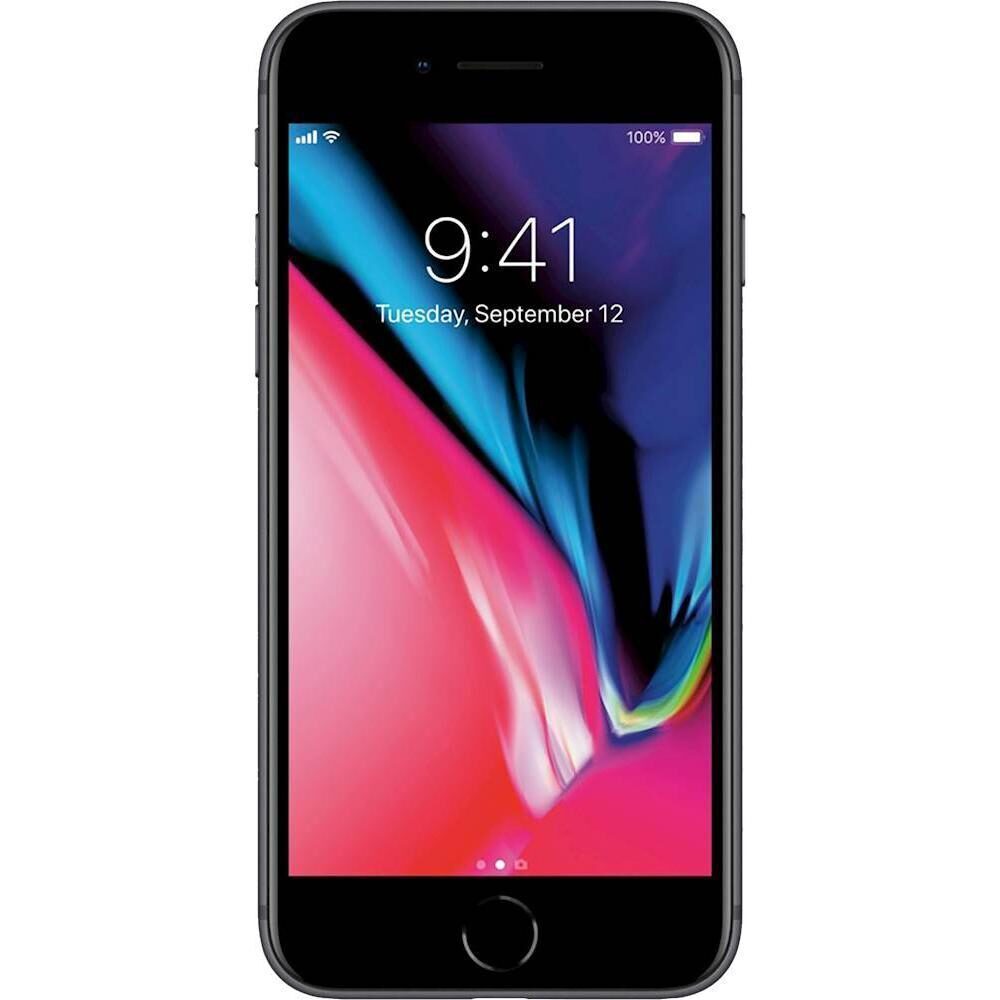
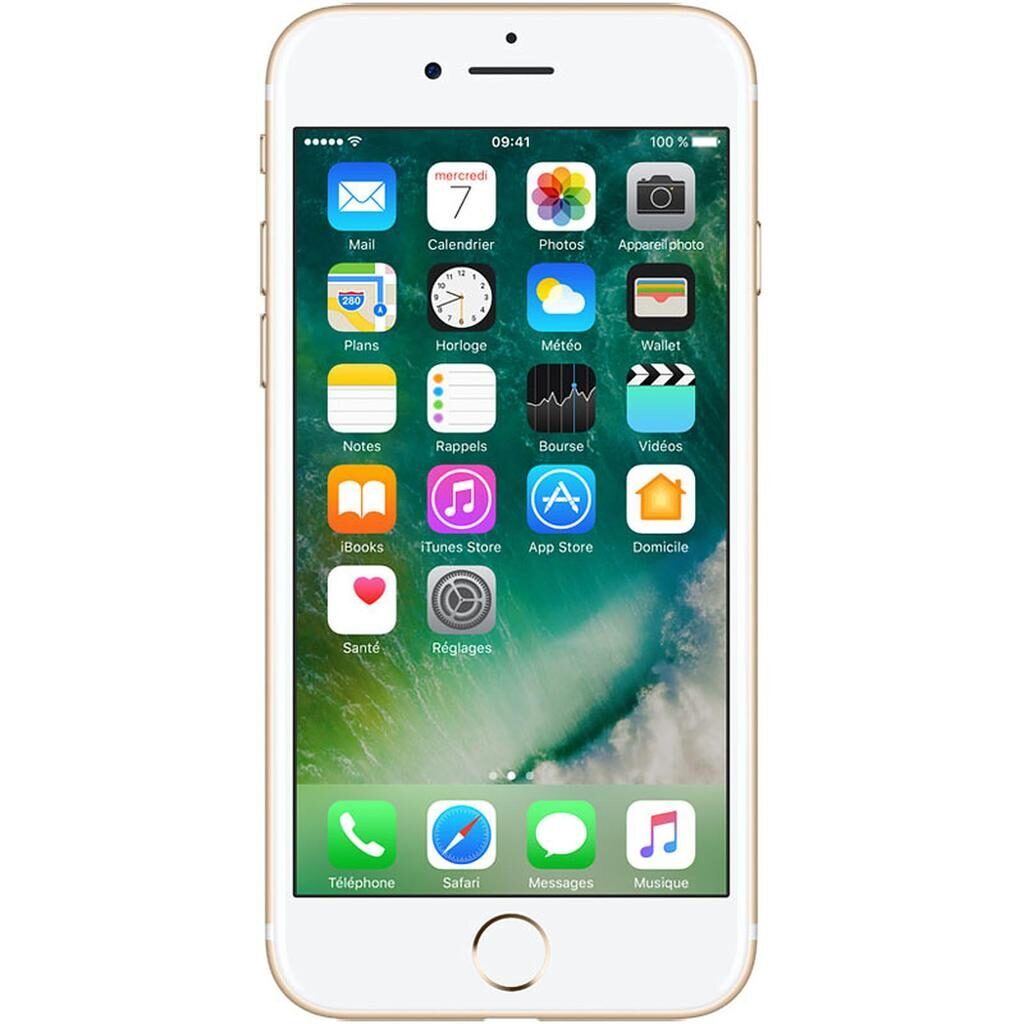
iPhone 8
Starting at
£90.00£399.00 newWhat's the difference between the Galaxy S10e and iPhone 8?
Galaxy S10e vs iPhone 8 comes down to the chipset, RAM and battery. Refurbished, the iPhone 8 starts at £90, £24.20 less than the Galaxy S10e. The Galaxy S10e is the newer model, released in 2019.
Refurbished from
Chipset
RAM
Battery
Screen size
Screen type
- Chipset: Exynos 9820 (8 nm), Qualcomm SM8150 Snapdragon 855 (7 nm) on the Galaxy S10e, Apple A11 Bionic on the iPhone 8.
- The Galaxy S10e has more RAM: 6 GB vs 2 GB.
- The Galaxy S10e has a bigger battery: 3100 mAh vs 1821 mAh.
Galaxy S10e vs iPhone 8 specs
The Galaxy S10e and iPhone 8 differ in several key areas that suit different types of users. The Galaxy S10e offers a larger and higher resolution screen with a Dynamic AMOLED display, more RAM, and a bigger battery capacity, making it fitting for those who want a more spacious viewing experience and smoother multitasking. The iPhone 8 has a smaller screen with Retina IPS LCD and comes in multiple storage sizes up to 256GB, which may appeal to users preferring a compact phone with options for ample storage. Connectivity and ports also differ, with the Galaxy S10e including USB-C and a headphone jack, while the iPhone 8 uses Lightning. These differences make each device suitable for specific preferences in size, performance, and connectivity.
Galaxy S10e vs iPhone 8 price
Colour
Galaxy S10e vs iPhone 8 battery life and software updates
Battery capacity, operating system, and compatibility with updates are key durability factors that affect how long each device performs well in daily use.
Battery Capacity
The Galaxy S10e has a 3100 mAh battery, which offers more capacity than the iPhone 8's 1821 mAh. This means the Galaxy S10e can support longer usage between charges, which suits users who spend more time on their phone without easy access to charging.
Operating System
The Galaxy S10e runs Android while the iPhone 8 runs iOS. Your choice here may depend on which ecosystem and apps you prefer, as both systems offer distinct experiences tailored to different user habits.
Software Updates
This means both devices will operate on earlier versions of their respective operating systems, which is typical for phones of their release years.
Battery
Foldable
Ip rating
Software updates
Wireless charging
Year of release
Galaxy S10e vs iPhone 8 performance
Processing power, memory, and storage impact how smoothly a phone runs apps and manages data for everyday use.
Chipset and RAM
The Galaxy S10e features either the Exynos 9820 or Snapdragon 855 chipset paired with 6 GB of RAM, which supports faster multitasking and app performance. The iPhone 8 has the Apple A11 Bionic chipset with 2 GB of RAM, making it suitable for everyday use but with fewer apps running simultaneously.
Storage Options
The Galaxy S10e is stocked with 128GB of storage, while the iPhone 8 offers more variety with 64GB, 128GB, and 256GB options. This lets iPhone 8 users select storage based on their needs, especially if they require more space for photos, apps, or media.
Chipset
RAM
Galaxy S10e vs iPhone 8 screen
Screen size, resolution, and type affect how clear and immersive your viewing experience will be for browsing, videos, and reading.
Screen Size and Resolution
The Galaxy S10e has a 5.8 inch screen with a resolution of 1080 x 2280, providing a larger and sharper display than the iPhone 8, which has a 4.7 inch screen at 750 x 1334 resolution. This makes the Galaxy S10e well suited for users who want more space and detail on screen.
Screen Type
The Galaxy S10e uses a Dynamic AMOLED screen, known for vibrant colours and deep contrast. The iPhone 8 features a Retina IPS LCD screen, which offers accurate colours and good viewing angles. The choice depends on whether you prefer more vivid visuals or colour accuracy.
Resolution
Screen size
Screen type
Galaxy S10e vs iPhone 8 camera
Camera quality and front-facing camera resolution influence your photos and video calls.
Front Camera
The Galaxy S10e has a 10 megapixel front camera, which captures more detail for selfies and video chats compared to the iPhone 8's 7 megapixel front camera. This makes the Galaxy S10e a good choice if you use your front camera frequently.
Main Camera
Both phones have a 12 megapixel main camera. This means both devices are capable of similar detail levels in photos taken with the rear camera, suitable for everyday photography.
Camera type
Front camera
Main camera
Galaxy S10e vs iPhone 8 size and design
Other practical differences include ports, size, storage expansion, and network compatibility, which affect convenience and flexibility.
Connector and Headphone Jack
The Galaxy S10e offers both USB-C and a 3.5 mm headphone jack, allowing more options for charging and audio accessories. The iPhone 8 uses a Lightning connector, which is standard for many Apple accessories.
Storage Expansion
The Galaxy S10e supports microSDXC cards, giving you the option to increase storage beyond the built-in 128GB. The iPhone 8 does not have this feature, so you rely on internal storage.
Physical Dimensions and Weight
The Galaxy S10e measures 142.2 mm in height, 69.9 mm in width, and 7.9 mm in depth, weighing 150 g. The iPhone 8 is 138.4 mm high, 67.3 mm wide, and 7.3 mm deep, weighing 148 g. The iPhone 8's smaller size suits users wanting a compact device, while the Galaxy S10e is slightly larger but still pocket-friendly.
Carrier and Network
Both phones are unlocked and compatible with 4G networks, giving you flexibility in choosing your carrier and plan.
SIM Card Type
Both devices use a physical SIM card, which is standard and easy to swap between devices.
Carrier compatibility
Connector
Depth
Height
Mobile network
Release date
SD card slot
SIM card
Weight
Width
Galaxy S10e or iPhone 8: which should you buy?
Buy the Galaxy S10e if
- you want more RAM (6 GB vs 2 GB)
- you want a bigger battery (3100 mAh vs 1821 mAh)
- you want a bigger screen (5.8 inch vs 4.7 inch)
Buy the iPhone 8 if
- you want to spend less: it starts at £90, £24.20 less than the Galaxy S10e
What our customers say
Customers say the Galaxy S10e often looks like new and works well with its 128GB storage, which suits users with many apps and photos. The 6GB RAM is noted for keeping everything running smoothly without lag. Some mention minor cosmetic wear or battery life variations, but many find the phone fast and reliable. The size is praised as comfortable and not too big. The side fingerprint sensor and USB-C plus headphone jack add to the convenience. Overall, users appreciate its condition and performance for a 2019 model.
The iPhone 8 is popular for looking nearly new and having good battery health. Customers appreciate the multiple storage options, including 256GB, which offers plenty of room for apps and media. Its smaller size is suitable for those who prefer a more compact phone. The device runs well for everyday use and many find it better than their previous models. Some customers mention minor marks or scratches but feel the phone performs as expected. The iPhone 8 suits users who value a solid and familiar iOS experience with various storage choices.
Both devices attract users who want reliable refurbished phones in good condition. The Galaxy S10e suits those wanting a larger screen, higher RAM, and more flexible connectivity, while the iPhone 8 fits users seeking a compact device with multiple storage options and iOS.
Galaxy S10e vs iPhone 8 FAQs
Galaxy S10e vs iPhone 8 comes down to the chipset, RAM and battery. Chipset: Exynos 9820 (8 nm), Qualcomm SM8150 Snapdragon 855 (7 nm) on the Galaxy S10e, Apple A11 Bionic on the iPhone 8. The Galaxy S10e has more RAM: 6 GB vs 2 GB.
The iPhone 8 is cheaper refurbished, from £90 compared with £114.20 for the Galaxy S10e.
The Galaxy S10e has a bigger battery: 3100 mAh vs 1821 mAh.
Both have the same main camera: 12 megapixels.
Updates for the Galaxy S10e ended in Apr 2023. Updates for the iPhone 8 ended in Mar 2025. Its last version is iOS 16.
Refurbished, the Galaxy S10e comes in 128GB, and the iPhone 8 in 64GB, 128GB and 256GB.