Xiaomi Poco F5 vs Xiaomi Redmi Note 9T
Shop Android Smartphones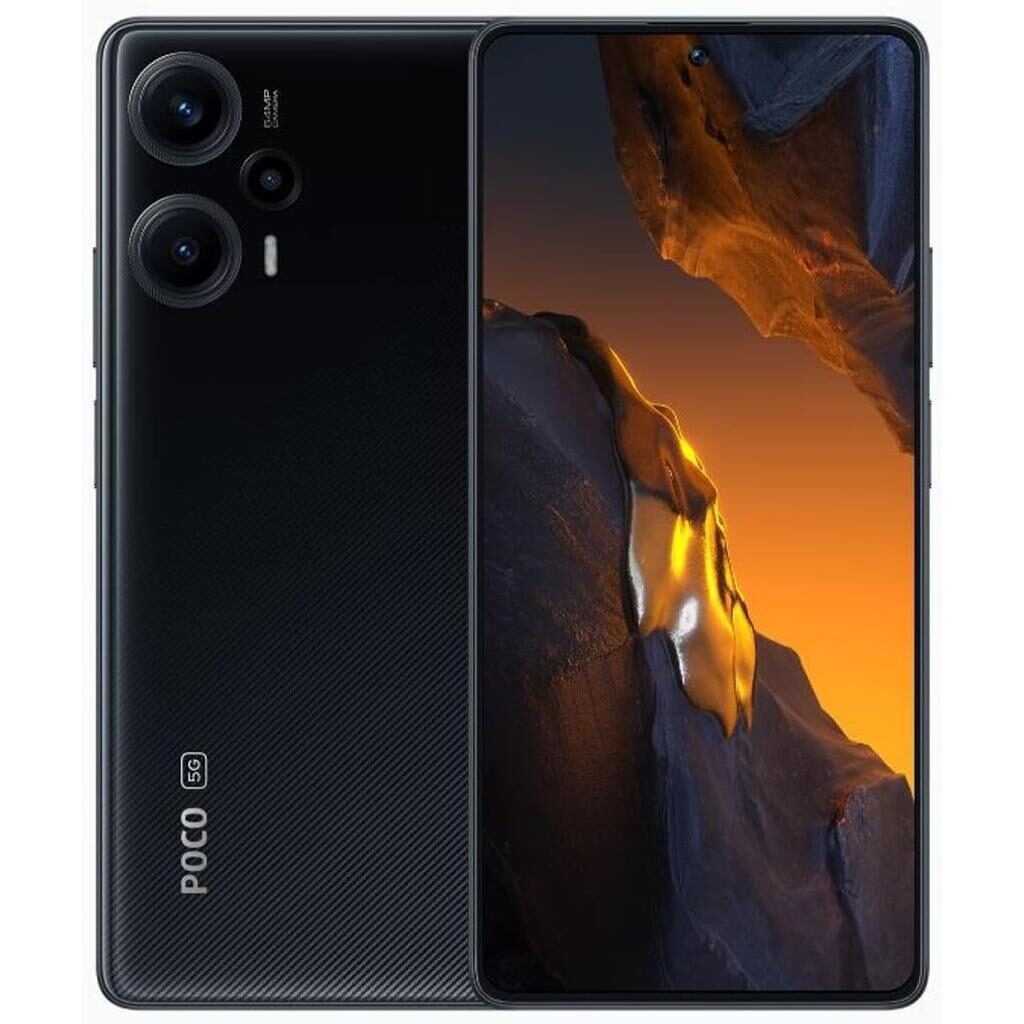
Xiaomi Poco F5
Starting at
£237.00
Xiaomi Redmi Note 9T
Starting at
£177.48What's the difference between the Xiaomi Poco F5 and Xiaomi Redmi Note 9T?
Xiaomi Poco F5 vs Redmi Note 9T comes down to the chipset, RAM and screen size. Refurbished, the Xiaomi Redmi Note 9T starts at £177.48, £59.52 less than the Xiaomi Poco F5. The Xiaomi Poco F5 is the newer model, released in 2023.
Refurbished from
Chipset
RAM
Screen size
Screen type
Refresh rate
- Chipset: Qualcomm SM7475-AB Snapdragon 7+ Gen 2 (4 nm) on the Xiaomi Poco F5, Mediatek Dimensity 800U (7 nm) on the Xiaomi Redmi Note 9T.
- The Xiaomi Poco F5 has more RAM: 8 GB vs 4 GB.
- Screen size: 6,67 inch on the Xiaomi Poco F5, 6.53 inch on the Xiaomi Redmi Note 9T.
Xiaomi Poco F5 vs Xiaomi Redmi Note 9T specs
The Xiaomi Poco F5 and Xiaomi Redmi Note 9T differ in several key ways that suit different user needs. The Poco F5 offers a faster chipset, more RAM, and a higher refresh rate screen, making it better for users who want smoother multitasking and more responsive visuals. It also has a higher resolution AMOLED display and sharper cameras for those who prioritise media quality. The Redmi Note 9T has fewer features in these areas but still delivers solid performance for everyday tasks and basic media use. Both phones share the same battery capacity and 5G support, appealing to users who want long battery life and modern connectivity without extra bulk.
Xiaomi Poco F5 vs Xiaomi Redmi Note 9T price
Colour
- BlackSold out
- BlackSold out
Storage
- 256GBSold out
- 64GBSold out
Xiaomi Poco F5 vs Xiaomi Redmi Note 9T battery life and software updates
Durability covers battery life, software support, and basic device features. Both phones share the same battery size but differ in software updates, which can affect long-term use.
Battery Capacity
Both the Xiaomi Poco F5 and Redmi Note 9T come with a 5000 mAh battery. This capacity suits users who need all-day battery life for general use without frequent recharging.
Battery
Foldable
Year of release
Xiaomi Poco F5 vs Xiaomi Redmi Note 9T performance
Performance is a major difference between these two devices. The Poco F5 offers stronger hardware for users who run multiple apps or use demanding features, while the Redmi Note 9T suits everyday tasks.
Processor Speed
The Xiaomi Poco F5 features a Snapdragon 7+ Gen 2 chipset built on a 4 nm process, providing faster and more efficient performance. This suits users who want smoother gaming, quicker app launches, and better overall responsiveness. The Redmi Note 9T has a Mediatek Dimensity 800U chipset on a 7 nm process, suitable for everyday use and moderate multitasking.
Memory
With 8 GB of RAM, the Xiaomi Poco F5 keeps more apps open and running smoothly, which is helpful if you frequently switch between tasks. The Redmi Note 9T has 4 GB of RAM, ideal for users focusing on basic apps and lighter multitasking.
Storage Size
The Xiaomi Poco F5 offers 256 GB of storage, which fits more photos, apps, and media files before needing to use external storage. The Redmi Note 9T comes with 64 GB, suitable for users with fewer storage needs or who use cloud services.
Chipset
RAM
Xiaomi Poco F5 vs Xiaomi Redmi Note 9T screen
Screen quality impacts how you view content, and both phones offer different technologies and sizes for different preferences.
Refresh Rate
The Xiaomi Poco F5 has a 120 Hz refresh rate, which delivers smoother scrolling and animations, noticeable in gaming and fast-moving content. The Redmi Note 9T has a 60 Hz refresh rate, suitable for standard video playback and everyday use.
Screen Type and Size
The Poco F5 uses an AMOLED screen at 6.67 inches, which provides richer colours and deeper blacks, ideal for media lovers. The Redmi Note 9T has a 6.53 inch IPS LCD screen, offering accurate colours and consistent brightness, suitable for users who prefer a straightforward display.
Resolution
Both screens have full HD+ resolution, with the Poco F5 at 1080 x 2400 and the Redmi Note 9T at 1080 x 2340. The slightly taller display on the Poco F5 provides more vertical space for apps and videos.
Refresh rate
Resolution
Screen size
Screen type
Xiaomi Poco F5 vs Xiaomi Redmi Note 9T camera
Camera quality is important if you take photos or video calls. These phones offer different levels of detail in their cameras.
Front Camera
The Xiaomi Poco F5's 16 megapixel front camera captures sharper selfies and video calls, benefiting users who prioritise clearer video communication and self-portraits. The Redmi Note 9T has a 13 megapixel front camera, which is suitable for casual use.
Main Camera
For photos, the Poco F5 has a 64 megapixel main camera that captures more detail in images, which is useful for users who want higher resolution photos. The Redmi Note 9T features a 48 megapixel main camera, fitting for everyday photography needs.
Camera type
Front camera
Main camera
Xiaomi Poco F5 vs Xiaomi Redmi Note 9T size and design
Other details cover physical size, connectivity, and additional features that affect everyday convenience and usage style.
Physical Dimensions and Weight
The Xiaomi Poco F5 is slimmer at 7.9 mm depth and lighter at 181 g, making it easier to hold and carry. The Redmi Note 9T is slightly thicker at 9.1 mm and heavier at 199 g, which might appeal to users who prefer a more substantial feel.
Audio and Charging Ports
The Poco F5 offers both USB Type-C and a 3.5 mm headphone jack, giving more flexibility for wired audio options. The Redmi Note 9T has a USB Type-C 2.0 connector.
Network and SIM
Both phones support 5G and have dual physical SIM slots, making them suitable for users who want fast mobile data and the ability to manage two phone numbers.
Expandable Storage
Both devices include microSDXC card slots, allowing you to add extra storage if needed, useful for users with large media libraries.
Size Comparison
The Poco F5 measures 161.1 mm in height and 75 mm in width, while the Redmi Note 9T is 161.2 mm tall and 77.3 mm wide, making the Poco F5 slightly narrower for easier one-handed use.
Carrier compatibility
Connector
Depth
Height
Mobile network
SD card slot
SIM card
Weight
Width
Xiaomi Poco F5 or Xiaomi Redmi Note 9T: which should you buy?
Buy the Xiaomi Poco F5 if
- you want more RAM (8 GB vs 4 GB)
- you want an OLED screen
- you want a smoother screen (120 Hz vs 60 Hz)
Buy the Xiaomi Redmi Note 9T if
- you want to spend less: it starts at £177.48, £59.52 less than the Xiaomi Poco F5
Xiaomi Poco F5 vs Xiaomi Redmi Note 9T FAQs
Xiaomi Poco F5 vs Redmi Note 9T comes down to the chipset, RAM and screen size. Chipset: Qualcomm SM7475-AB Snapdragon 7+ Gen 2 (4 nm) on the Xiaomi Poco F5, Mediatek Dimensity 800U (7 nm) on the Xiaomi Redmi Note 9T. The Xiaomi Poco F5 has more RAM: 8 GB vs 4 GB.
The Xiaomi Redmi Note 9T is cheaper refurbished, from £177.48 compared with £237 for the Xiaomi Poco F5.
Both have the same battery: 5000 mAh.
The Xiaomi Poco F5 has a higher-resolution main camera: 64 megapixels vs 48 megapixels.
The Xiaomi Poco F5 adds more RAM (8 GB vs 4 GB), an OLED screen and a smoother screen (120 Hz vs 60 Hz). Refurbished, it costs £59.52 more (from £237 vs £177.48).
Refurbished, the Xiaomi Poco F5 comes in 256GB, and the Xiaomi Redmi Note 9T in 64GB.