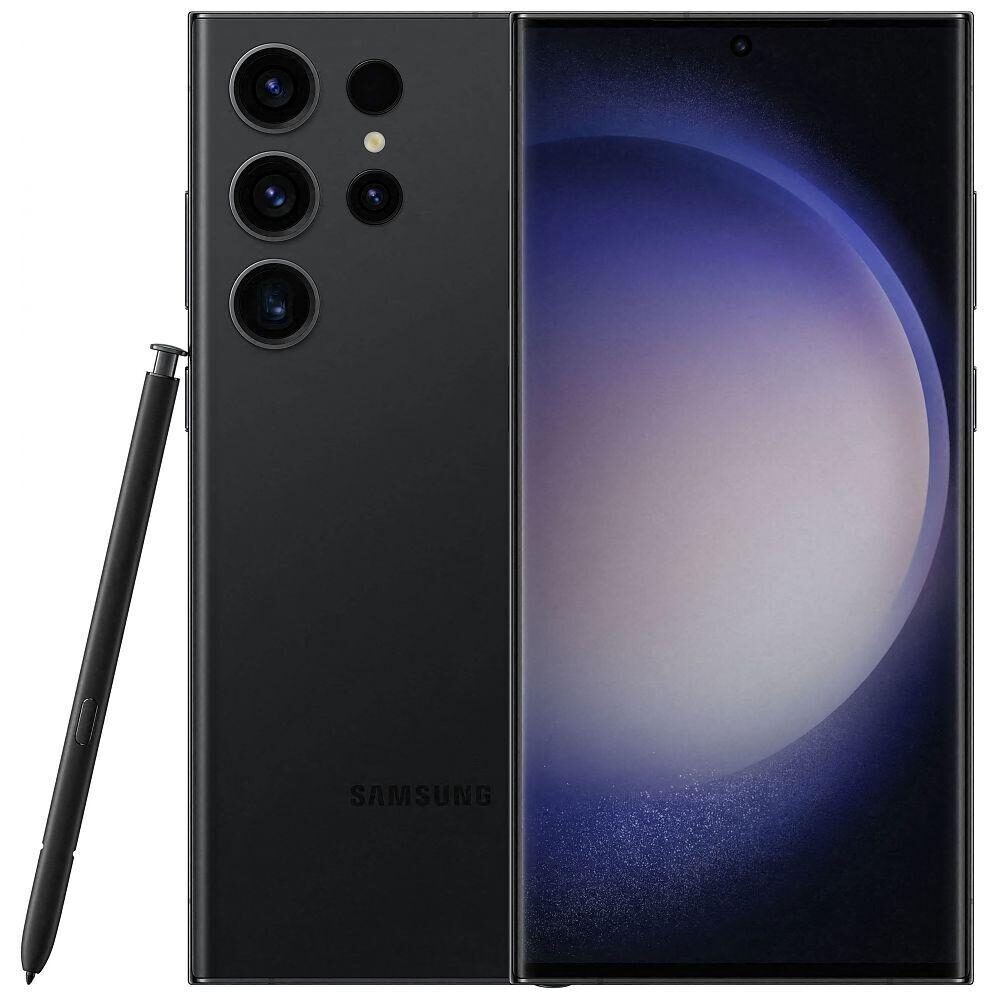
Galaxy A54 vs Xiaomi Poco F5
Shop Samsung Galaxy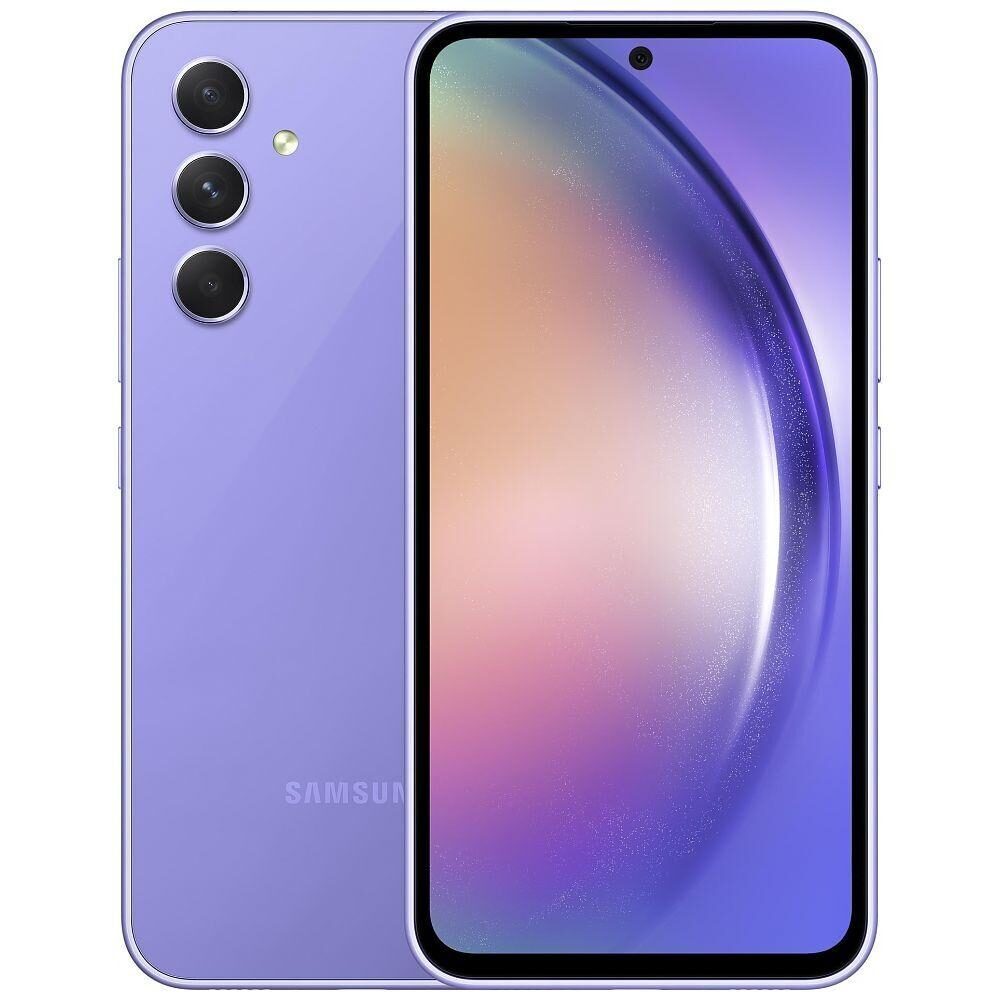
Galaxy A54
Starting at
£145.48£499.00 new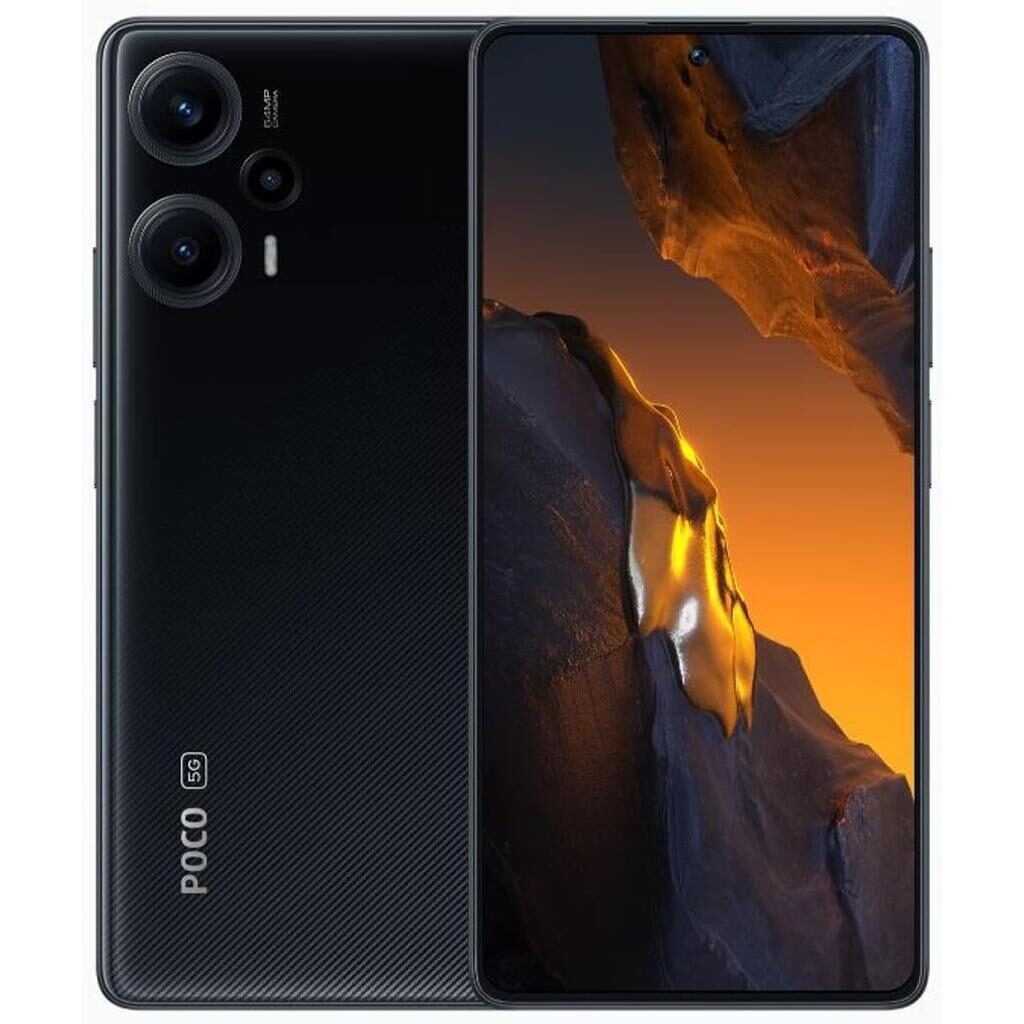
Xiaomi Poco F5
Starting at
£237.00What's the difference between the Galaxy A54 and Xiaomi Poco F5?
Galaxy A54 vs Xiaomi Poco F5 comes down to the chipset, screen size and screen type. Refurbished, the Galaxy A54 starts at £145.48, £91.52 less than the Xiaomi Poco F5.
Refurbished from
Chipset
Screen size
Screen type
Main camera
Front camera
- Chipset: Exynos 1380 (5 nm) on the Galaxy A54, Qualcomm SM7475-AB Snapdragon 7+ Gen 2 (4 nm) on the Xiaomi Poco F5.
- Screen size: 6.4 inch on the Galaxy A54, 6,67 inch on the Xiaomi Poco F5.
- Screen type: Super AMOLED on the Galaxy A54, AMOLED on the Xiaomi Poco F5.
Galaxy A54 vs Xiaomi Poco F5 specs
The Galaxy A54 and the Xiaomi Poco F5 both offer solid 2023 Android smartphones with similar battery size, memory, and software update support. The Poco F5 stands out with a more powerful Qualcomm Snapdragon 7+ Gen 2 chipset and a larger 6.67 inch AMOLED screen, suited for users who prioritise performance and a bigger display for media. The Galaxy A54 offers a Super AMOLED screen in a slightly smaller 6.4 inch size, with a higher resolution front camera ideal for selfies. Storage options differ, with the Poco F5 stocked at 256GB and the Galaxy A54 available with either 128GB or 256GB. The Poco F5 is lighter and slimmer while the Galaxy A54 supports eSIM and microSD card expansion, which suits those wanting more flexible SIM and storage setups.
Galaxy A54 vs Xiaomi Poco F5 price
Colour
Storage
- 256GBSold out
Galaxy A54 vs Xiaomi Poco F5 battery life and software updates
Durability covers battery capacity, software updates, and core hardware features that affect everyday use and longevity. Both devices share some key points but differ in SIM card options and physical dimensions.
Battery Capacity
Both the Galaxy A54 and Xiaomi Poco F5 have a 5000 mAh battery. This capacity suits users looking for long usage between charges, making either device reliable for a full day of typical use.
Software Updates
This means you receive current software features and security patches on either device.
SIM Card Options
The Galaxy A54 supports a Physical SIM plus eSIM, offering flexibility to use both a physical card and a digital SIM. The Xiaomi Poco F5 uses Dual Physical SIMs, which is ideal if you prefer two physical cards without using eSIM technology.
Battery
Foldable
Ip rating
Software updates
Year of release
Galaxy A54 vs Xiaomi Poco F5 performance
Performance differences are mainly found in the chipset and storage options. Both devices share the same RAM size, which supports smooth multitasking for everyday use.
Processor Chipset
The Xiaomi Poco F5 uses the Qualcomm SM7475-AB Snapdragon 7+ Gen 2 chipset built on a 4 nm process, which generally supports efficient and fast performance. The Galaxy A54 has the Exynos 1380 chipset built on a 5 nm process, offering solid everyday performance. The Poco F5 is suited for users who want more processing power for demanding apps.
RAM and Storage
Both phones come with 8 GB of RAM, keeping everyday apps running smoothly. The Poco F5 is stocked with 256GB of storage, ideal for users needing a large amount of space out of the box. The Galaxy A54 offers 128GB or 256GB options, providing a choice for those who prefer a lower storage capacity or more space.
Chipset
RAM
Galaxy A54 vs Xiaomi Poco F5 screen
Screen quality affects your viewing experience for video, gaming, and general use. Both phones feature high refresh rates but differ in size, resolution, and screen technology.
Screen Size and Resolution
The Xiaomi Poco F5 has a larger 6.67 inch screen with a resolution of 1080 x 2400, offering more room for watching videos and multitasking. The Galaxy A54 has a slightly smaller 6.4 inch screen at 1080 x 2340 resolution, which suits users looking for a more compact device that still delivers clear visuals.
Screen Type and Refresh Rate
The Galaxy A54 features a Super AMOLED screen, known for vibrant colours and deep blacks. The Xiaomi Poco F5 uses an AMOLED display, which still offers rich colours and good contrast. Both have a 120 Hz refresh rate, making scrolling and animations appear smooth on either device.
Refresh rate
Resolution
Screen size
Screen type
Galaxy A54 vs Xiaomi Poco F5 camera
Camera specifications influence how well you capture photos and video. Both phones have triple rear cameras but differ in megapixels and front camera resolution.
Main Rear Camera
The Xiaomi Poco F5 has a 64 megapixel main camera, which is suited for capturing more detailed photos. The Galaxy A54 has a 50 megapixel main camera, which also produces high-quality images and performs well in various lighting.
Front Camera
The Galaxy A54 offers a 32 megapixel front camera, ideal for sharp selfies and video calls. The Xiaomi Poco F5 has a 16 megapixel front camera, suitable for everyday selfies and video chats.
Camera type
Front camera
Main camera
Galaxy A54 vs Xiaomi Poco F5 size and design
Other features like connectivity, dimensions, and physical design elements can affect comfort and convenience. These differences help you choose a device that fits your preferences.
Physical Dimensions and Weight
The Xiaomi Poco F5 is slimmer and lighter at 7.9 mm thick and 181 g, which suits users who prefer a less bulky phone. The Galaxy A54 is 8.2 mm thick and weighs 202 g, offering a slightly more substantial feel in hand.
Connectivity and Ports
The Poco F5 includes a USB Type-C port plus a 3.5 mm headphone jack, useful if you want to use wired headphones without an adapter. The Galaxy A54 has a USB-C port for charging and data but no headphone jack.
SIM and Network
The Galaxy A54 supports a combination of Physical SIM and eSIM, useful for flexible mobile plans. The Poco F5 supports Dual Physical SIMs for users who want two separate physical SIM cards. Both phones support 5G networks for fast mobile data.
Storage Expansion
Both the Galaxy A54 and Xiaomi Poco F5 support microSDXC cards, allowing you to expand your storage beyond the built-in capacity.
Carrier compatibility
Connector
Depth
Height
Mobile network
SD card slot
SIM card
Weight
Width
Galaxy A54 or Xiaomi Poco F5: which should you buy?
Buy the Galaxy A54 if
- you want to spend less: it starts at £145.48, £91.52 less than the Xiaomi Poco F5
- you want a higher-resolution front camera (32 megapixels vs 16 megapixels)
Buy the Xiaomi Poco F5 if
- you want a higher-resolution main camera (64 megapixels vs 50 megapixels)
- you want a lighter build (181 g vs 202 g)
- you want a headphone jack
Galaxy A54 vs Xiaomi Poco F5 FAQs
Galaxy A54 vs Xiaomi Poco F5 comes down to the chipset, screen size and screen type. Chipset: Exynos 1380 (5 nm) on the Galaxy A54, Qualcomm SM7475-AB Snapdragon 7+ Gen 2 (4 nm) on the Xiaomi Poco F5. Screen size: 6.4 inch on the Galaxy A54, 6,67 inch on the Xiaomi Poco F5.
The Galaxy A54 is cheaper refurbished, from £145.48 compared with £237 for the Xiaomi Poco F5.
Both have the same battery: 5000 mAh.
The Xiaomi Poco F5 has a higher-resolution main camera: 64 megapixels vs 50 megapixels.
The Galaxy A54 gets updates until Mar 2028. We don't have published update dates for the Xiaomi Poco F5.
Refurbished, the Galaxy A54 comes in 128GB and 256GB, and the Xiaomi Poco F5 in 256GB.