Xiaomi Poco F5 vs Xiaomi Redmi Note 13 Pro
Shop Android Smartphones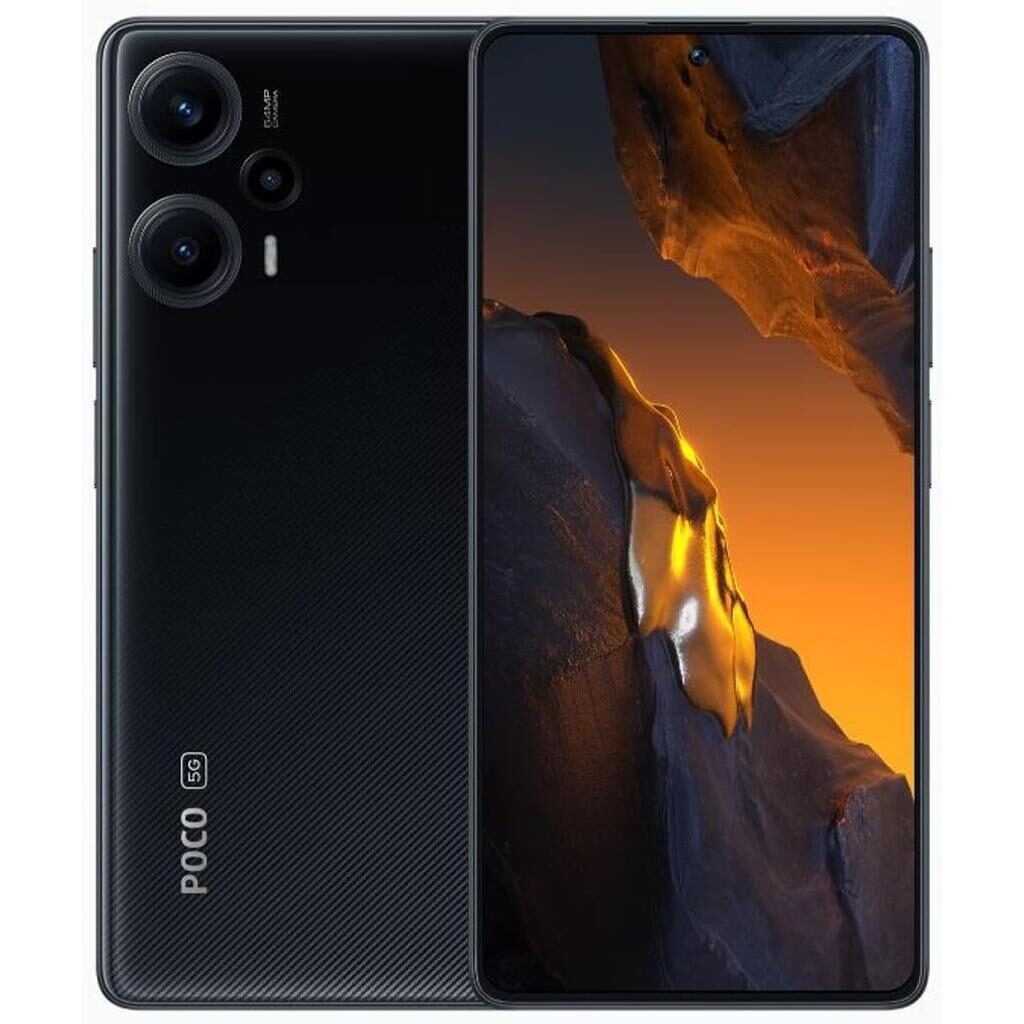
Xiaomi Poco F5
Starting at
£237.00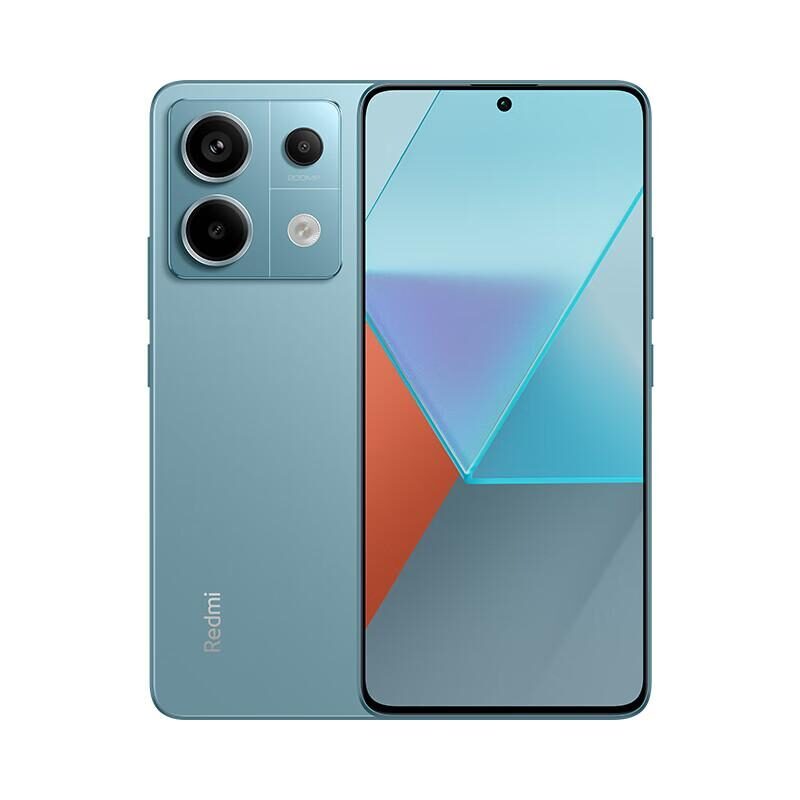
Xiaomi Redmi Note 13 Pro
Starting at
£262.00What's the difference between the Xiaomi Poco F5 and Xiaomi Redmi Note 13 Pro?
Xiaomi Poco F5 vs Redmi Note 13 Pro comes down to the chipset, RAM and battery. Refurbished, the Xiaomi Poco F5 starts at £237, £25 less than the Xiaomi Redmi Note 13 Pro.
Refurbished from
Chipset
RAM
Battery
Screen size
Main camera
- Chipset: Qualcomm SM7475-AB Snapdragon 7+ Gen 2 (4 nm) on the Xiaomi Poco F5, Qualcomm SM7435-AB Snapdragon 7s Gen 2 (4 nm) on the Xiaomi Redmi Note 13 Pro.
- The Xiaomi Redmi Note 13 Pro has more RAM: 12 GB vs 8 GB.
- Battery: 5000 mAh on the Xiaomi Poco F5, 5100 mAh on the Xiaomi Redmi Note 13 Pro.
Xiaomi Poco F5 vs Xiaomi Redmi Note 13 Pro specs
The Xiaomi Poco F5 and Xiaomi Redmi Note 13 Pro are both 2023 Android phones with strong features for everyday use and more demanding tasks. The Poco F5 is suited for those who want a balanced device with 8 GB of RAM and a 5000 mAh battery, plus a 3.5 mm headphone jack and expandable storage via microSDXC. The Redmi Note 13 Pro offers more RAM at 12 GB and a higher resolution screen, making it a good choice for multitasking and enjoying sharper visuals. It also has a standout 200 megapixels main camera for detailed photos. Both devices share a 120 Hz AMOLED screen and 5G connectivity, but the Redmi Note 13 Pro has a slight edge in screen resolution and camera capability while the Poco F5 offers more flexibility with audio and storage options.
Xiaomi Poco F5 vs Xiaomi Redmi Note 13 Pro price
Colour
- BlackSold out
- BlackSold out
- BlueSold out
Storage
- 256GBSold out
- 256GBSold out
Xiaomi Poco F5 vs Xiaomi Redmi Note 13 Pro battery life and software updates
Durability covers battery size, software updates, and physical design elements that affect how long the phone can be used comfortably and reliably.
Battery Capacity
The Xiaomi Poco F5 has a 5000 mAh battery, providing solid endurance for daily tasks and media playback. The Xiaomi Redmi Note 13 Pro offers a slightly larger 5100 mAh battery, which can provide a bit more runtime for extended use between charges.
Software Updates
This means they can both run current Android versions and receive security patches, keeping the device secure and up to date.
Battery
Foldable
Year of release
Xiaomi Poco F5 vs Xiaomi Redmi Note 13 Pro performance
Performance is key for how smoothly your phone runs apps, handles multitasking, and manages storage. Differences in RAM and chipset help define which phone suits your usage style best.
Processor Power
The Xiaomi Poco F5 uses the Qualcomm SM7475-AB Snapdragon 7+ Gen 2 chipset, while the Xiaomi Redmi Note 13 Pro runs on the Qualcomm SM7435-AB Snapdragon 7s Gen 2. Both are built on a 4 nm process, which supports efficient performance and battery use. The Poco F5's chipset is a variant within the Snapdragon 7 series, suited for a mix of everyday and more demanding tasks.
Memory Capacity
The Redmi Note 13 Pro offers 12 GB of RAM, which helps keep more apps open simultaneously and supports smoother multitasking. The Poco F5's 8 GB of RAM keeps everyday apps running smoothly and is suitable for general use and moderate multitasking.
Storage Options
Both phones come with 256 GB of storage in the versions stocked here. This provides ample space for apps, media, and files on either device.
Chipset
RAM
Xiaomi Poco F5 vs Xiaomi Redmi Note 13 Pro screen
Screen quality affects how you experience media, games, and general phone use. Both phones share some display features but differ in resolution and overall detail.
Screen Size and Type
Both the Xiaomi Poco F5 and Redmi Note 13 Pro have a 6,67 inch AMOLED screen. AMOLED technology delivers vibrant colours and deep blacks, making both phones well suited for watching videos and browsing.
Resolution and Sharpness
The Redmi Note 13 Pro has a higher screen resolution of 1220 x 2712 pixels, which means sharper and more detailed visuals. The Xiaomi Poco F5's 1080 x 2400 resolution is still clear and sharp, making it suitable for everyday use and media consumption where extreme detail is less critical.
Refresh Rate
Both phones offer a 120 Hz refresh rate, which delivers smooth scrolling and fluid animations. This makes both devices feel responsive and enjoyable for gaming or browsing.
Refresh rate
Resolution
Screen size
Screen type
Xiaomi Poco F5 vs Xiaomi Redmi Note 13 Pro camera
Camera and audio features define how well the phones capture photos and support your media experience. Differences here guide which phone fits your photography and listening preferences.
Main Camera Detail
The Redmi Note 13 Pro stands out with a 200 megapixels main camera, allowing for highly detailed photos that capture fine textures and details. The Poco F5's 64 megapixels main camera provides good quality photos suitable for everyday photography and social sharing.
Front Camera
Both phones have a 16 megapixels front camera, which supports clear video calls and selfies, suitable for social media and communication.
Camera Setup
Both devices feature a triple camera setup, giving flexibility for wide, ultra-wide, and depth or macro shots, supporting a range of photography styles.
Camera type
Front camera
Main camera
Xiaomi Poco F5 vs Xiaomi Redmi Note 13 Pro size and design
Other features cover connectivity, physical dimensions, and convenience elements that affect daily use and comfort.
Audio Connectivity
The Xiaomi Poco F5 includes both a USB Type-C port and a 3.5 mm headphone jack, which suits users who prefer wired headphones without needing an adapter. The Redmi Note 13 Pro offers USB-C only, which fits users comfortable with wireless audio or USB-C headphones.
Expandable Storage
The Poco F5 supports microSDXC cards, allowing you to expand storage if needed. This is helpful if you store large amounts of media or apps. The Redmi Note 13 Pro does not have this option.
Size and Weight
The Poco F5 measures 161.1 mm in height, 75 mm in width, and 7.9 mm in depth, weighing 181 g. The Redmi Note 13 Pro is slightly taller at 161.2 mm, wider at 74.3 mm, and thicker at 8 mm, weighing 187 g. These small differences may influence how the phone feels in your hand or pocket.
SIM and Network
Both phones support dual physical SIM cards and 5G networks, offering flexibility for multiple numbers and fast mobile internet.
Carrier and Connectivity
Both devices are unlocked, giving freedom to choose or switch carriers as you wish.
Carrier compatibility
Connector
Depth
Height
Mobile network
SD card slot
SIM card
Weight
Width
Xiaomi Poco F5 or Xiaomi Redmi Note 13 Pro: which should you buy?
Buy the Xiaomi Poco F5 if
- you want to spend less: it starts at £237, £25 less than the Xiaomi Redmi Note 13 Pro
- you want a lighter build (181 g vs 187 g)
- you want a headphone jack
Buy the Xiaomi Redmi Note 13 Pro if
- you want more RAM (12 GB vs 8 GB)
- you want a higher-resolution main camera (200 megapixels vs 64 megapixels)
Xiaomi Poco F5 vs Xiaomi Redmi Note 13 Pro FAQs
Xiaomi Poco F5 vs Redmi Note 13 Pro comes down to the chipset, RAM and battery. Chipset: Qualcomm SM7475-AB Snapdragon 7+ Gen 2 (4 nm) on the Xiaomi Poco F5, Qualcomm SM7435-AB Snapdragon 7s Gen 2 (4 nm) on the Xiaomi Redmi Note 13 Pro. The Xiaomi Redmi Note 13 Pro has more RAM: 12 GB vs 8 GB.
The Xiaomi Poco F5 is cheaper refurbished, from £237 compared with £262 for the Xiaomi Redmi Note 13 Pro.
The Xiaomi Poco F5 has 5000 mAh and the Xiaomi Redmi Note 13 Pro has 5100 mAh.
The Xiaomi Redmi Note 13 Pro has a higher-resolution main camera: 200 megapixels vs 64 megapixels.
Both come in 256GB refurbished.