Xiaomi Poco F5 vs Xiaomi Poco M3
Shop Android Smartphones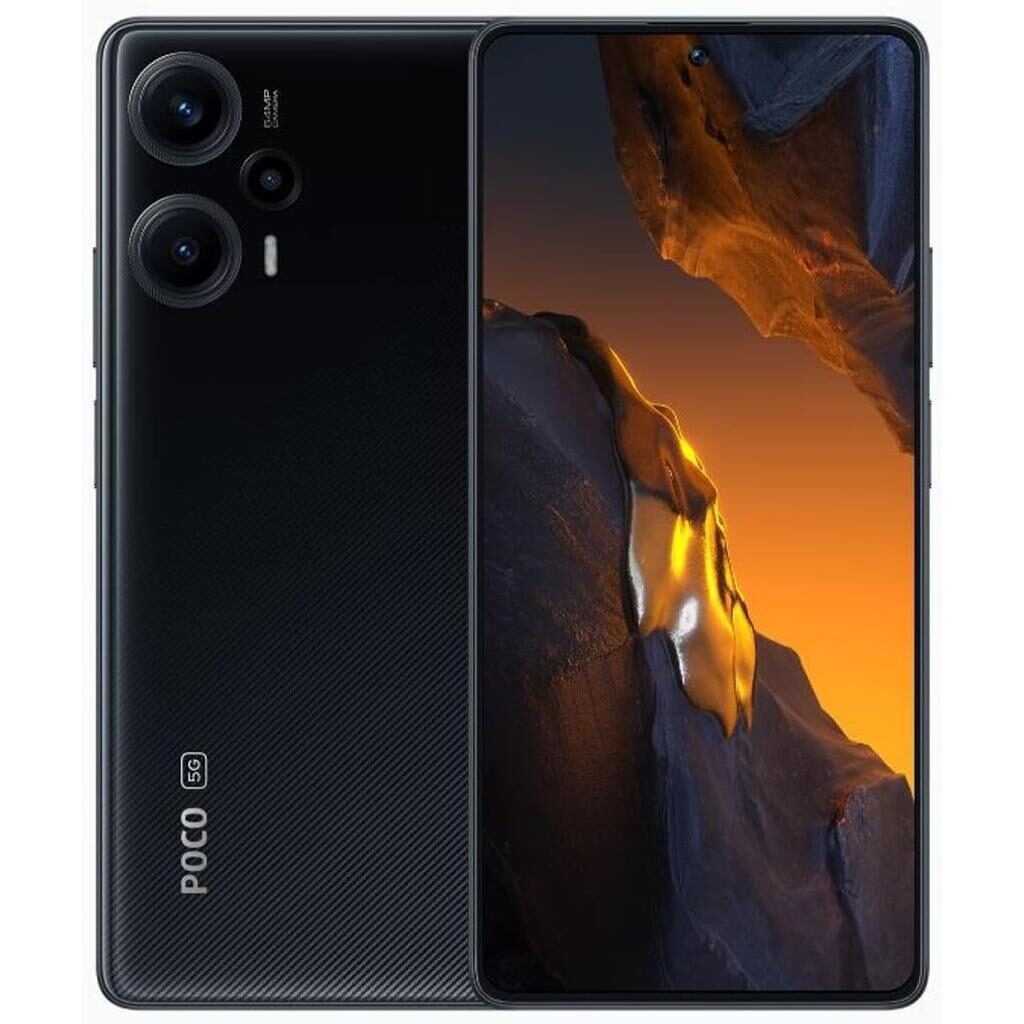
Xiaomi Poco F5
Starting at
£237.00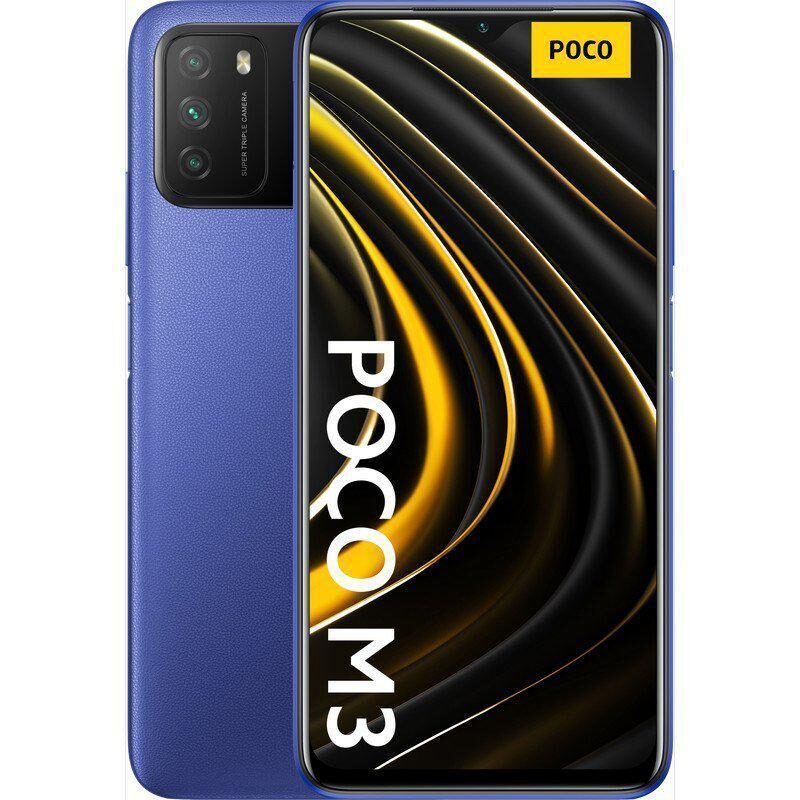
Xiaomi Poco M3
Starting at
£116.00What's the difference between the Xiaomi Poco F5 and Xiaomi Poco M3?
Xiaomi Poco F5 vs M3 comes down to the chipset, RAM and battery. Refurbished, the Xiaomi Poco M3 starts at £116, £121 less than the Xiaomi Poco F5. The Xiaomi Poco F5 is the newer model, released in 2023.
Refurbished from
Chipset
RAM
Battery
Screen size
Screen type
- Chipset: Qualcomm SM7475-AB Snapdragon 7+ Gen 2 (4 nm) on the Xiaomi Poco F5, Qualcomm SM6115 Snapdragon 662 (11 nm) on the Xiaomi Poco M3.
- The Xiaomi Poco F5 has more RAM: 8 GB vs 4 GB.
- The Xiaomi Poco M3 has a bigger battery: 6000 mAh vs 5000 mAh.
Xiaomi Poco F5 vs Xiaomi Poco M3 specs
The Xiaomi Poco F5 and Xiaomi Poco M3 cater to different needs with their distinct features. The Poco F5 suits users who want faster performance, a sharper and smoother screen, and more detailed cameras. The Poco M3 offers a larger battery capacity and smaller storage options, which may appeal to those prioritising longer battery life and simpler daily use. Both run Android and support microSDXC cards and dual SIMs. Their differences in speed, screen technology, and camera resolution help you choose based on your priorities.
Xiaomi Poco F5 vs Xiaomi Poco M3 price
Colour
- BlackSold out
- BlackSold out
- BlueSold out
Storage
- 256GBSold out
- 64GBSold out
- 128GBSold out
Xiaomi Poco F5 vs Xiaomi Poco M3 battery life and software updates
Battery capacity and software updates are key points when considering durability. The Xiaomi Poco F5 and Poco M3 differ notably in these areas, which can affect how long each lasts and stays current.
Battery Capacity
The Xiaomi Poco M3 comes with a 6000 mAh battery, which suits users who want longer usage between charges. The Xiaomi Poco F5 has a 5000 mAh battery, balancing good capacity with a lighter weight and slimmer design.
Battery
Fast charging
Foldable
Year of release
Xiaomi Poco F5 vs Xiaomi Poco M3 performance
Performance varies between these two devices through differences in chipset, RAM, and storage capacity. These affect how smoothly apps run and how much space you have for files and apps.
Processor Technology
The Xiaomi Poco F5 is equipped with a Qualcomm SM7475-AB Snapdragon 7+ Gen 2 built on a 4 nm process. This suits users who seek faster processing speeds and more efficiency. The Xiaomi Poco M3 uses a Qualcomm SM6115 Snapdragon 662 on an 11 nm process, suitable for everyday tasks and basic app use.
Memory for Multitasking
With 8 GB of RAM, the Xiaomi Poco F5 keeps more apps open smoothly, benefitting those who switch between multiple tasks or use demanding apps. The Xiaomi Poco M3 offers 4 GB of RAM, which works well for everyday use and simpler app needs.
Storage Capacity
The Xiaomi Poco F5 comes with 256 GB of storage, ideal for users who want to store many apps, photos, and videos without frequently managing space. The Xiaomi Poco M3 offers 64 GB and 128 GB options, which suit users with lighter storage requirements.
Chipset
RAM
Xiaomi Poco F5 vs Xiaomi Poco M3 screen
Screen quality impacts how content looks and feels on your device. The Xiaomi Poco F5 and Poco M3 differ in screen type, refresh rate, resolution, and size, each suiting different viewing preferences.
Screen Technology
The Xiaomi Poco F5 features an AMOLED screen, which provides richer colours and deeper blacks, enhancing media viewing and general use. The Xiaomi Poco M3 uses an IPS LCD screen, which offers good clarity and brightness for everyday tasks.
Refresh Rate
The Poco F5 has a 120 Hz refresh rate, making animations and scrolling appear smoother. This suits users who notice and appreciate fluid motion in apps and games. The Poco M3 has a 60 Hz refresh rate, which is standard and sufficient for regular use.
Screen Resolution and Size
The Poco F5 has a 6,67 inch screen with a resolution of 1080 x 2400, giving a slightly larger and sharper display area. The Poco M3 has a 6.53 inch screen with 1080 x 2340 resolution, offering a compact size that fits comfortably in hand.
Refresh rate
Resolution
Screen size
Screen type
Xiaomi Poco F5 vs Xiaomi Poco M3 camera
Camera specifications influence photo and video quality. The Xiaomi Poco F5 and Poco M3 both have triple main cameras but differ in megapixel counts and front camera resolution, which affects detail and selfie quality.
Main Camera Detail
The Xiaomi Poco F5 offers a 64 megapixel main camera, which captures more detail and suits users interested in sharper photos. The Xiaomi Poco M3 has a 48 megapixel main camera, suitable for everyday photography needs.
Front Camera Resolution
The Poco F5 includes a 16 megapixel front camera, providing higher resolution selfies and video calls. The Poco M3 has an 8 megapixel front camera, which works well for basic selfie and video call use.
Camera type
Front camera
Main camera
Xiaomi Poco F5 vs Xiaomi Poco M3 size and design
Additional features such as network compatibility, size, weight, ports, and SIM options play a role in daily convenience and connectivity. These subtle differences help identify which device matches your lifestyle better.
Network and SIM Support
The Xiaomi Poco F5 supports 5G mobile networks, offering faster internet speeds where available, which suits users in areas with 5G coverage. The Xiaomi Poco M3 supports 4G, providing reliable connectivity for everyday browsing and calls. Both devices have dual physical SIM slots for managing two numbers simultaneously.
Device Dimensions and Weight
The Poco F5 is slimmer and lighter at 7.9 mm depth and 181 g weight, which users may find easier to carry and hold for extended periods. The Poco M3 is slightly thicker and heavier at 9.6 mm depth and 198 g weight, which can offer a more substantial feel.
Connectors and Expandable Storage
Both devices feature USB Type-C and 3.5 mm headphone jacks for charging and audio. Each supports microSDXC cards, allowing you to expand storage beyond the built-in capacity.
Carrier compatibility
Connector
Depth
Height
Mobile network
SD card slot
SIM card
Weight
Width
Xiaomi Poco F5 or Xiaomi Poco M3: which should you buy?
Buy the Xiaomi Poco F5 if
- you want more RAM (8 GB vs 4 GB)
- you want an OLED screen
- you want a smoother screen (120 Hz vs 60 Hz)
Buy the Xiaomi Poco M3 if
- you want to spend less: it starts at £116, £121 less than the Xiaomi Poco F5
- you want a bigger battery (6000 mAh vs 5000 mAh)
Xiaomi Poco F5 vs Xiaomi Poco M3 FAQs
Xiaomi Poco F5 vs M3 comes down to the chipset, RAM and battery. Chipset: Qualcomm SM7475-AB Snapdragon 7+ Gen 2 (4 nm) on the Xiaomi Poco F5, Qualcomm SM6115 Snapdragon 662 (11 nm) on the Xiaomi Poco M3. The Xiaomi Poco F5 has more RAM: 8 GB vs 4 GB.
The Xiaomi Poco M3 is cheaper refurbished, from £116 compared with £237 for the Xiaomi Poco F5.
The Xiaomi Poco M3 has a bigger battery: 6000 mAh vs 5000 mAh.
The Xiaomi Poco F5 has a higher-resolution main camera: 64 megapixels vs 48 megapixels.
The Xiaomi Poco F5 adds more RAM (8 GB vs 4 GB), an OLED screen and a smoother screen (120 Hz vs 60 Hz). Refurbished, it costs £121 more (from £237 vs £116).
Refurbished, the Xiaomi Poco F5 comes in 256GB, and the Xiaomi Poco M3 in 64GB and 128GB.