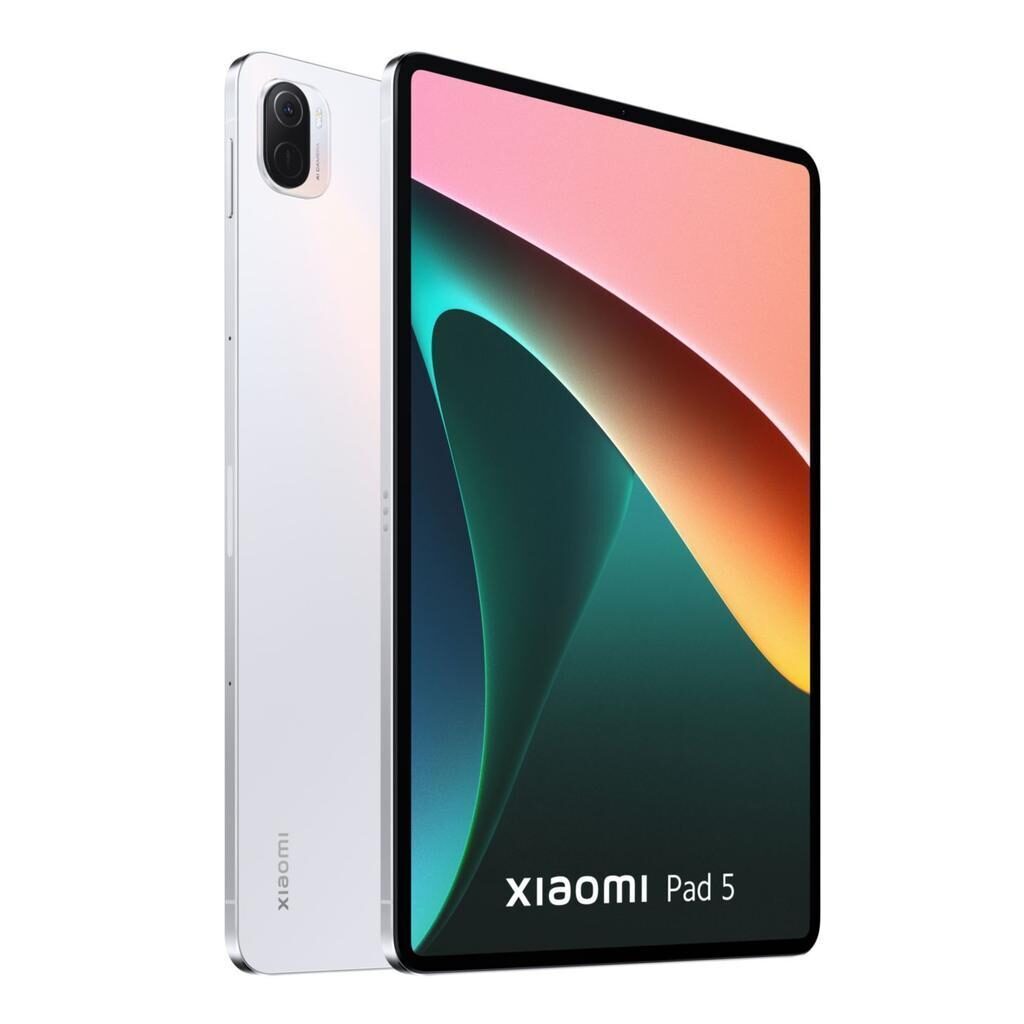
OnePlus Pad Lite (11.0", 2025) vs Xiaomi Redmi Pad 2 Pro (12.1", 2025)
Shop Android Tablet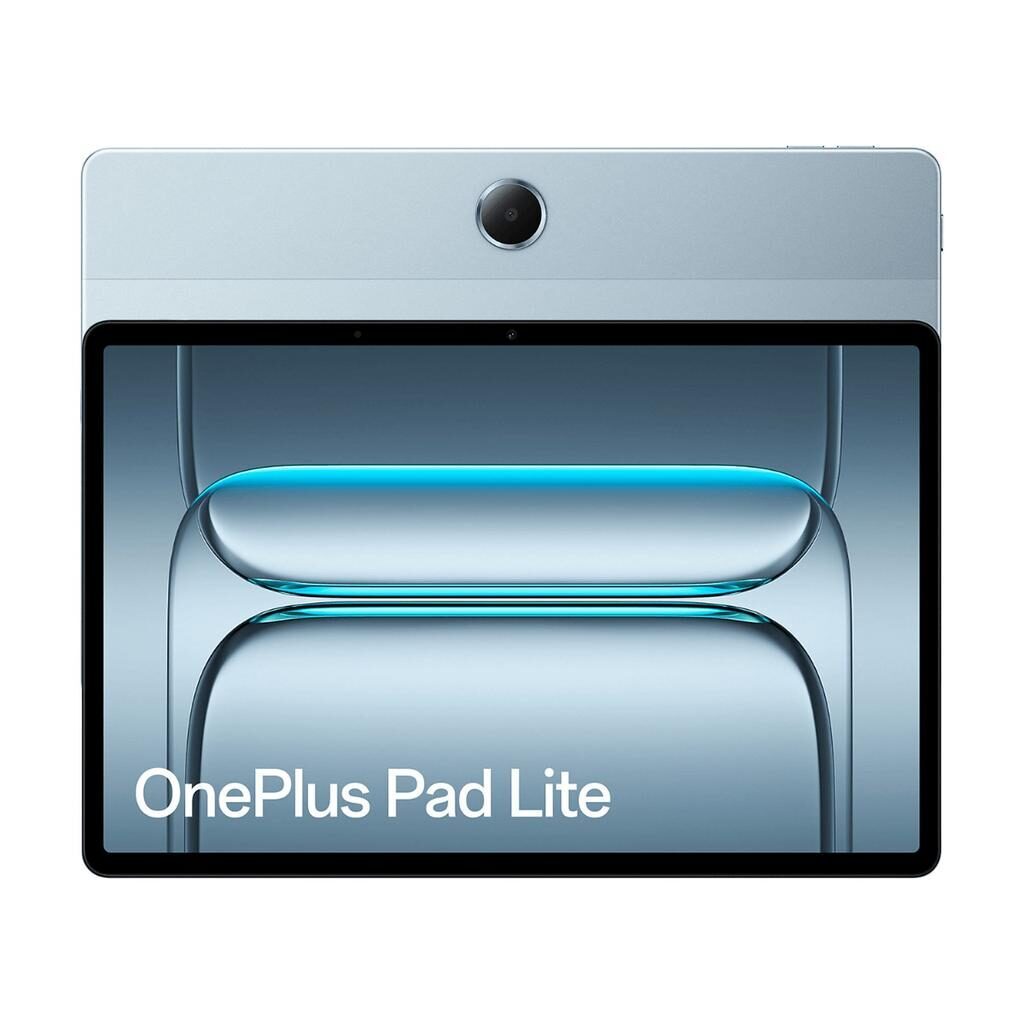
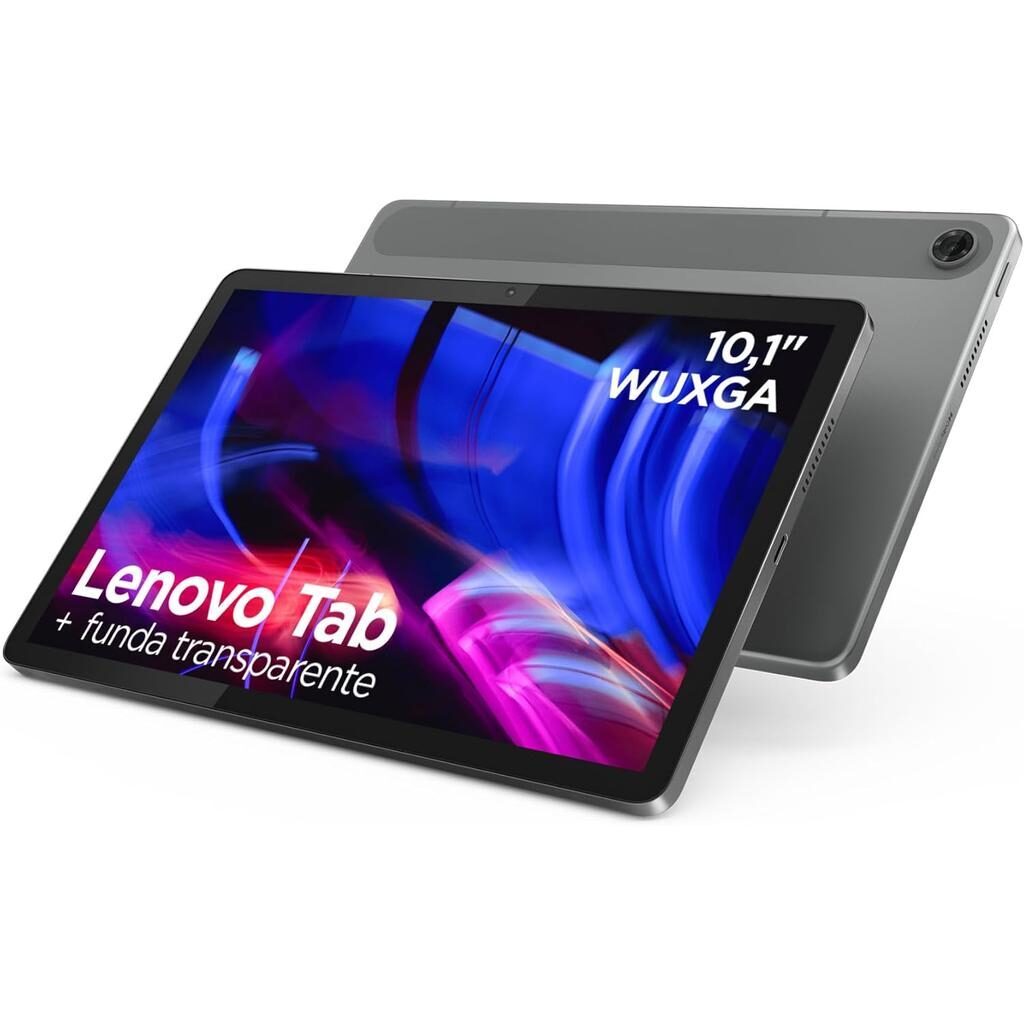
OnePlus Pad Lite (11.0", 2025)
Starting at
£177.00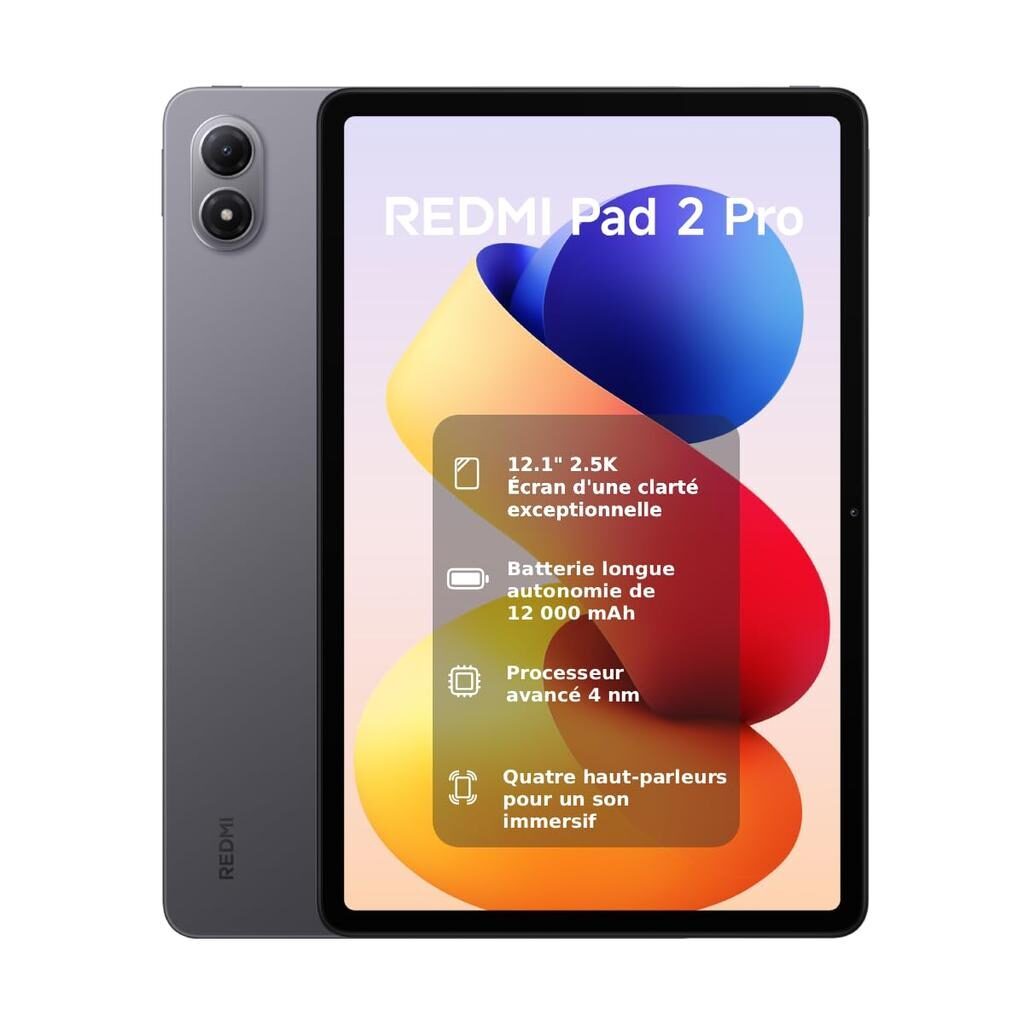
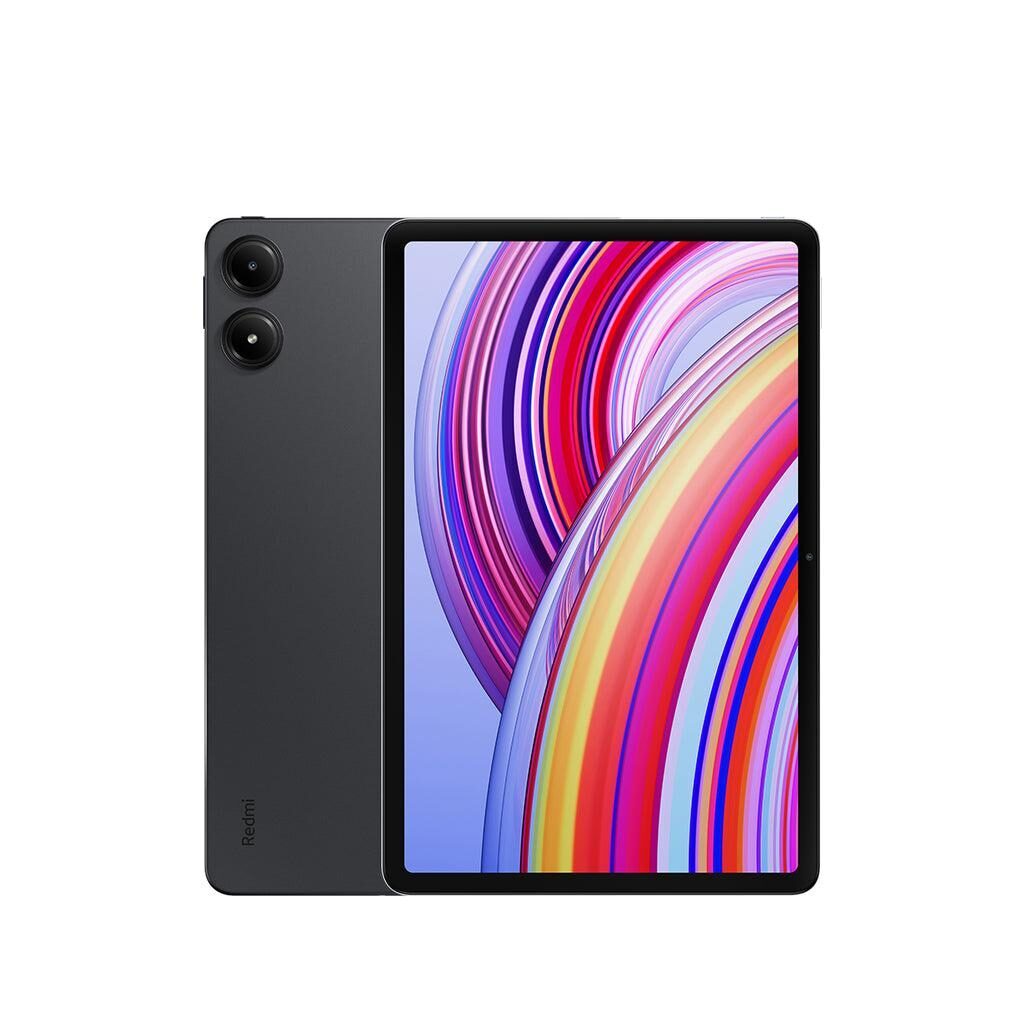
Xiaomi Redmi Pad 2 Pro (12.1", 2025)
Starting at
£262.00What's the difference between the OnePlus Pad Lite (11.0", 2025) and Xiaomi Redmi Pad 2 Pro (12.1", 2025)?
OnePlus Pad Lite (11.0", 2025) vs Xiaomi Redmi Pad 2 Pro (12.1", 2025) comes down to the chipset, battery and screen size. Refurbished, the OnePlus Pad Lite (11.0", 2025) starts at £177, £85 less than the Xiaomi Redmi Pad 2 Pro (12.1", 2025).
Refurbished from
Chipset
Battery
Screen size
Refresh rate
Main camera
- Chipset: Mediatek Helio G100 (6 nm) on the OnePlus Pad Lite (11.0", 2025), Qualcomm SM7635-AC Snapdragon 7s Gen 4 (4 nm) on the Xiaomi Redmi Pad 2 Pro (12.1", 2025).
- The Xiaomi Redmi Pad 2 Pro (12.1", 2025) has a bigger battery: 12000 mAh vs 9340 mAh.
- The Xiaomi Redmi Pad 2 Pro (12.1", 2025) has a bigger screen: 12.1 inch vs 11.0 inch.
OnePlus Pad Lite (11.0", 2025) vs Xiaomi Redmi Pad 2 Pro (12.1", 2025) specs
The OnePlus Pad Lite offers a slightly smaller 11.0 inch screen and a battery capacity of 9340 mAh, suitable for users who prefer a more compact device with 4G connectivity. The Xiaomi Redmi Pad 2 Pro features a larger 12.1 inch display with a higher resolution and refresh rate, alongside a bigger 12000 mAh battery, making it a good choice for those who want a more expansive viewing experience and longer battery life without cellular support. Performance-wise, the Xiaomi Redmi Pad 2 Pro is powered by a Snapdragon 7s Gen 4 processor, while the OnePlus Pad Lite runs on a Mediatek Helio chipset, both with 6 GB of RAM, catering to different preferences in processing power and brand. The Redmi Pad 2 Pro also has higher megapixel cameras and Bluetooth 5.4, which suits users who prioritise audiovisual quality and connectivity.
OnePlus Pad Lite (11.0", 2025) vs Xiaomi Redmi Pad 2 Pro (12.1", 2025) price
Colour
- BlueSold out
- GreySold out
Storage
- 128GBSold out
- 128GBSold out
OnePlus Pad Lite (11.0", 2025) vs Xiaomi Redmi Pad 2 Pro (12.1", 2025) battery life and software updates
Durability covers battery size, software updates, and operating system support. These factors influence how long the device lasts on a charge and how current its software remains.
Battery Capacity
The Xiaomi Redmi Pad 2 Pro has a larger 12000 mAh battery, which suits users looking for longer usage between charges. The OnePlus Pad Lite's 9340 mAh battery is still substantial and fits well with a smaller screen size, making it suitable for users who want a lighter device with decent battery life.
Software Updates
The OnePlus Pad Lite uses Android 15, while the Xiaomi Redmi Pad 2 Pro runs Xiaomi HyperOS 2, offering different software environments that may appeal based on personal preference.
Battery
Maximum operating system supported
Year of release
OnePlus Pad Lite (11.0", 2025) vs Xiaomi Redmi Pad 2 Pro (12.1", 2025) performance
Performance depends on the chipset and RAM, which affect how smoothly apps run and how the device handles multitasking.
Processor and Chipset
The Xiaomi Redmi Pad 2 Pro is powered by the Qualcomm Snapdragon 7s Gen 4 chipset built on a 4 nm process, which offers efficiency and power suited for more demanding tasks. The OnePlus Pad Lite uses a Mediatek Helio G100 chipset on a 6 nm process, fitting everyday use and lighter apps. Both devices offer 6 GB of RAM, supporting smooth multitasking for most users.
Storage Options
Both tablets come with 128 GB of storage in the models stocked, providing ample space for apps, media, and documents.
Chipset
Processor
Processor brand
Processor core
Processor speed ghz
RAM
OnePlus Pad Lite (11.0", 2025) vs Xiaomi Redmi Pad 2 Pro (12.1", 2025) screen
Screen size, resolution, and refresh rate affect how content looks and feels when you use the device, influencing viewing comfort and smoothness.
Screen Size and Resolution
The Xiaomi Redmi Pad 2 Pro has a 12.1 inch IPS LCD screen with a resolution of 1600 by 2560 pixels, offering more room and sharper images for watching videos or working on documents. The OnePlus Pad Lite features an 11.0 inch IPS LCD screen with a resolution of 1200 by 1920 pixels, which suits users who prefer a more compact device that is still clear and bright.
Refresh Rate
The Xiaomi Redmi Pad 2 Pro supports a 120 Hz refresh rate, providing smoother scrolling and animations which benefit gaming or fast-moving content. The OnePlus Pad Lite has a 90 Hz refresh rate, which still delivers fluid visuals but with slightly less smoothness.
Brightness
Pixel density
Refresh rate
Resolution
Screen size
Screen type
OnePlus Pad Lite (11.0", 2025) vs Xiaomi Redmi Pad 2 Pro (12.1", 2025) camera
Audiovisual features include cameras and speakers, affecting video calls, photography, and media playback.
Camera Quality
The Xiaomi Redmi Pad 2 Pro offers higher resolution cameras with an 8 megapixel front camera and dual rear cameras at 8 and 13 megapixels, capturing more detail in photos and video calls. The OnePlus Pad Lite has 5 megapixel front and rear cameras, suitable for simple selfies and video chats.
Speakers and Webcam
Both tablets are equipped with four stereo speakers, providing balanced sound for media consumption. Each also includes a webcam, supporting video calls and conferencing.
Front camera
Front camera definition
Main camera
Rear camera definition
Speakers
Video recording
Webcam
OnePlus Pad Lite (11.0", 2025) vs Xiaomi Redmi Pad 2 Pro (12.1", 2025) size and design
Miscellaneous details cover connectivity, dimensions, and other practical aspects that affect everyday use and portability.
Connectivity Options
The OnePlus Pad Lite supports Wi-Fi and 4G cellular connectivity, ideal for users who want internet access on the go. The Xiaomi Redmi Pad 2 Pro connects via Wi-Fi only and does not have a SIM port. Bluetooth versions differ, with the Xiaomi device offering Bluetooth 5.4 and the OnePlus using Bluetooth 5.2, which may provide slightly improved wireless connections for newer accessories.
Size and Weight
The Xiaomi Redmi Pad 2 Pro is larger and heavier, measuring 279.8 mm in height, 181.7 mm in width, and weighing 610 g, suitable for users who prioritise screen space over portability. The OnePlus Pad Lite is smaller and lighter at 254.9 mm height, 166.5 mm width, and 530 g, fitting those who prefer a more compact and easy-to-carry tablet.
Wi-Fi Technology
The Xiaomi Redmi Pad 2 Pro supports Wi-Fi 802.11 a/b/g/n/a/6, which includes the newer Wi-Fi 6 standard for faster and more stable wireless internet where available. The OnePlus Pad Lite supports Wi-Fi 802.11 a/b/g/n/ac, offering solid performance on most networks.
120hz
Bluetooth version
Carrier compatibility
Connector
Depth
Double sim
Headphones connectivity
Height
Megapixels
Network
Weight
Width
Wifi technology
With stylus pencil
OnePlus Pad Lite (11.0", 2025) or Xiaomi Redmi Pad 2 Pro (12.1", 2025): which should you buy?
Buy the OnePlus Pad Lite (11.0", 2025) if
- you want to spend less: it starts at £177, £85 less than the Xiaomi Redmi Pad 2 Pro (12.1", 2025)
- you want a lighter build (530 g vs 610 g)
Buy the Xiaomi Redmi Pad 2 Pro (12.1", 2025) if
- you want a bigger battery (12000 mAh vs 9340 mAh)
- you want a bigger screen (12.1 inch vs 11.0 inch)
- you want a smoother screen (120 Hz vs 90 Hz)
OnePlus Pad Lite (11.0", 2025) vs Xiaomi Redmi Pad 2 Pro (12.1", 2025) FAQs
OnePlus Pad Lite (11.0", 2025) vs Xiaomi Redmi Pad 2 Pro (12.1", 2025) comes down to the chipset, battery and screen size. Chipset: Mediatek Helio G100 (6 nm) on the OnePlus Pad Lite (11.0", 2025), Qualcomm SM7635-AC Snapdragon 7s Gen 4 (4 nm) on the Xiaomi Redmi Pad 2 Pro (12.1", 2025). The Xiaomi Redmi Pad 2 Pro (12.1", 2025) has a bigger battery: 12000 mAh vs 9340 mAh.
The OnePlus Pad Lite (11.0", 2025) is cheaper refurbished, from £177 compared with £262 for the Xiaomi Redmi Pad 2 Pro (12.1", 2025).
The Xiaomi Redmi Pad 2 Pro (12.1", 2025) has a bigger battery: 12000 mAh vs 9340 mAh.
The OnePlus Pad Lite (11.0", 2025) has 5 megapixels and the Xiaomi Redmi Pad 2 Pro (12.1", 2025) has 8 megapixels, 13 megapixels.
Both come in 128GB refurbished.