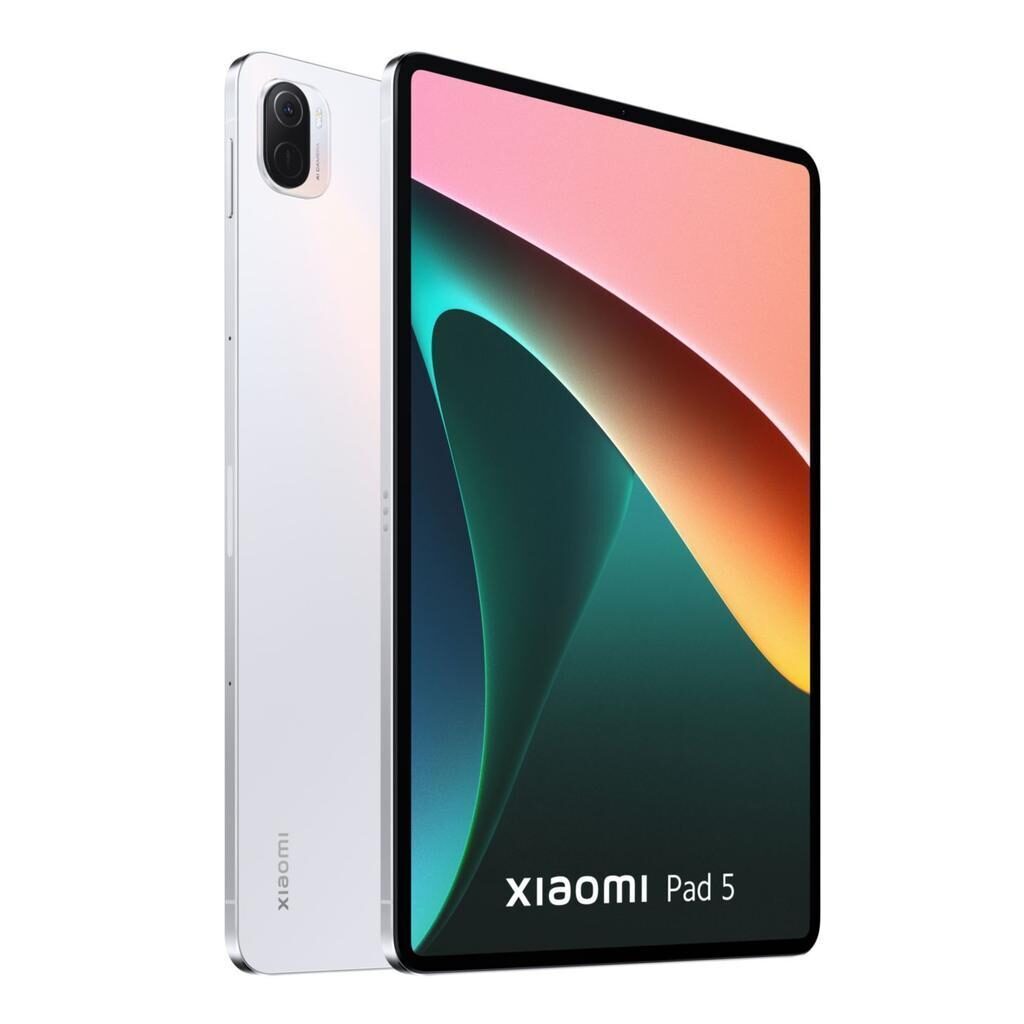
OnePlus Pad Lite (11.0", 2025) vs Xiaomi Redmi Pad 2 (11.0", 2025)
Shop Android Tablet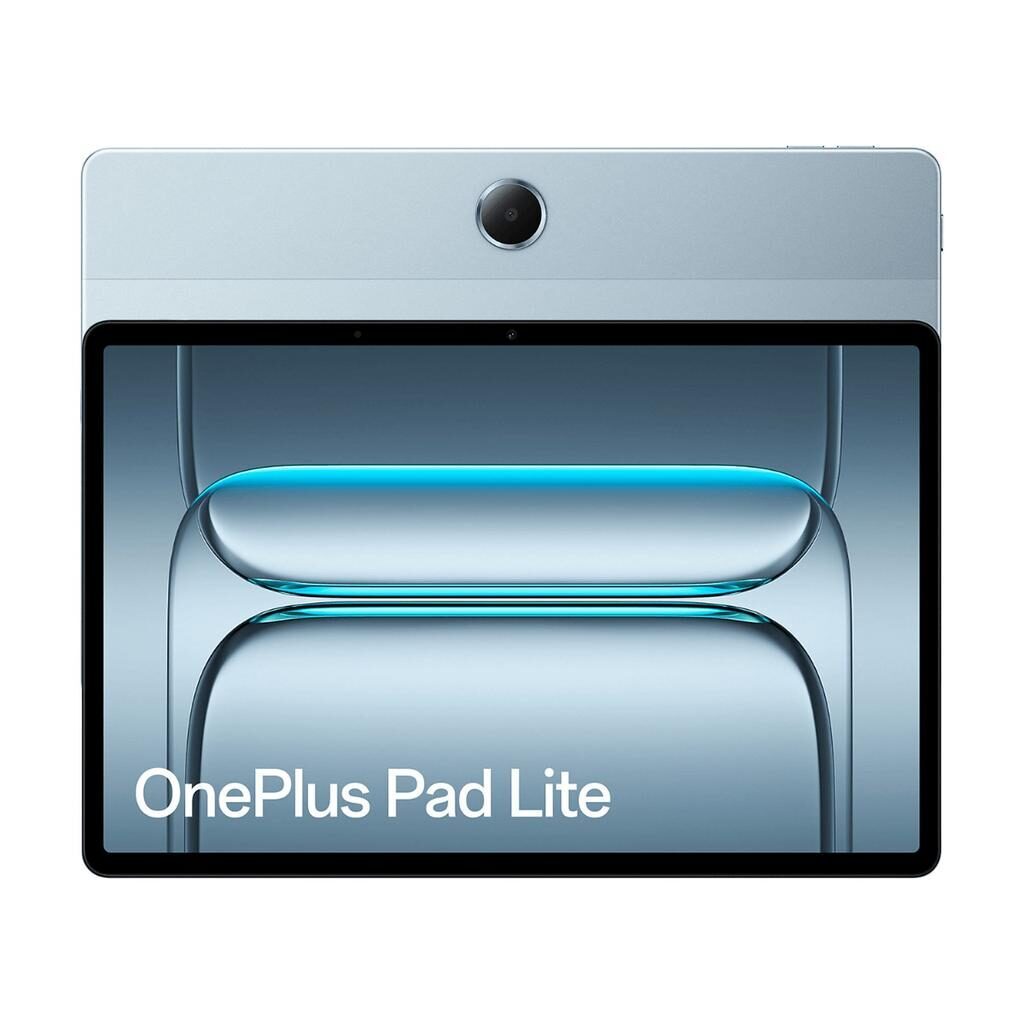
OnePlus Pad Lite (11.0", 2025)
Starting at
£177.00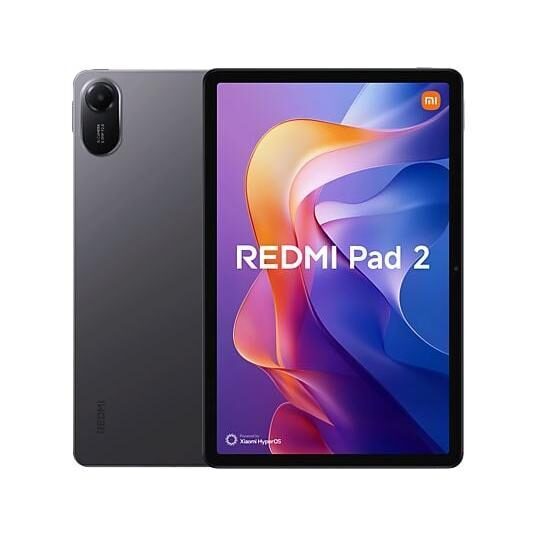
Xiaomi Redmi Pad 2 (11.0", 2025)
Starting at
£172.00What's the difference between the OnePlus Pad Lite (11.0", 2025) and Xiaomi Redmi Pad 2 (11.0", 2025)?
OnePlus Pad Lite (11.0", 2025) vs Xiaomi Redmi Pad 2 (11.0", 2025) comes down to the chipset, RAM and battery. Refurbished, the Xiaomi Redmi Pad 2 (11.0", 2025) starts at £172, £5 less than the OnePlus Pad Lite (11.0", 2025).
Refurbished from
Chipset
RAM
Battery
Main camera
Weight
- Chipset: Mediatek Helio G100 (6 nm) on the OnePlus Pad Lite (11.0", 2025), Mediatek Helio G100 Ultra (6 nm) on the Xiaomi Redmi Pad 2 (11.0", 2025).
- The OnePlus Pad Lite (11.0", 2025) has more RAM: 6 GB vs 4 GB.
- The OnePlus Pad Lite (11.0", 2025) has a bigger battery: 9340 mAh vs 9000 mAh.
OnePlus Pad Lite (11.0", 2025) vs Xiaomi Redmi Pad 2 (11.0", 2025) specs
The OnePlus Pad Lite and Xiaomi Redmi Pad 2 share the same screen size and general form but differ in several key areas. The OnePlus Pad Lite offers a larger battery and more RAM, supporting Android 15, which suits users wanting longer battery life and smoother multitasking. The Xiaomi Redmi Pad 2 has a brighter, higher-resolution screen and a sharper rear camera, appealing to those who value screen clarity and photography detail. Xiaomi also supports a different OS version and includes a 3.5 mm headphone jack, which some users may prefer. Storage options are the same in stock models. Overall, the OnePlus suits users who prioritise battery and memory, while the Xiaomi fits those who want a crisper display and camera.
OnePlus Pad Lite (11.0", 2025) vs Xiaomi Redmi Pad 2 (11.0", 2025) price
Colour
- BlueSold out
- GreySold out
Storage
- 128GBSold out
- 128GBSold out
OnePlus Pad Lite (11.0", 2025) vs Xiaomi Redmi Pad 2 (11.0", 2025) battery life and software updates
Durability covers battery capacity, operating systems, and release details. These influence how long the device can run and what software versions you can expect.
Battery Capacity
The OnePlus Pad Lite has a 9340 mAh battery which supports longer usage between charges. This makes it suitable if you need extended battery life for work or entertainment on the go. The Xiaomi Redmi Pad 2 has a slightly smaller 9000 mAh battery, still ample for daily use but with less overall capacity.
Operating System Support
The Xiaomi Redmi Pad 2 runs Xiaomi HyperOS 2, a variant of Android, offering a different user experience and ecosystem. Your preference in software environment will guide which suits you better.
Battery
Maximum operating system supported
Year of release
OnePlus Pad Lite (11.0", 2025) vs Xiaomi Redmi Pad 2 (11.0", 2025) performance
Performance depends on the chipset, RAM, and storage options. These affect speed, multitasking, and storage space for apps and media.
Processor and Speed
The Xiaomi Redmi Pad 2 uses the Mediatek Helio G100 Ultra chipset with a 2.2 GHz processor speed, delivering performance suited for everyday tasks and multimedia. The OnePlus Pad Lite has the Mediatek Helio G100 chipset.
RAM Capacity
OnePlus Pad Lite has 6 GB of RAM, which helps keep more apps open and supports smoother multitasking. Xiaomi Redmi Pad 2 comes with 4 GB RAM, which is good for everyday use and moderate multitasking.
Storage Options
Both devices are stocked here with 128 GB storage. Xiaomi Redmi Pad 2 also offers a 256 GB variant, which can suit those needing more space for apps, photos, and videos.
Chipset
Processor
Processor brand
Processor core
Processor speed ghz
RAM
OnePlus Pad Lite (11.0", 2025) vs Xiaomi Redmi Pad 2 (11.0", 2025) screen
Screen quality affects how you see content, including brightness, resolution, and refresh rate. Both tablets share the same screen size and type but differ in clarity and brightness.
Brightness
The Xiaomi Redmi Pad 2 has a brighter screen at 600 nits, which improves visibility in bright environments and outdoor use. The OnePlus Pad Lite's 500 nits brightness is still strong for indoor and most outdoor settings.
Resolution
Xiaomi Redmi Pad 2 offers a higher resolution of 1600 by 2560 pixels, delivering sharper images and text. OnePlus Pad Lite has 1200 by 1920 pixels resolution, which remains clear but less detailed, making the Xiaomi better for high-definition viewing.
Refresh Rate
Both devices have a 90 Hz refresh rate, providing smoother scrolling and animations compared to standard 60 Hz screens. This benefits gaming and general navigation equally on both tablets.
Brightness
Pixel density
Refresh rate
Resolution
Screen size
Screen type
OnePlus Pad Lite (11.0", 2025) vs Xiaomi Redmi Pad 2 (11.0", 2025) camera
Audiovisual features include cameras, speakers, and video recording capabilities, affecting communication and media capture.
Rear Camera Detail
The Xiaomi Redmi Pad 2 has an 8 megapixel main camera, capturing more detail in photos than the OnePlus Pad Lite's 5 megapixel rear camera. This suits users who want clearer photos or occasional snapshots.
Front Camera and Video
Both tablets feature 5 megapixel front cameras, suitable for video calls and selfies. They both record video at 1080p 30 FPS, providing good quality for video conferencing or casual filming.
Speakers
Each device has four stereo speakers, offering balanced audio for watching movies or listening to music without headphones.
Front camera
Front camera definition
Main camera
Rear camera definition
Speakers
Video recording
Webcam
OnePlus Pad Lite (11.0", 2025) vs Xiaomi Redmi Pad 2 (11.0", 2025) size and design
Miscellaneous features include connectivity, physical dimensions, and ports that affect how you connect and use your tablet daily.
Headphone Connectivity
The Xiaomi Redmi Pad 2 includes a 3.5 mm headphone jack, convenient if you prefer wired headphones without needing an adapter. The OnePlus Pad Lite uses USB Type-C for headphones, which suits users with USB-C headphones or adapters.
Network and Bluetooth
OnePlus Pad Lite supports Wi-Fi plus 4G, making it suitable if you require mobile data connectivity. Xiaomi Redmi Pad 2 supports Wi-Fi only. Bluetooth versions differ slightly, with OnePlus at 5.2 and Xiaomi at 5.3, both providing reliable wireless connections.
Weight and Size
Both devices are similar in size, with the OnePlus slightly wider and taller by fractions of a millimetre. The Xiaomi Redmi Pad 2 is lighter at 510 g compared to OnePlus's 530 g, which may be noticeable during prolonged handheld use.
120hz
Bluetooth version
Carrier compatibility
Connector
Depth
Double sim
Headphones connectivity
Height
Megapixels
Network
Weight
Width
Wifi technology
With stylus pencil
OnePlus Pad Lite (11.0", 2025) or Xiaomi Redmi Pad 2 (11.0", 2025): which should you buy?
Buy the OnePlus Pad Lite (11.0", 2025) if
- you want more RAM (6 GB vs 4 GB)
- you want a bigger battery (9340 mAh vs 9000 mAh)
Buy the Xiaomi Redmi Pad 2 (11.0", 2025) if
- you want to spend less: it starts at £172, £5 less than the OnePlus Pad Lite (11.0", 2025)
- you want a higher-resolution main camera (8 megapixels vs 5 megapixels)
- you want a lighter build (510 g vs 530 g)
OnePlus Pad Lite (11.0", 2025) vs Xiaomi Redmi Pad 2 (11.0", 2025) FAQs
OnePlus Pad Lite (11.0", 2025) vs Xiaomi Redmi Pad 2 (11.0", 2025) comes down to the chipset, RAM and battery. Chipset: Mediatek Helio G100 (6 nm) on the OnePlus Pad Lite (11.0", 2025), Mediatek Helio G100 Ultra (6 nm) on the Xiaomi Redmi Pad 2 (11.0", 2025). The OnePlus Pad Lite (11.0", 2025) has more RAM: 6 GB vs 4 GB.
The Xiaomi Redmi Pad 2 (11.0", 2025) is cheaper refurbished, from £172 compared with £177 for the OnePlus Pad Lite (11.0", 2025).
The OnePlus Pad Lite (11.0", 2025) has a bigger battery: 9340 mAh vs 9000 mAh.
The Xiaomi Redmi Pad 2 (11.0", 2025) has a higher-resolution main camera: 8 megapixels vs 5 megapixels.
Both come in 128GB refurbished.