OnePlus 8T vs Sony Xperia 10 II
Shop Android Smartphones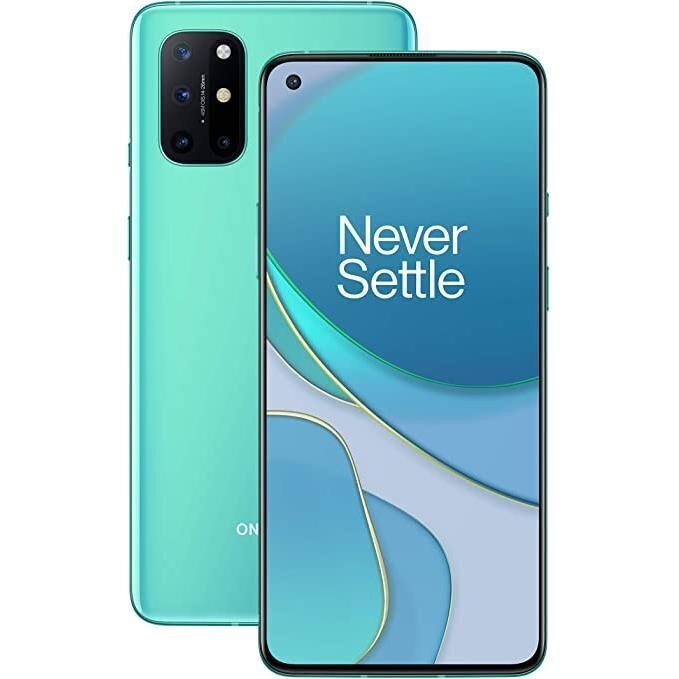
OnePlus 8T
Starting at
£190.00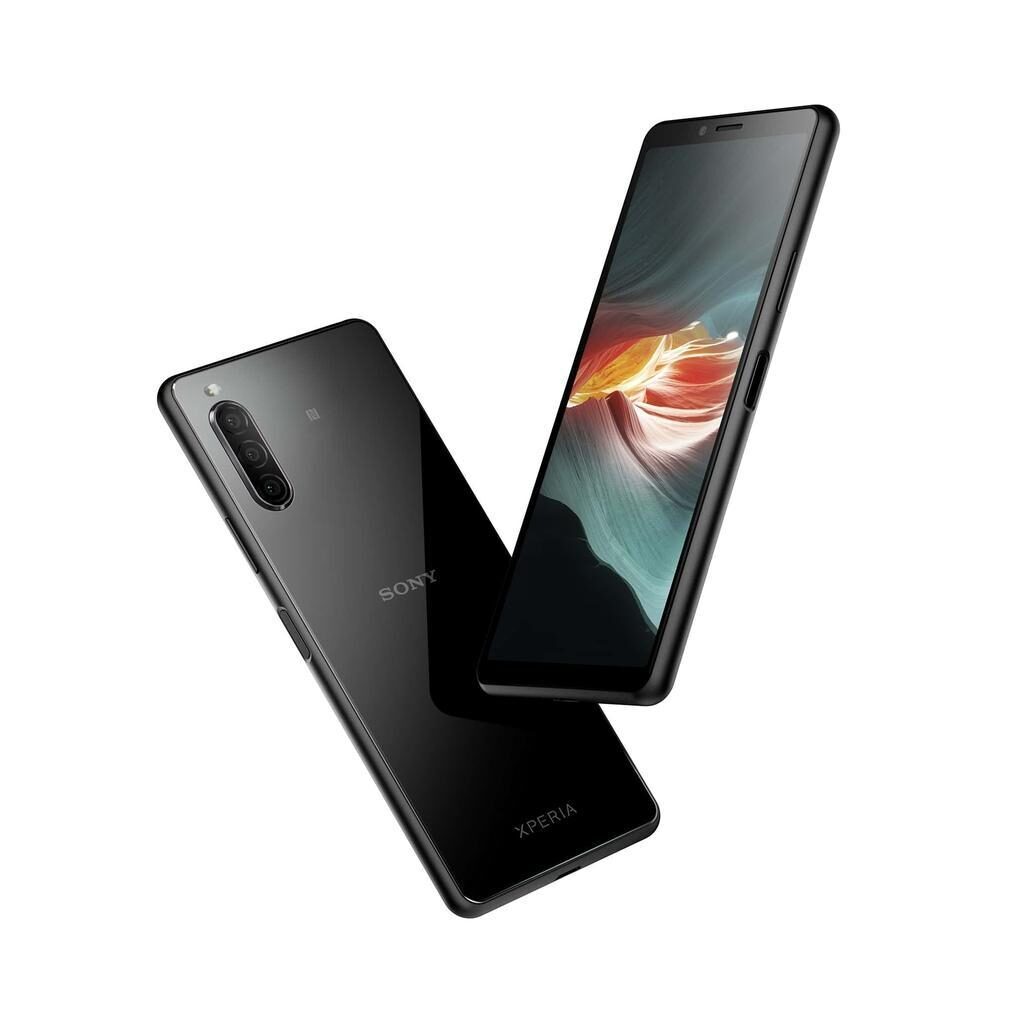
Sony Xperia 10 II
Starting at
£168.00What's the difference between the OnePlus 8T and Sony Xperia 10 II?
OnePlus 8T vs Sony Xperia 10 II comes down to the chipset, RAM and battery. Refurbished, the Sony Xperia 10 II starts at £168, £22 less than the OnePlus 8T.
Refurbished from
Chipset
RAM
Battery
Screen size
Screen type
- Chipset: Qualcomm SM8250 Snapdragon 865 5G (7 nm+) on the OnePlus 8T, Snapdragon 665 SM6125 (11 nm) on the Sony Xperia 10 II.
- The OnePlus 8T has more RAM: 12 GB vs 4 GB.
- The OnePlus 8T has a bigger battery: 4500 mAh vs 3600 mAh.
OnePlus 8T vs Sony Xperia 10 II specs
The OnePlus 8T and Sony Xperia 10 II are both Android phones released in 2020 but cater to different needs. The OnePlus 8T offers stronger performance, a larger battery, and a higher refresh rate screen, making it suitable for users who want faster multitasking, smoother visuals, and longer battery life. The Sony Xperia 10 II is lighter, more compact, and supports expandable storage, which suits users who prefer a smaller device with the option to add a microSD card. Its triple camera setup and 4G network provide reliable everyday use without the need for the latest network technology. Your choice depends on whether you prioritise performance and screen smoothness or a lighter phone with expandable storage.
OnePlus 8T vs Sony Xperia 10 II price
Colour
- GreenSold out
- BlackSold out
Storage
- 128GBSold out
- 256GBSold out
- 64GBSold out
OnePlus 8T vs Sony Xperia 10 II battery life and software updates
Durability covers battery capacity, software updates, and operating system. These factors affect how long each phone can last during use and how well it stays supported over time.
Battery Capacity
The OnePlus 8T has a 4500 mAh battery, which is larger than the Sony Xperia 10 II's 3600 mAh. A bigger battery suits users who need longer use between charges, such as heavy phone users or those often away from power sources. The Xperia 10 II may be better for lighter daily use where battery demands are lower.
Battery
Foldable
Year of release
OnePlus 8T vs Sony Xperia 10 II performance
Performance is defined by chipset, RAM, and storage options. These determine how fast the phone runs apps and handles multitasking.
Chipset Power
The OnePlus 8T uses a Qualcomm SM8250 Snapdragon 865 5G chipset built on a 7 nm+ process, which offers higher processing power compared to the Sony Xperia 10 II's Snapdragon 665 SM6125 on an 11 nm process. This makes the OnePlus 8T better suited for demanding apps and smoother multitasking.
Memory Size
With 12 GB of RAM, the OnePlus 8T can keep many apps open at once and handle multitasking with ease. The Sony Xperia 10 II has 4 GB of RAM, suitable for everyday use and lighter multitasking.
Storage Options
The OnePlus 8T offers 128GB and 256GB storage options, providing ample space for apps, photos, and media. The Sony Xperia 10 II comes with 64GB storage, which can be expanded with a microSDXC card if extra space is needed.
Chipset
RAM
OnePlus 8T vs Sony Xperia 10 II screen
Screen quality includes size, resolution, refresh rate, and display type. These affect visual clarity, smoothness, and the overall viewing experience.
Screen Size and Resolution
The OnePlus 8T has a larger 6.55 inch screen with a resolution of 1080 x 2400, offering more room for video and apps. The Sony Xperia 10 II has a 6 inch screen with a slightly taller resolution of 1080 x 2520, fitting a more compact display that suits users preferring smaller phones.
Refresh Rate
The OnePlus 8T features a 120 Hz refresh rate, doubling that of the Sony Xperia 10 II's 60 Hz. A higher refresh rate results in smoother scrolling and animations, noticeable during gaming and fast app navigation.
Screen Type
The OnePlus 8T uses Fluid AMOLED technology, which offers vivid colours and deep blacks. The Sony Xperia 10 II has an OLED screen, known for good contrast and colour accuracy. Both provide high-quality displays suited for media consumption.
Refresh rate
Resolution
Screen size
Screen type
OnePlus 8T vs Sony Xperia 10 II camera
Audiovisual features focus on the camera setups and front-facing camera. These define how well each phone captures photos and video calls.
Camera Setup
The OnePlus 8T has a quadruple rear camera system, which provides more versatility for different photo types. The Sony Xperia 10 II has a triple camera setup, covering essential photography needs.
Main Camera Resolution
The main camera on the OnePlus 8T is 48 megapixels, allowing for higher detail in photos. The Sony Xperia 10 II has a 12 megapixel main camera, suitable for everyday photography.
Front Camera Quality
The OnePlus 8T's front camera is 16 megapixels, offering sharper selfies and video calls. The Sony Xperia 10 II features an 8 megapixel front camera, which supports standard video chat and self-portraits.
Camera type
Front camera
Main camera
OnePlus 8T vs Sony Xperia 10 II size and design
This section covers various features that affect everyday convenience and connectivity, such as network compatibility, size, and storage expandability.
Network Capability
The OnePlus 8T supports 5G networks, which provides faster data speeds where available. The Sony Xperia 10 II operates on 4G, suitable for users who do not require the latest mobile network speeds.
Expandable Storage
The Sony Xperia 10 II includes a microSDXC card slot, ideal for users who want to increase their storage capacity. The OnePlus 8T does not have expandable storage, so users need to choose enough internal storage at purchase.
Size and Weight
The Sony Xperia 10 II is smaller and lighter, measuring 157 mm tall, 69 mm wide, and weighing 151 g. The OnePlus 8T is larger and heavier at 160.7 mm tall, 74.1 mm wide, and 188 g, suiting users who prefer a more compact phone or a bigger screen.
SIM Card Support
The OnePlus 8T supports dual physical SIM cards, which can be handy for users who need to manage two phone numbers. The Sony Xperia 10 II supports one physical SIM card.
Connectors
Both phones offer USB-C and a 3.5 mm headphone jack, providing flexibility for charging and audio accessories.
Carrier compatibility
Connector
Depth
Height
Mobile network
SD card slot
SIM card
Weight
Width
OnePlus 8T or Sony Xperia 10 II: which should you buy?
Buy the OnePlus 8T if
- you want more RAM (12 GB vs 4 GB)
- you want a bigger battery (4500 mAh vs 3600 mAh)
- you want a bigger screen (6.55 inch vs 6 inch)
Buy the Sony Xperia 10 II if
- you want to spend less: it starts at £168, £22 less than the OnePlus 8T
- you want a lighter build (151 g vs 188 g)
- you want a memory card slot
What our customers say
Customers of the OnePlus 8T often praise its performance and condition, noting it works well for work and family use. Several mention the phone looks almost new and is in very good condition despite some being marked as poor. Some users highlight issues with occasional random shutdowns and problems updating the system, which can be important for those who rely on stable performance. Overall, many customers are happy with the quality and value of the OnePlus 8T.
Owners of the Sony Xperia 10 II appreciate its clean look and usability, with many saying it works well and seems almost new. Some users mention a learning curve with the model but find it satisfactory for everyday use. Battery life receives mixed comments, with some finding it drains faster than expected. A few users report slower performance, but many are happy with the phone's reliability and camera for routine tasks.
The OnePlus 8T suits users who want strong performance, a large screen, and higher RAM for multitasking. The Sony Xperia 10 II fits those who prefer a lighter, more compact phone with expandable storage and are happy with everyday performance.
OnePlus 8T vs Sony Xperia 10 II FAQs
OnePlus 8T vs Sony Xperia 10 II comes down to the chipset, RAM and battery. Chipset: Qualcomm SM8250 Snapdragon 865 5G (7 nm+) on the OnePlus 8T, Snapdragon 665 SM6125 (11 nm) on the Sony Xperia 10 II. The OnePlus 8T has more RAM: 12 GB vs 4 GB.
The Sony Xperia 10 II is cheaper refurbished, from £168 compared with £190 for the OnePlus 8T.
The OnePlus 8T has a bigger battery: 4500 mAh vs 3600 mAh.
The OnePlus 8T has a higher-resolution main camera: 48 megapixels vs 12 megapixels.
Refurbished, the OnePlus 8T comes in 128GB and 256GB, and the Sony Xperia 10 II in 64GB.