OnePlus 8 vs Sony Xperia 10 II
Shop Android Smartphones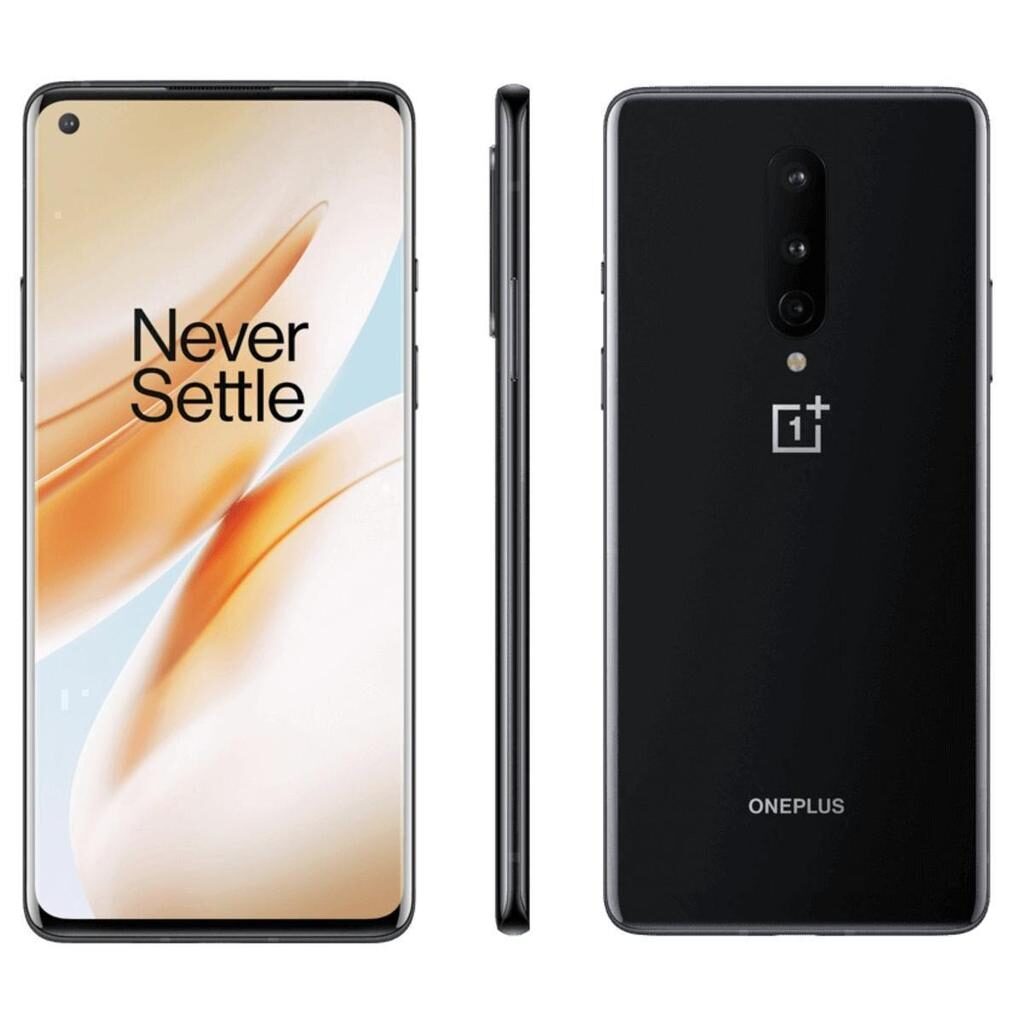
OnePlus 8
Starting at
£180.00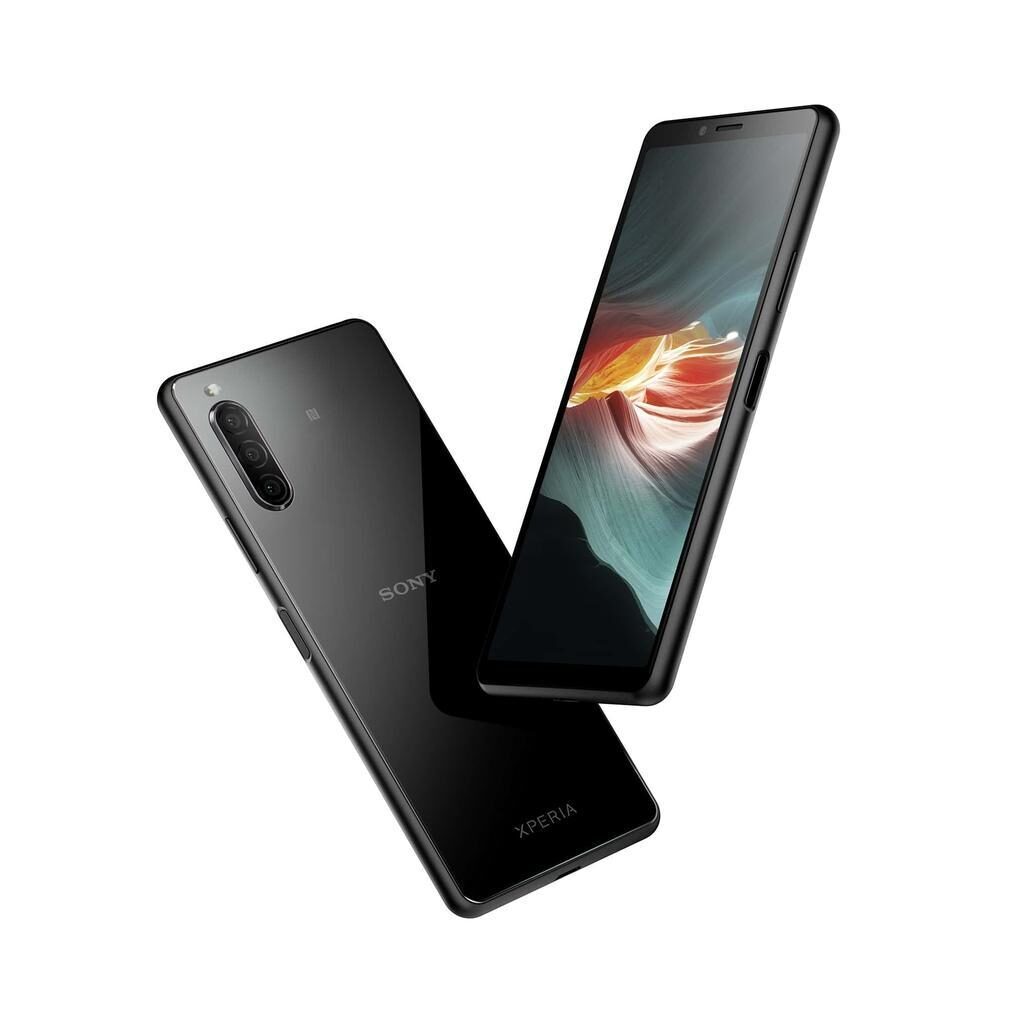
Sony Xperia 10 II
Starting at
£168.00What's the difference between the OnePlus 8 and Sony Xperia 10 II?
OnePlus 8 vs Sony Xperia 10 II comes down to the chipset, RAM and battery. Refurbished, the Sony Xperia 10 II starts at £168, £12 less than the OnePlus 8.
Refurbished from
Chipset
RAM
Battery
Screen size
Screen type
- Chipset: Qualcomm SM8250 Snapdragon 865 5G (7 nm+) on the OnePlus 8, Snapdragon 665 SM6125 (11 nm) on the Sony Xperia 10 II.
- The OnePlus 8 has more RAM: 8 GB vs 4 GB.
- The OnePlus 8 has a bigger battery: 4300 mAh vs 3600 mAh.
OnePlus 8 vs Sony Xperia 10 II specs
The OnePlus 8 and Sony Xperia 10 II both came out in 2020 and run Android, but they target different users with their features. The OnePlus 8 suits those who want strong performance with a Snapdragon 865 chipset, 8 GB RAM, and 5G support, along with a larger 6.55 inch screen and triple cameras with higher megapixels. The Sony Xperia 10 II offers a slightly smaller 6 inch screen with OLED technology and includes a headphone jack plus microSDXC card slot for extra storage. It has lower RAM and a Snapdragon 665 chipset, making it suitable for everyday use and those who prefer lighter, more compact phones with expandable storage.
OnePlus 8 vs Sony Xperia 10 II price
Colour
- BlackSold out
- BlackSold out
Storage
- 128GBSold out
- 64GBSold out
OnePlus 8 vs Sony Xperia 10 II battery life and software updates
Battery capacity and software updates affect how long a phone lasts day to day. Battery size differs, impacting how long each device can go between charges.
Battery Capacity
The OnePlus 8 has a 4300 mAh battery, which generally means longer use between charges and better endurance for heavier users. The Sony Xperia 10 II has a 3600 mAh battery, which suits users with lighter or moderate daily use who may not need as long a battery life.
Battery
Foldable
Year of release
OnePlus 8 vs Sony Xperia 10 II performance
Performance depends on the chipset, RAM, and storage. These determine how smoothly apps run, how many can stay open, and how fast data processes.
Processor Power
The OnePlus 8 uses a Qualcomm SM8250 Snapdragon 865 5G chipset built on a 7 nm+ process, offering faster and more efficient performance. This makes it well suited for users who run demanding apps or multitask frequently. The Sony Xperia 10 II runs on a Snapdragon 665 SM6125 chipset with an 11 nm process, which supports everyday tasks comfortably and saves battery with less intensive use.
Memory and Storage
OnePlus 8 comes with 8 GB of RAM, allowing it to keep more apps active and switch between them smoothly. It also has 128 GB of storage, which fits more photos, apps, and files. The Sony Xperia 10 II has 4 GB of RAM and 64 GB of storage, fitting daily use and moderate app collections with some room for files.
Chipset
RAM
OnePlus 8 vs Sony Xperia 10 II screen
Screen size, refresh rate, and type influence how content looks and feels to use. Both phones offer full HD resolution but differ in size and screen technology.
Screen Size and Type
The OnePlus 8 has a larger 6.55 inch Fluid AMOLED screen, ideal for watching videos or browsing with more display area. The Sony Xperia 10 II features a 6 inch OLED screen, which makes it more compact and easier to handle with one hand.
Refresh Rate
OnePlus 8 offers a 90 Hz refresh rate, which results in smoother scrolling and animations, noticeable when gaming or navigating the interface. The Sony Xperia 10 II has a standard 60 Hz refresh rate, suitable for everyday use without extra fluidity.
Resolution
Both phones have similar full HD resolution, with the Xperia 10 II slightly taller at 1080 x 2520 versus 1080 x 2400 on the OnePlus 8. This means both deliver clear and sharp images, with a subtle difference in aspect ratio.
Refresh rate
Resolution
Screen size
Screen type
OnePlus 8 vs Sony Xperia 10 II camera
Camera and front-facing camera megapixels affect image detail, while the number of cameras shows the versatility for different photo types. Both phones have triple rear cameras but differ in resolution.
Rear Camera Detail
OnePlus 8 has a 48 megapixel main camera, capturing more detailed photos, which suits users who prioritise photography quality. The Sony Xperia 10 II has a 12 megapixel main camera, suitable for everyday snapshots and casual photography.
Front Camera
The OnePlus 8 features a 16 megapixel front camera for clearer selfies and video calls. The Sony Xperia 10 II uses an 8 megapixel front camera, which supports standard video chats and selfies.
Camera type
Front camera
Main camera
OnePlus 8 vs Sony Xperia 10 II size and design
Other differences include network support, physical size, ports, SIM options, and expandable storage. These affect convenience, connectivity, and device handling.
Network and SIM
The OnePlus 8 supports 5G networks for faster mobile data speeds and has a Dual Physical SIM setup, appealing to users who want to manage two numbers or plans. The Sony Xperia 10 II supports 4G and uses a single Physical SIM, fitting users with simpler SIM needs.
Ports and Expansion
Sony Xperia 10 II includes both USB-C and a 3.5mm headphone jack, allowing use of wired headphones without an adapter. It also has a microSDXC slot for adding extra storage. The OnePlus 8 has USB-C only and no microSD slot, which suits users relying on built-in storage.
Size and Weight
The OnePlus 8 is larger at 160.2 mm tall, 72.9 mm wide, and weighs 180 g, offering a bigger screen but a heavier feel. The Sony Xperia 10 II is smaller at 157 mm tall, 69 mm wide, and lighter at 151 g, which makes it easier to carry and handle for those preferring compact phones.
Depth
Thickness is similar with the OnePlus 8 at 8 mm and the Sony Xperia 10 II at 8.2 mm, so both phones have a comparable profile in the hand.
Carrier compatibility
Connector
Depth
Height
Mobile network
SD card slot
SIM card
Weight
Width
OnePlus 8 or Sony Xperia 10 II: which should you buy?
Buy the OnePlus 8 if
- you want more RAM (8 GB vs 4 GB)
- you want a bigger battery (4300 mAh vs 3600 mAh)
- you want a bigger screen (6.55 inch vs 6 inch)
Buy the Sony Xperia 10 II if
- you want to spend less: it starts at £168, £12 less than the OnePlus 8
- you want a lighter build (151 g vs 180 g)
- you want a headphone jack
What our customers say
Customers buying the OnePlus 8 often mention that the phone looks like new and works well, with smooth performance and good value for the price. Some note issues like a warning on startup or minor physical marks, but many are happy with its condition and speed. Users appreciate the larger screen and camera quality, and some have bought it as a gift or for younger family members. The phone's battery and accessories are generally well received, though a few report minor software quirks or hardware problems like charging port faults.
Sony Xperia 10 II customers praise the phone's clean condition and ease of use once set up. Several highlight its compact size and good screen quality. Battery life gets mixed feedback, with some saying it drains faster than expected. Performance is described as suitable for everyday tasks, though a few find it slower than older phones. Users like the headphone jack and expandable storage options. The phone suits those who prefer a lighter device and are fans of the Sony brand.
Overall, the OnePlus 8 fits buyers seeking stronger performance, a larger display, and higher resolution cameras. The Sony Xperia 10 II appeals to those wanting a smaller, lighter phone with expandable storage and standard daily use capabilities.
OnePlus 8 vs Sony Xperia 10 II FAQs
OnePlus 8 vs Sony Xperia 10 II comes down to the chipset, RAM and battery. Chipset: Qualcomm SM8250 Snapdragon 865 5G (7 nm+) on the OnePlus 8, Snapdragon 665 SM6125 (11 nm) on the Sony Xperia 10 II. The OnePlus 8 has more RAM: 8 GB vs 4 GB.
The Sony Xperia 10 II is cheaper refurbished, from £168 compared with £180 for the OnePlus 8.
The OnePlus 8 has a bigger battery: 4300 mAh vs 3600 mAh.
The OnePlus 8 has a higher-resolution main camera: 48 megapixels vs 12 megapixels.
Refurbished, the OnePlus 8 comes in 128GB, and the Sony Xperia 10 II in 64GB.